A look back at an amazing ride down the Pacific Coast Highway.
Phil Veasley is a registered Professional Engineer in NC and GA. Opinions and insights are my own and are not representative of my employer or any organization. Any ideas displayed on this site are purely that – just ideas to help improve the future of the built environment and begin discussions.
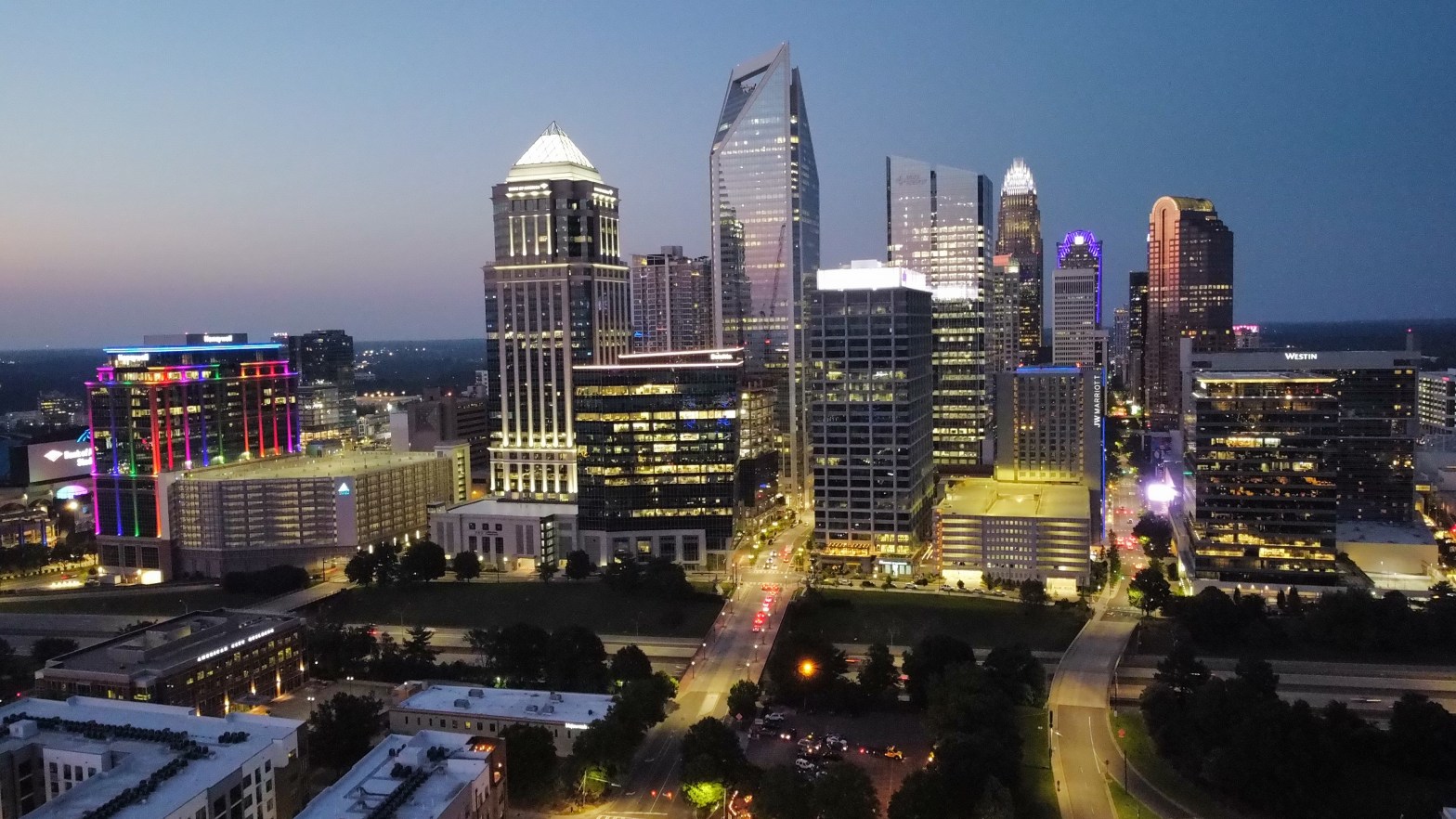
A look back at a 25+ mile car free journey through the streets of Charlotte.
Phil Veasley is a registered Professional Engineer in NC and GA. Opinions and insights are my own and are not representative of my employer or any organization. Any ideas displayed on this site are purely that – just ideas to help improve the future of the built environment and begin discussions.
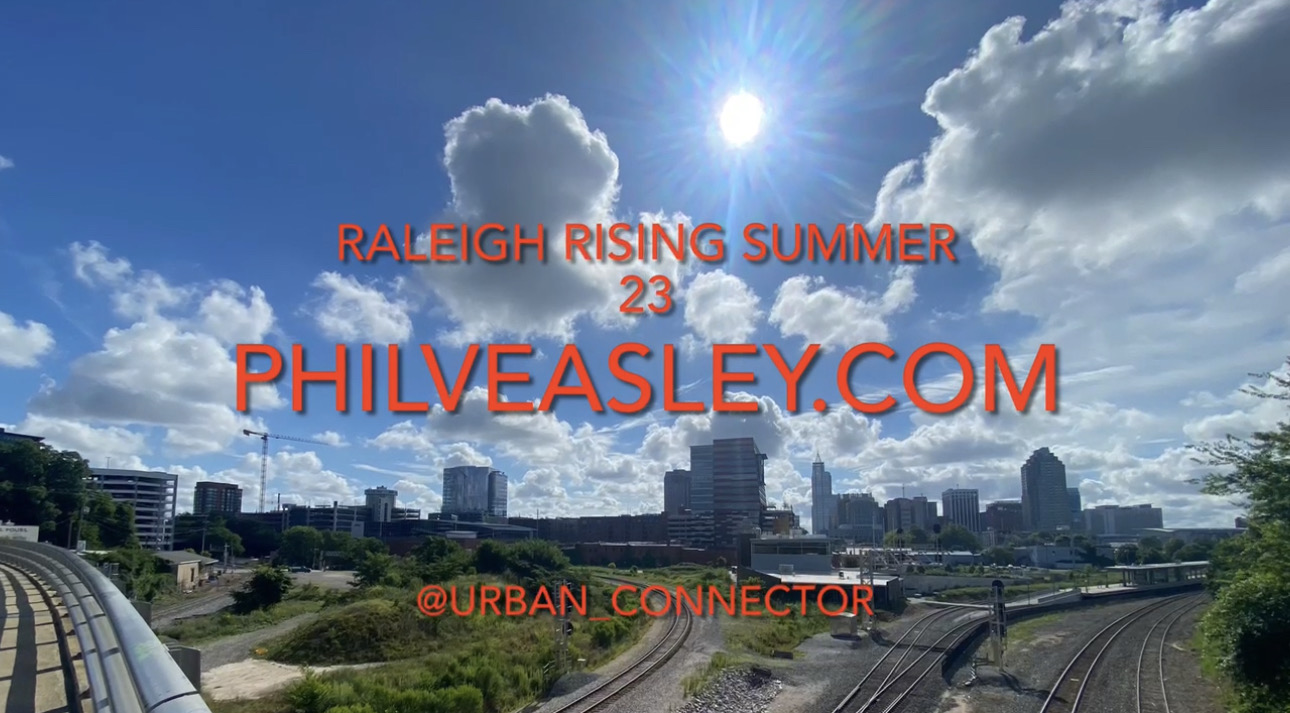
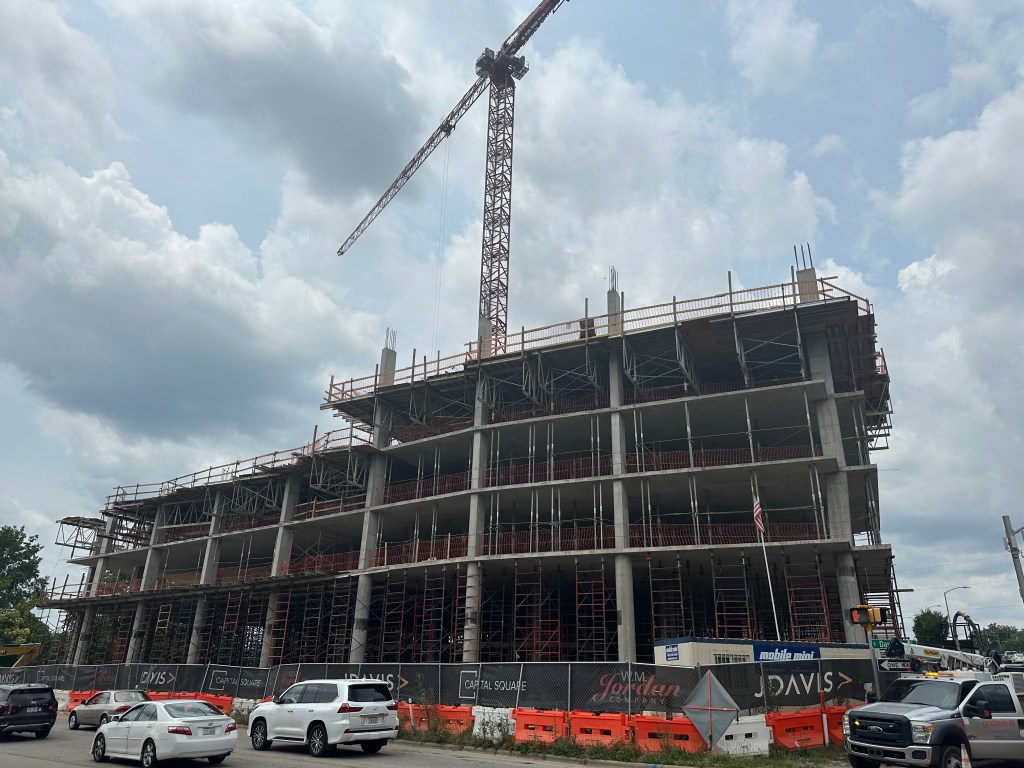
Taking a look at the cranes of Downtown Raleigh! Be sure to like and subscribe. Check out the video for information on each.
Acorn Apartments
Capital Square
RUS BUS / Union West
Tempo / Homewood Suites
400 H
Alexan
Seaboard Station
NC Freedom Park
Park City South
Mira City Gateway
Phil Veasley is a registered Professional Engineer in NC and GA. Opinions and insights are my own and are not representative of my employer or any organization. Any ideas displayed on this site are purely that – just ideas to help improve the future of the built environment and begin discussions.
Check out my first YouTube video post. Please like and subscribe as I’ll be doing more of these.
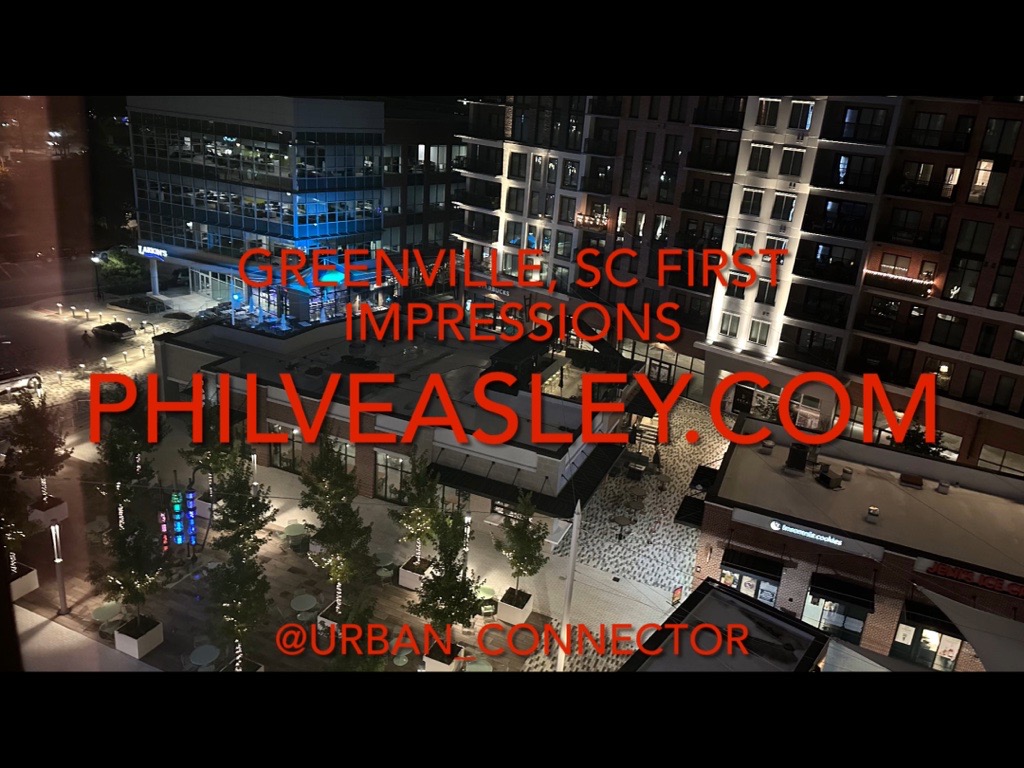
First up, I share my first thoughts from a visit to Greenville, SC.
YouTube
Phil Veasley is a registered Professional Engineer in NC and GA. Opinions and insights are my own and are not representative of my employer or any organization. Any ideas displayed on this site are purely that – just ideas to help improve the future of the built environment and begin discussions.
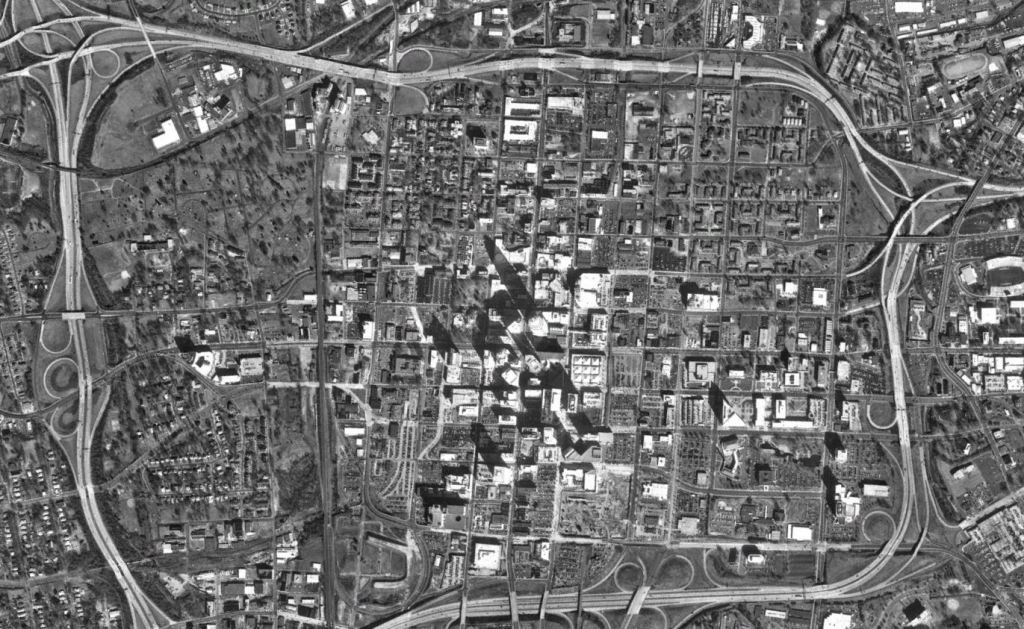
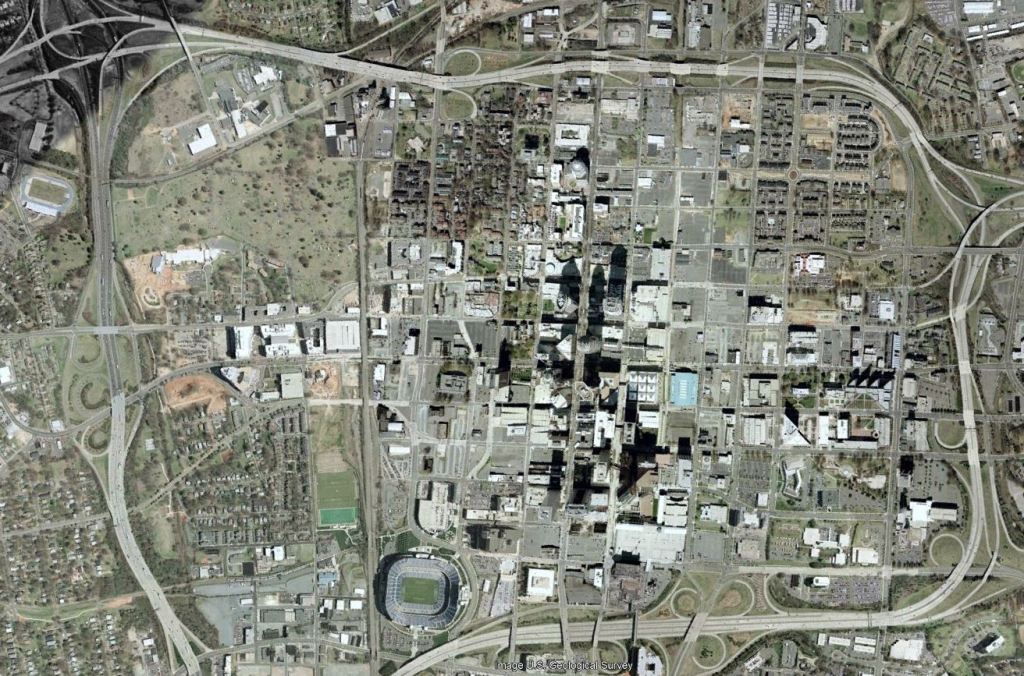
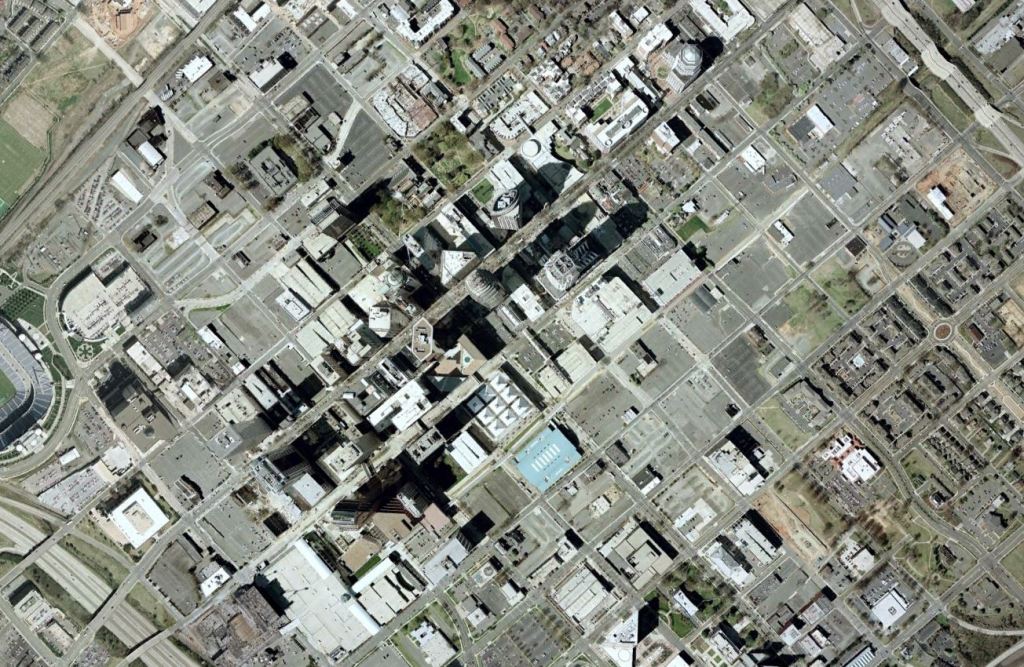
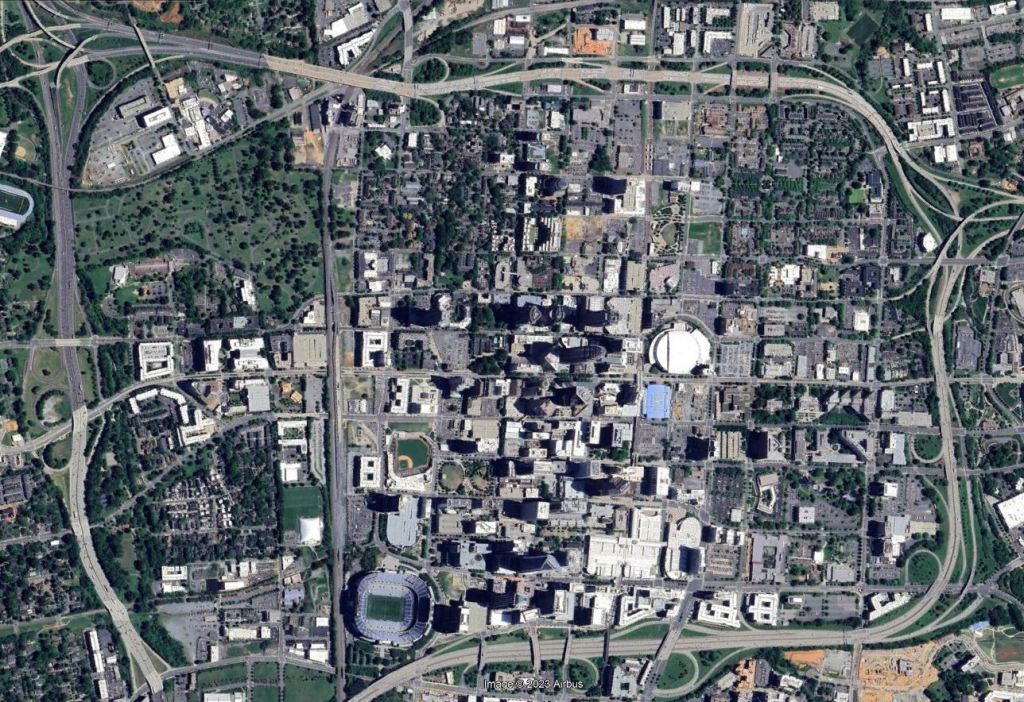
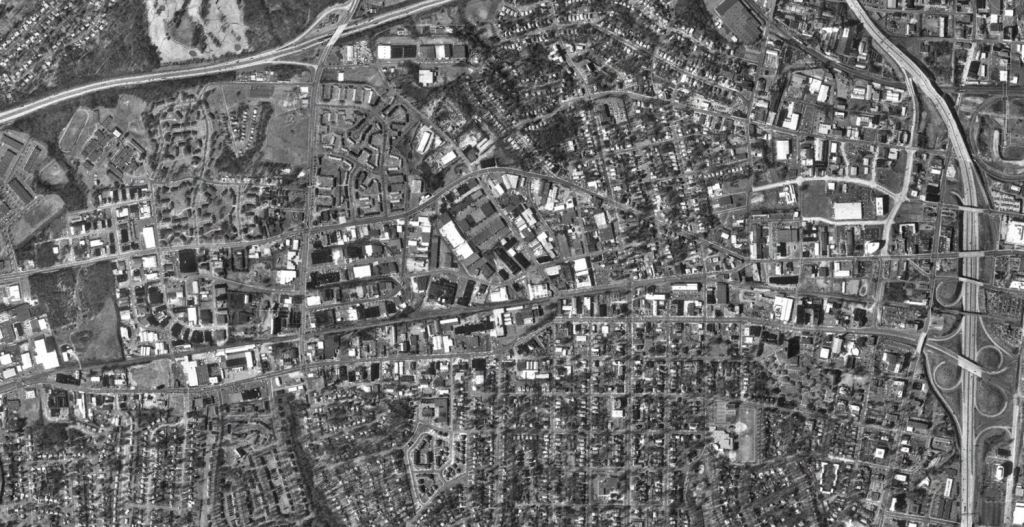
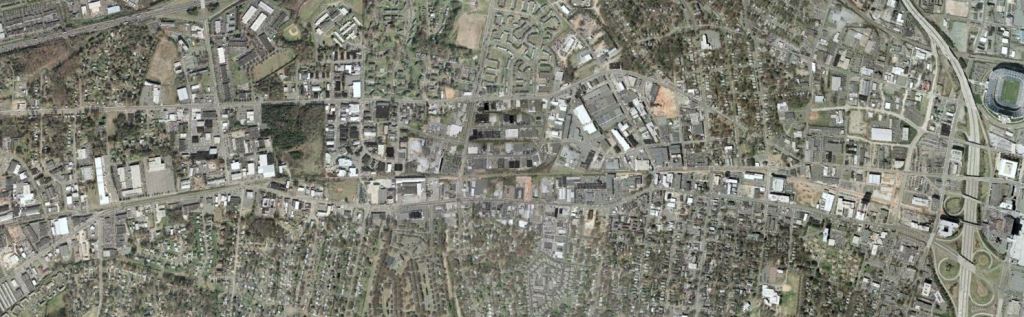
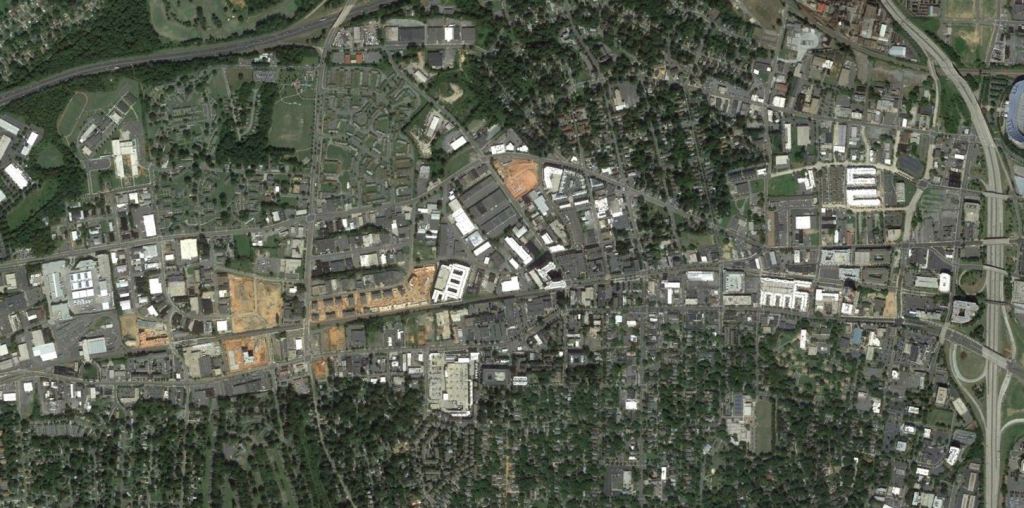
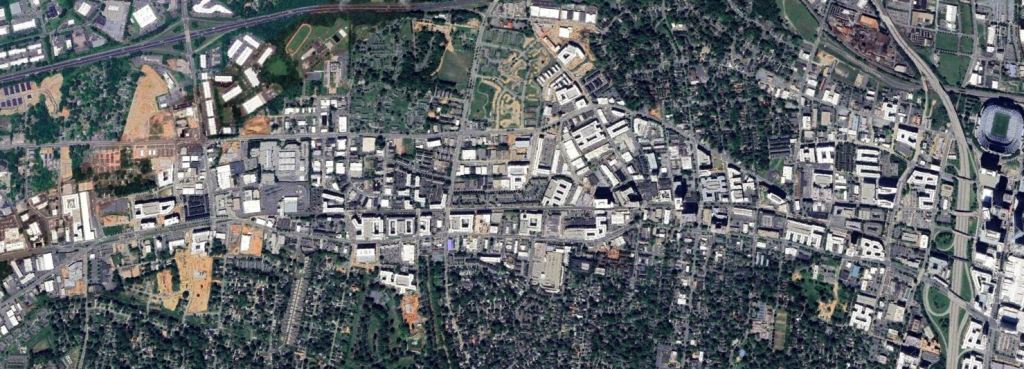
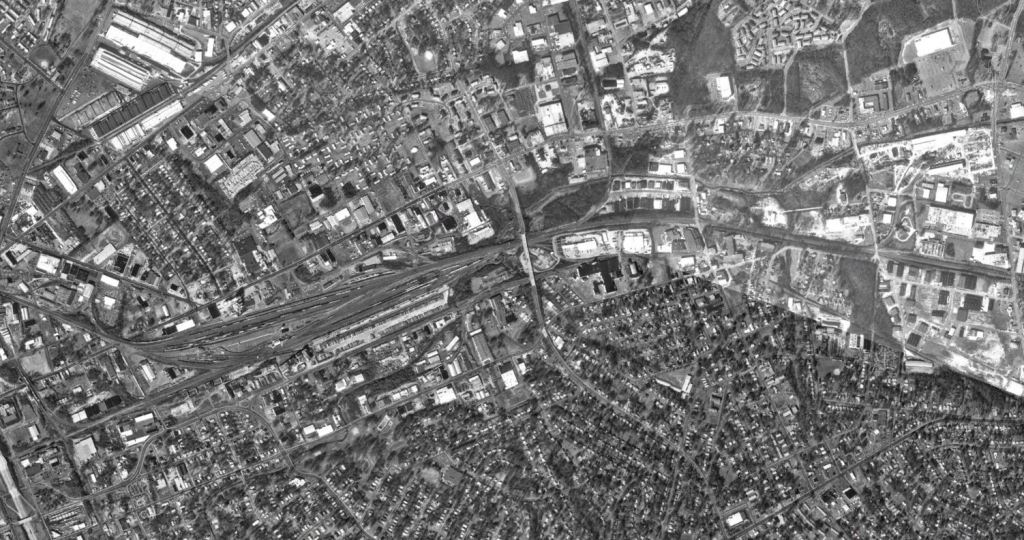
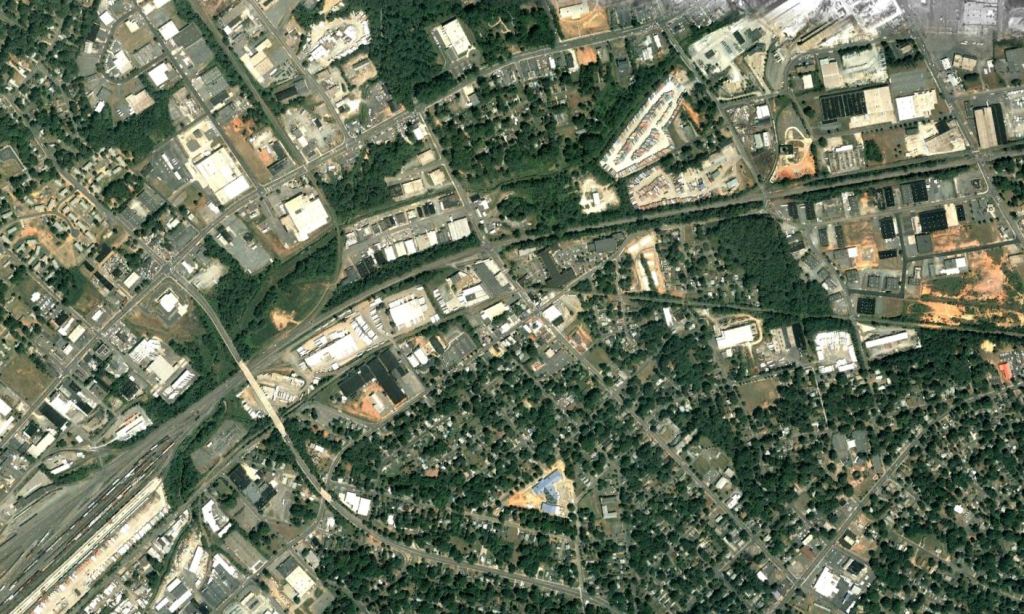
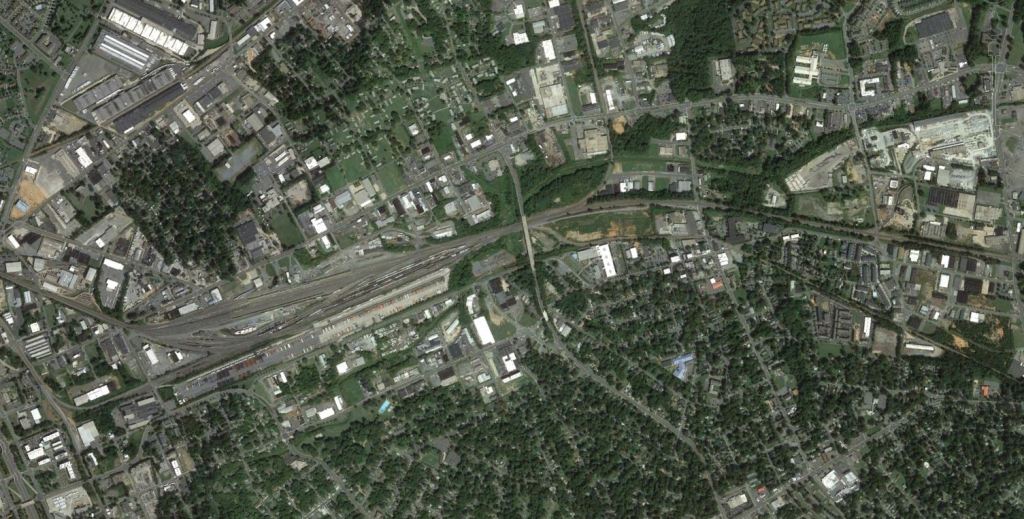
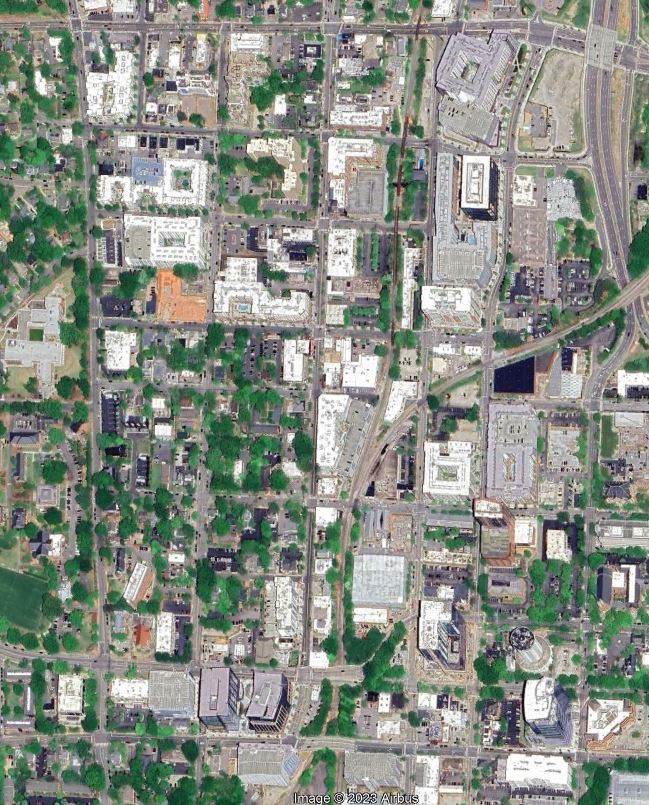
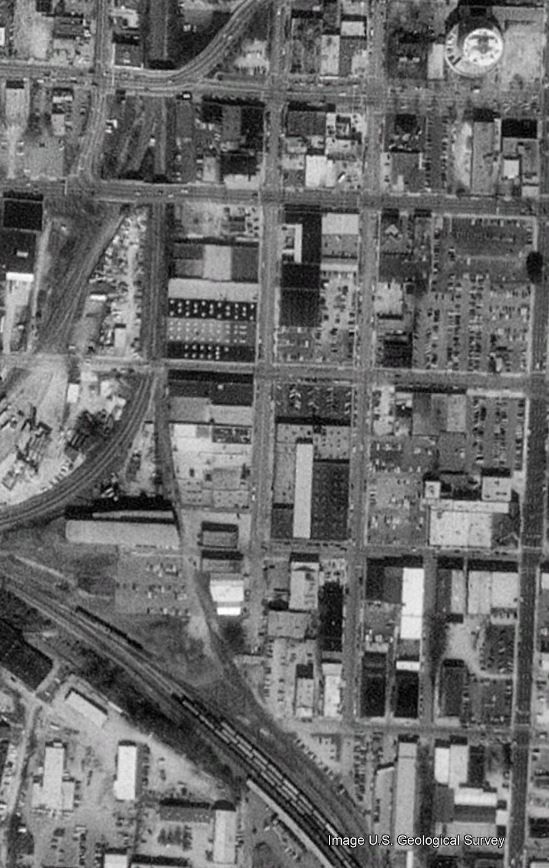
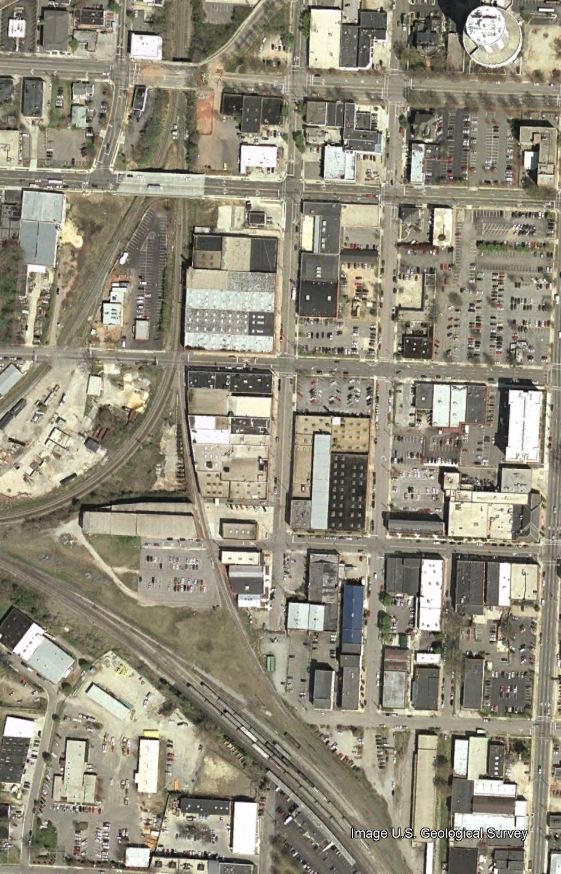
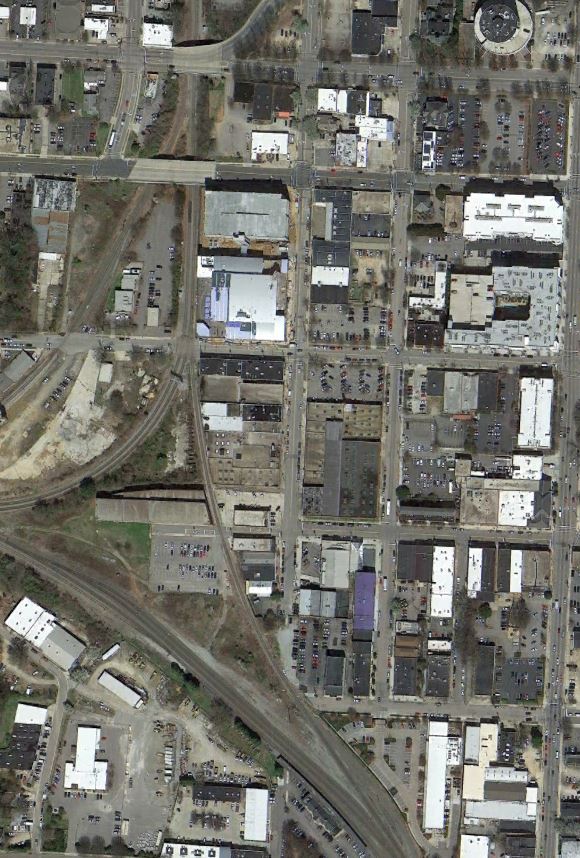
After taking a look at how the Cities of Atlanta and Raleigh have grown, we turn our attention to the Queen City. As the Charlotte continues to grow, let’s take a look back through the past 30 years via Google Earth to see just how far the City has come. Images are via GoogleEarth and are 1993, 2002, 2012, and 2023 captures with a couple of older bonus images from Brooklyn Village.
Uptown
You know those posts where they show Downtowns that are literally just a parking lot? Charlotte was that in 2002. While there’s still far too many empty surface lots it’s crazy to see how far they’ve come in the past few decades. Now if we could just do something about I-277…more on that in a moment.
Most of Charlotte’s high energy areas are in South End, and for good reason. The converted warehouses, rail trail, mix of shops and restaurants, transit access and overall good vibes make it one of the most vibrant places in the South. It’s all happened very quickly. See what transit investment and proper Transit and Trail Oriented Development do.
1993200220122023
NODA (And surrounding neighborhoods)
Another stellar example of how good TOD can transform things. 1000s of units have been added in the past few years with over 4000 in the pipeline!
1993200220122023
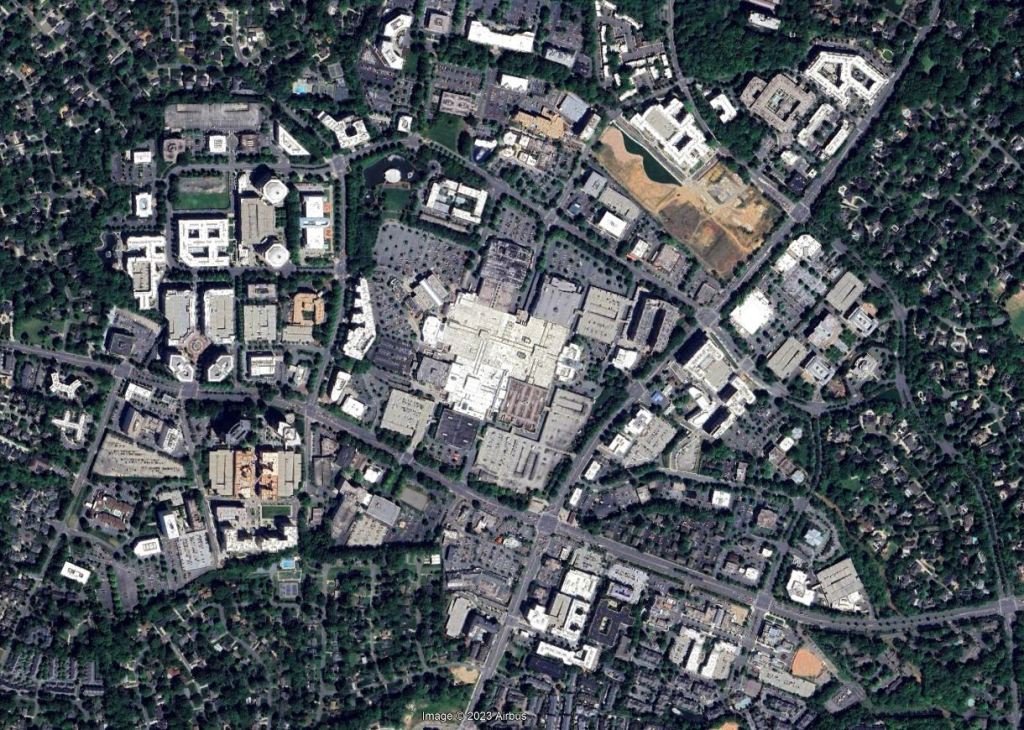
South Park
South Park has always been very interesting to me. Tons of jobs, tons of shopping, but not on Charlotte’s light rail or highway system. Also just surrounded by low density estates. That hasn’t slowed things down one bit. Maybe one day the mall can be flipped into more of an outward facing town center type concept and the street corner parcels can be something other than Fast Food and Gas Stations.
1993200220122023
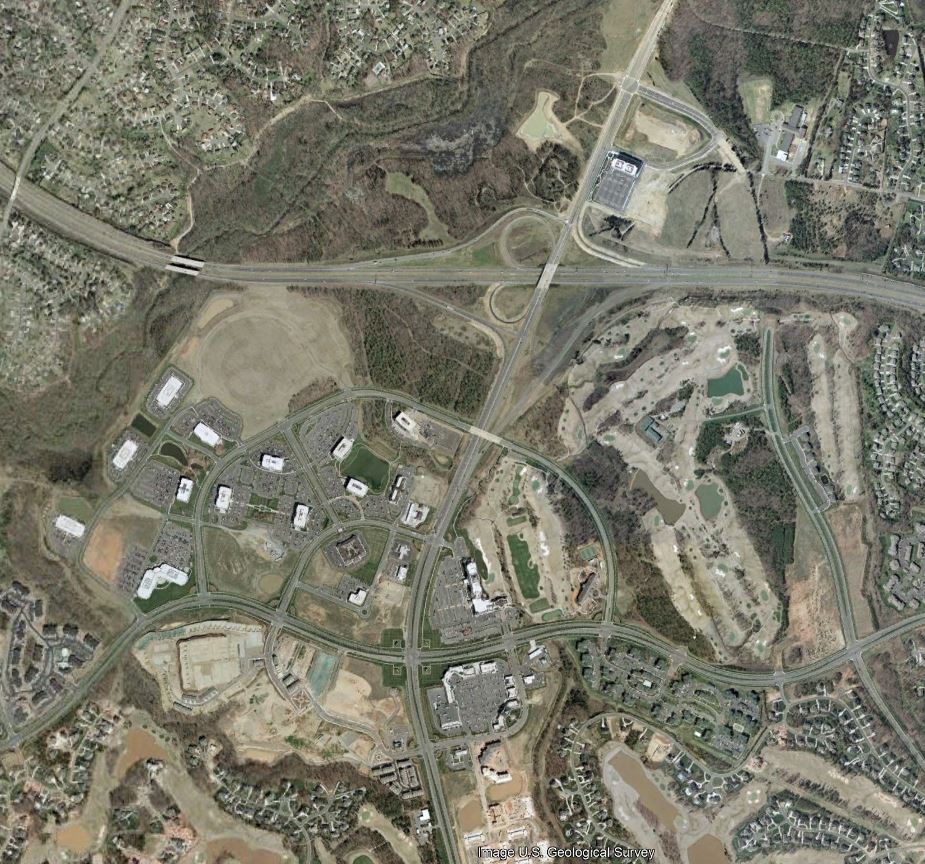
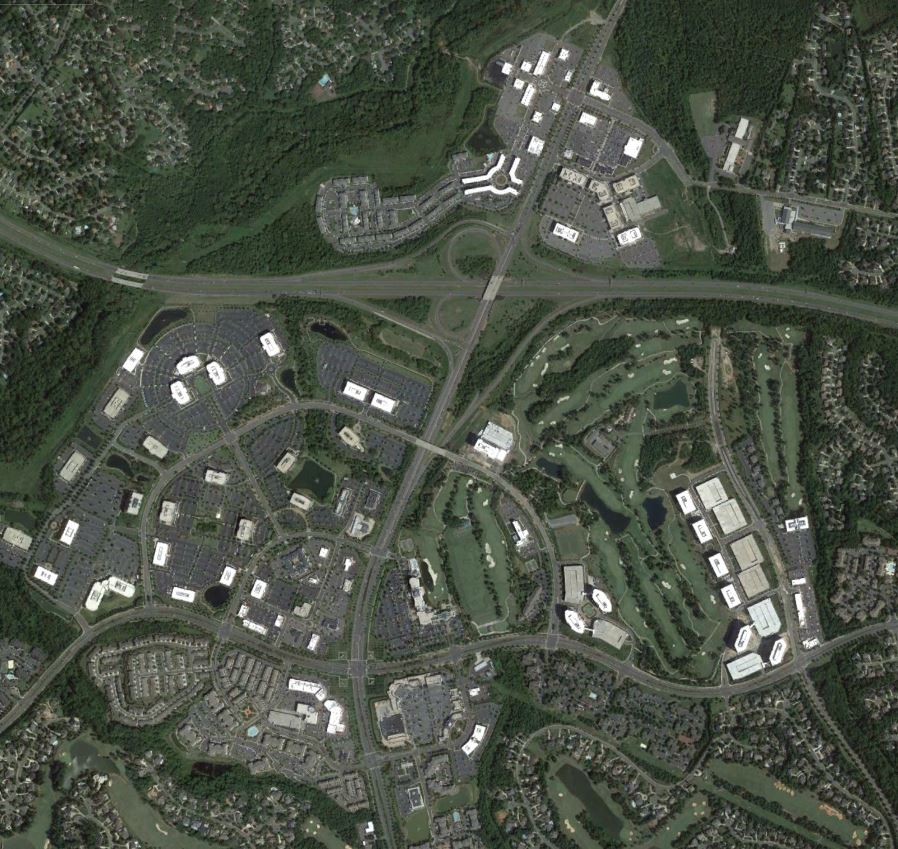
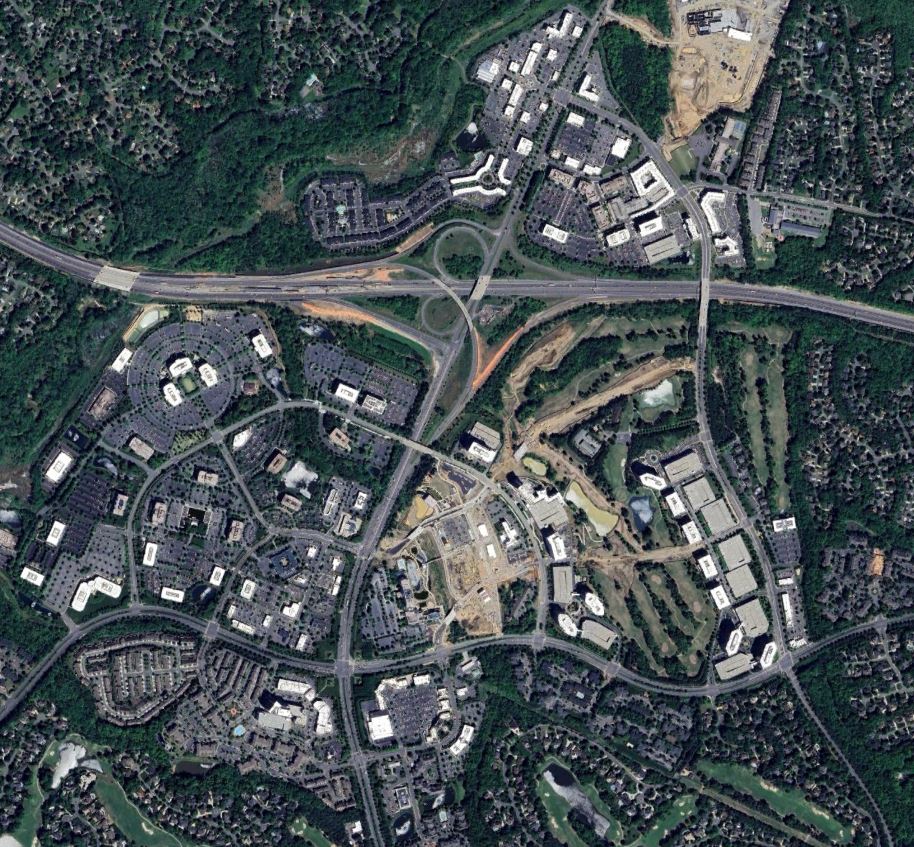
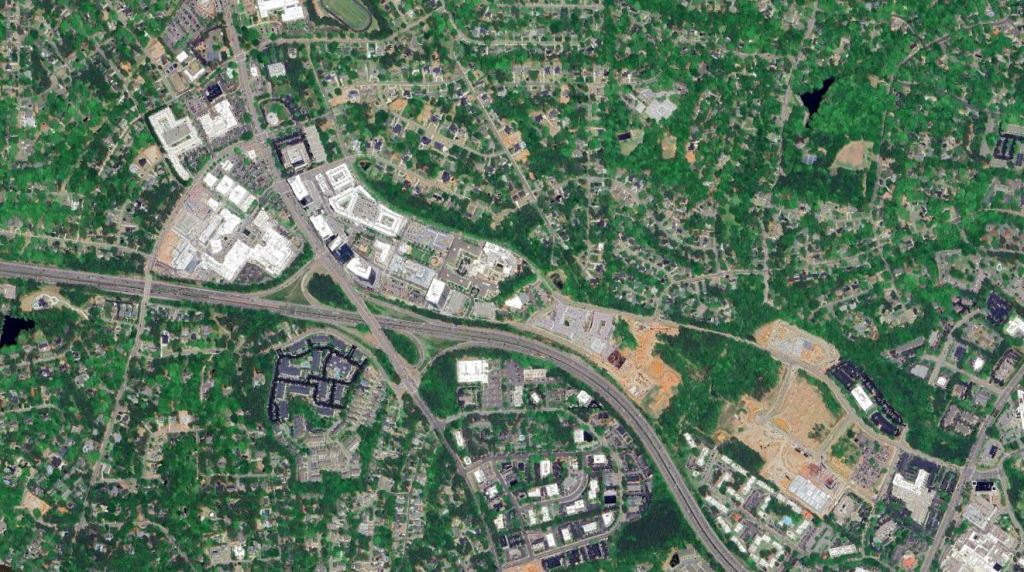
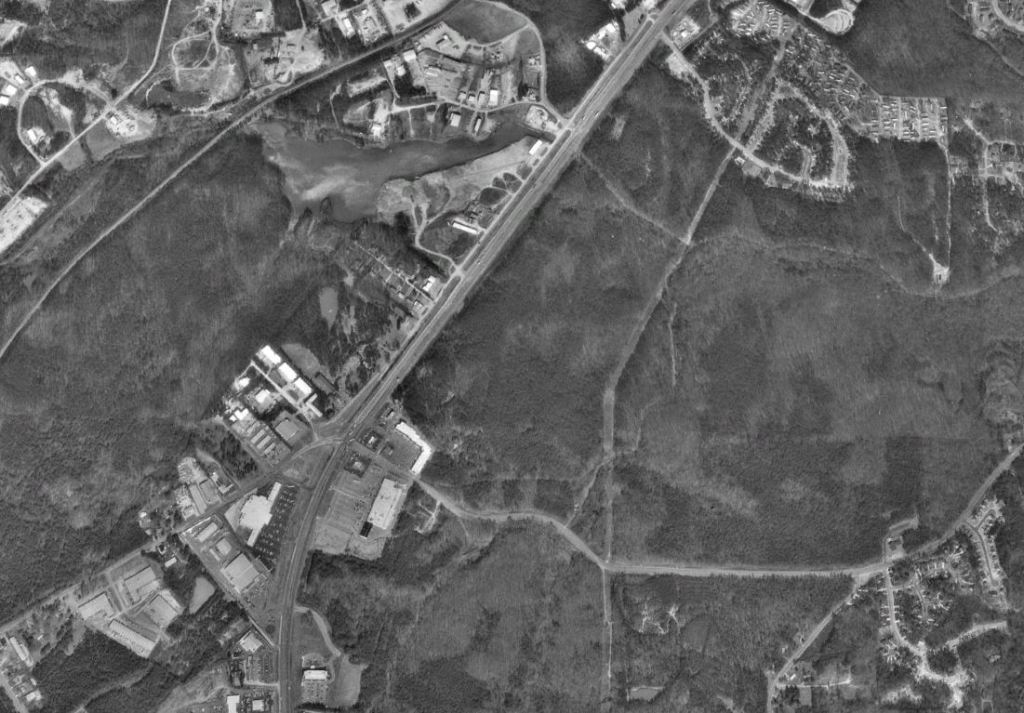
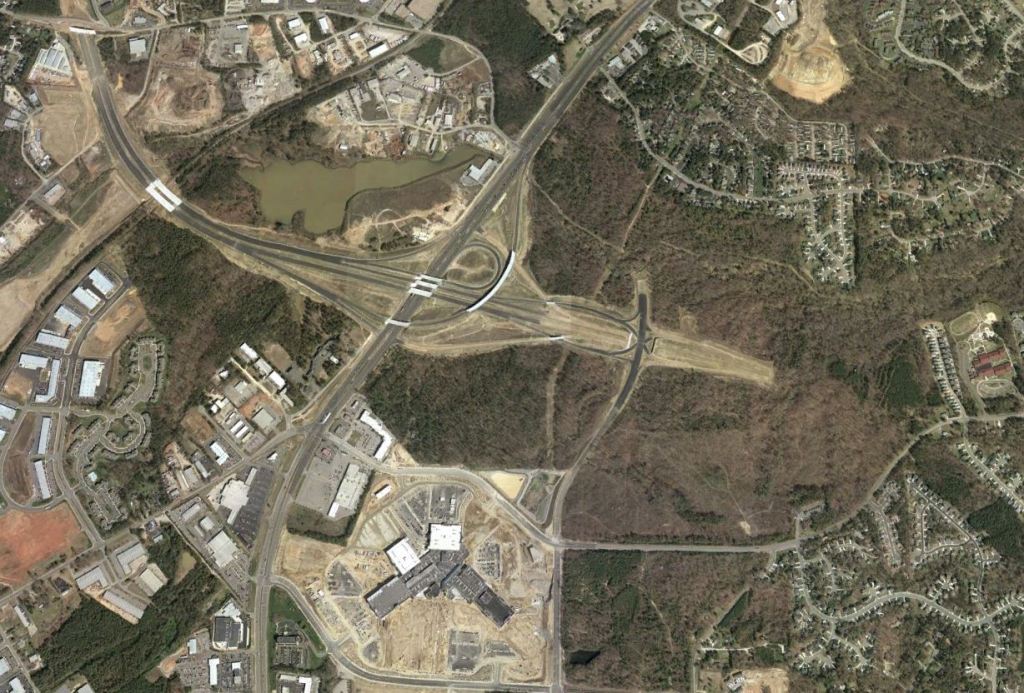
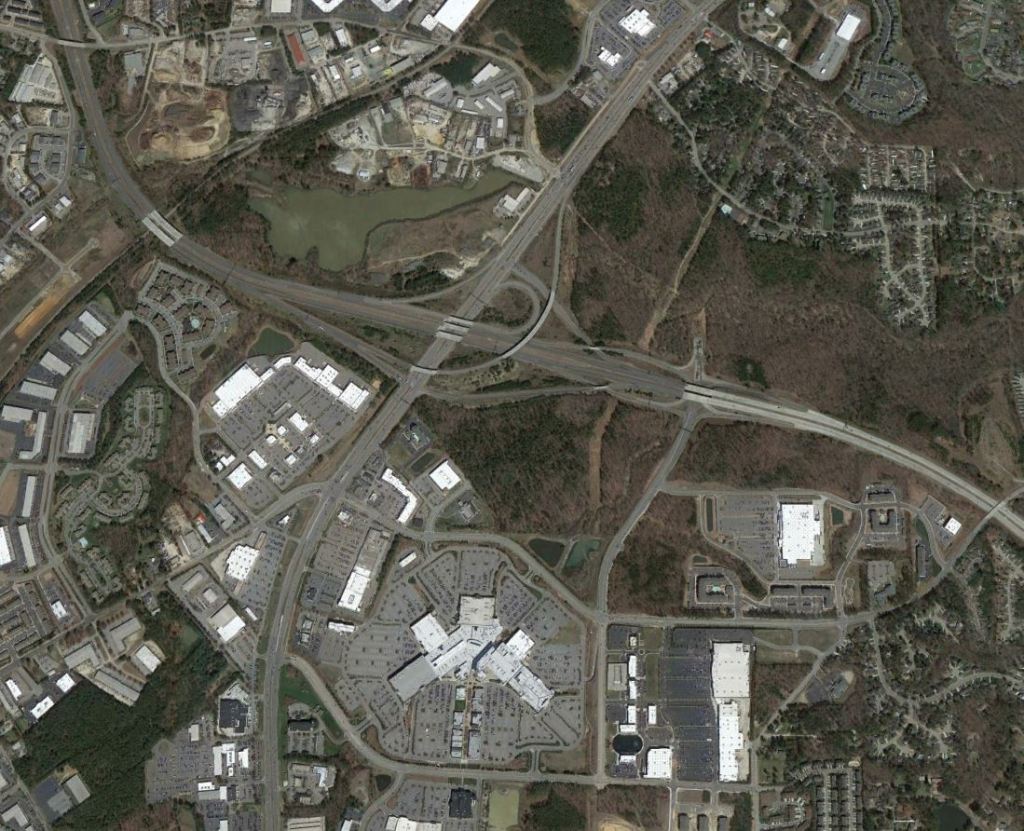
Ballantyne
This has to be the most striking one of the series so far. Look at 1993. Literally nothing! Not even I-485 was open yet. There’s a lot to be desired (look at those massive surface parking lots), but it’s a pretty cool area that’s continuing to evolve and densify. Hopefully that Blue Line extension will happen one day.
1993200220122023
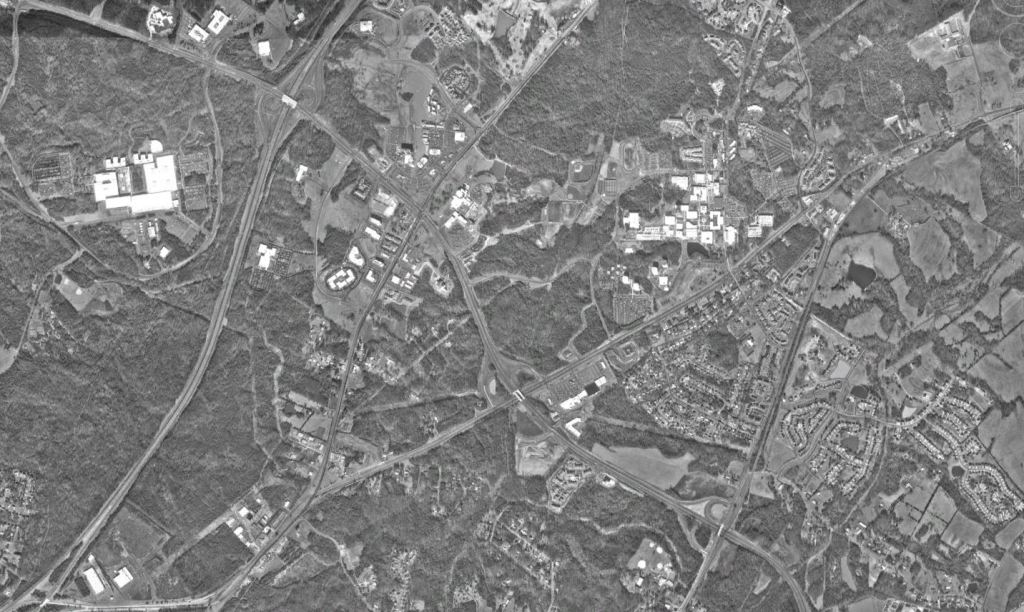
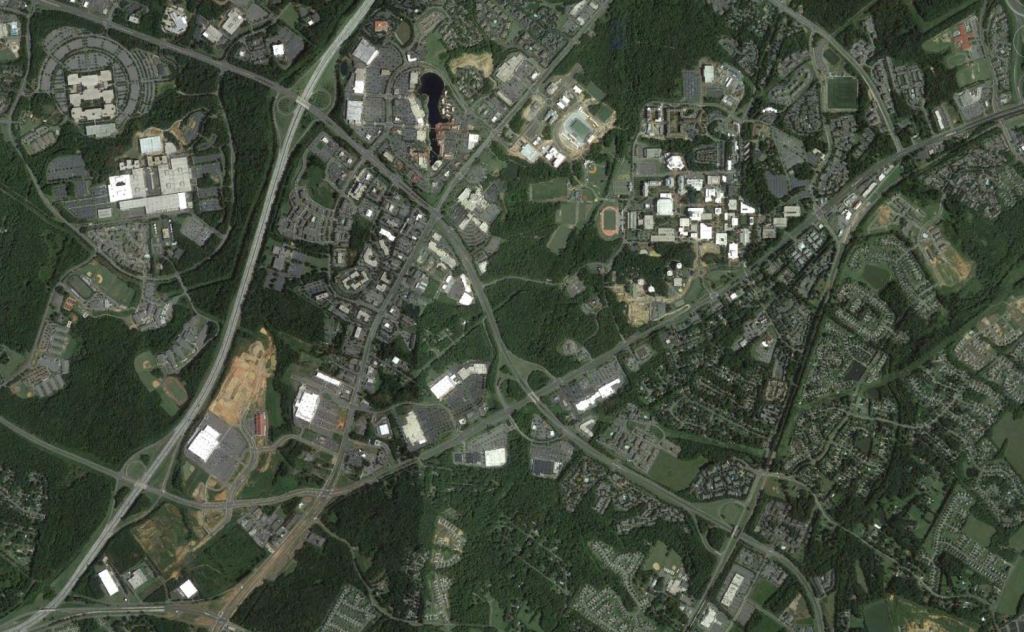
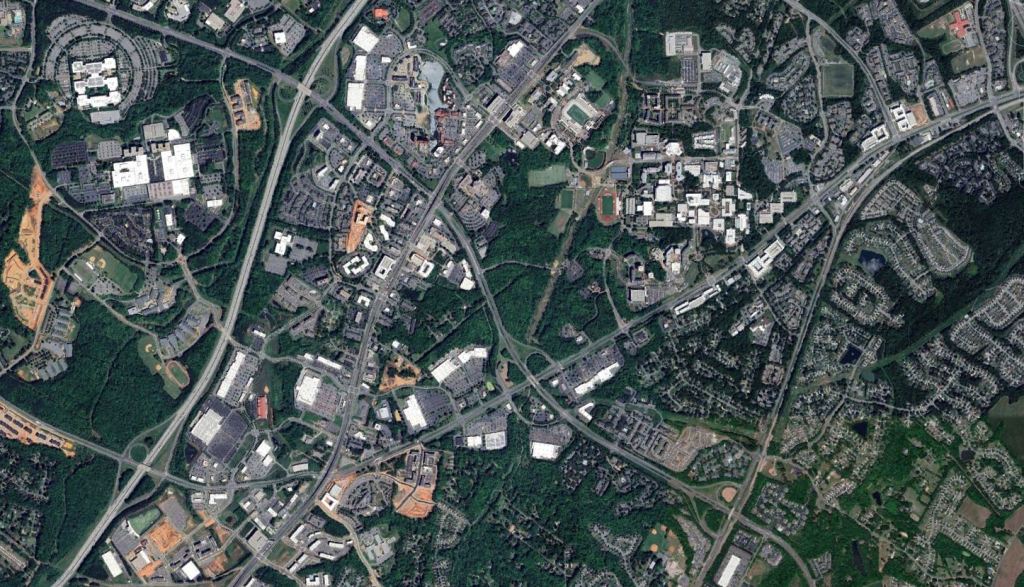
University City
Another part of Charlotte that has benefited greatly from transit investments has been the University City area. It’s transformed from a sleepy commuter suburban style school to finally having a bit of an identity and influx of commerce and housing.
1993200220122023
Next time we’ll explore some of the explosive areas of growth Atlanta’s suburban areas.
Phil Veasley is a registered Professional Engineer in NC and GA. Opinions and insights are my own and are not representative of my employer or any organization. Any ideas displayed on this site are purely that – just ideas to help improve the future of the built environment and begin discussions.
In this new series, we’ll be exploring various things that stand out to me when browsing maps.
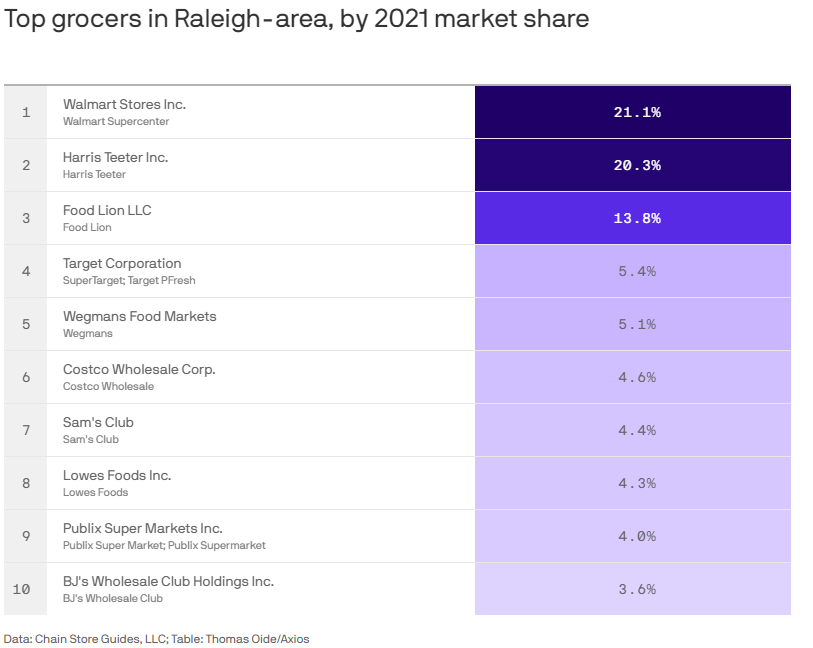
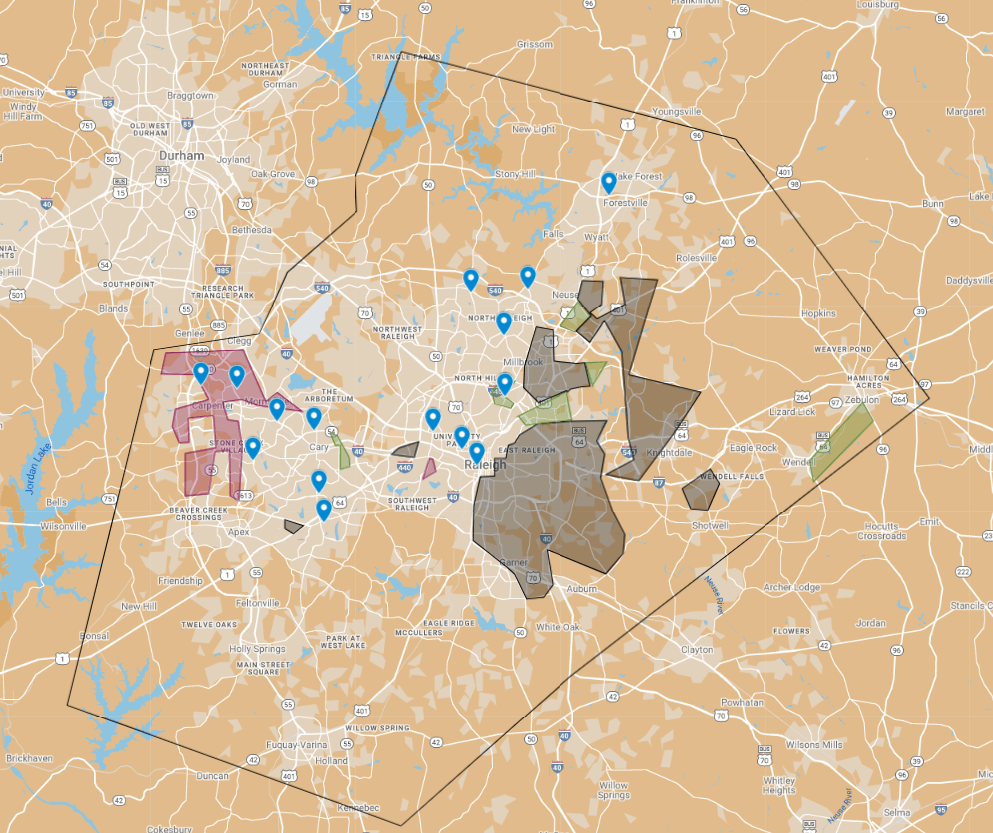
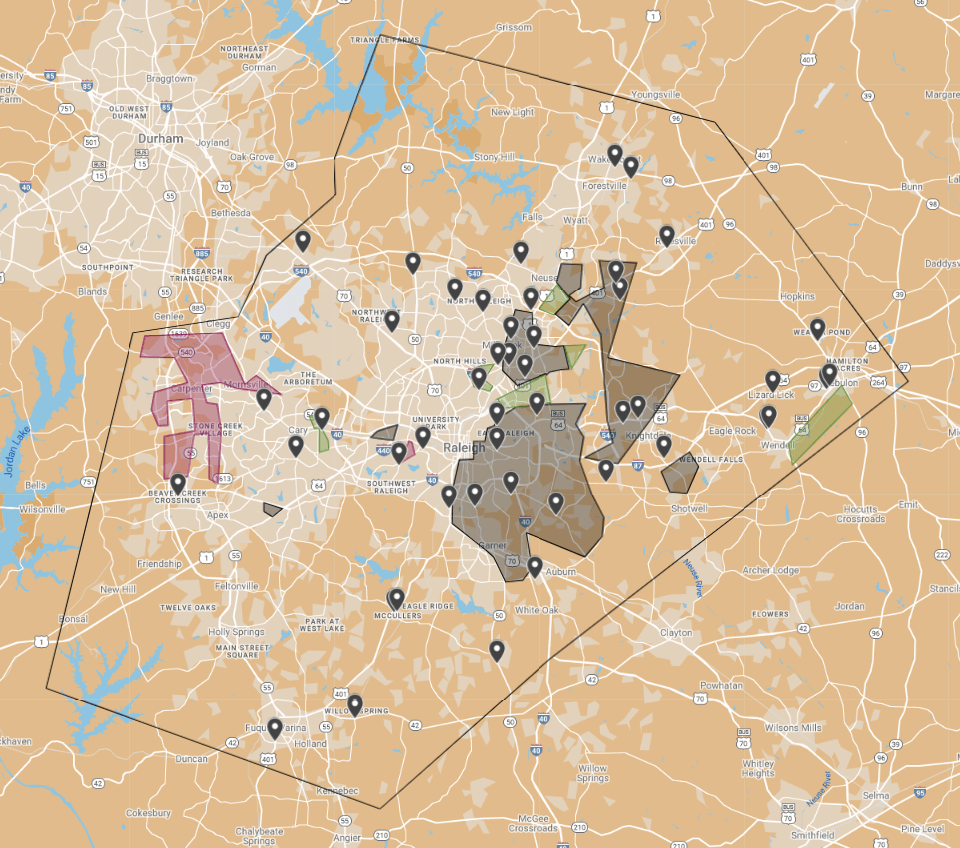
Raleigh’s grocery scene is a competitive one that is dominated by Harris Teeter, Food Lion and Walmart. But the distribution of certain stores leaves a lot to be desired.
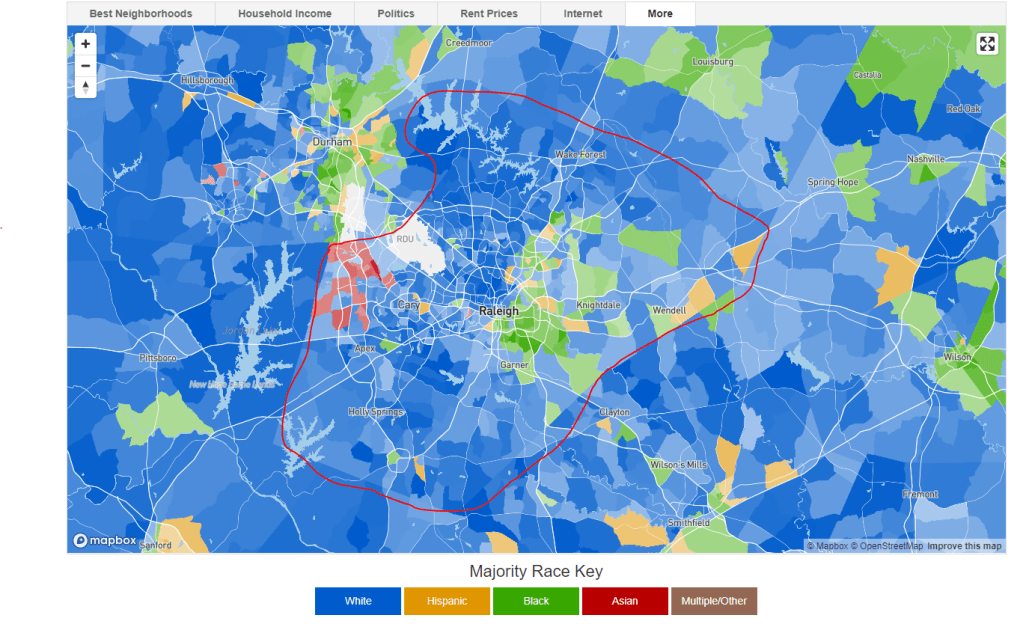
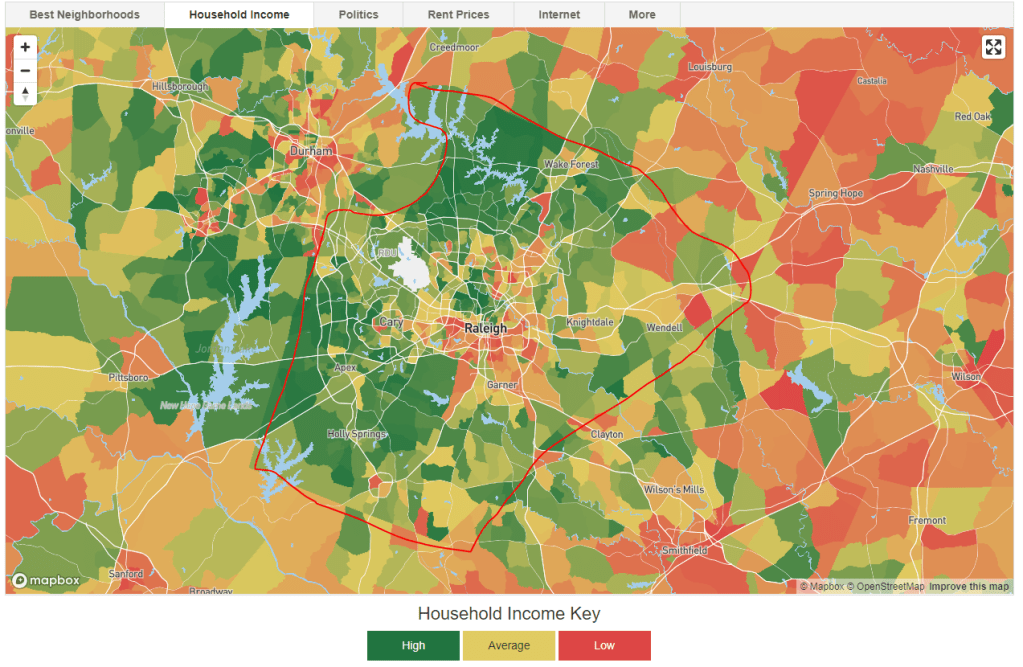
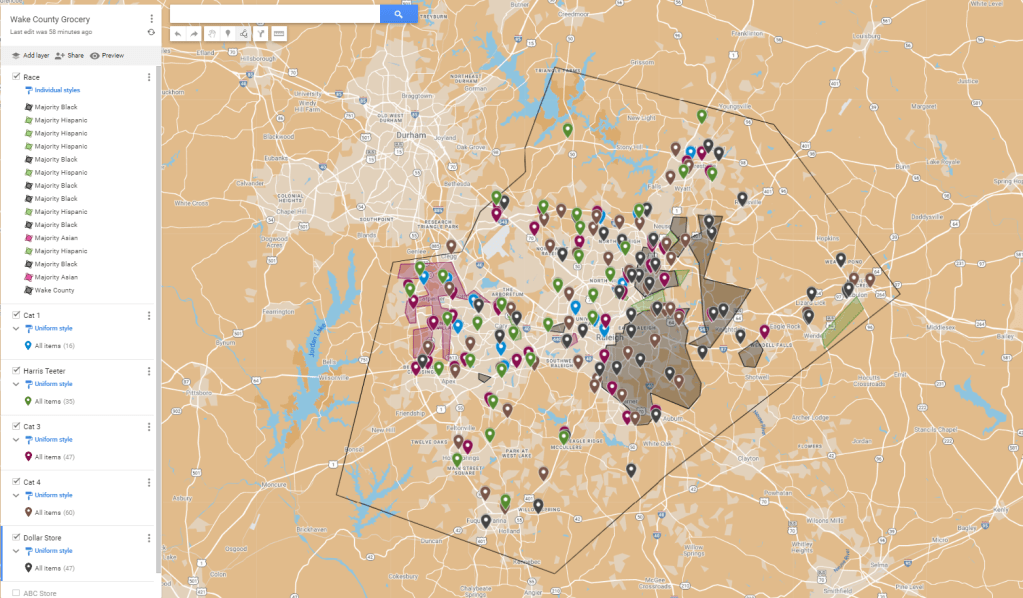
I’ve broken the area grocery stores into four categories and also added dollar stores and ABC stores for comparison sake. Wake County’s entire boundary was used to capture a wider range of residents.
In short, areas South and East of Downtown Raleigh see the higher rates of Black and Hispanic Populations while also seeing lower household income values. Portions of West Cary and Morrisville also are home to a large influent Indian population.
Also of note is that Eastern Wake County has seen much lower rates of density and development until recently when compared to the rest of the county due to proximity to RTP and the rest of the Triangle.
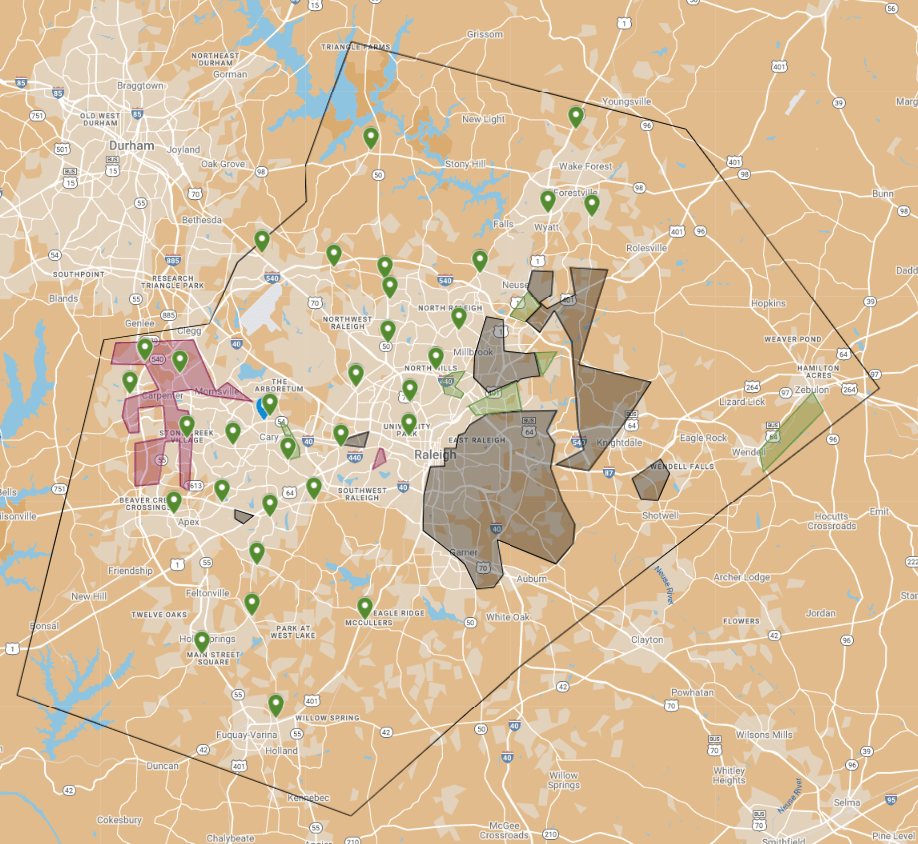
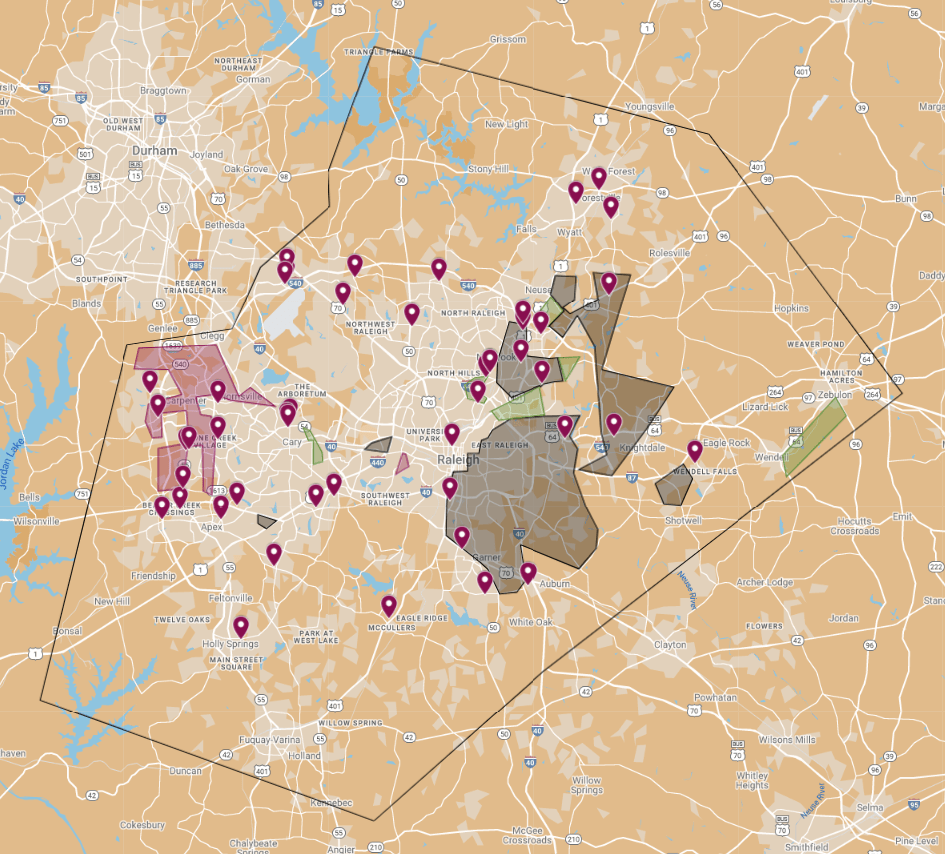
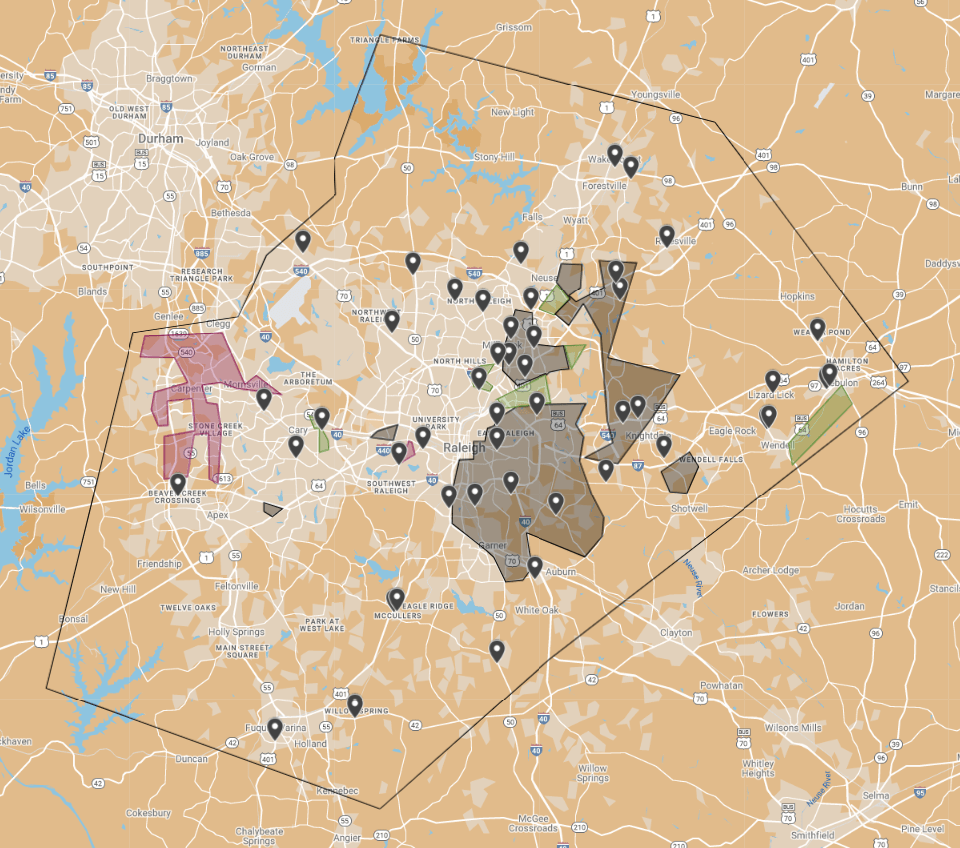
Taking a look by grocery tier paints a familiar picture. Maps created via GoogleMyMaps.
Google My Maps
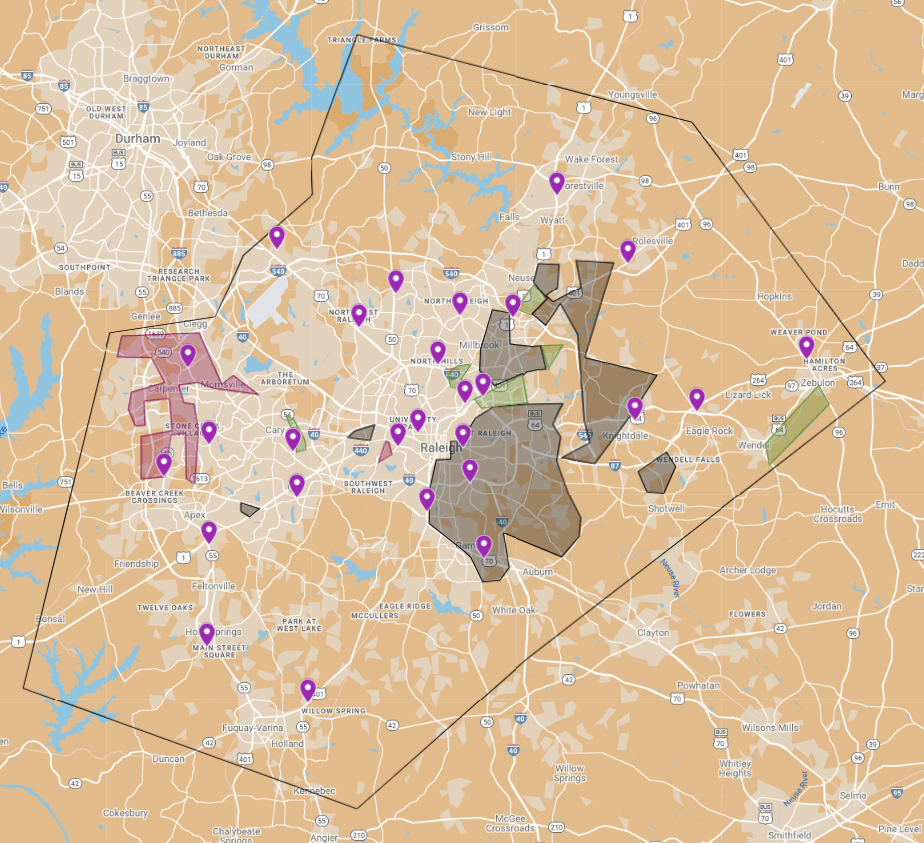
Tier 1
Whole Foods, Trader Joes, Sprouts, Weaver Street Market, The Fresh Market, Wegmans
There are NO Tier 1 or Harris Teeter’s in the Eastern end of the County. Out of 16 Tier 1 grocery stores and 35 Harris Teeter’s there is not even one who has taken the chance on Eastern Wake. While it’s understandable that these stores have their metrics and demographical analysis they go by this is inexcusable. While not as affluent as the rest of the County there are pockets of decent density and loads of middle income neighborhoods on this end of the County. Harris Teeter in particular sticks out as a flagrant example. They claim to be the Triangle’s grocer of choice but are leaving a whole half of the market out to dry.
GoogleMyMaps
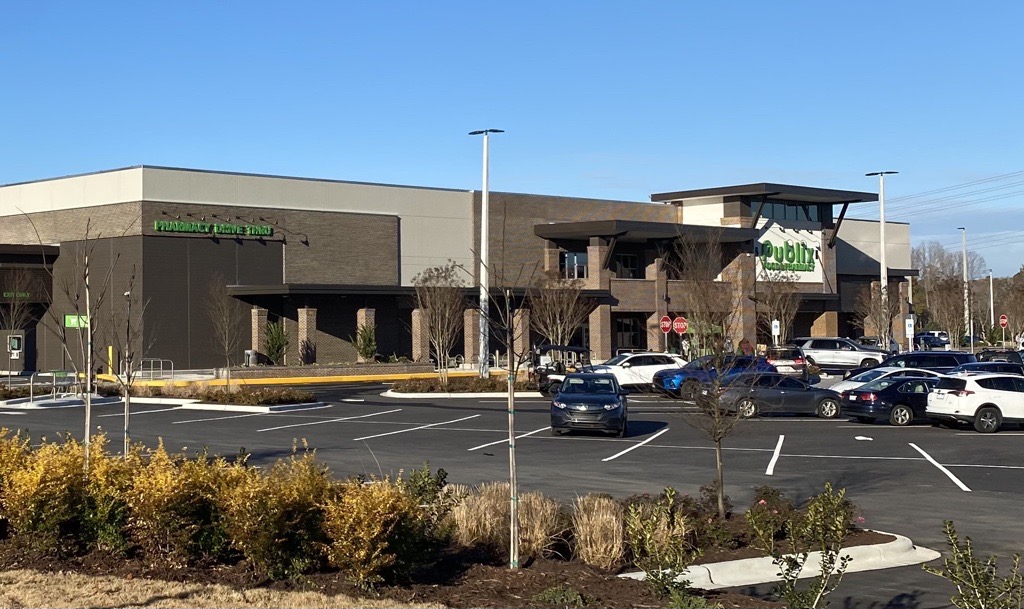
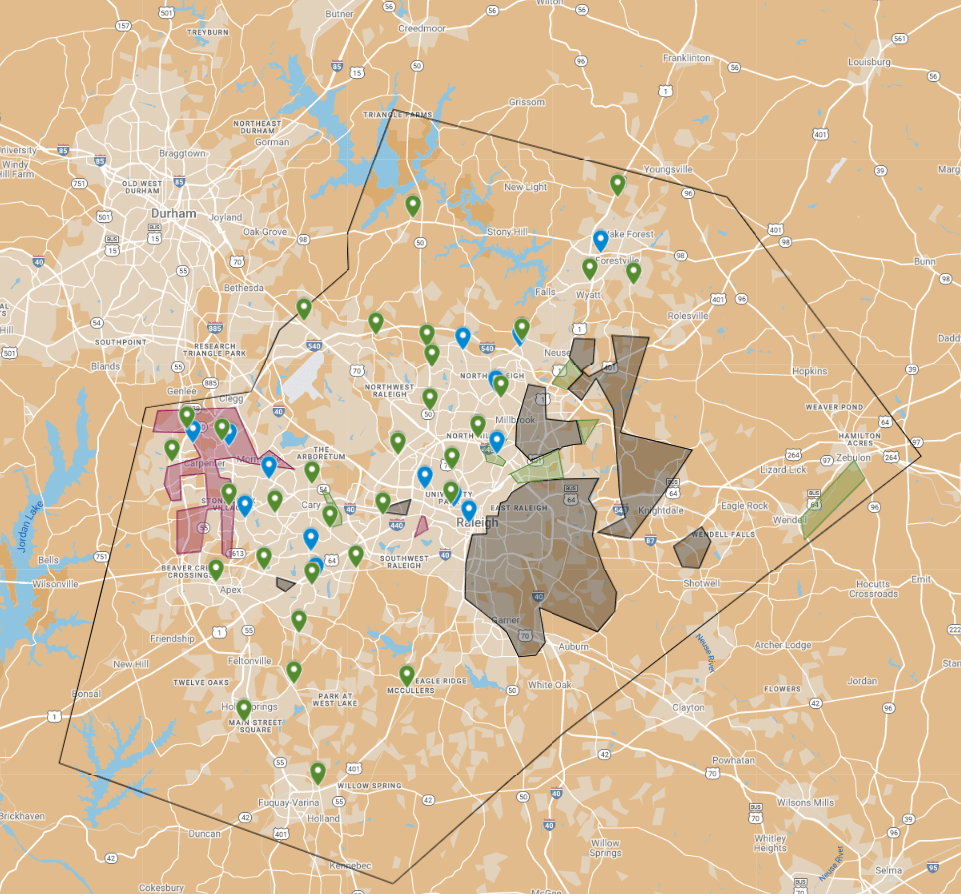
Publix has come into the market and instantly spread pretty equitably throughout the County. They also have a few more stores planned for NE Raleigh and Garner which are places Harris Teeter has ignored.
GoogleMyMaps
Tier 3 stores see the most equitable spread.
Food Lions are everywhere in NE Raleigh and Eastern Wake County.
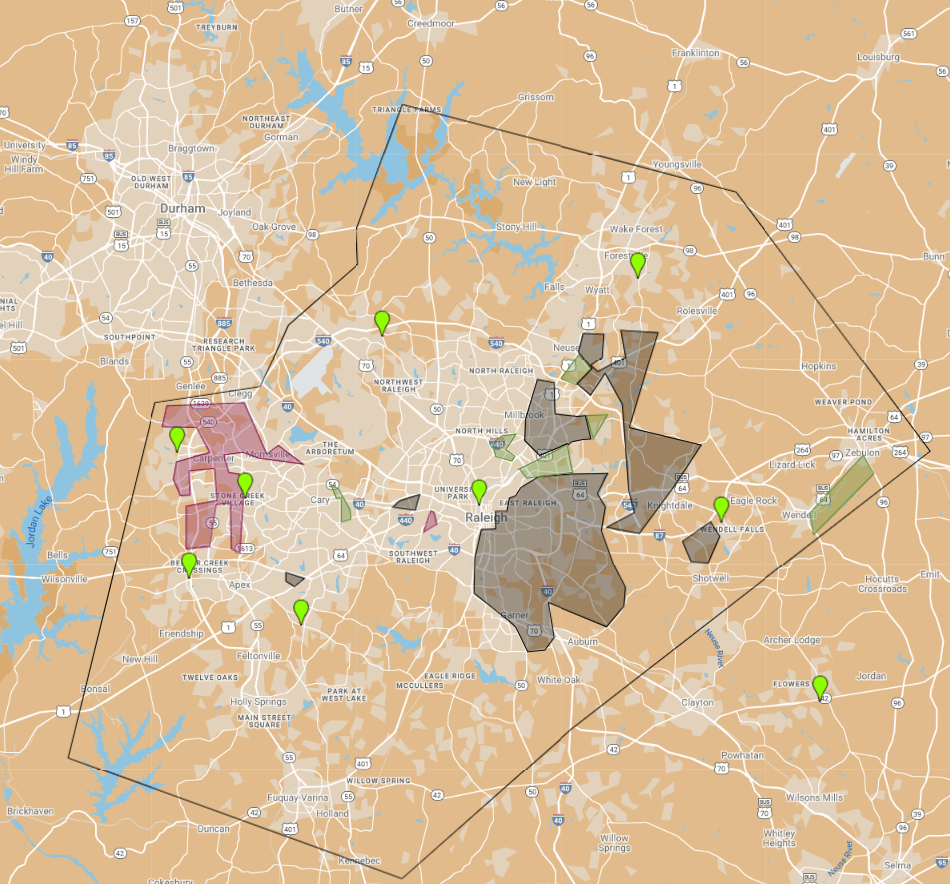
Dollar stores are basically an opposite image of Tier 1s and Harris Teeters.
Phil Veasley is a registered Professional Engineer in NC and GA. Opinions and insights are my own and are not representative of my employer or any organization. Any ideas displayed on this site are purely that – just ideas to help improve the future of the built environment and begin discussions.
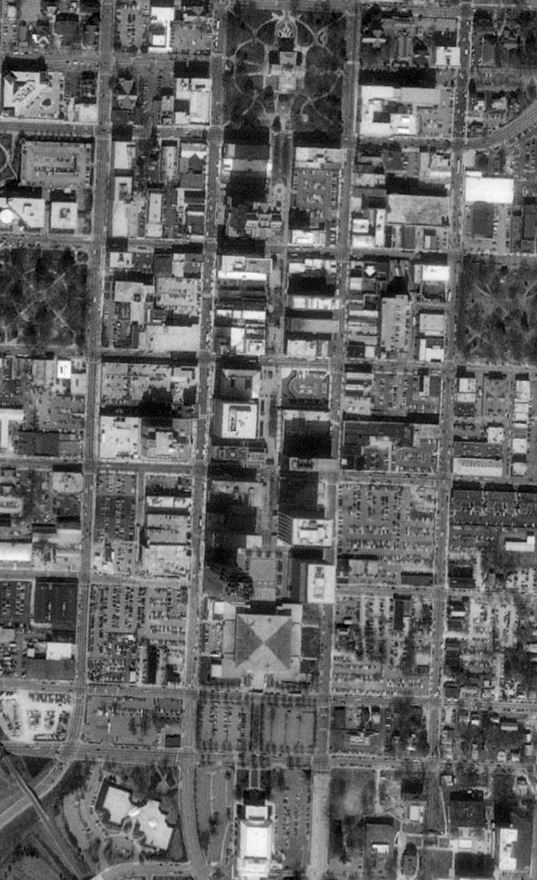
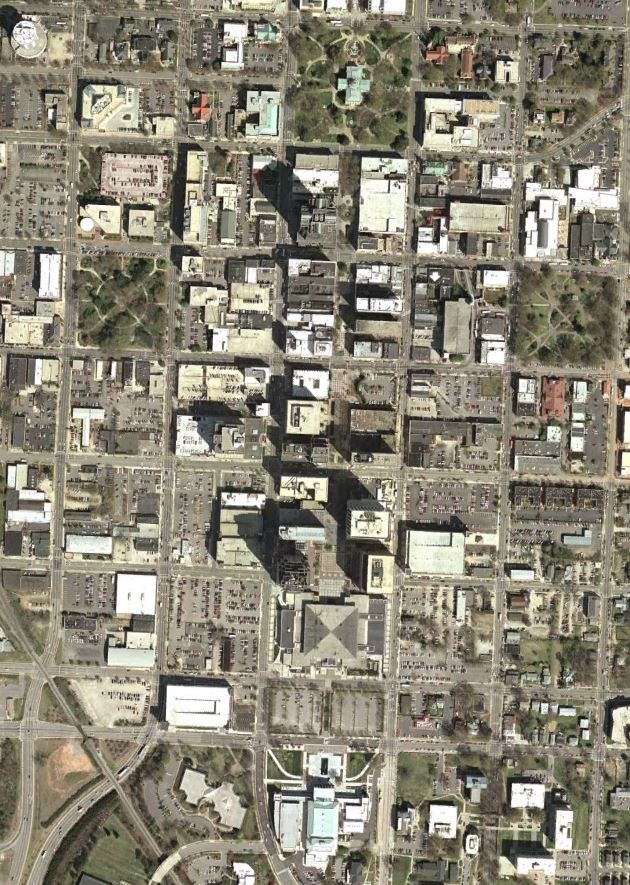
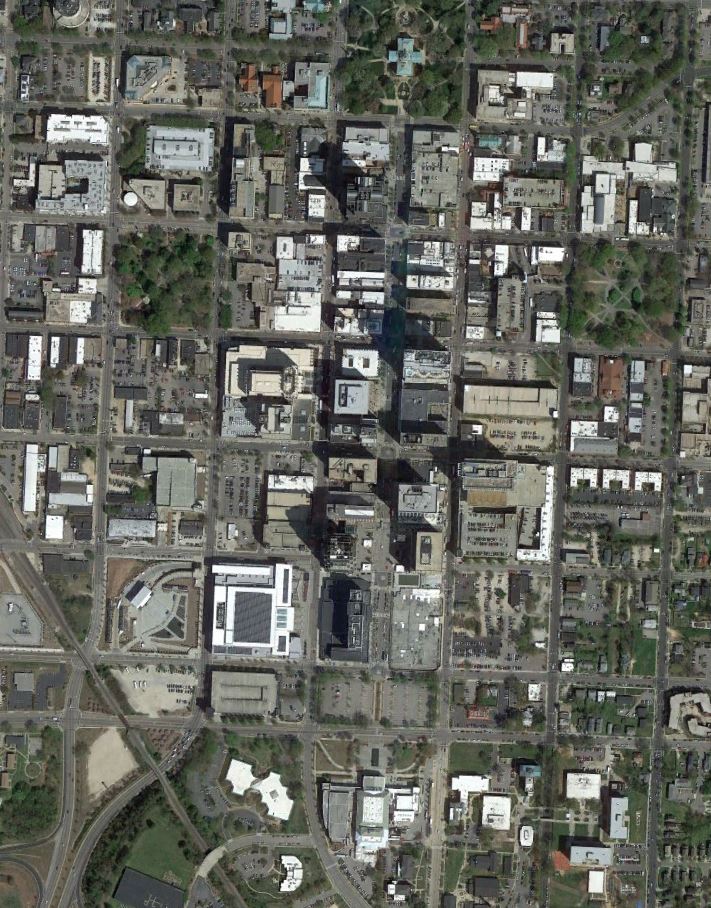
After taking a look at how the City of Atlanta has grown in the first installment of the visualization series, we turn our attention to the City of Oaks. As the City of Raleigh continues to grow, let’s take a look back through the past 30 years via Google Earth to see just how far the City has come. Images are via GoogleEarth and are 1993, 2002, 2014, and 2023 captures.
Fayetteville Street Corridor
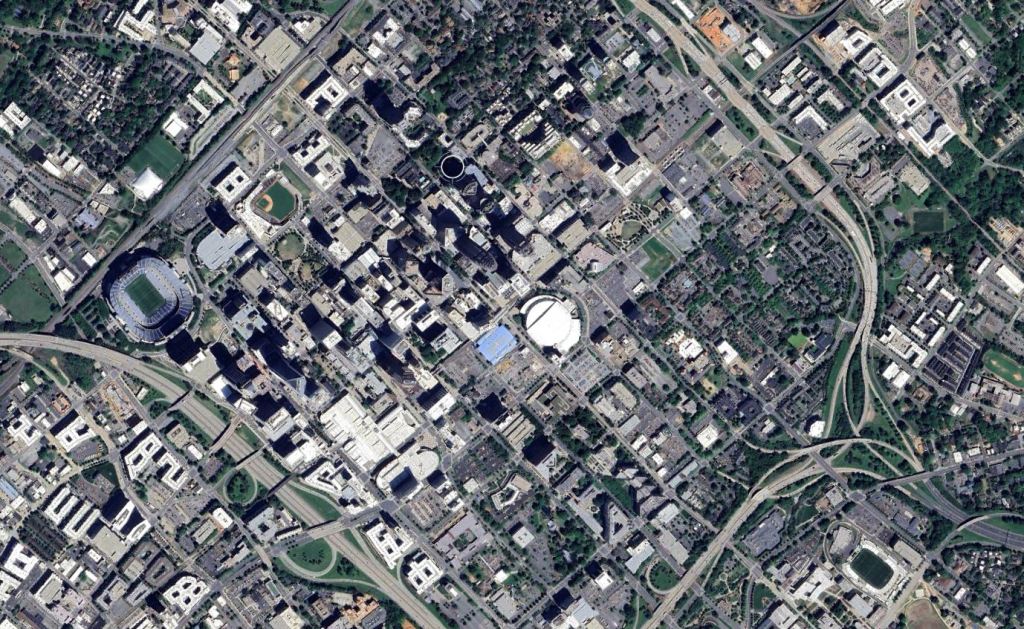
Fayetteville Street has seen several additions (and subtractions) through the years. The old Civic Center and pedestrian mall made way for City Plaza. The City’s tallest building in PNC Tower was also constructed in the late 2000’s. Through all these changes, it’s still been mostly a struggle to bring sustained activity to Raleigh’s signature street. Hopefully as the number of residents in Downtown continues to surge, things will come along. It also may be time to try pedestrianizing the street again as we know a lot more than we did back then.
Glenwood South
Glenwood South and the surrounding blocks have seen the most visible signs of growth in Downtown over the past few decades. Raleigh’s party district sees blocks of bars and restaurants while several large scale new developments have bookend the district with Smoky Hollow and Bloc 83. There are several other towers planned but the market may have those on hold for a while. Future plans called for a great new park but even that may be up in the air since the rezoning case that may have been helping to fund that was inexplicably denied.
The Warehouse District
Raleigh’s Warehouse District seems to be the new epicenter for residential development. Union Station, Morgan Street Market and The Dillon kicked things off a few years ago with several new towers planned or in progress and a new bus hub with 30 stories of residential on top.
North Hills
Moving a few miles North from Downtown, Kane has transformed an old mall and residential parcels into a booming new Midtown. Things continue to spread East as seen in the latest aerials and were trending toward taller development but a contentious rezoning application was recently withdrawn. Maybe one day we can actually see some infrastructure improvements through the area. I’ve got some ideas for that.
Triangle Town Center
While very suburban in nature, the Triangle Town Center area is still within the City limits of Raleigh. This will make a great suburban retrofit case one day.
Next time we’ll explore some of the explosive areas of growth in Charlotte.
Phil Veasley is a registered Professional Engineer in NC and GA. Opinions and insights are my own and are not representative of my employer or any organization. Any ideas displayed on this site are purely that – just ideas to help improve the future of the built environment and begin discussions.
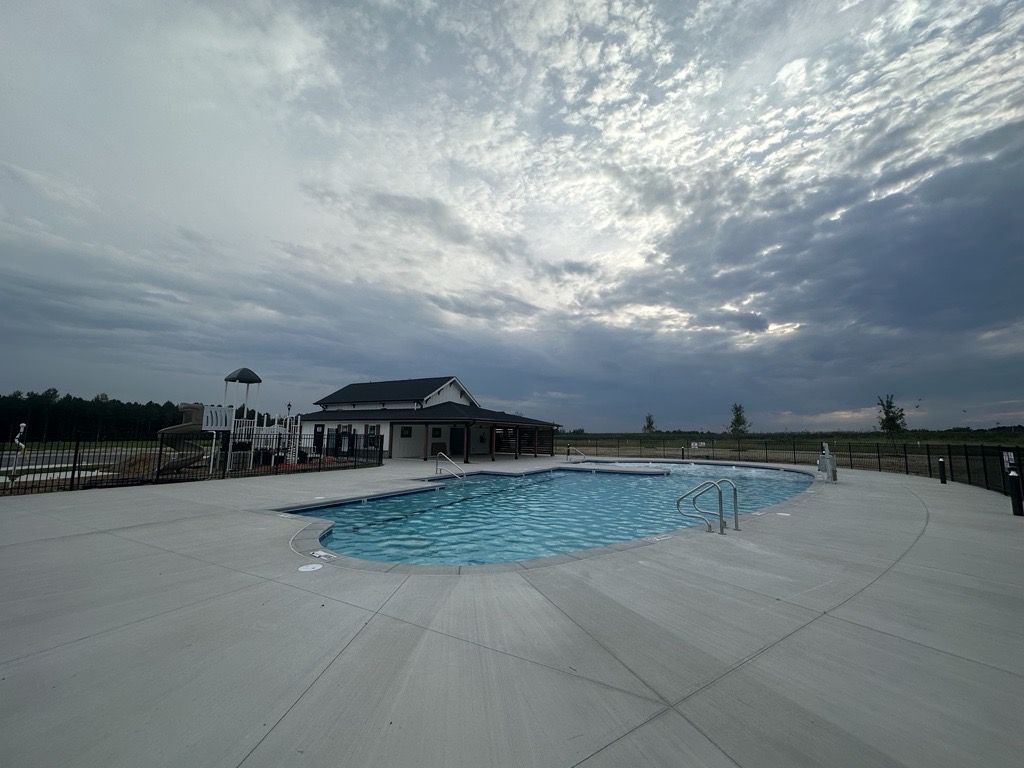
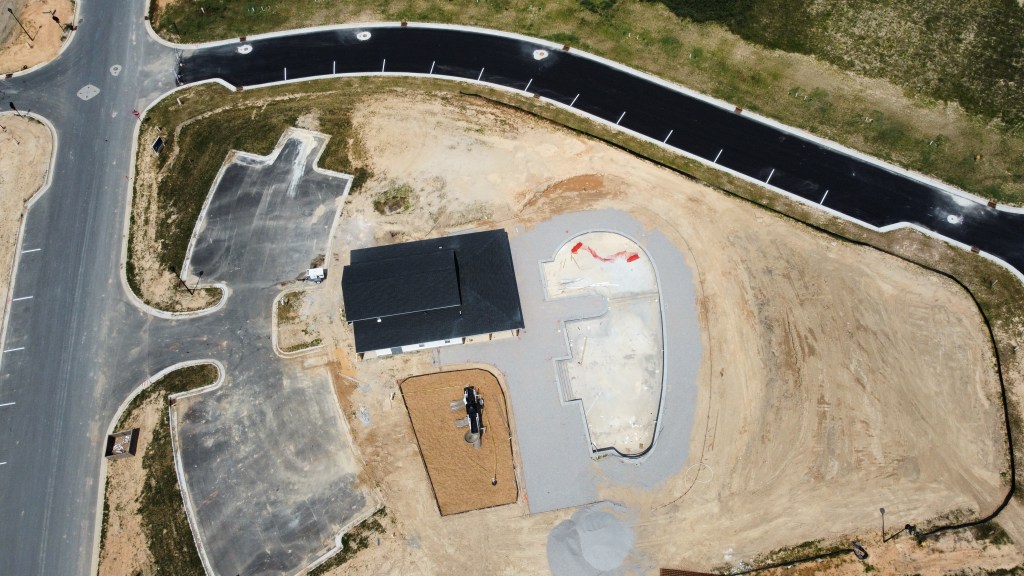
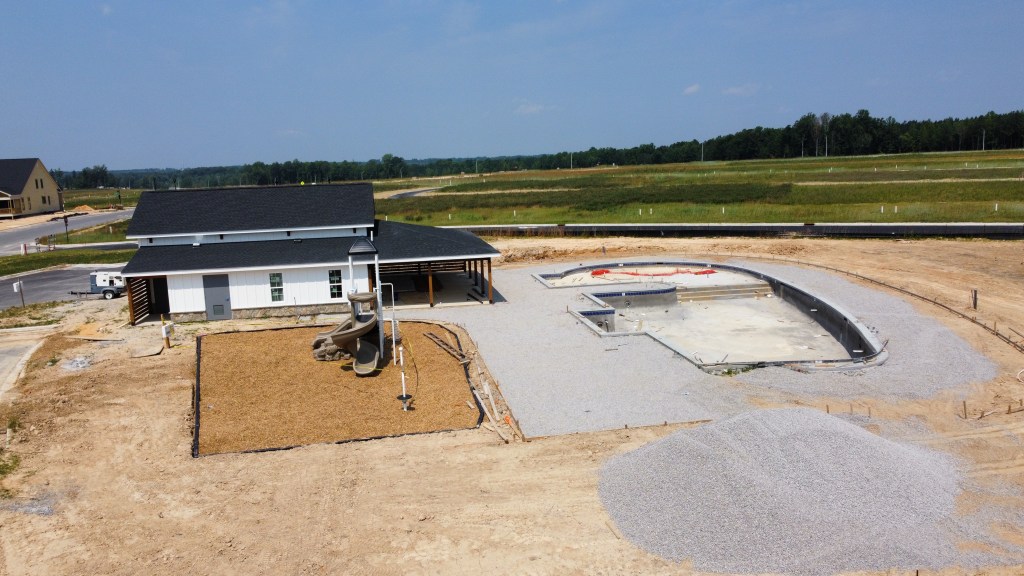
It also appears that the new pool is nearing completion. It is likely waiting for inspections. I don’t know when it will open. It’s important to note that there will be no connection between Phase 9 and 10/11 so travel on Wendell Falls Pkwy will be necessary. It is also not golf cart accessible as golf carts are not allowed on the Wendell Falls Pkwy side path. It is roughly 2 miles from the Farmhouse.
Please like and subscribe to the video format as well.
YouTube
Treelight Square
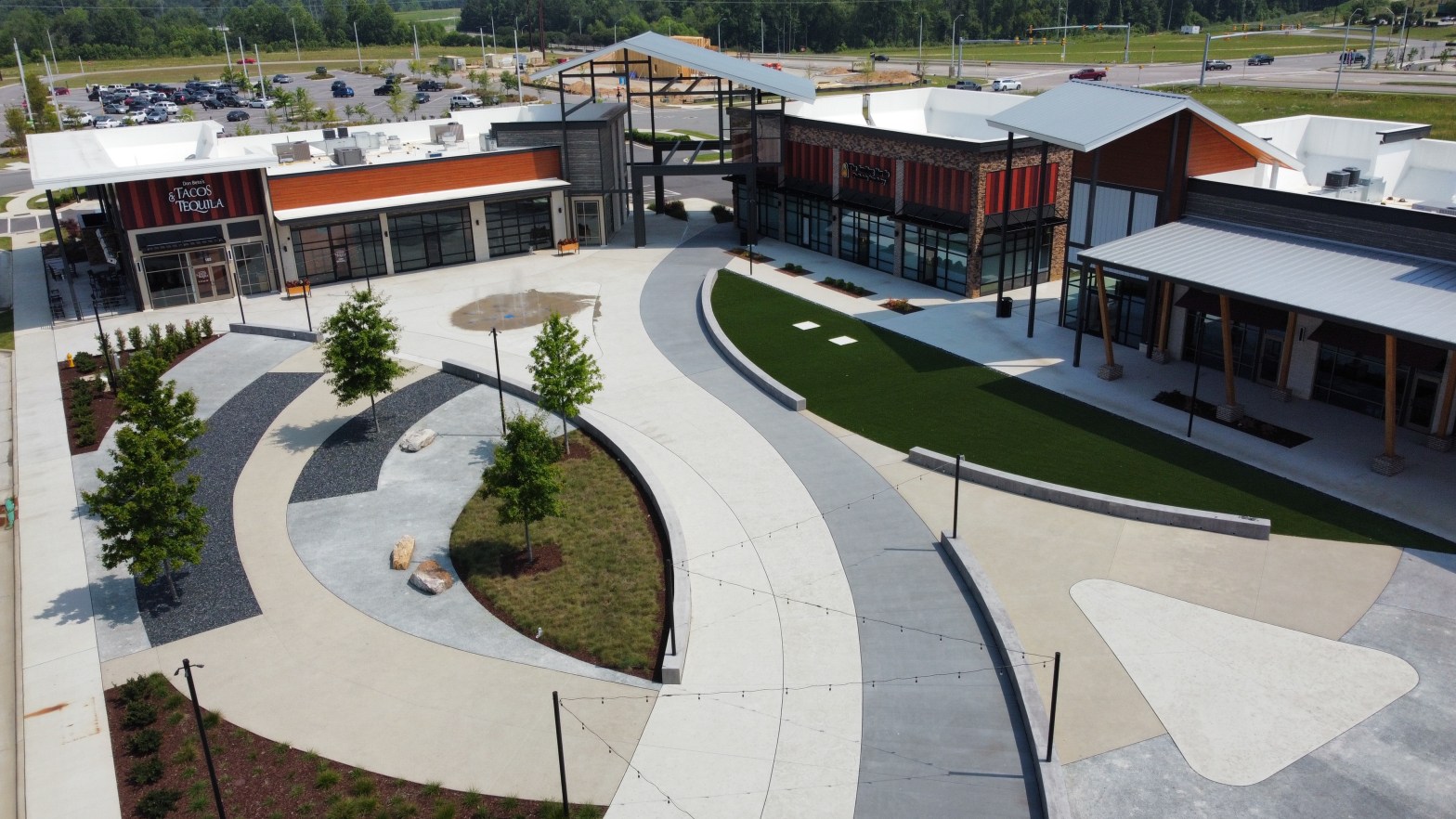
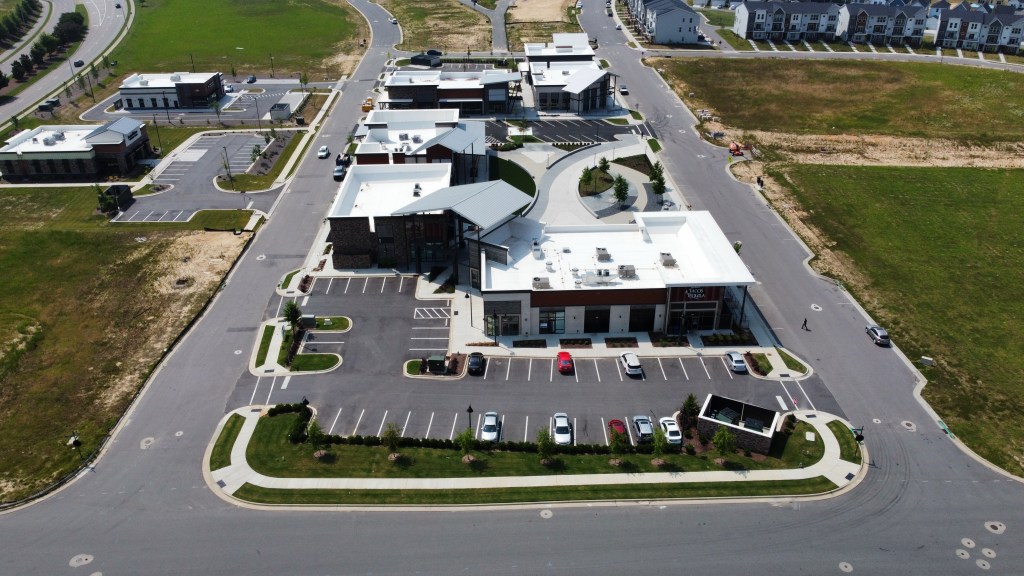
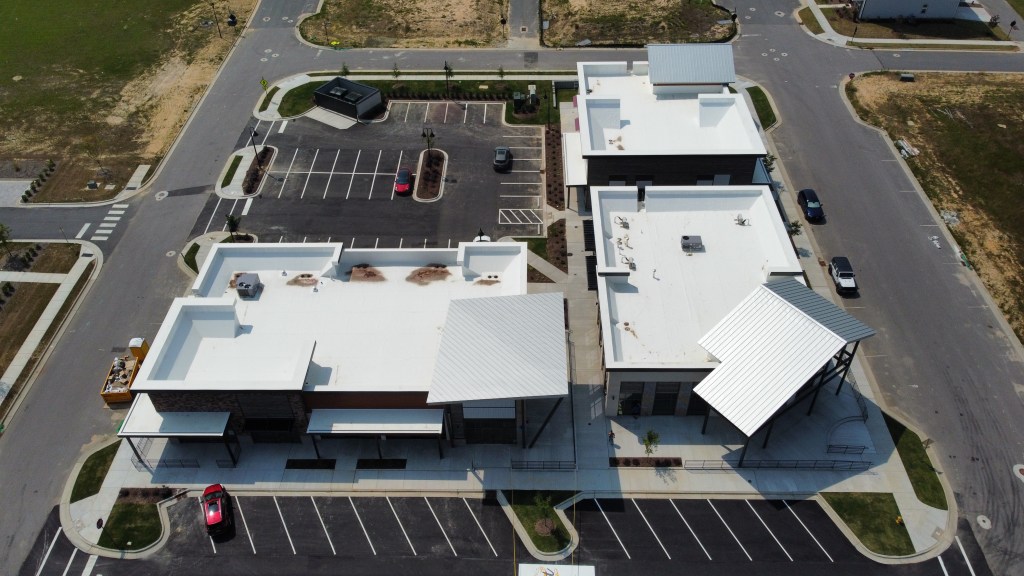
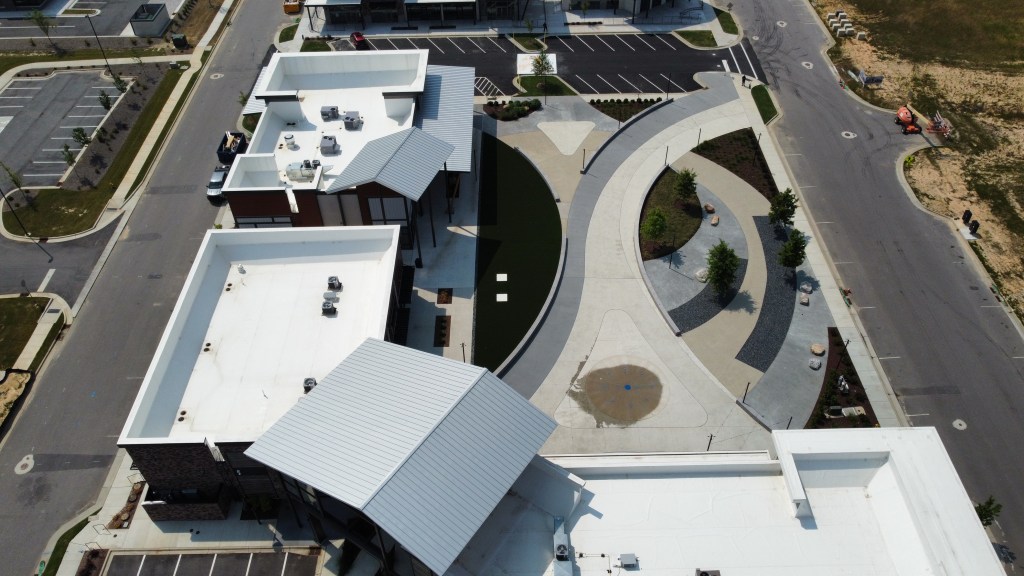
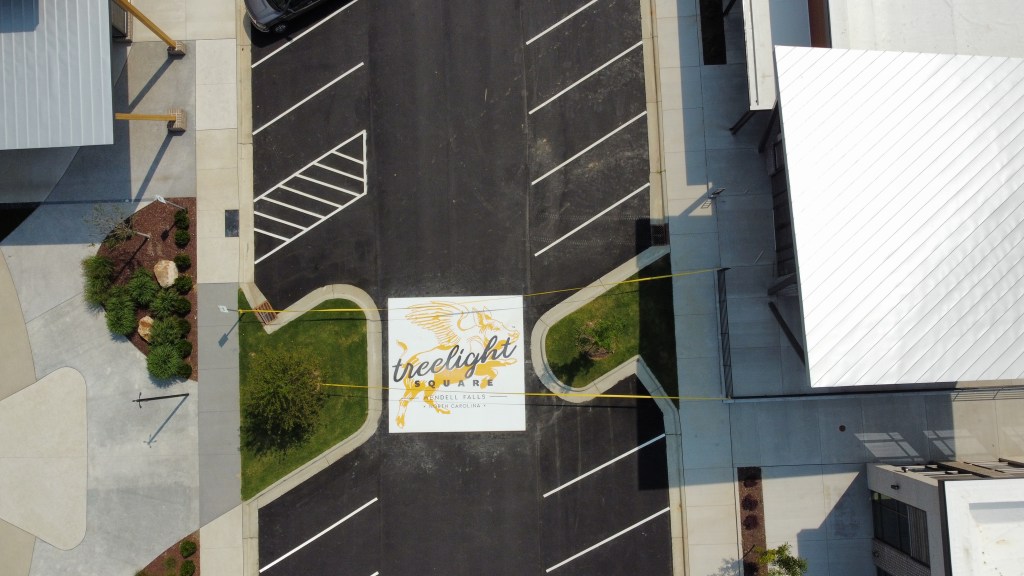
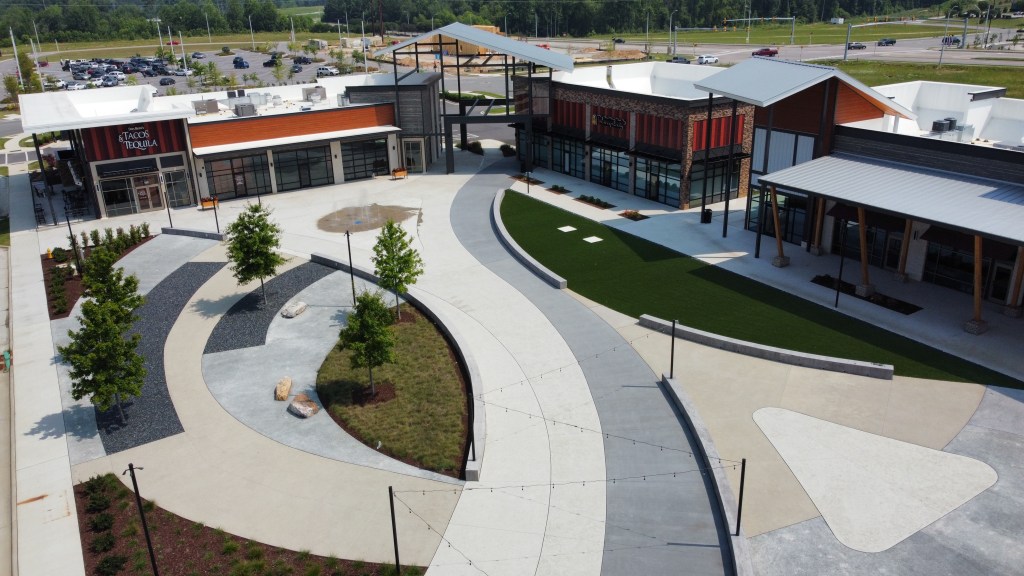
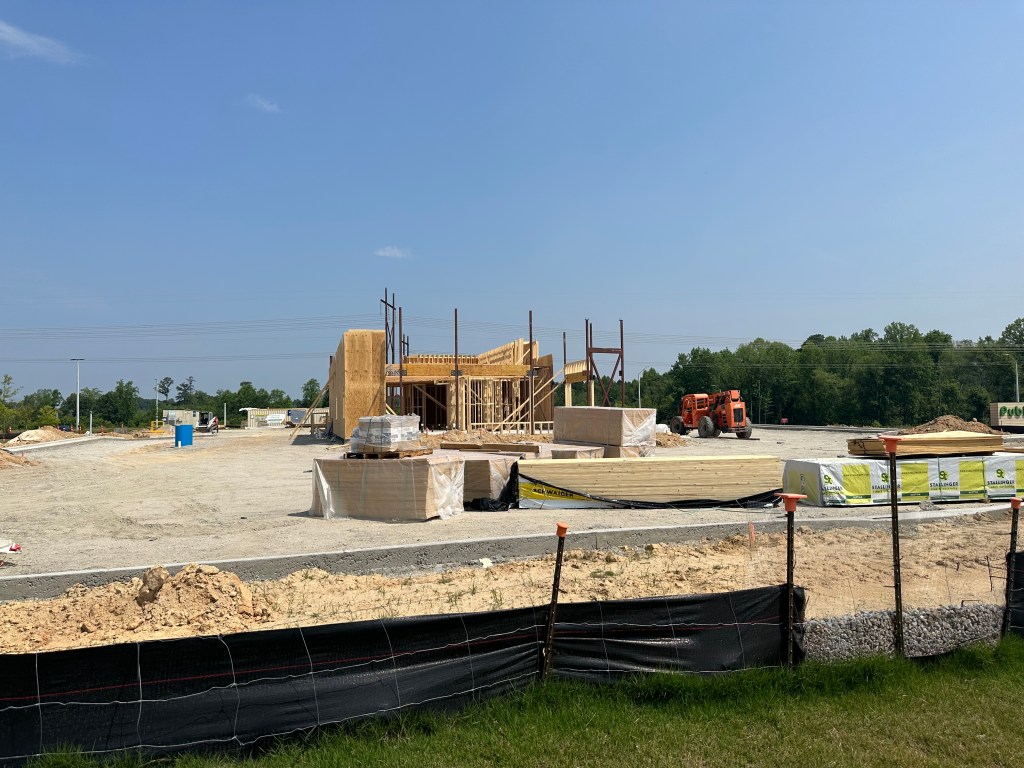
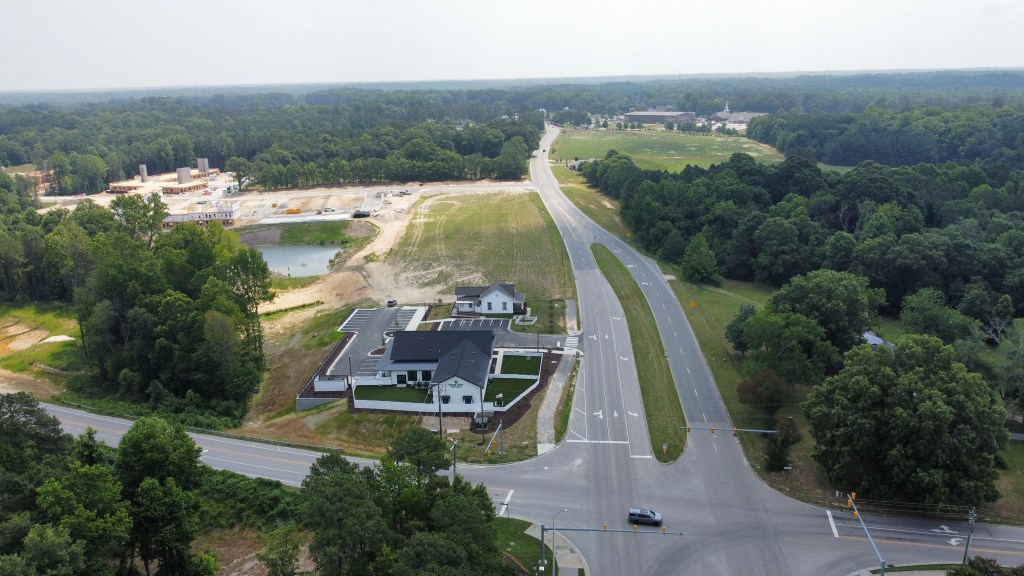
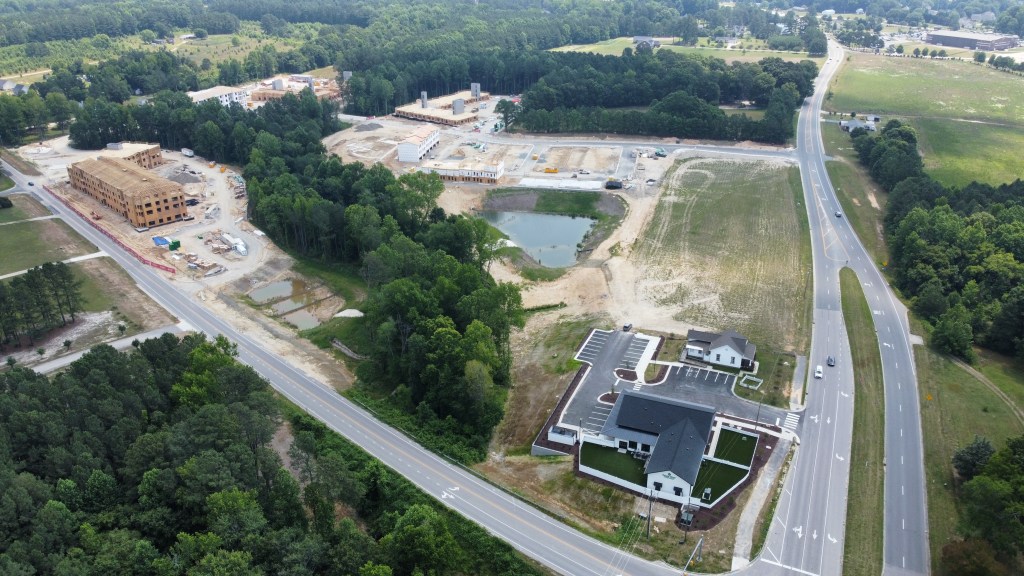
Don Beto’s has opened. Elements Massage opens 6/24. Falls Local, Parkside, and the other tenants are busy working on their interior build outs. Parkside and Falls Local appear to be very close and we may see some opening dates in the next month or so.The splash pad is also now operational and a new Treelight Square street art mural has been added. The developer also mentioned that this middle connector area may sometimes be used for street festivals and vendor fairs.
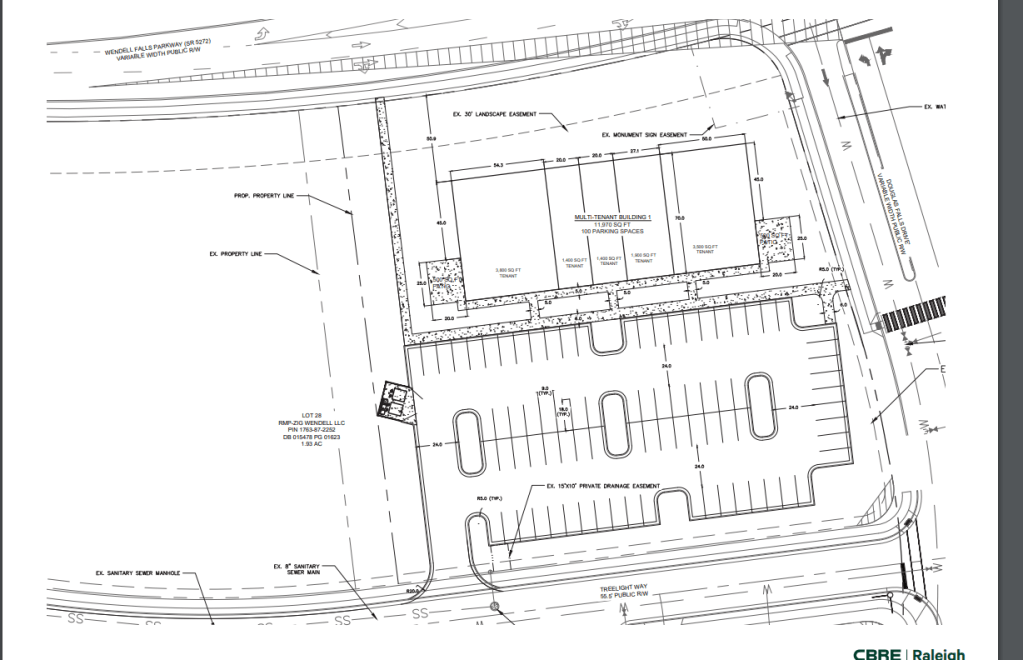
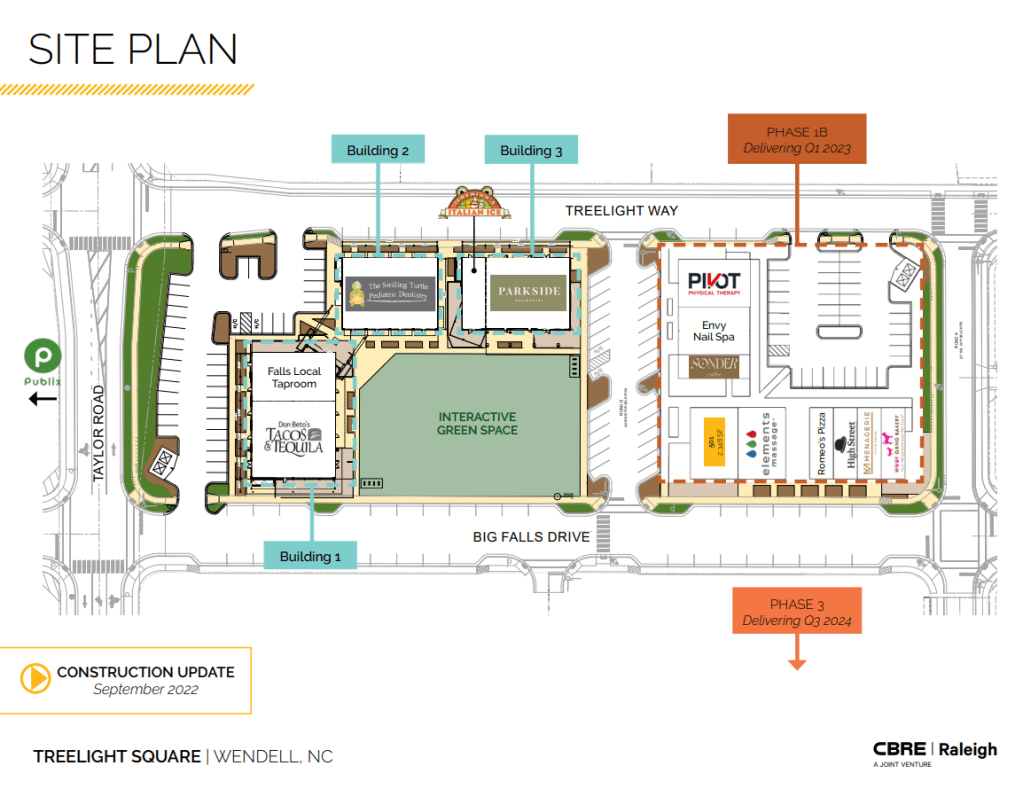
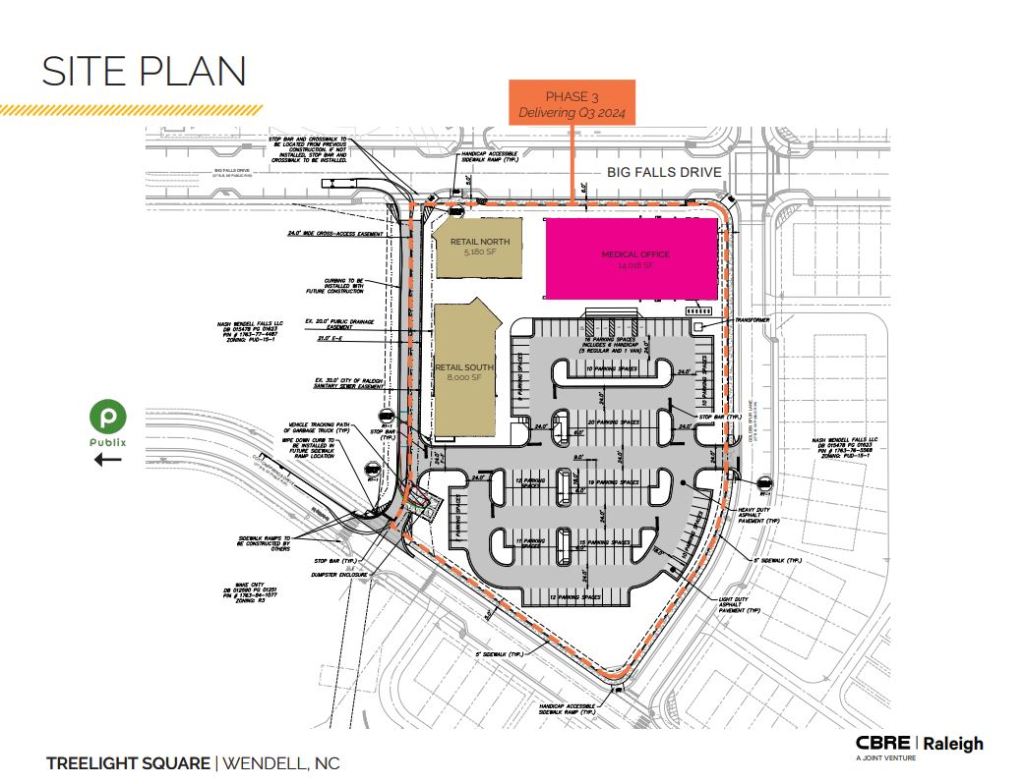
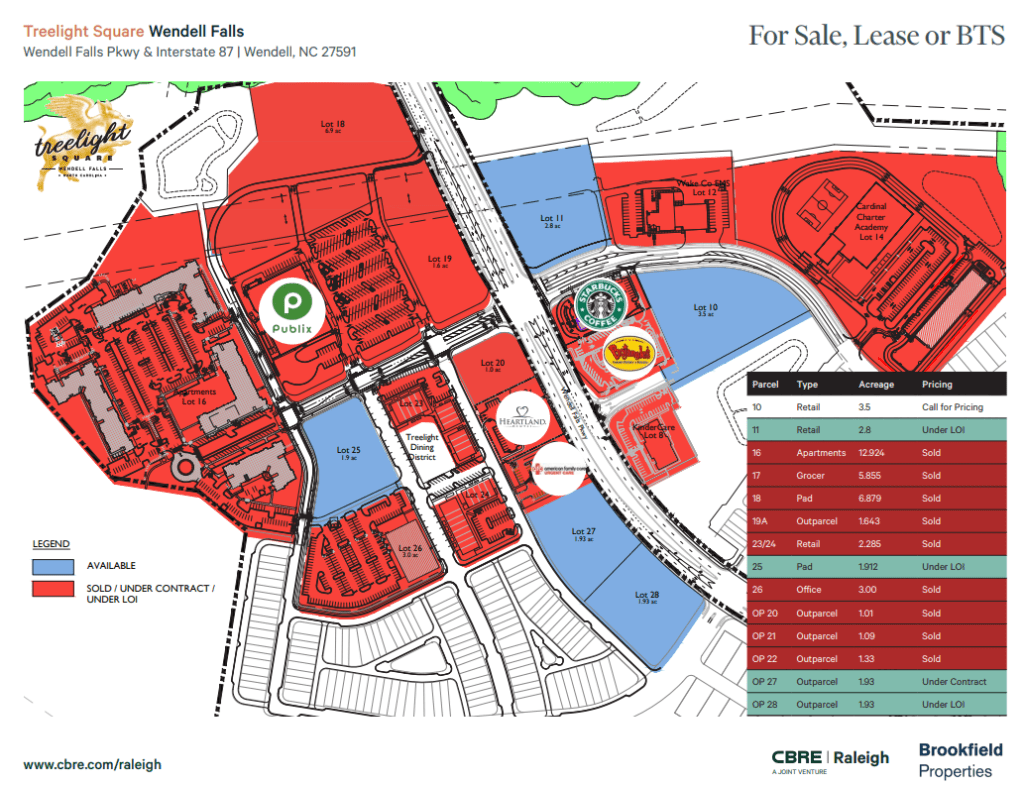
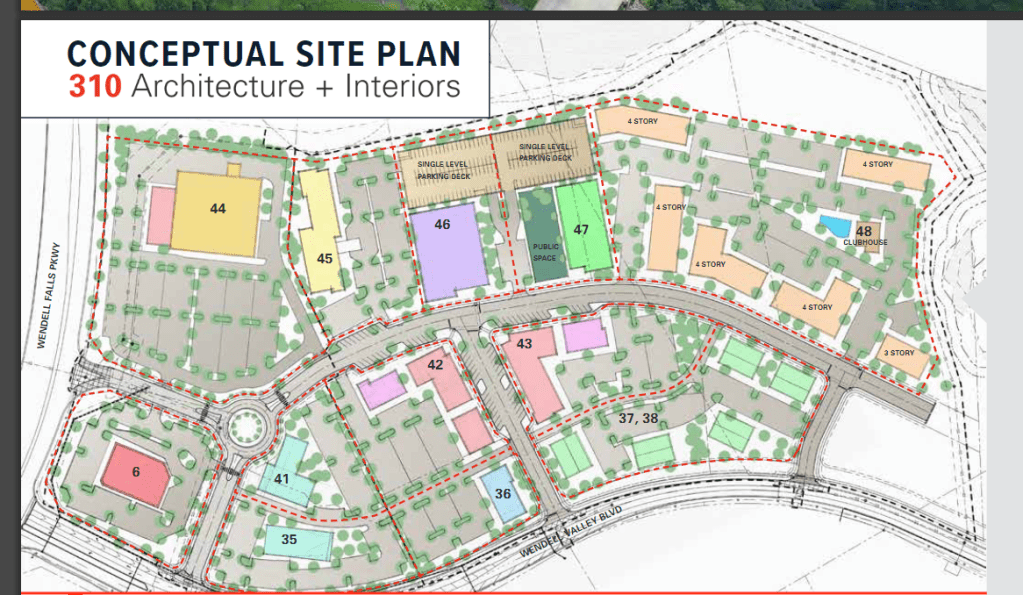
The latest site plan courtesy of CBRE follows. Still just one spot up for grabs in the original two phase section.
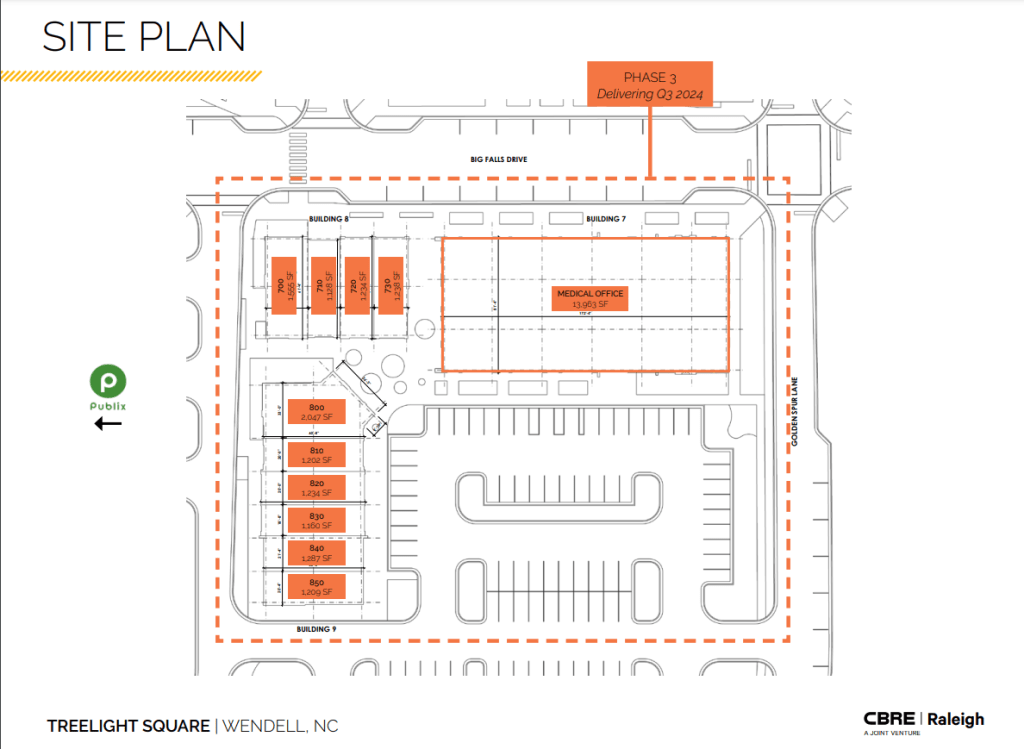
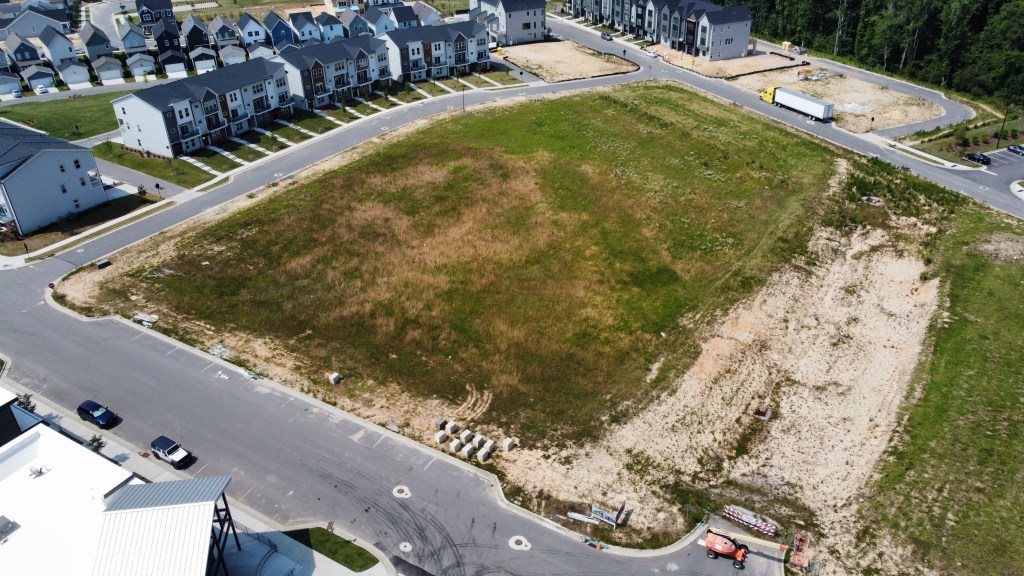
Plans originally called for an office building for the 3rd phase of Treelight Square but that has shifted to more restaurant and retail space along with a medical building per latest marketing material.
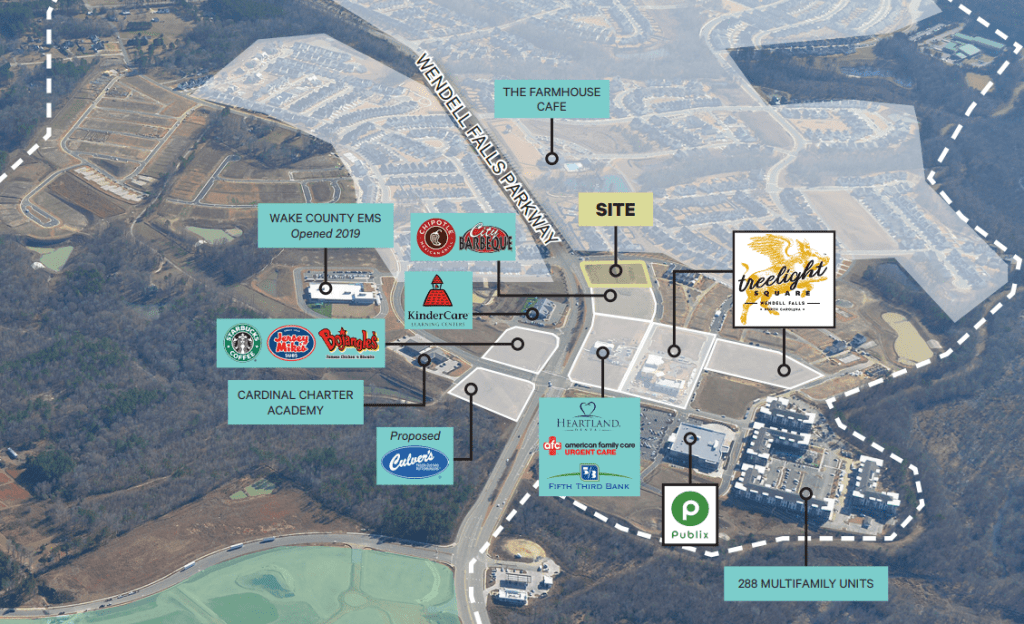
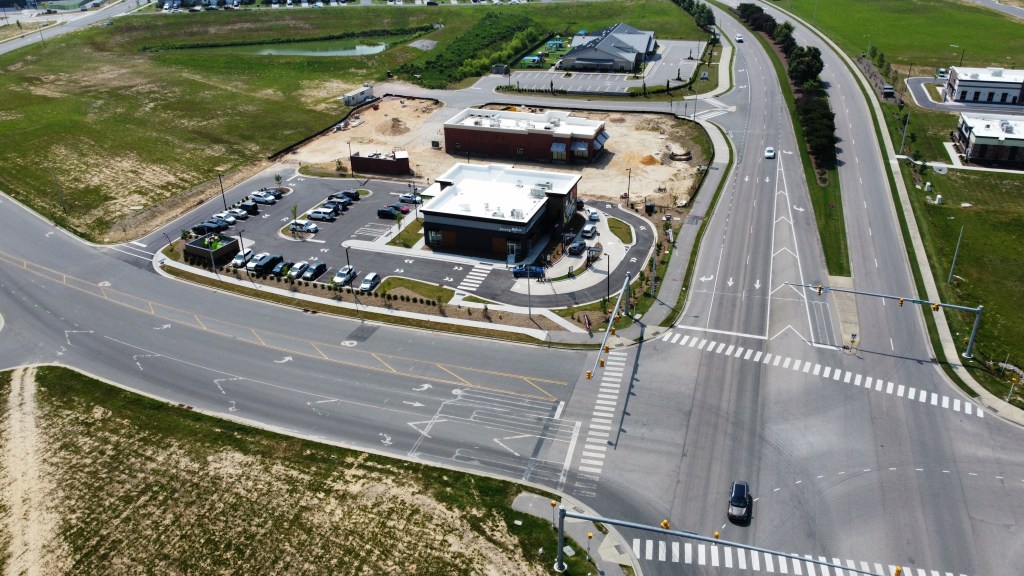
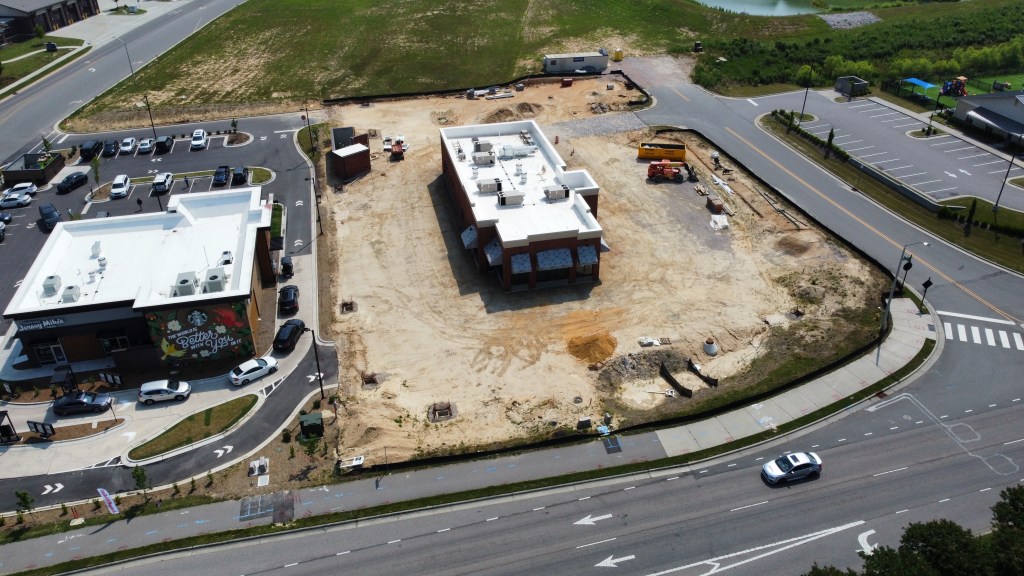
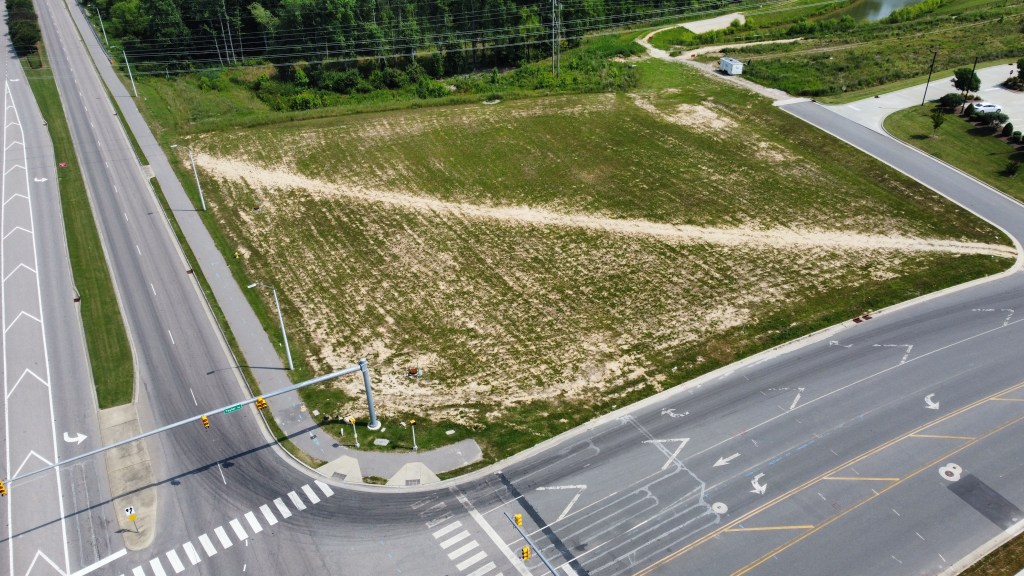
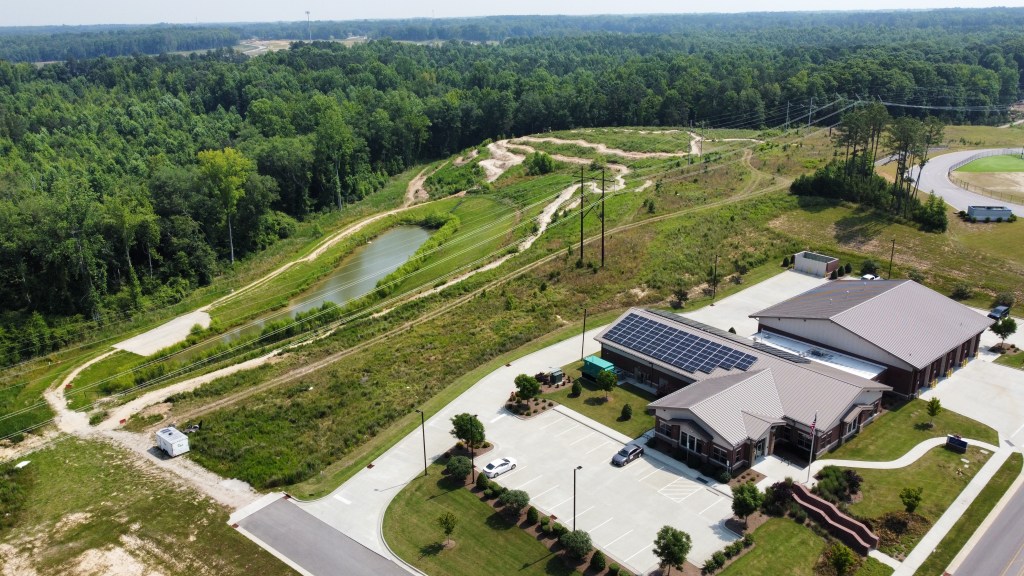
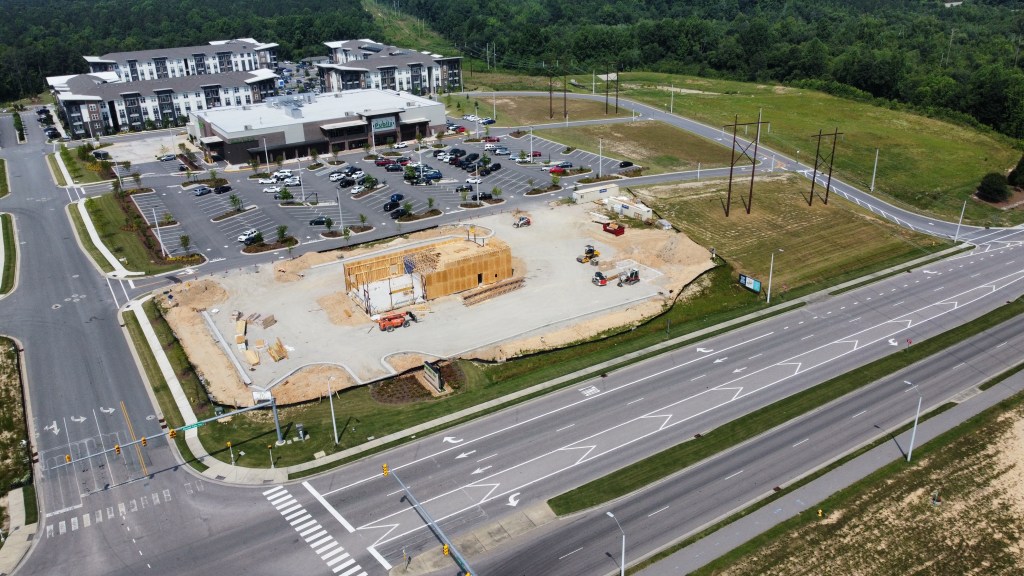
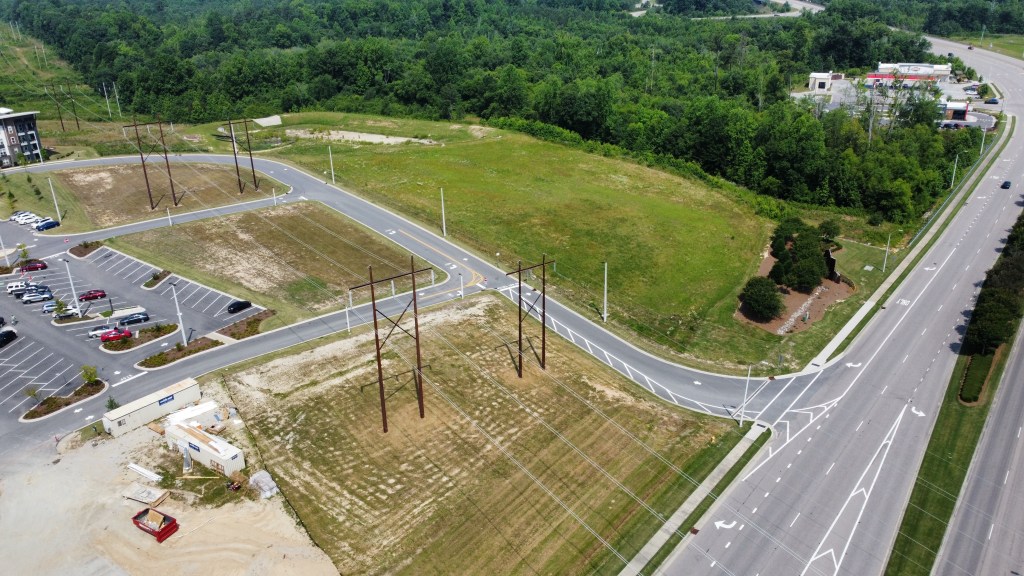
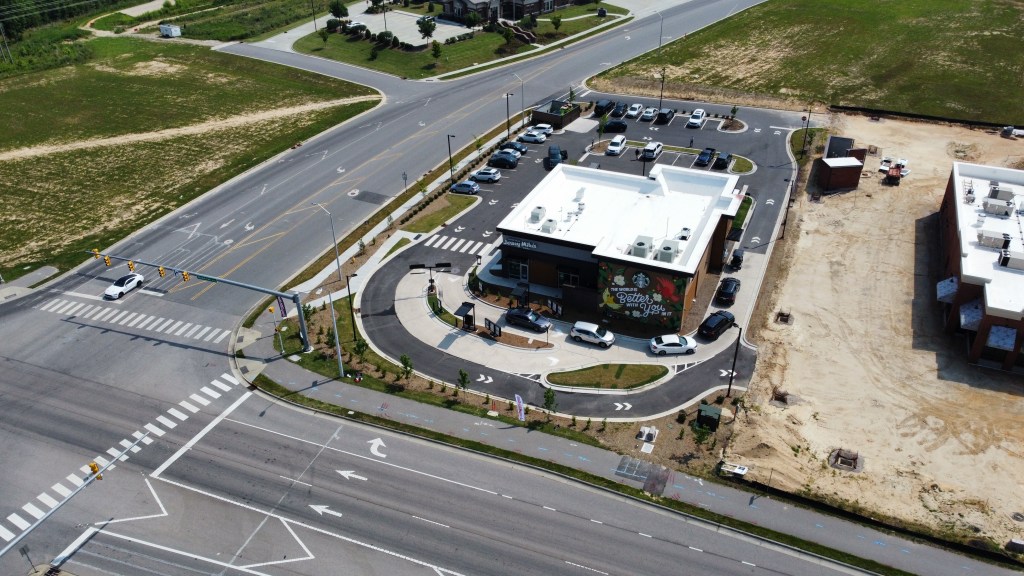
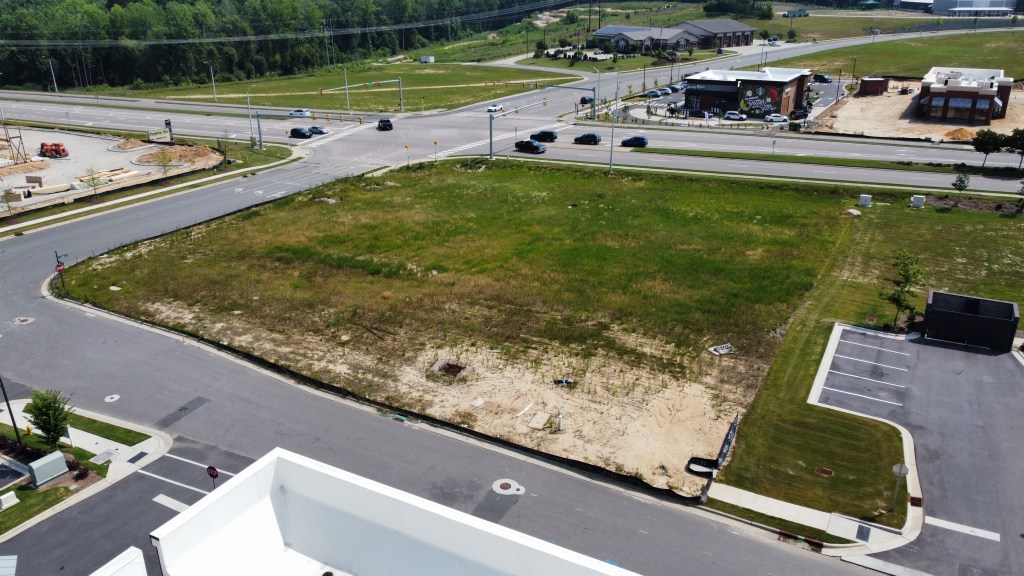
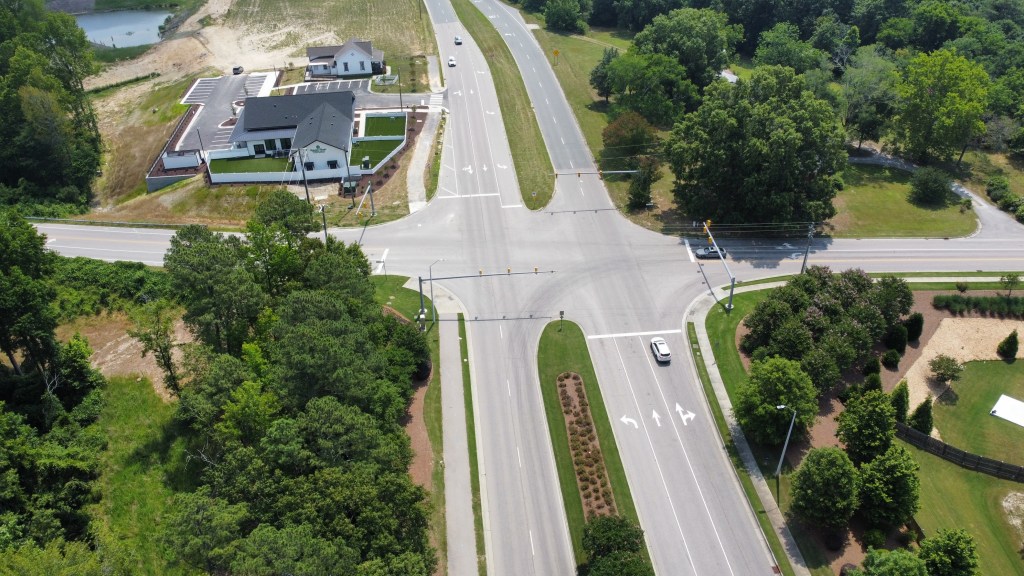
As for the Treelight Square outparcels, all are either Under Contract or under Letter of Intent except for Parcel 10. Parcel 18 will be 55+ age targeted apartments. McDonald’s is well underway on Parcel 19. I’m taking bets that it’ll be complete before Bojangles. Parcel 20 will be Fifth Third Bank. Outside of that, nothing has been rumored or confirmed for parcels 27, 28, and 11. Starbucks and Jersey Mike’s are now open with Wingstop not far behind. There’s also a new trail loop going in behind the fire station. One day, Bojangles will open.
McDonald’sParcel 11Trail expansionMcDonald’sSenior Apartments5/3 Bank
The Collective
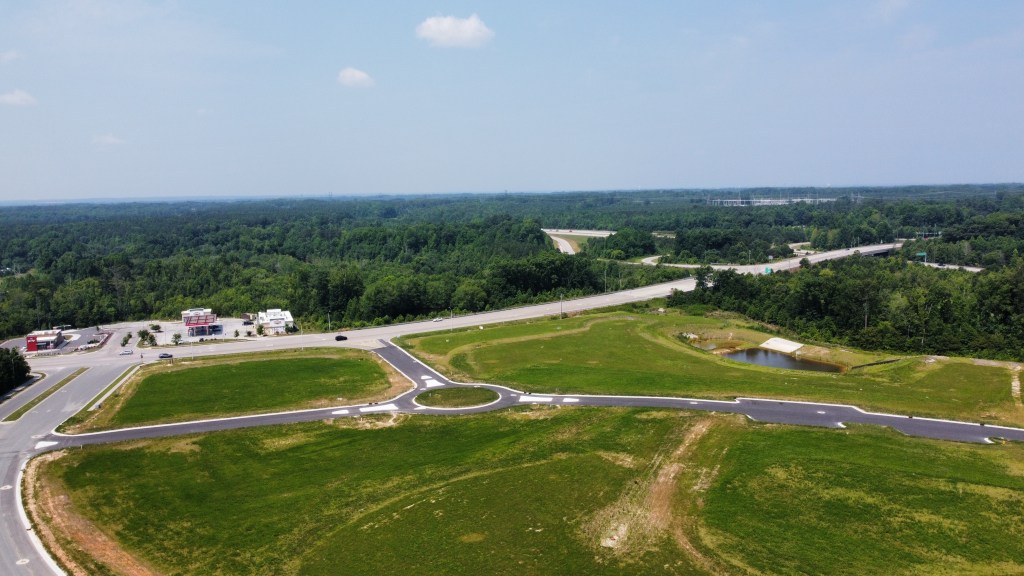
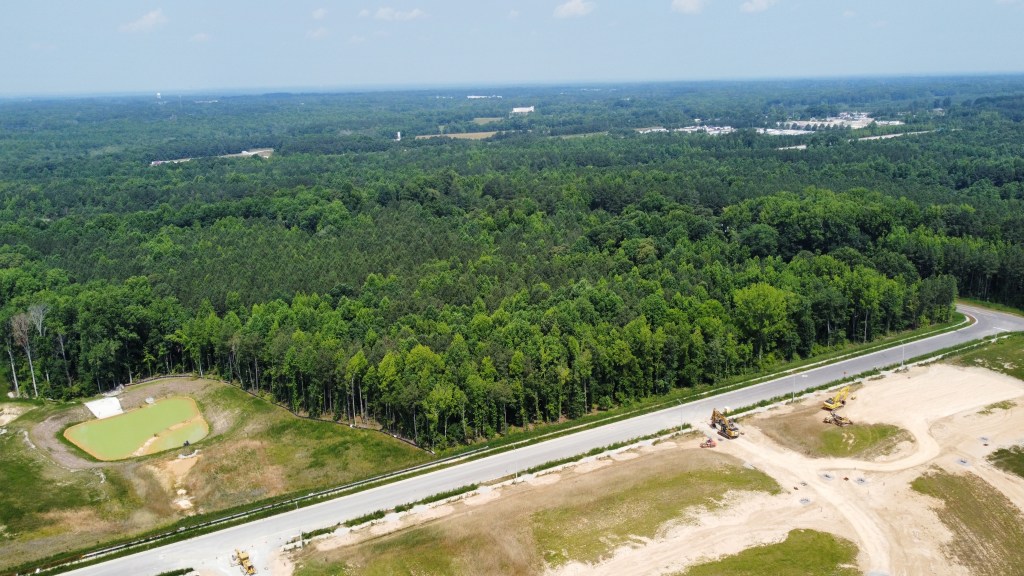
Wendell Valley Blvd has fully opened and lot survey lines have been established. This new road will eventually provide seamless and direct access to Rolesville Road and enhance connectivity between Wendell Falls and the Wake Tech / Wendell Commerce area. As of now, there’s no timeline available for the two sides to actually connect due to no funding for the railroad crossing.
Collective LifestyleWake MedWake Med future phaseWake MedCollective Lifestyle
JLL had put out new marketing material that paints a picture of what may be to come for the Collective Lifestyle District. Plans could include another grocery store, pharmacy, movies, hotel, apartments, retail, restaurants and office. Be sure to check out the fly-through video on Youtube. Shortly after the listing went live though, it seemingly disappeared. When I reached out to the developer they were unaware of any sales of the property.
Given market conditions, it may be years before we actually see much of anything actually happen to this land.
JLLJLL
There’s also some plots of land that are not affiliated with Wendell Falls for sale adjacent to the Collective but are priced way above market value and have seen no movement since being listed nearly a year ago at this point.
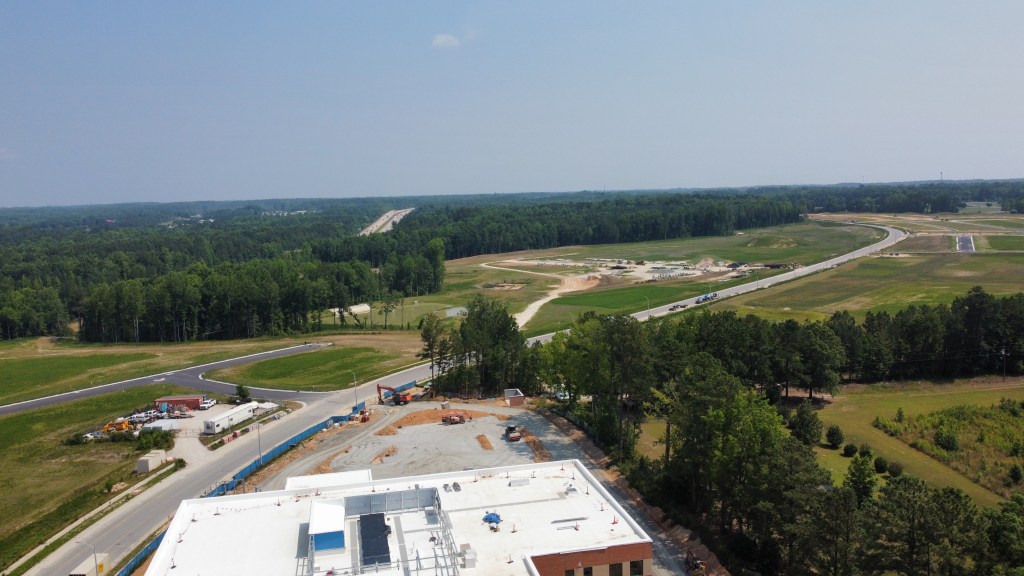
Wake Med however is quickly advancing toward completion. The 12 bed Emergency Room only hospital will be the first phase of a two building complex.
Behind there will be the Collective Office District where grading was complete and is now being used as a construction staging area. I would be shocked if this ever actually develops into the envisioned mega corporate campus. Given the office market, my bet would be that this eventually turns into more housing or mixed use sections.
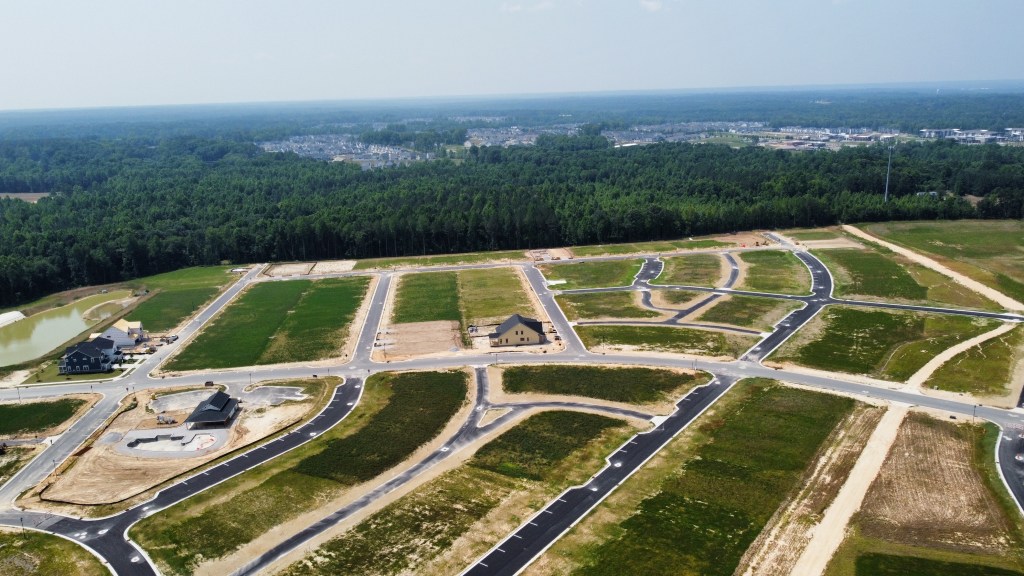
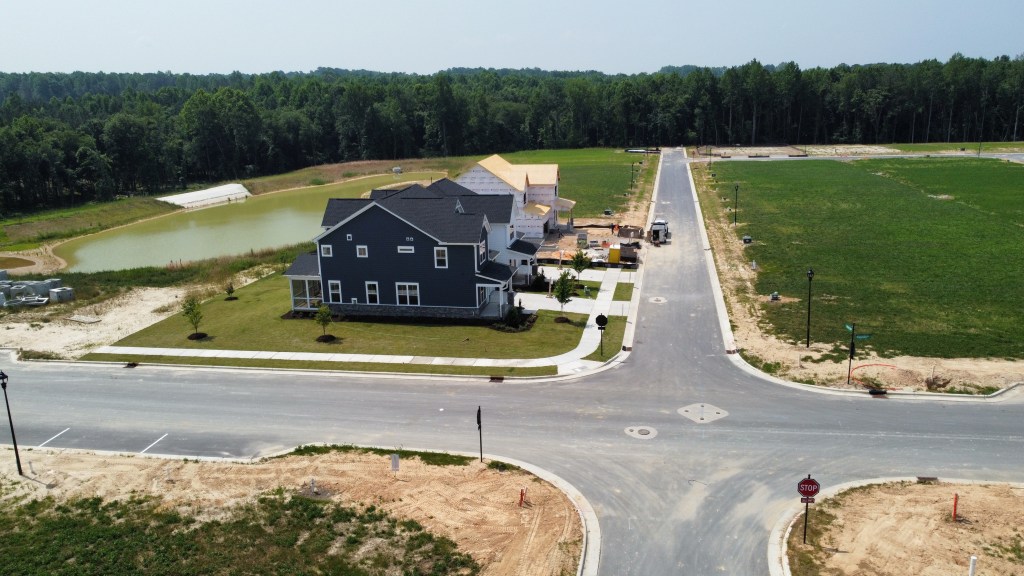
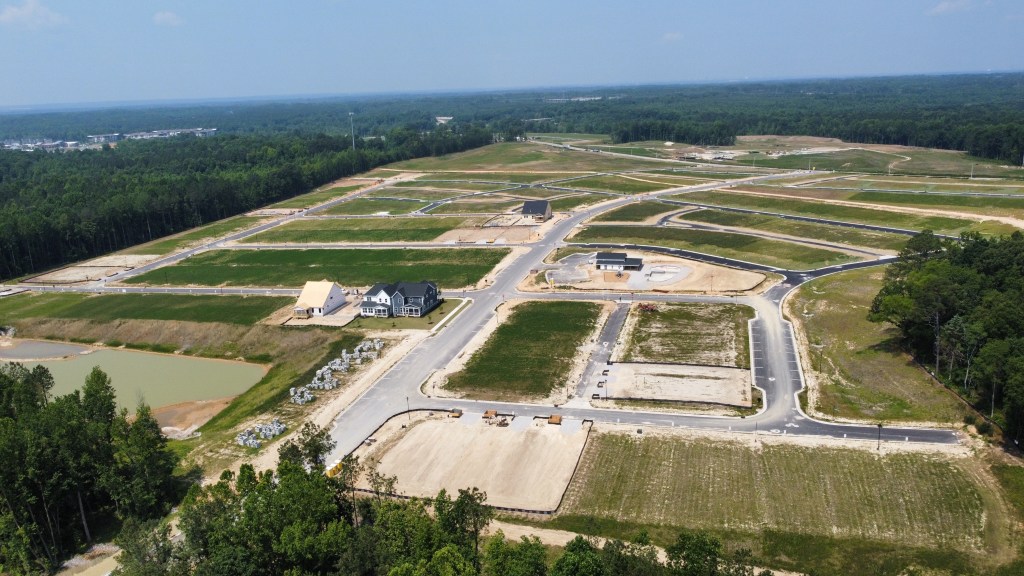
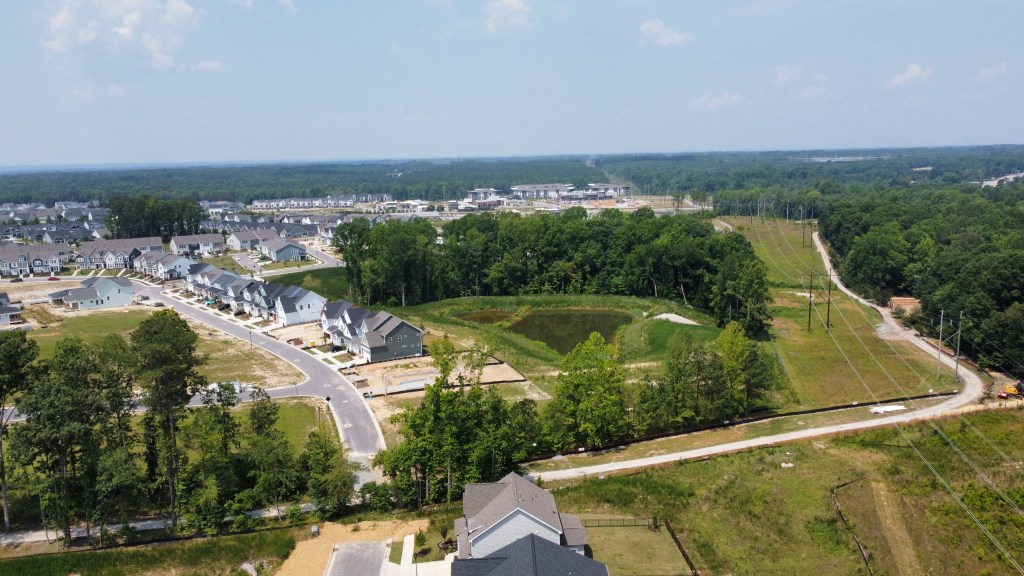
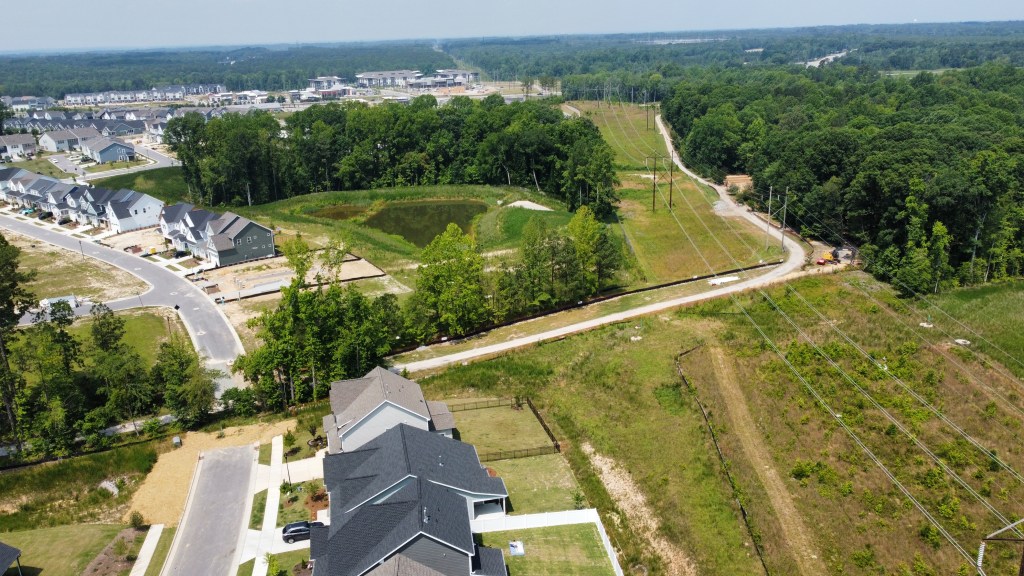
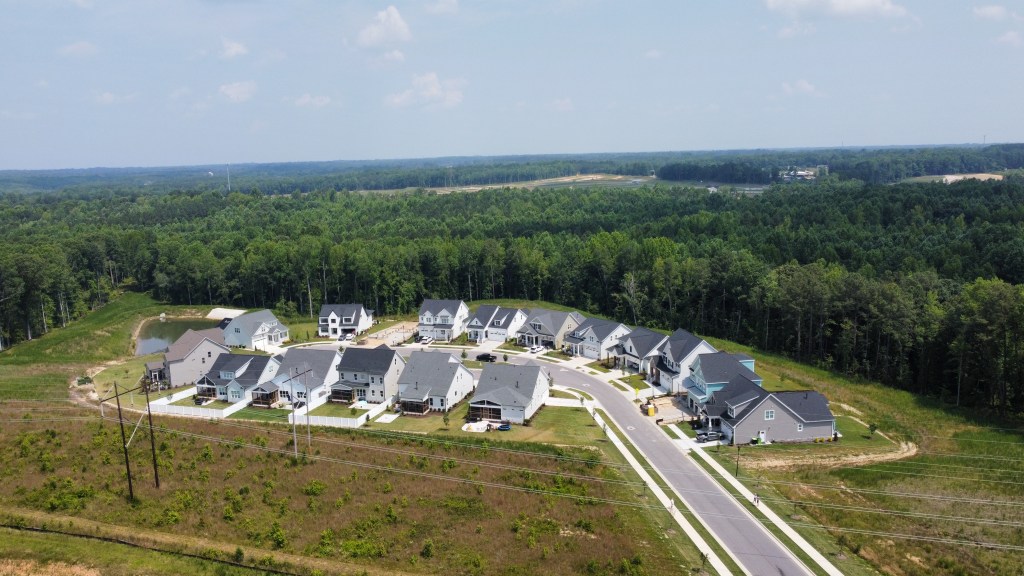
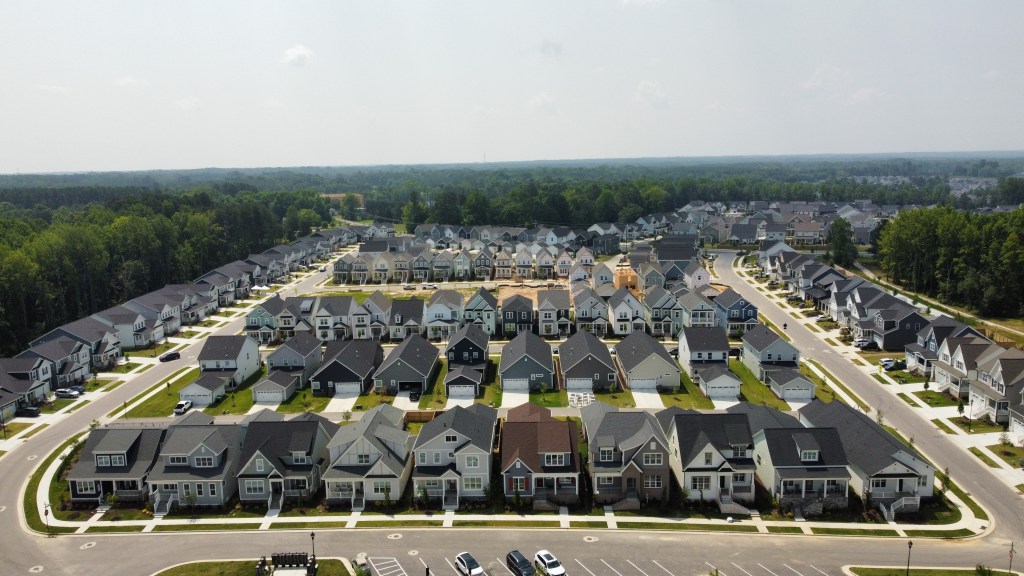
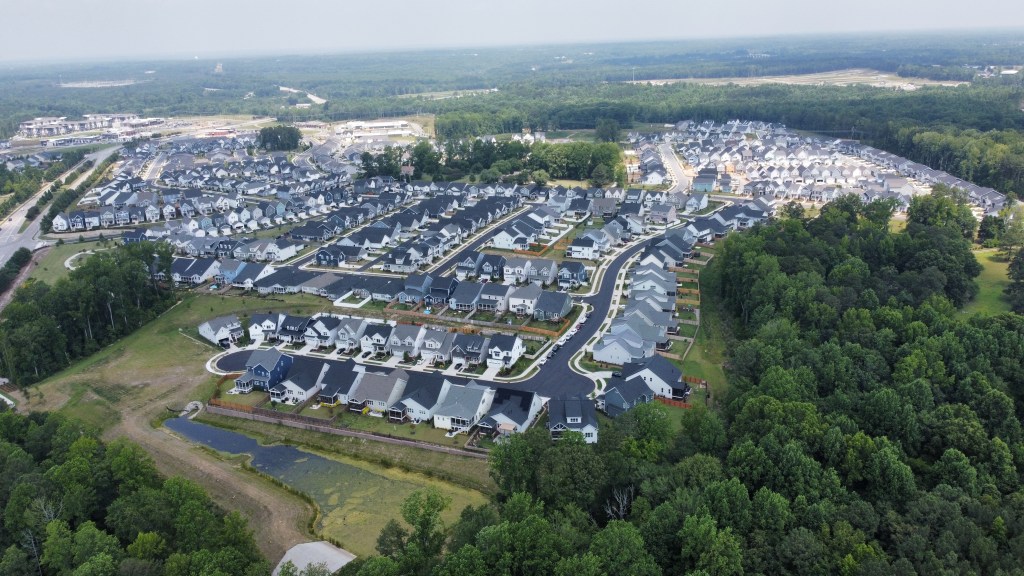
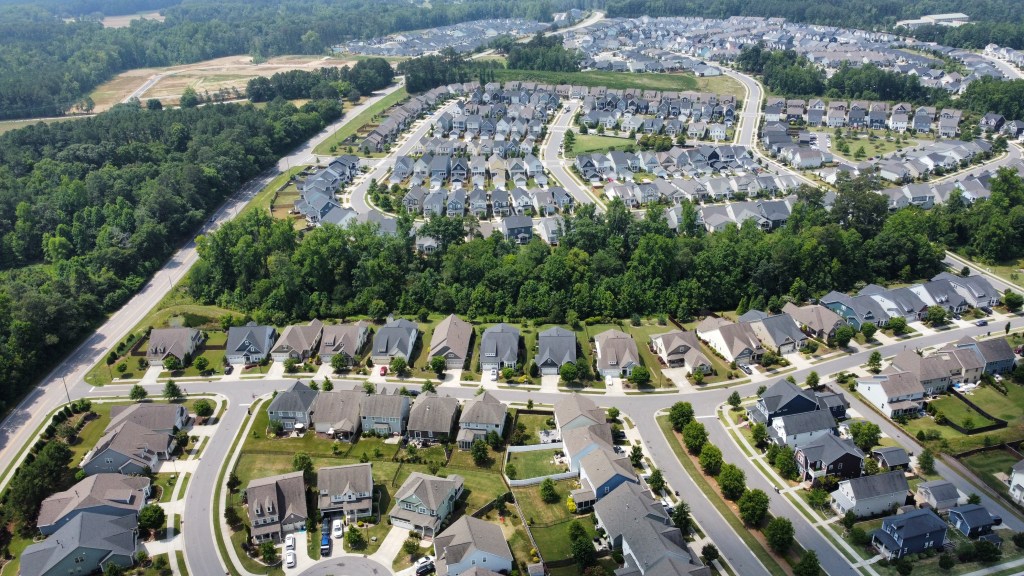
Parts of Phase 10 have opened and the first homes are complete with dozens getting ready to break ground. This section will feature some new collections and builders as well as the departure of mainstays Mattamy and Ashton Woods (formerly Capitol City).
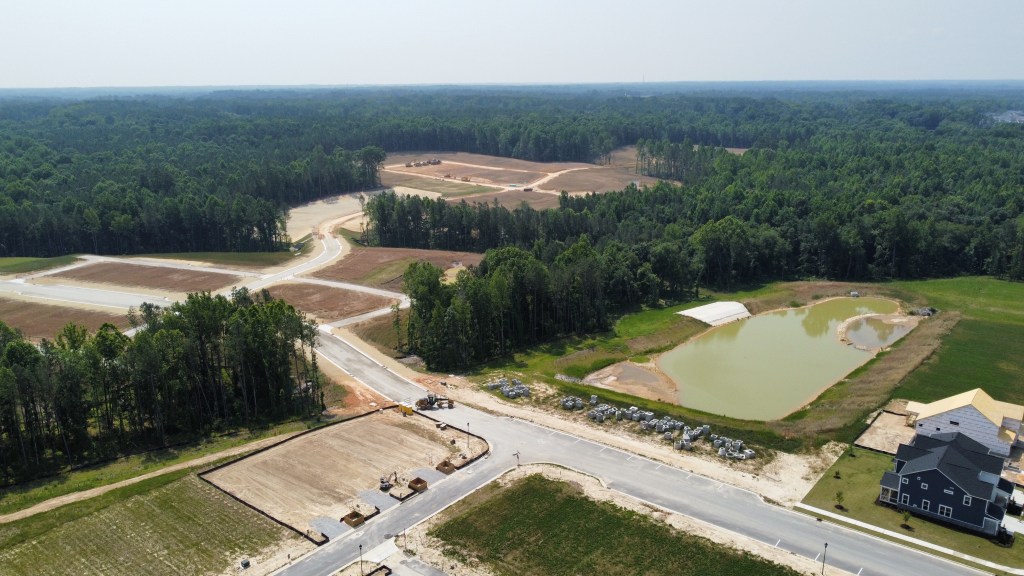
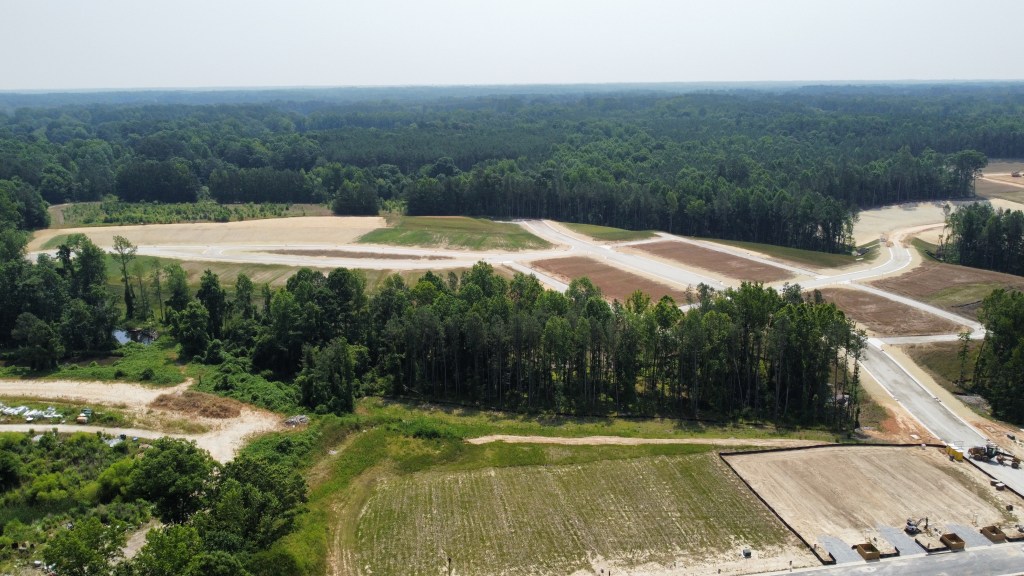
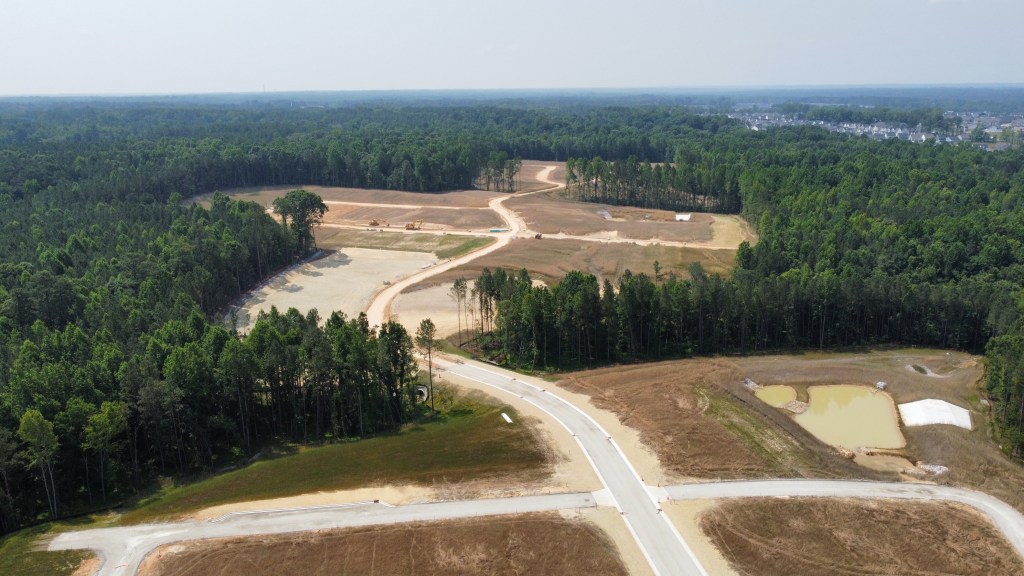
Phase 11 will be paved soon. Together, these phases will include roughly 500 residential lots as well as a new pool and playground. It’s important to note that there will be no connection between Phase 9 and 10/11 so travel on Wendell Falls Pkwy will be necessary. It is also not golf cart accessible as golf carts are not allowed on the Wendell Falls Pkwy side path. It is roughly 2 miles from the Farmhouse. My hope is that a trail along the sewer easement is at least constructed.
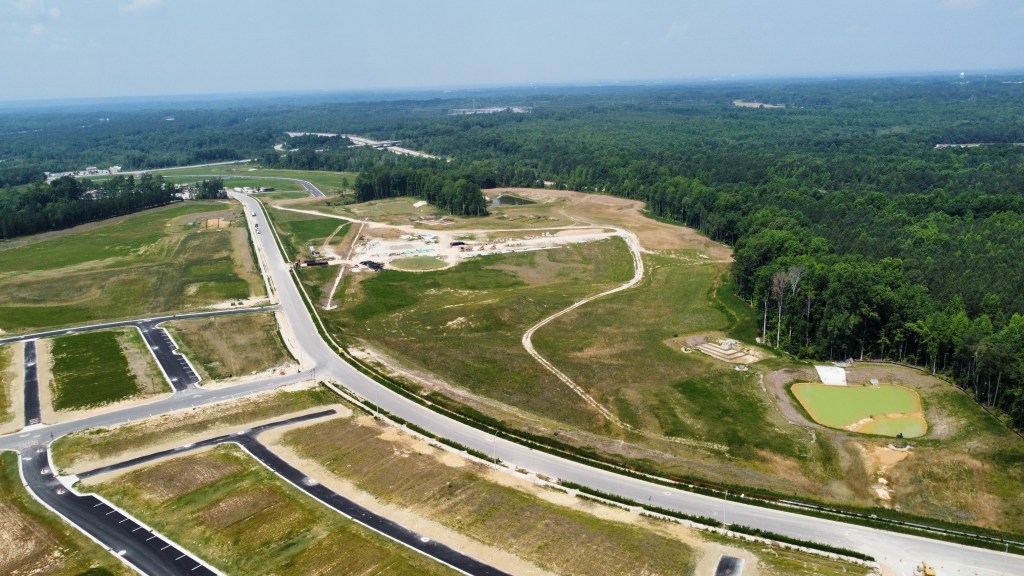
Even further out, toward and even past Knightdale-Eagle Rock Rd, will be another two future Residential phases and even perhaps some industrial on the NW side of Knightdale-Eagle Rock. Plans for this final residential phase can be found here.
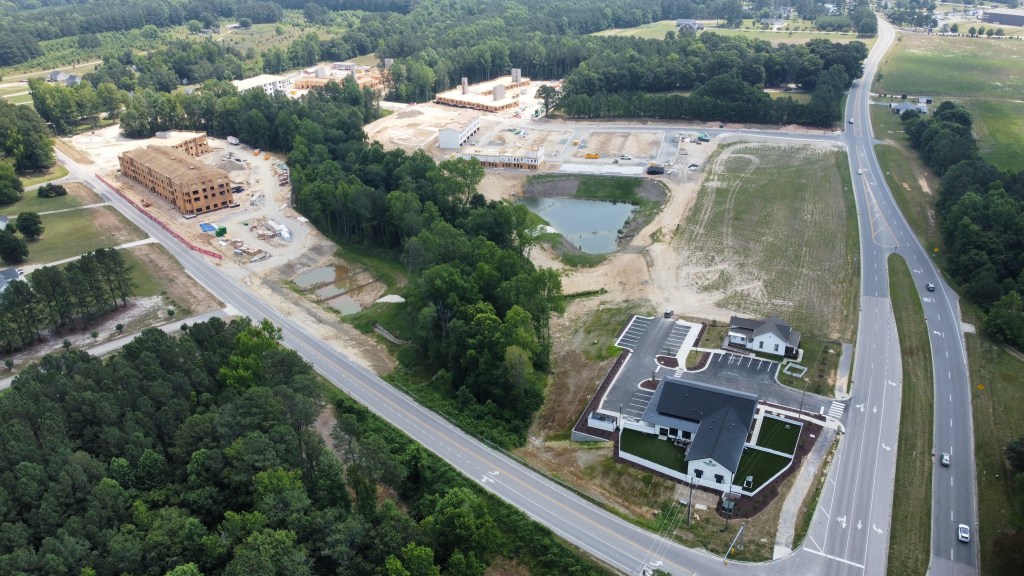
Neuse River Vet and Martin Pond Apartments / Outparcels
Neuse River Vet is now open.
This phase of Apartments and Townhomes is also underway and making quick progress.
The other three outparcels have been graded and are available for purchase / lease.
Residential Phases
Work continues in phases 9B and 9C. In between, work has started on Acorn Creek, which will connect the two stubs between the phases and convert the current driveway to a trail. Quick note about road stubs, anytime there is a dead end without a cul-de-sac, that means the road will eventually connect to something else. There are a bunch of stubs in phases 10 and 11 that are planned to connect to future development.
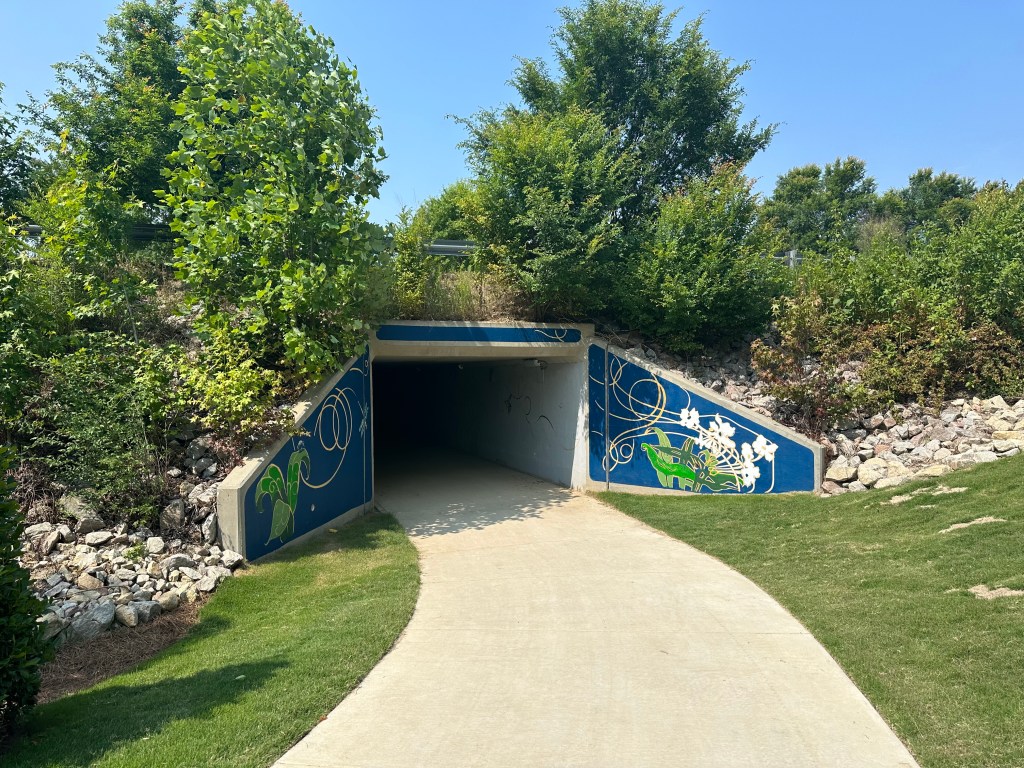
The tunnel turned out great and is receiving a mural currently.
Adjacent Development
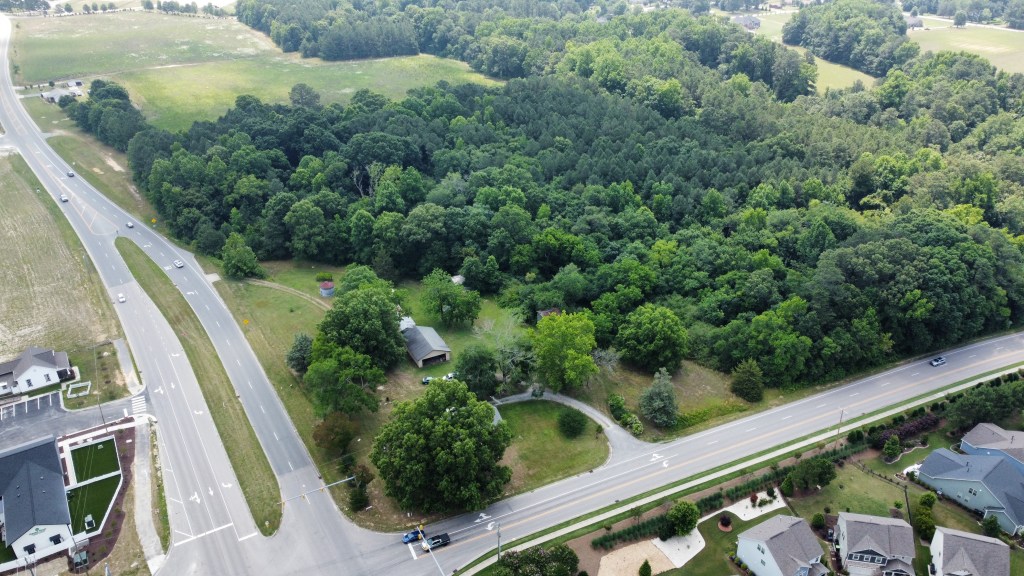
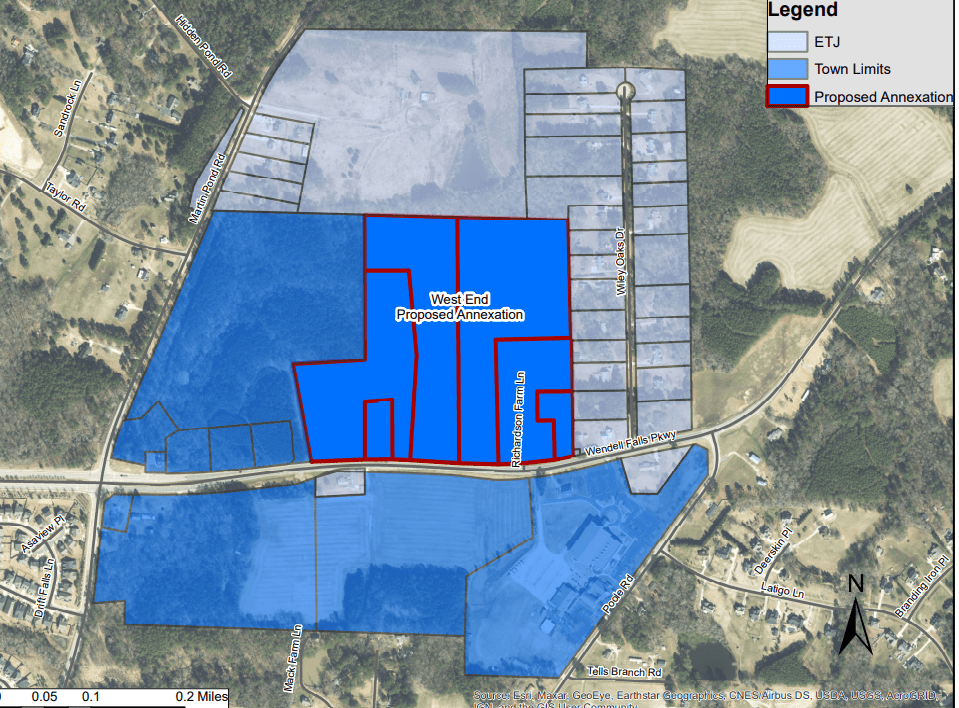
While not officially Wendell Falls, a major development opposite of the vet will be breaking ground soon. Survey crews were recently out surveying. This project will add to the commercial and retail offerings of the area as well as adding another dense mixed-use node that will help lead the area in the right direction. Plans can be found here.
In the future there may be another mixed use development coming soon adjacent to this according to a recent Town Council agenda. There are no site plans announced yet but the owner’s have started the rezoning process of the land seen here.
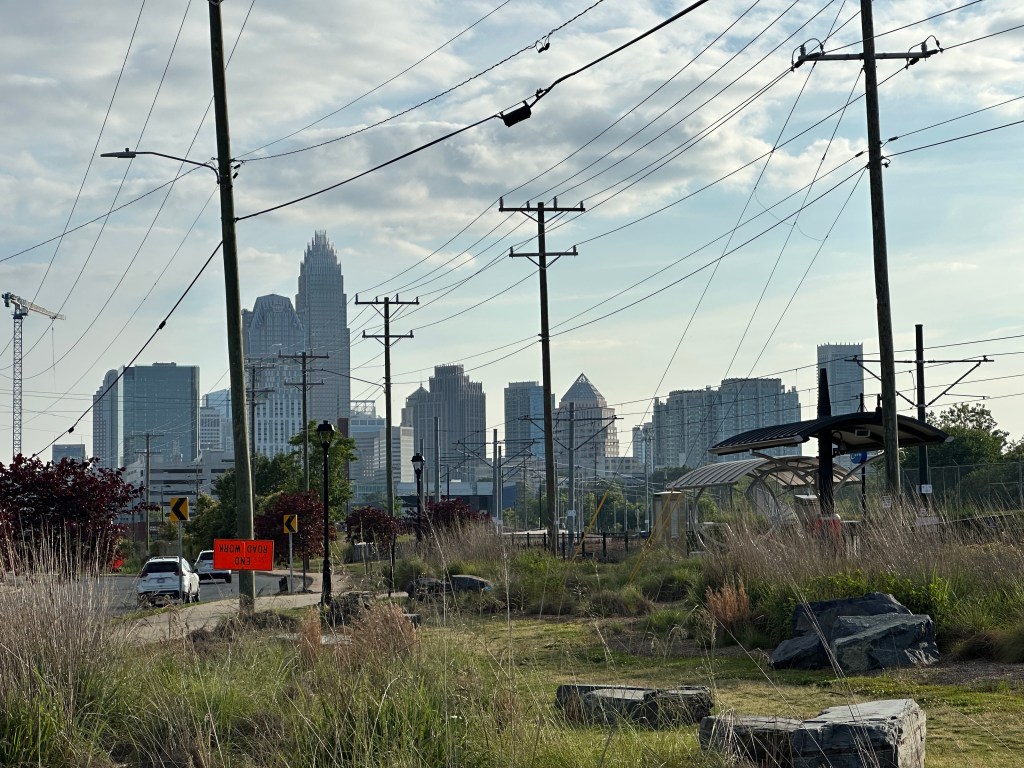
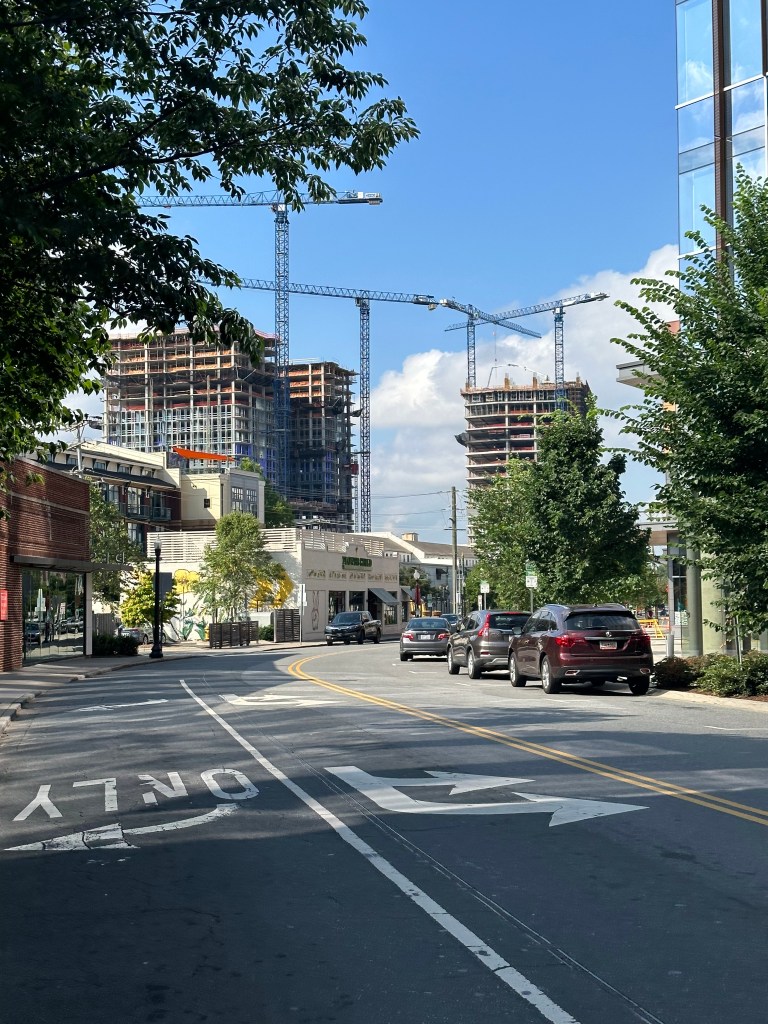
Charlotte gained a lot of new fans this week. The overwhelming feeling I got from talking to first timers in the city was positive. From the cohesive urban footprint stretching miles from South End to Uptown, to the great mix of neighborhoods of Noda, Plaza Midwood, and Dilworth sprinkled in between, some of the toughest urbanism critics were left impressed.
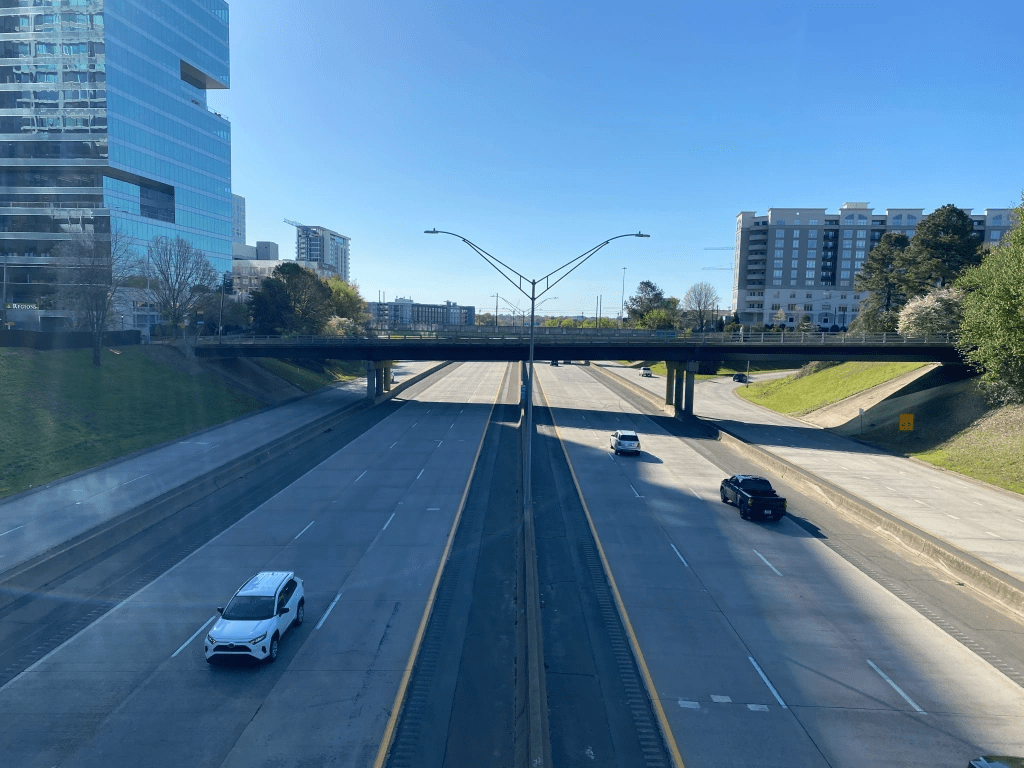
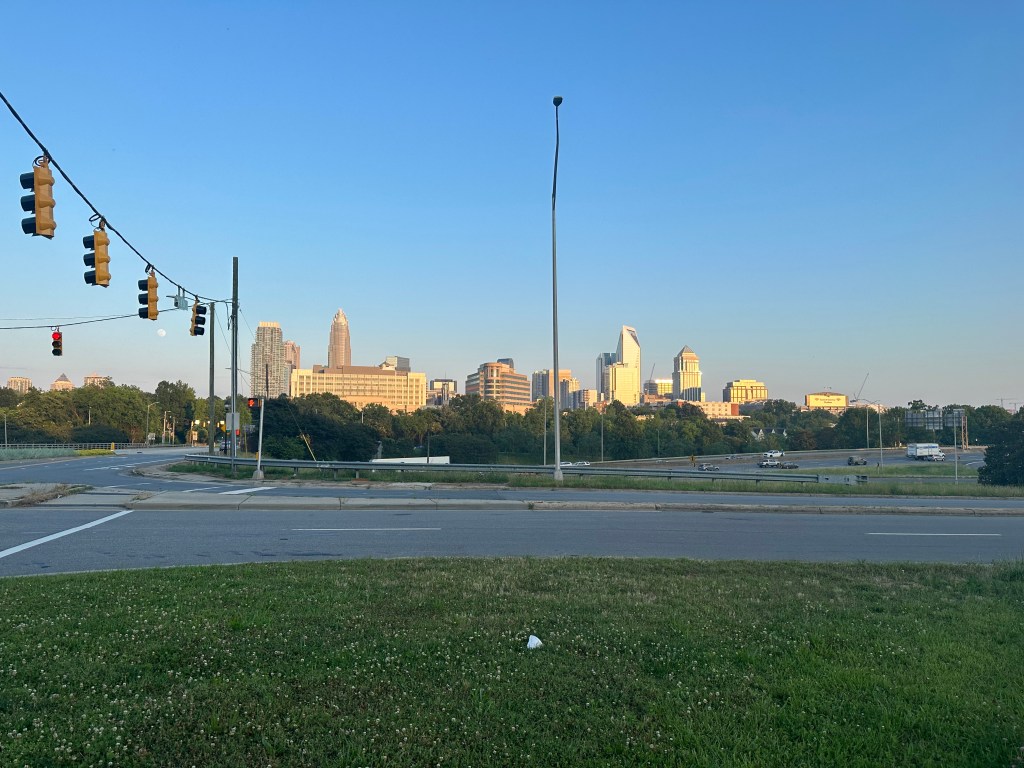
There’s still huge challenges of course such as insane rates of sprawl, lack of afforabiltiy, swaths of surface lots in Uptown, and of course I-277 slicing through it all.
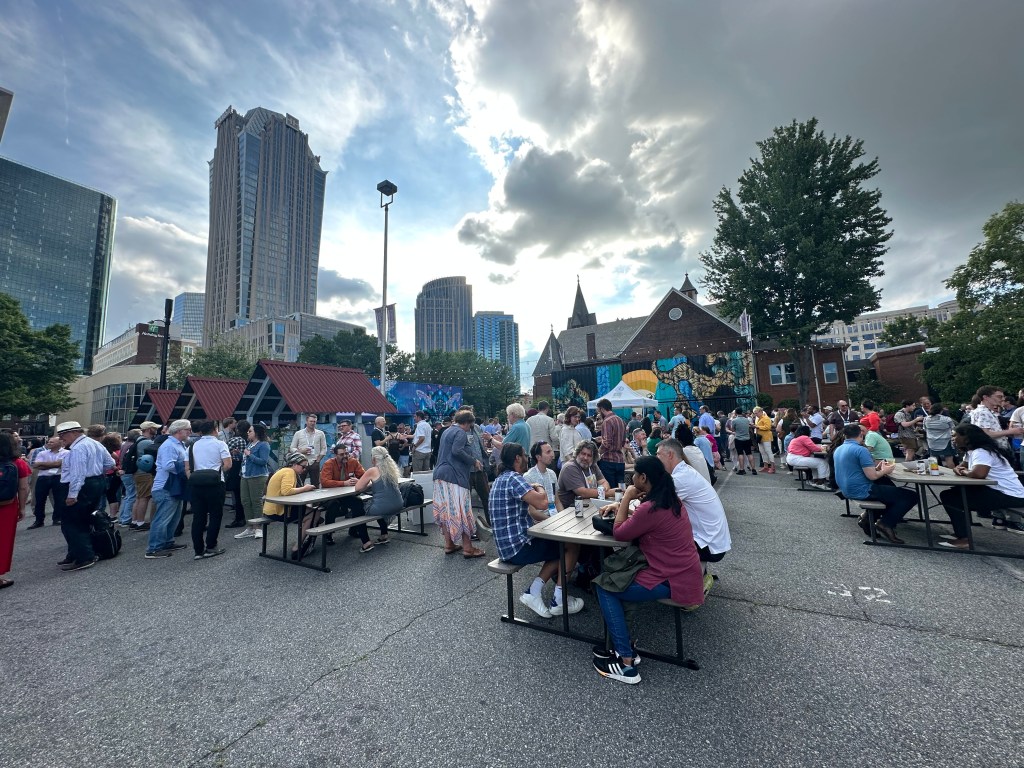
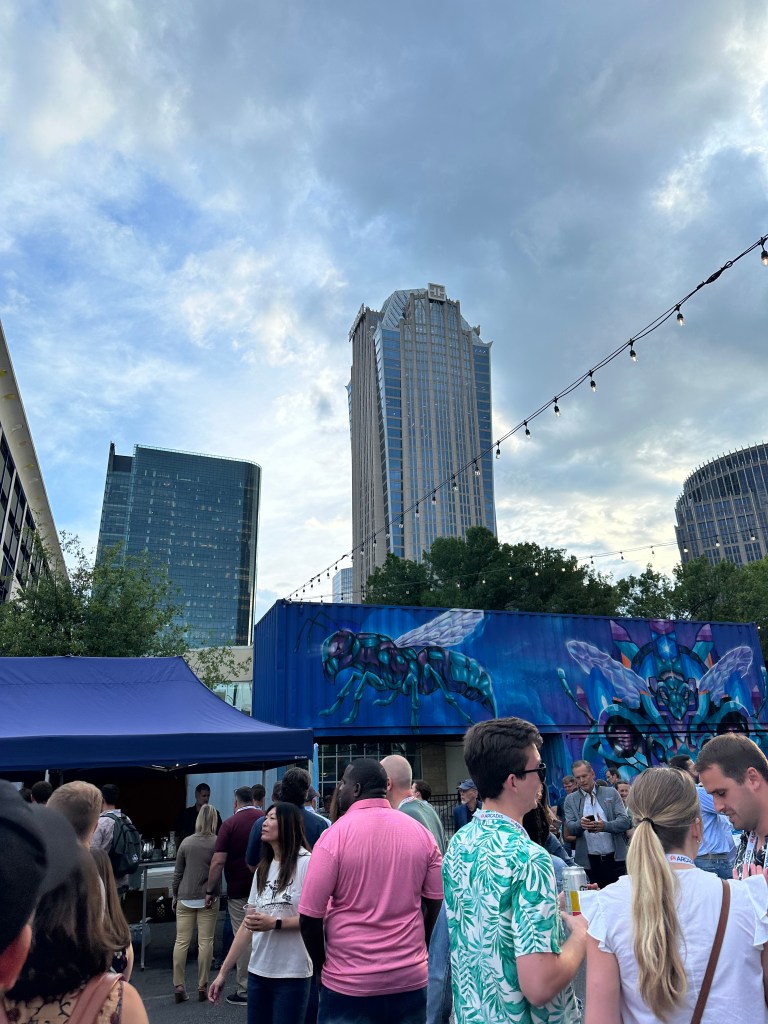
CNU kicked off Wednesday Evening with a party that made great use of one of the many surface lots Uptown. But that wasn’t before I spent the day working and exploring Camp North End and Optimist Hall.
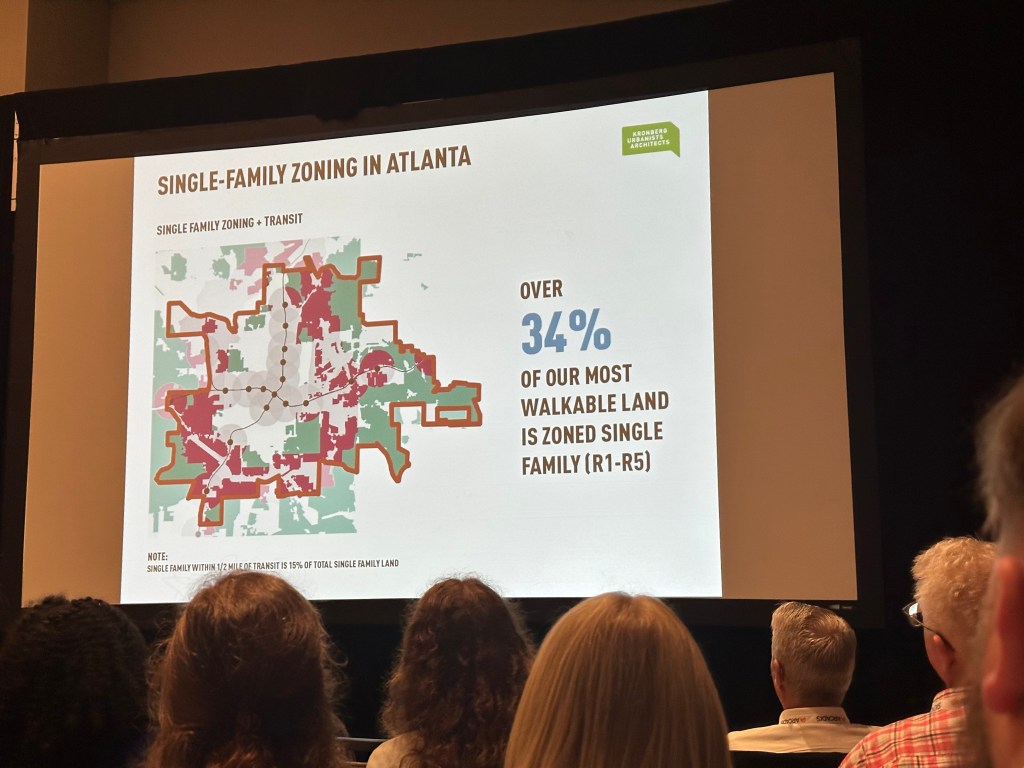
Atlanta development great Eric Kronberg and Charlotte Mayor Pro Tem Braxton Winston hit the main stage to officially open the Congress Thursday Morning. Kronberg summed up the housing crisis with startling facts and figures around density and affordability. This is also a topic he and I wrote about in the first issue of Southern Urbanism Quarterly earlier this year.
Thursday also happened to be UDO Day for Charlotte. The new UDO took affect Thursday which Winston played a huge role in bringing to life. The new UDO sets Charlotte up for tomorrow and opens the door to possibility by legalizing duplexes, ADUs, and fourplexes city wide. It’s not without challenges however as a last ditch effort to strip some of the zoning efforts has risen.
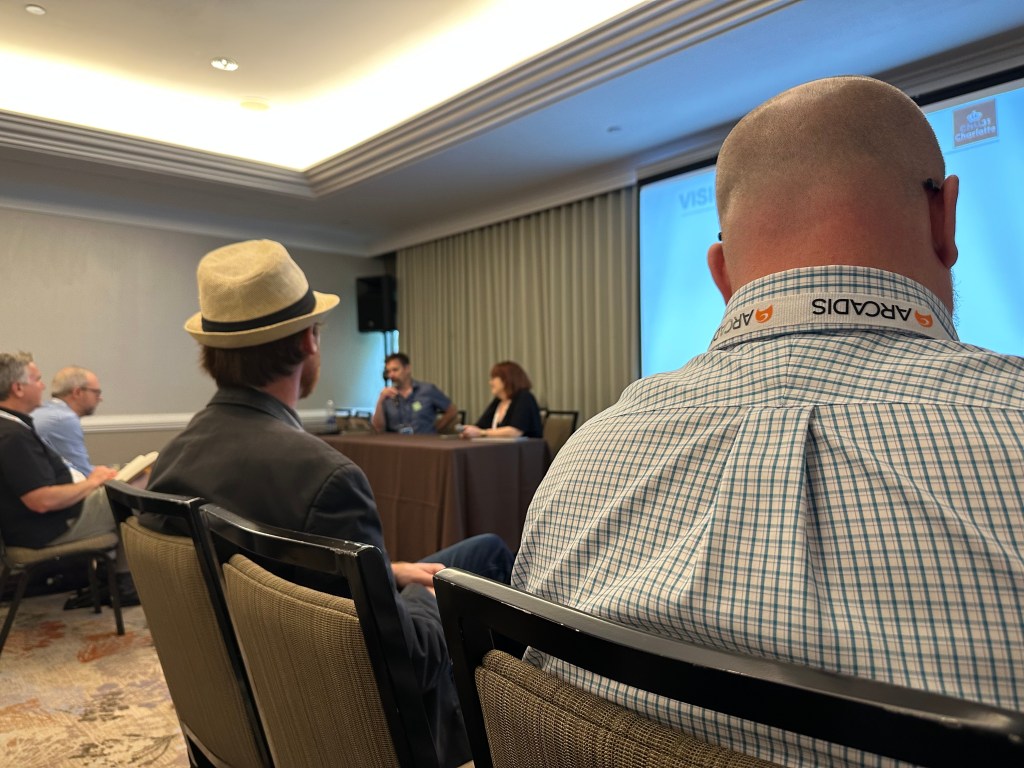
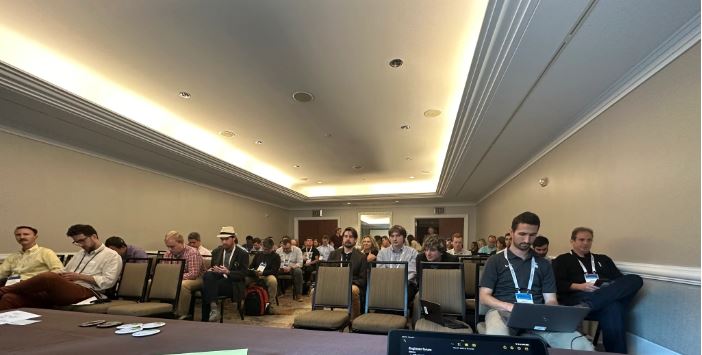
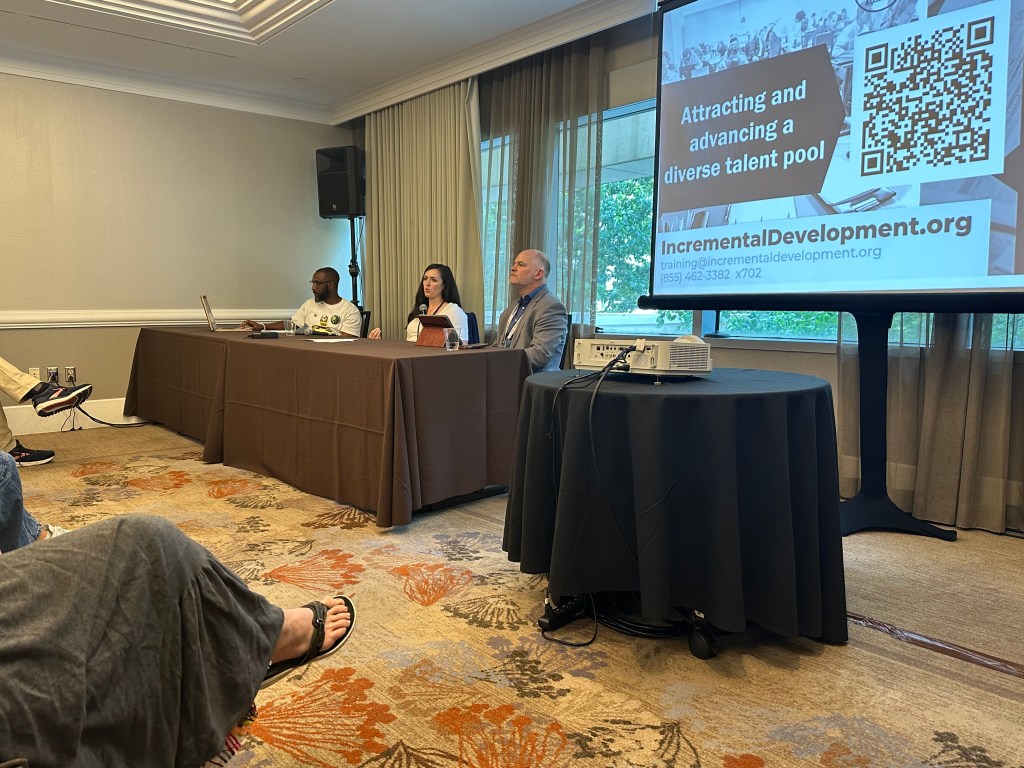
Other sessions I attended that day featured sessions on how CNU is working to attract a young and diverse base, opposing sides of the YIMBY / development movement, and changing the media narratives around the new urbanist movement.
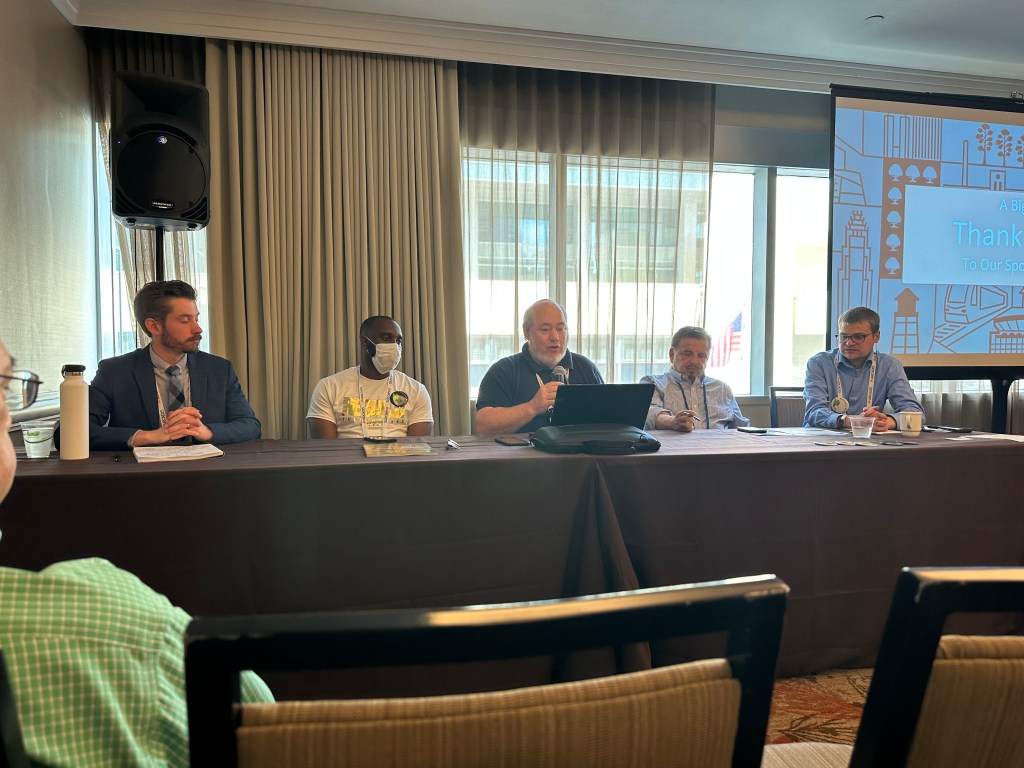
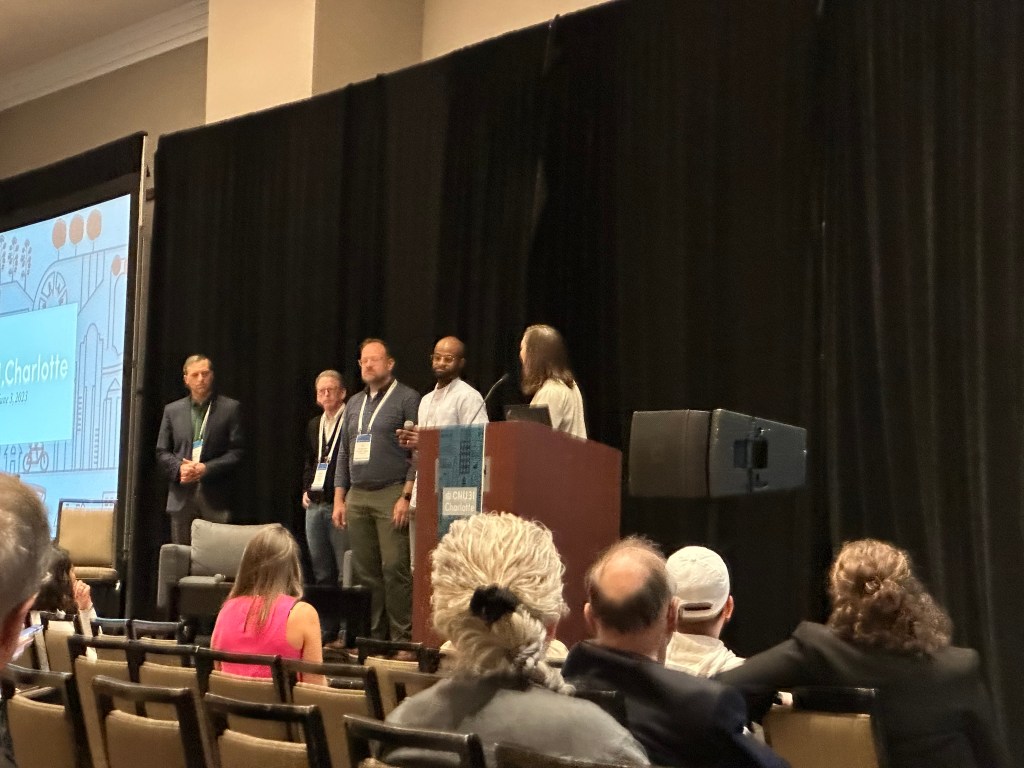
I also had the pleasure in taking part in an Engineer’s Forum in which we discussed ways the Engineering field can evolve to better support walkability and cities in general. Some of the main themes were new and updated metrics, better communication and collaboration between entities, and education reform.
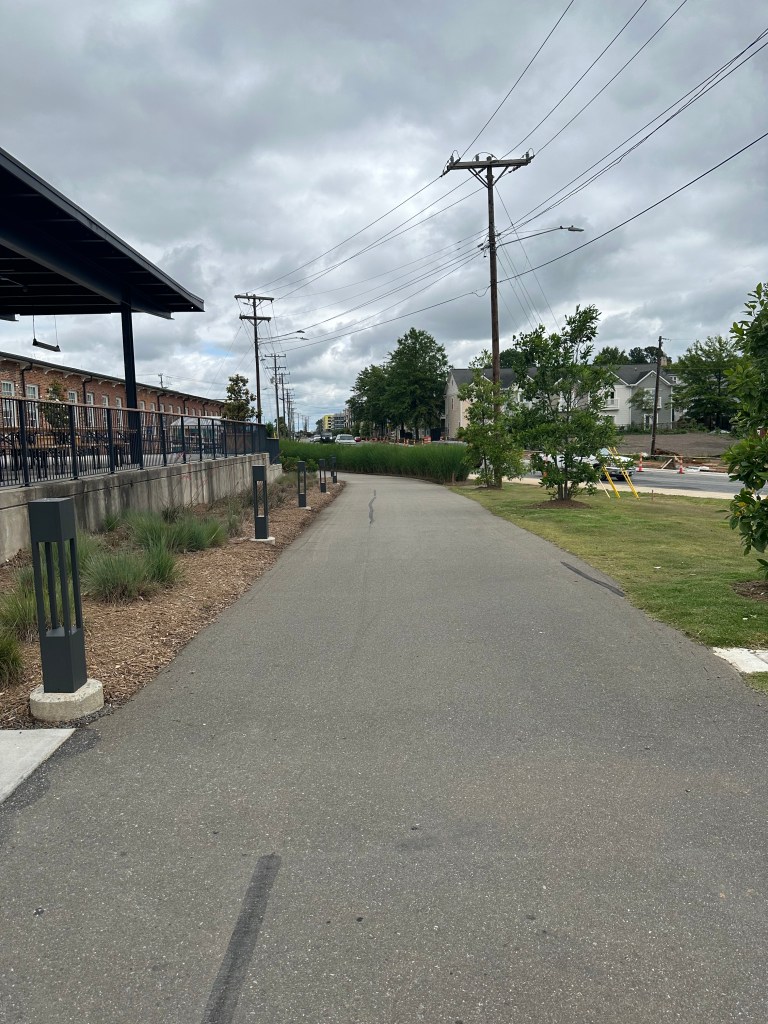
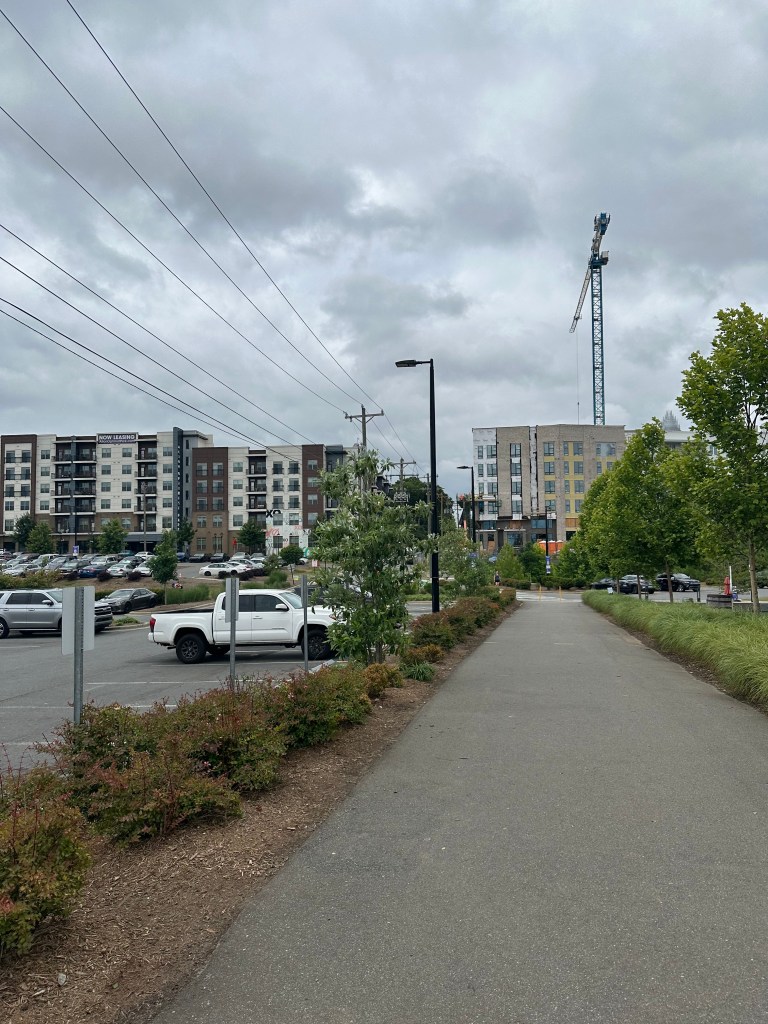
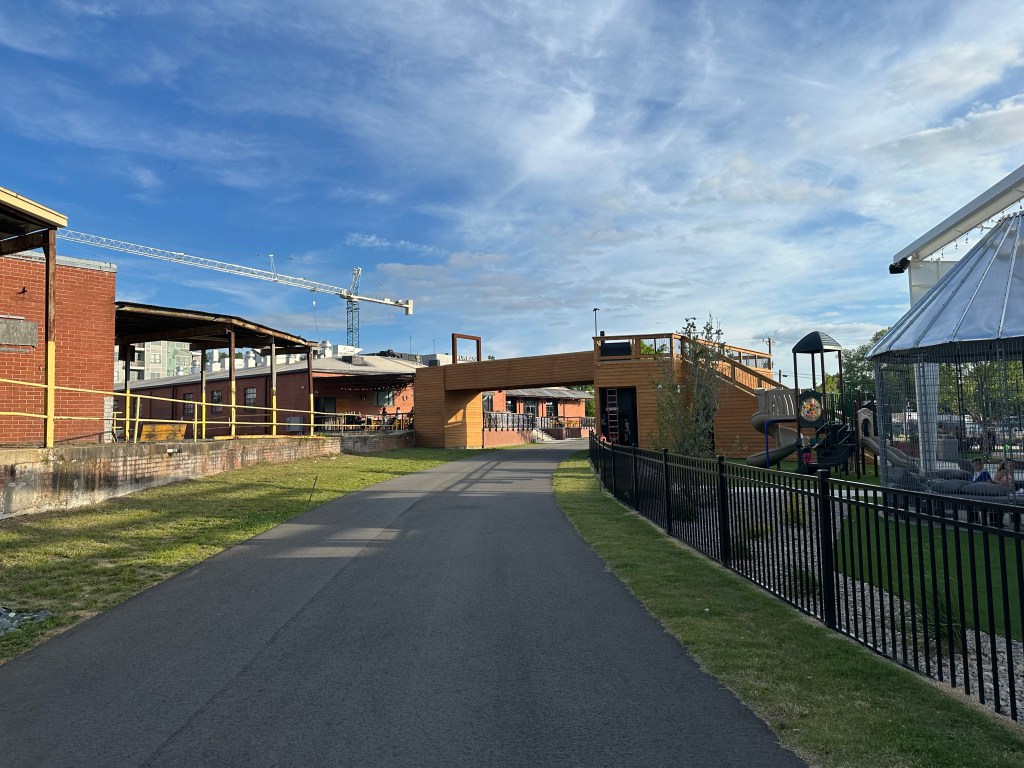
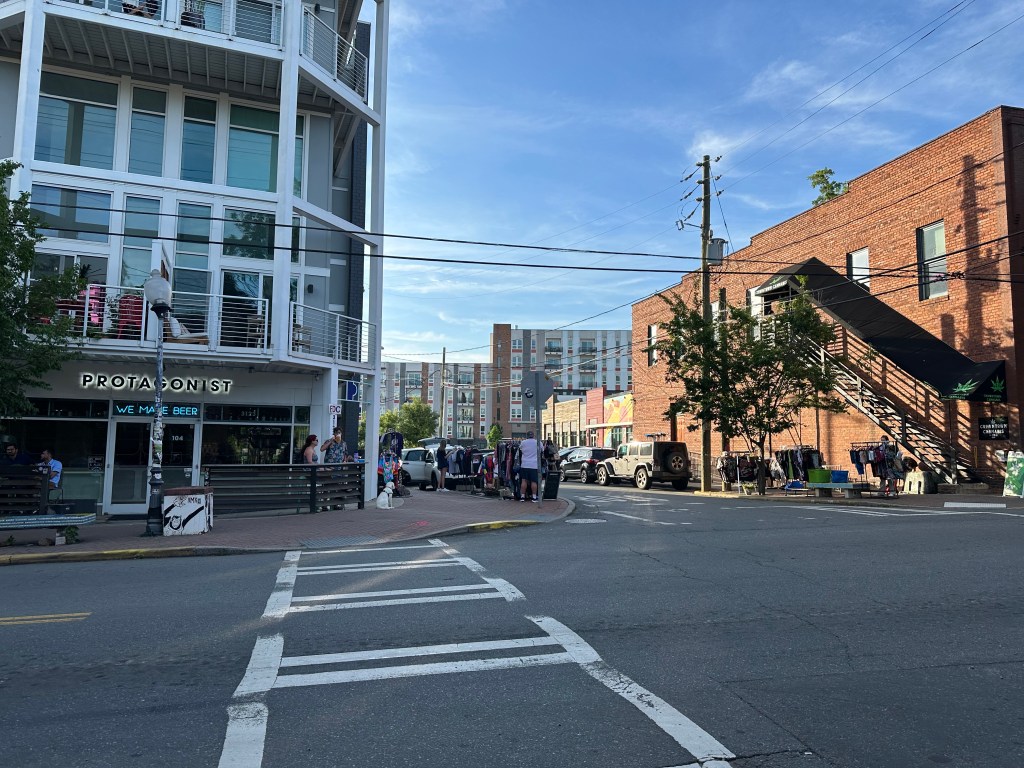
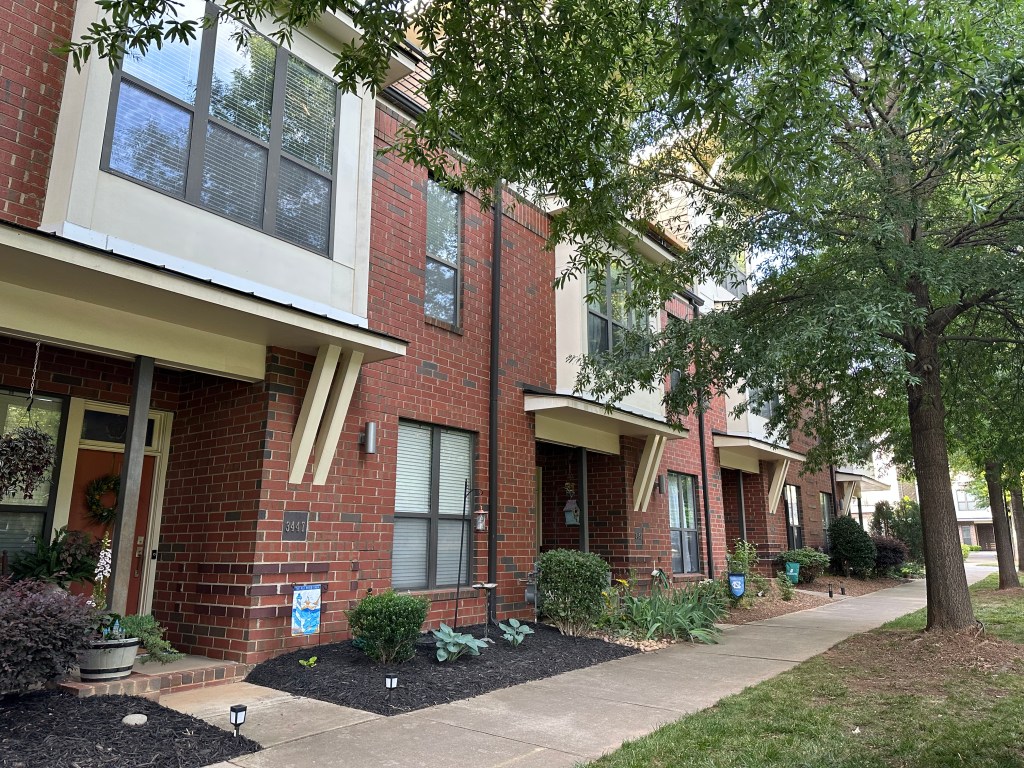
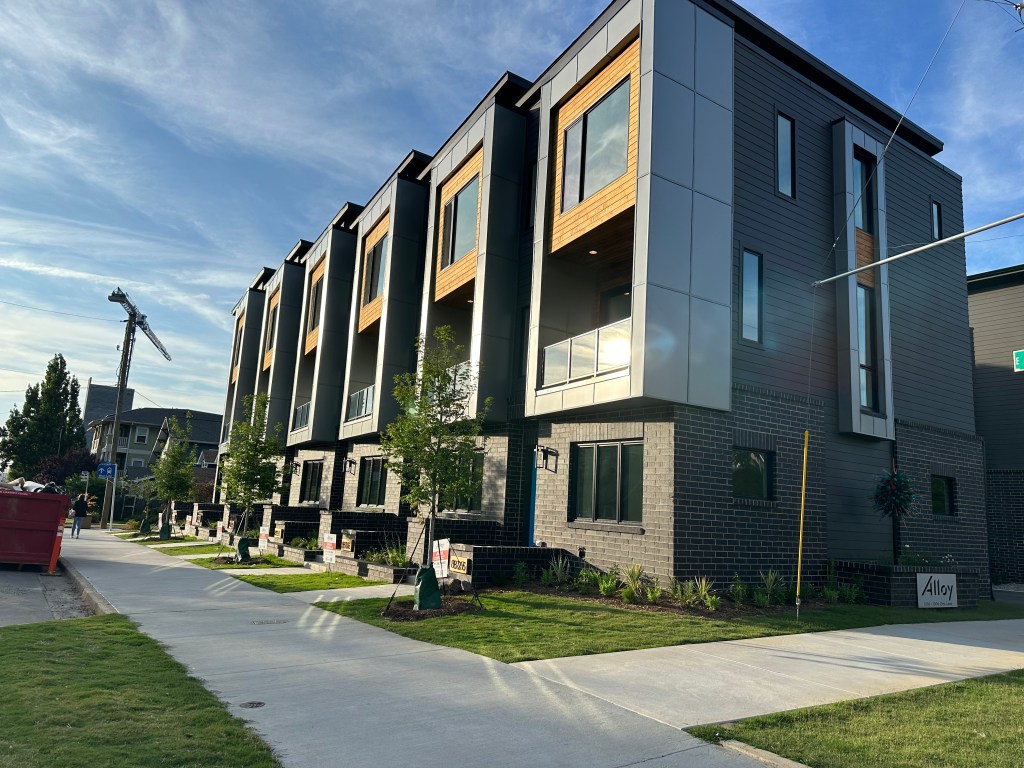
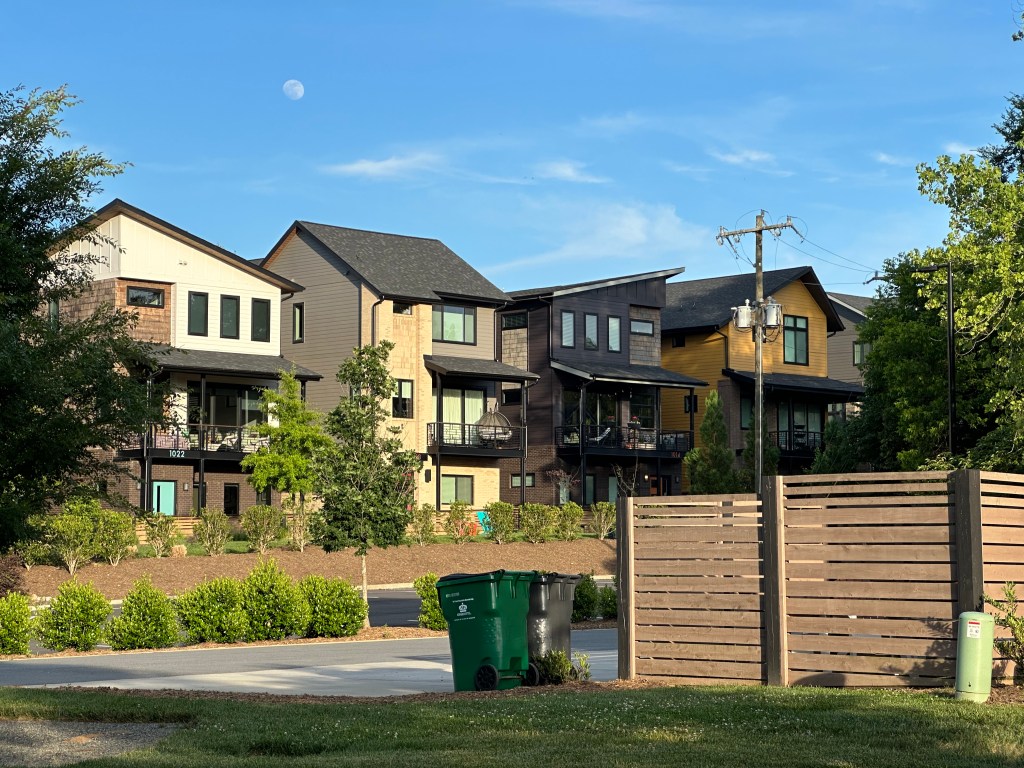
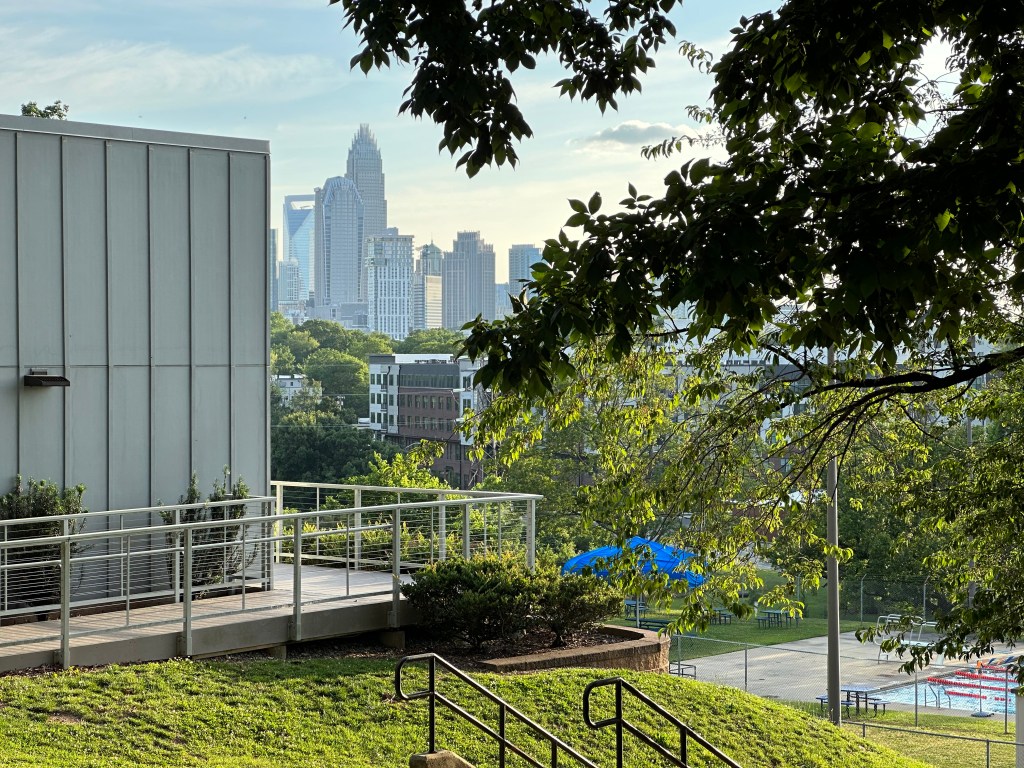
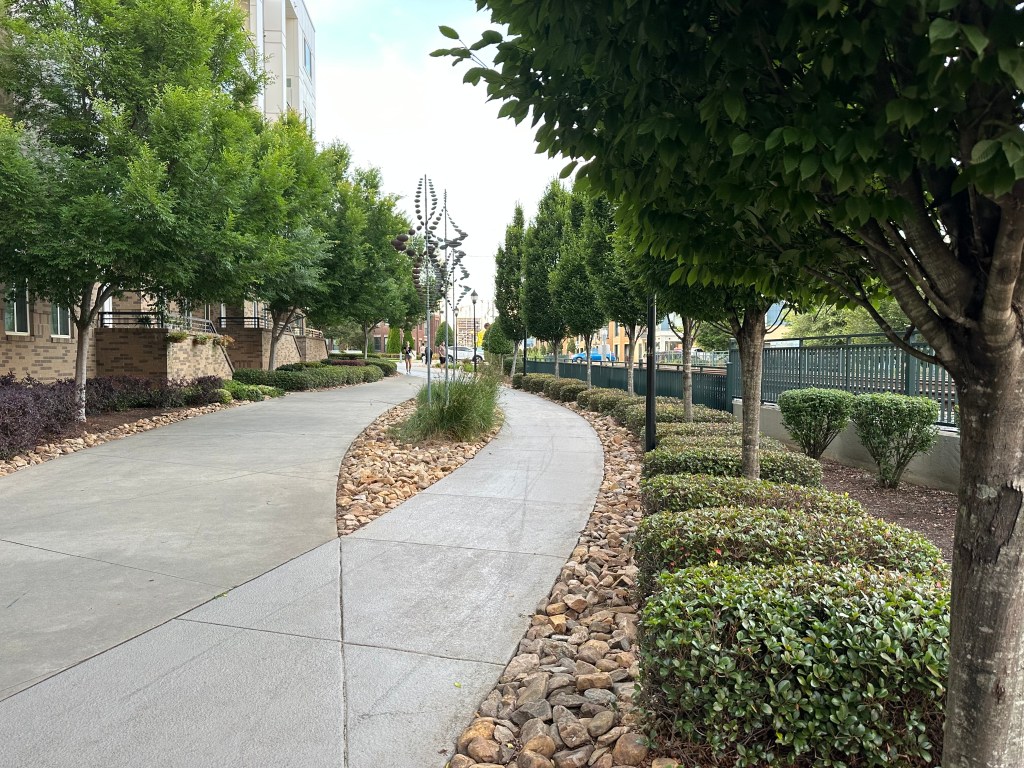
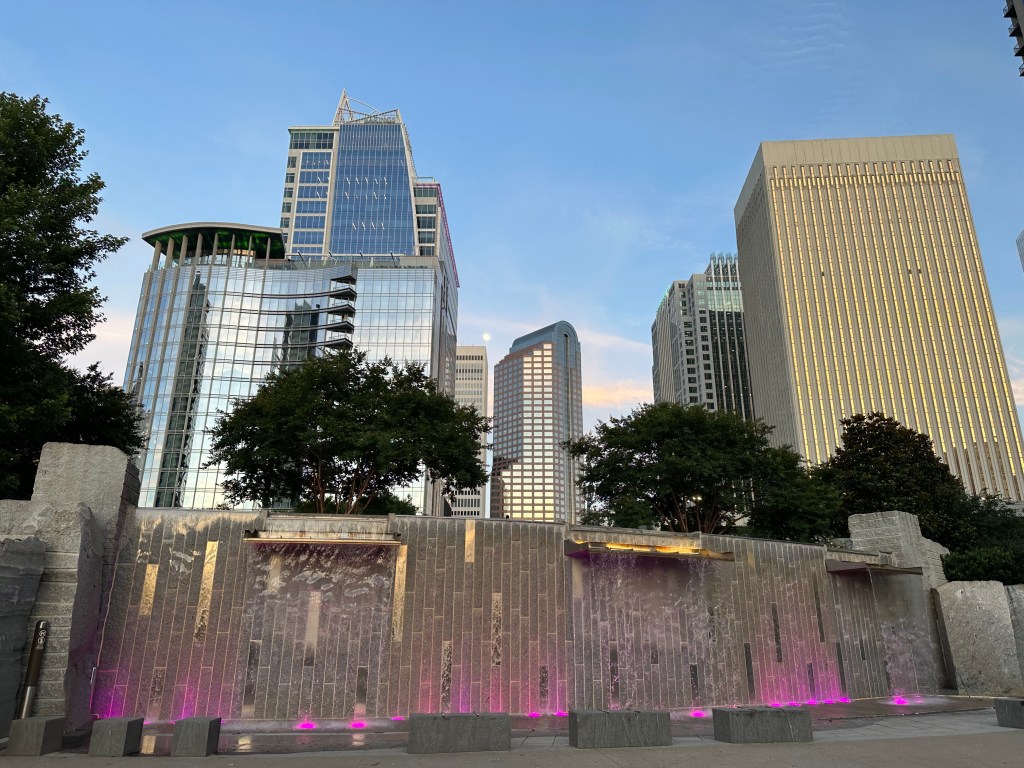
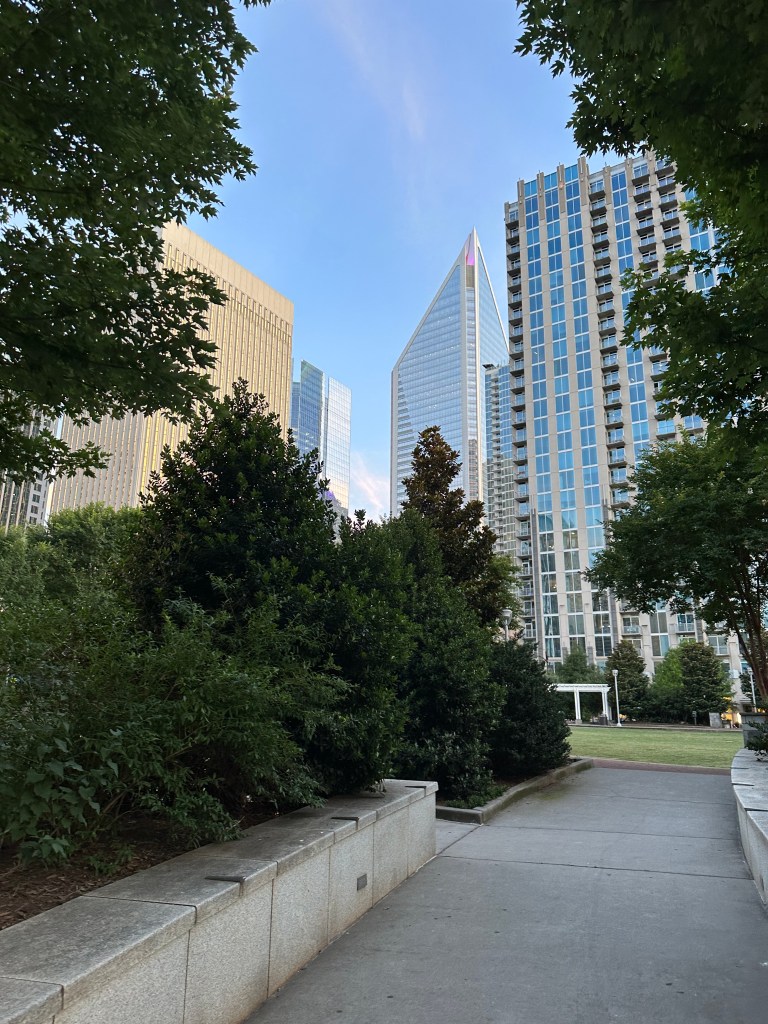
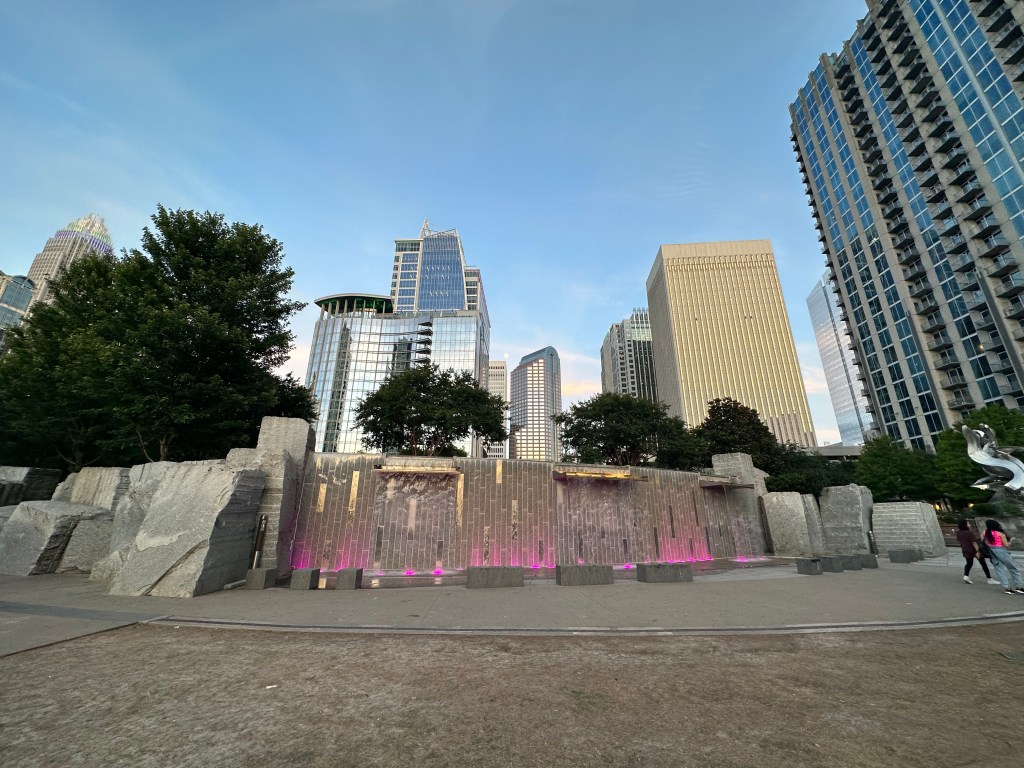
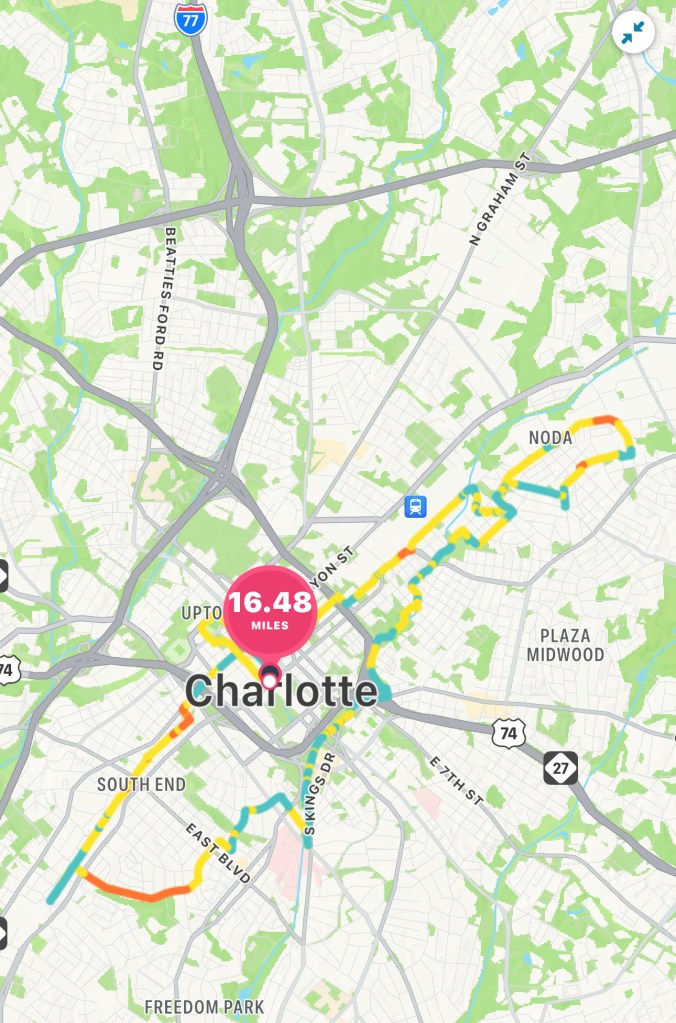
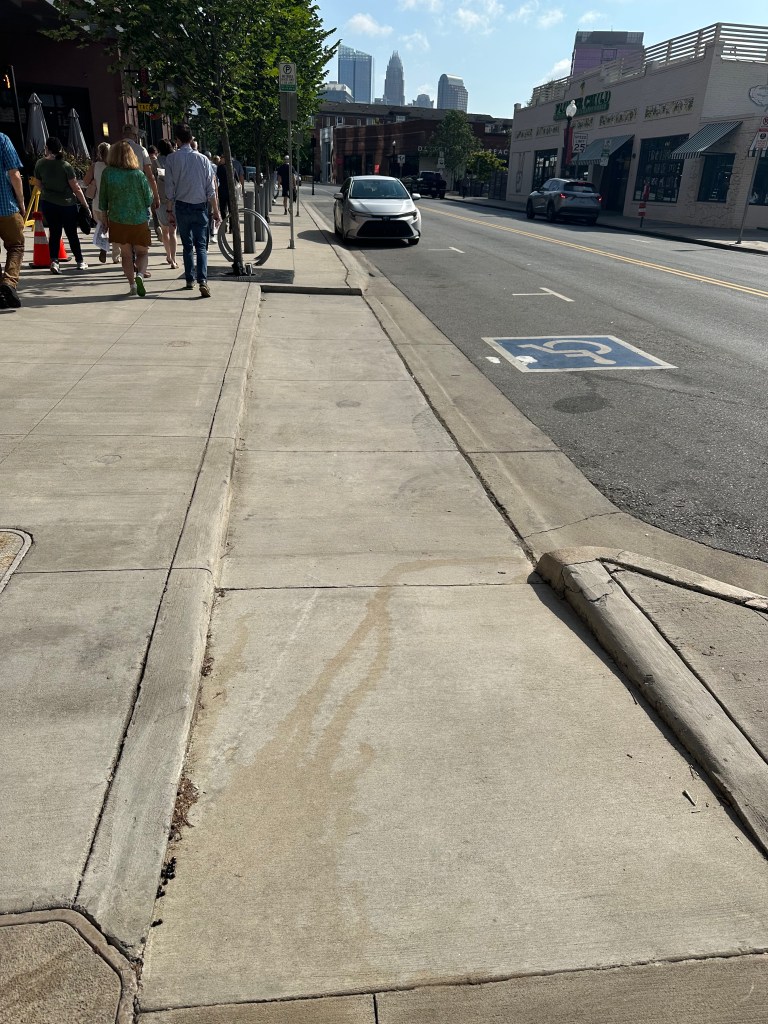
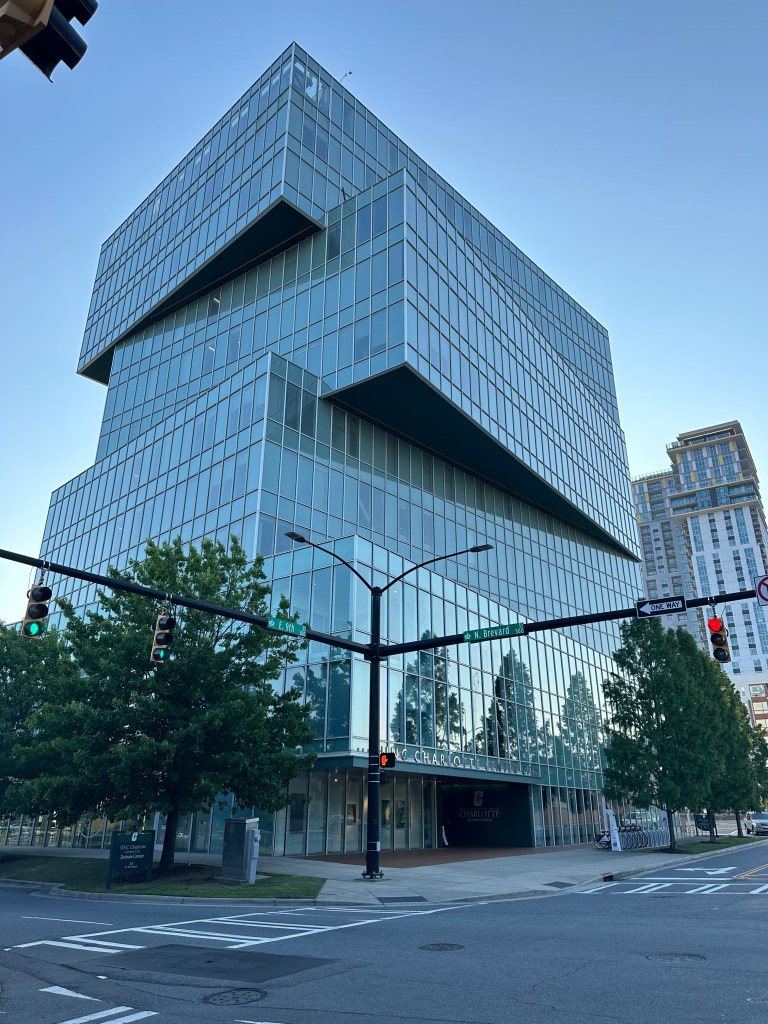
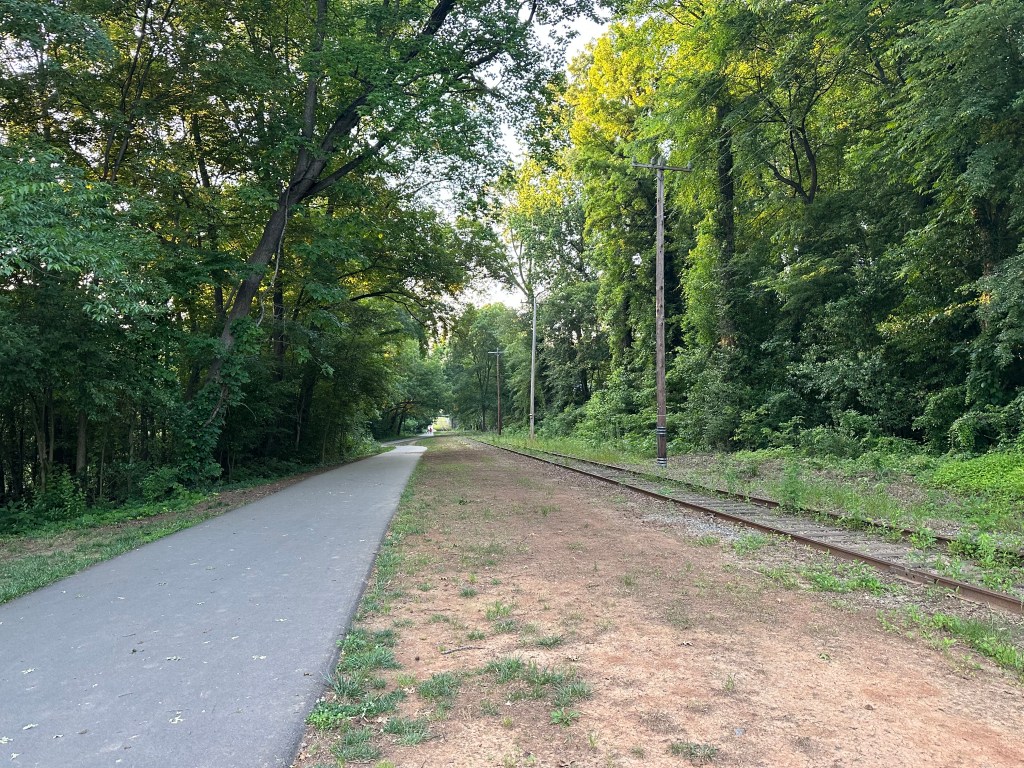
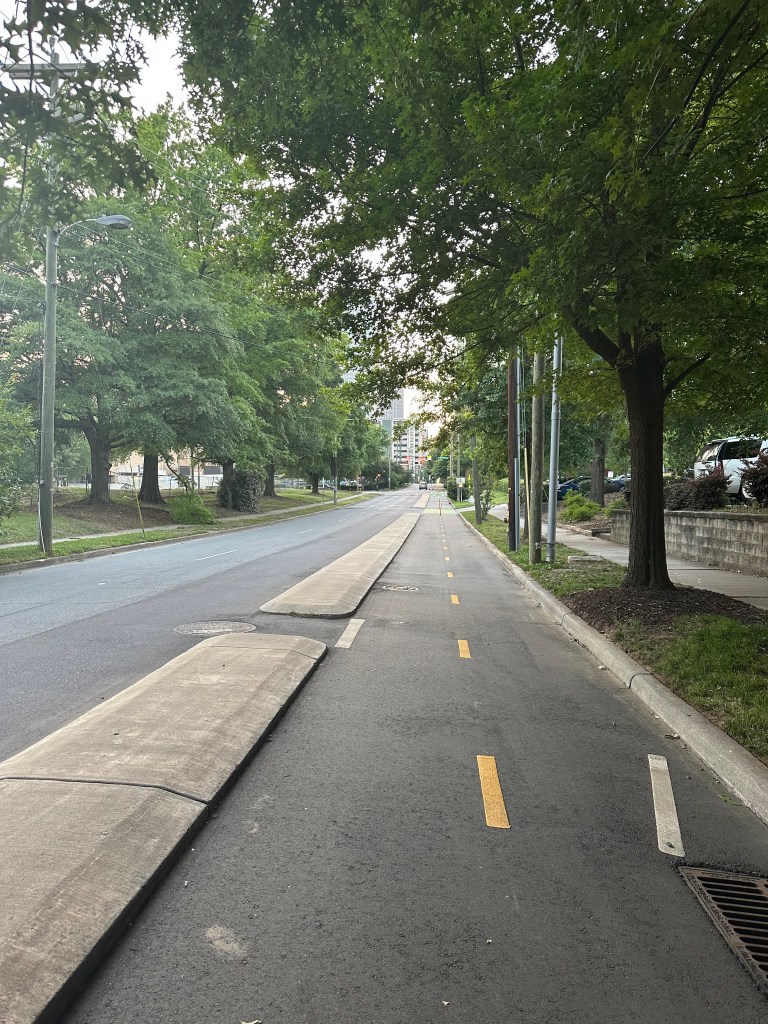
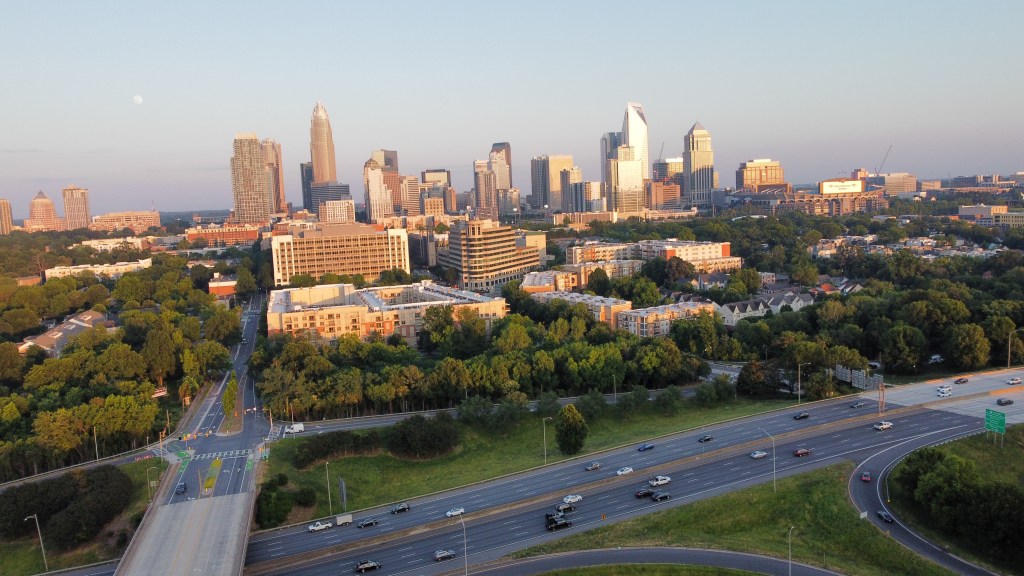
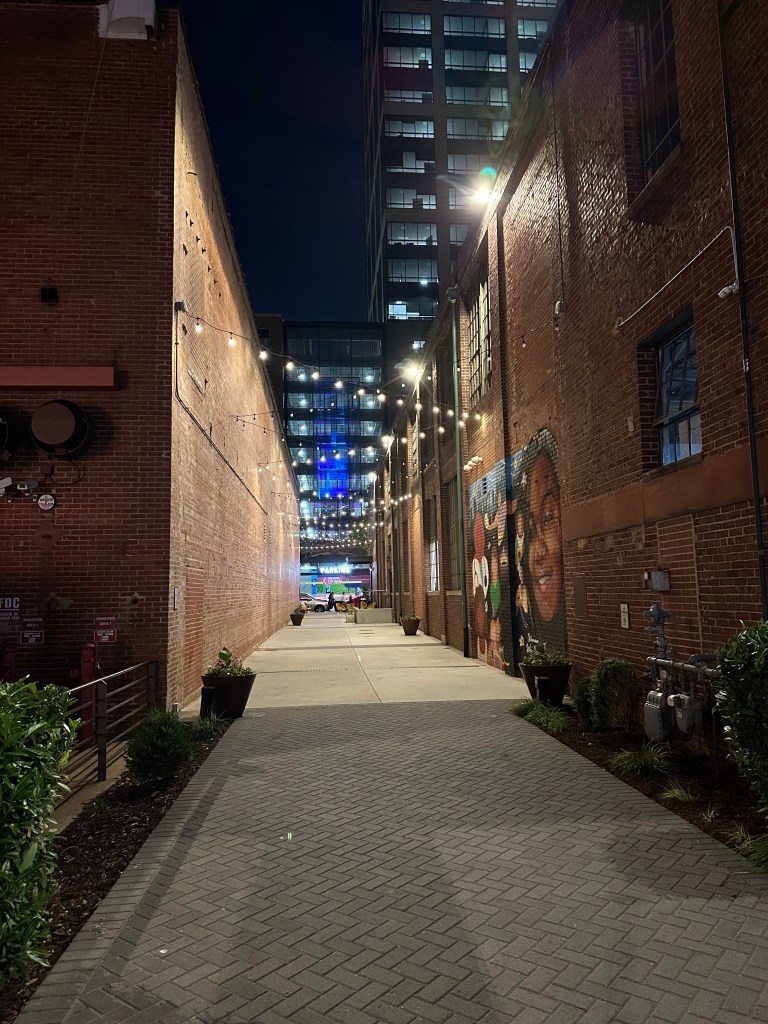
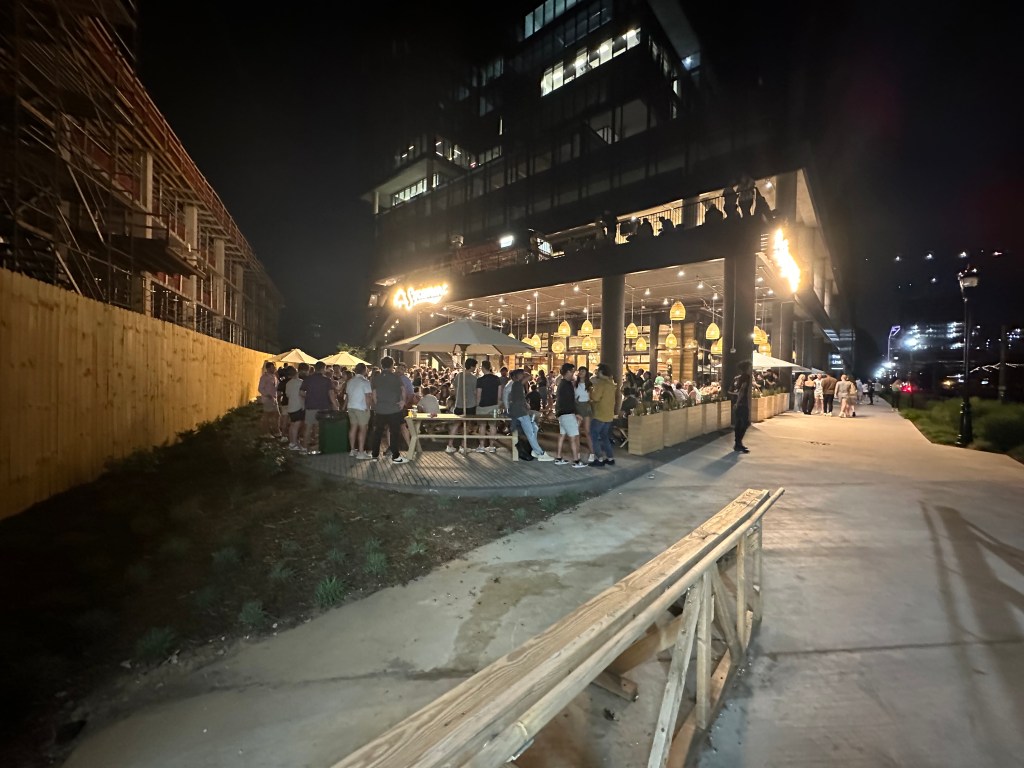
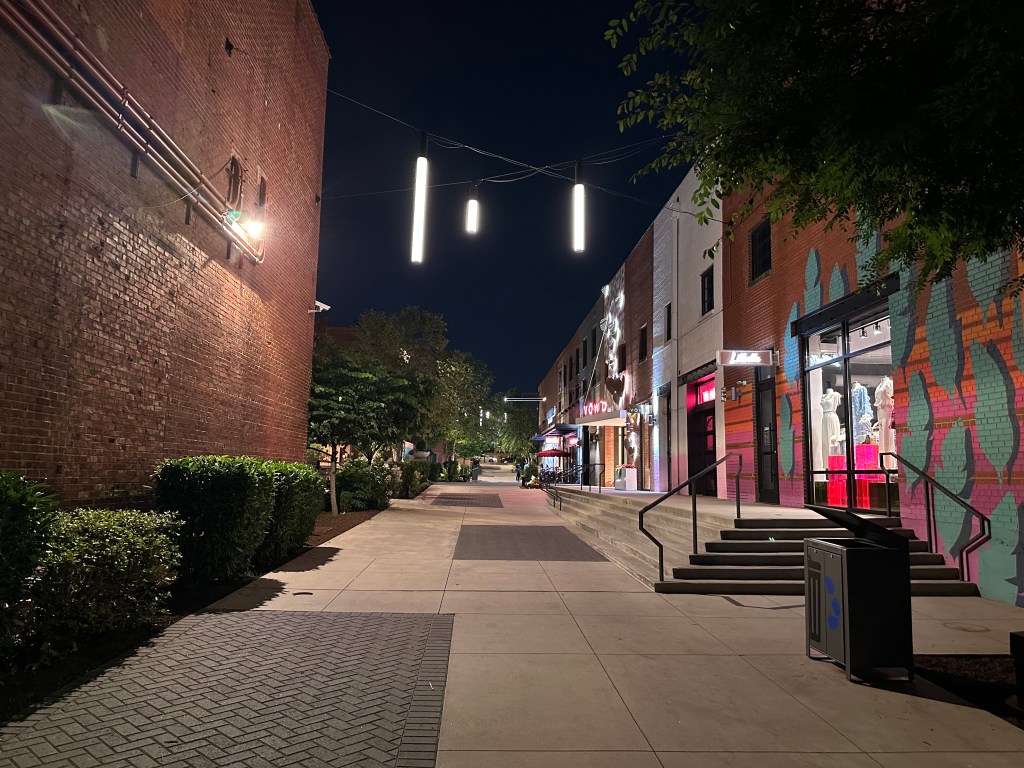
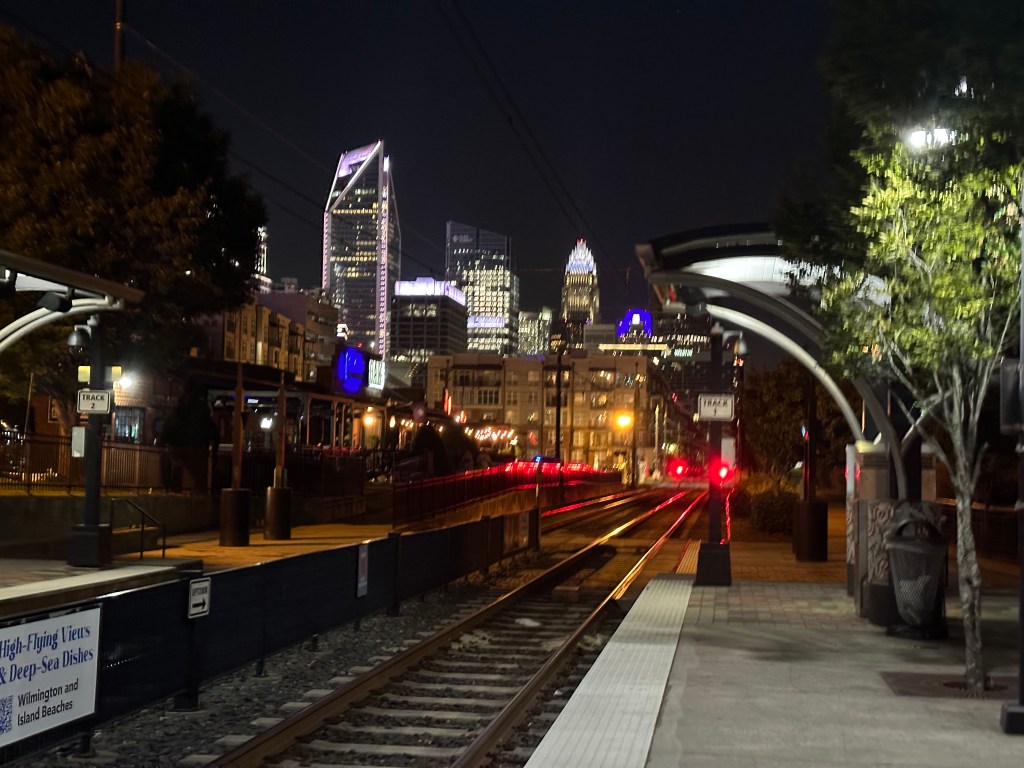
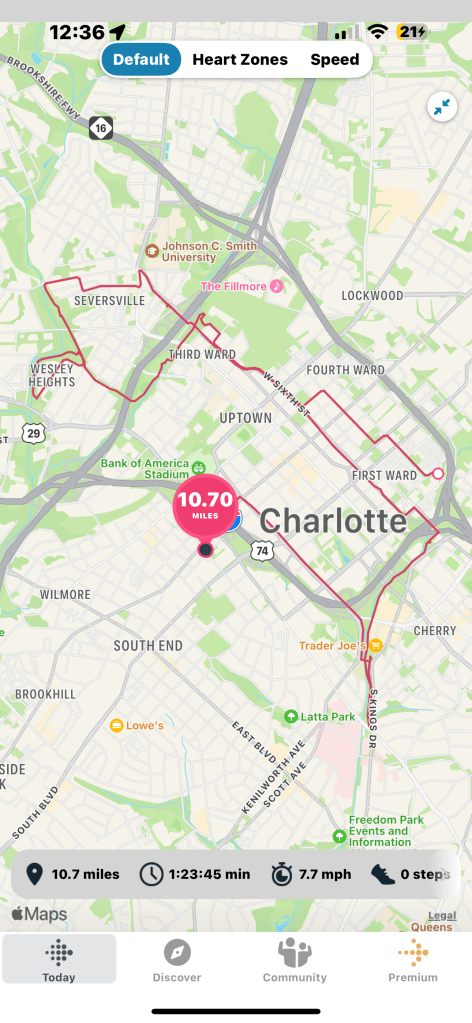
The Evening was full of exploration with a 17 mile scooter ride through some of Charlotte’s best neighborhoods such as Noda, Dilworth and South End. The network of greenways and on street infrastructure made this a very low stress ride. Check out the gallery for a taste of some of the highlights and beautiful mix of housing types.
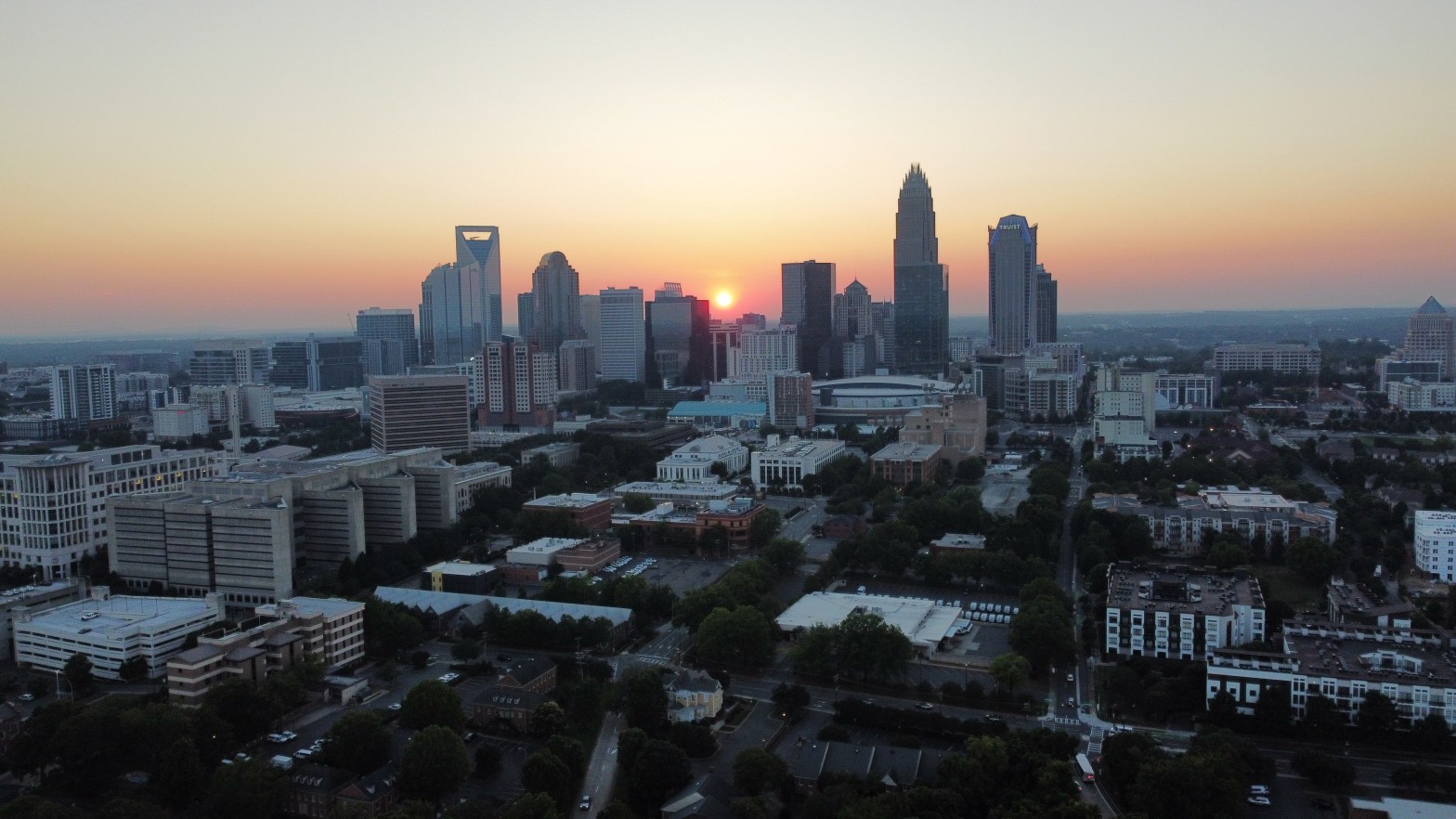
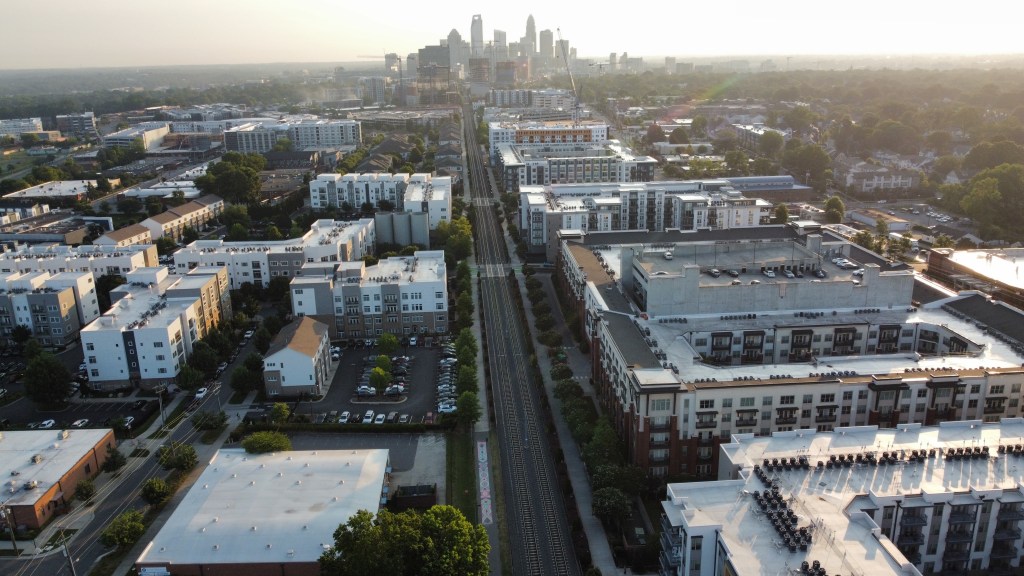
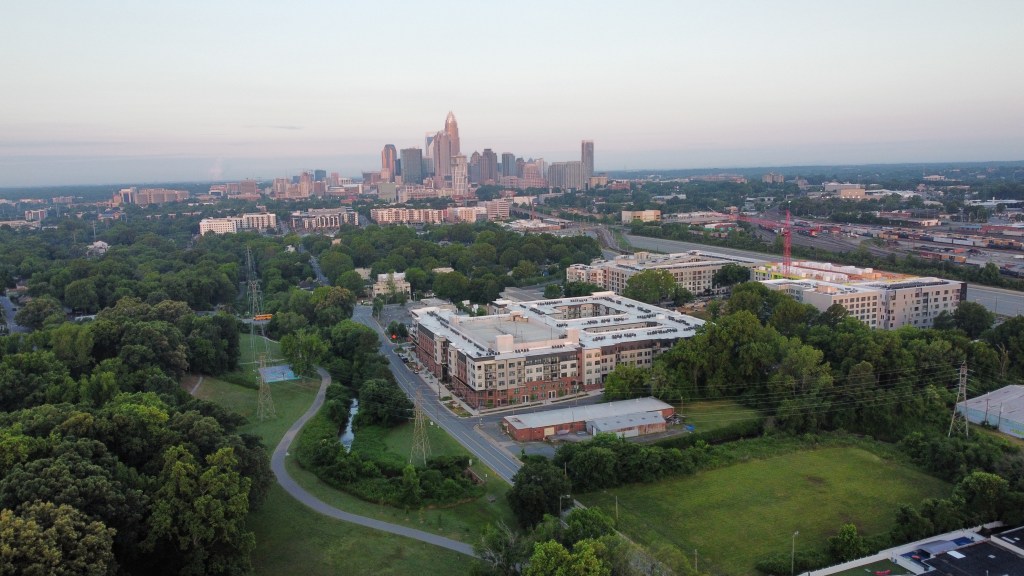
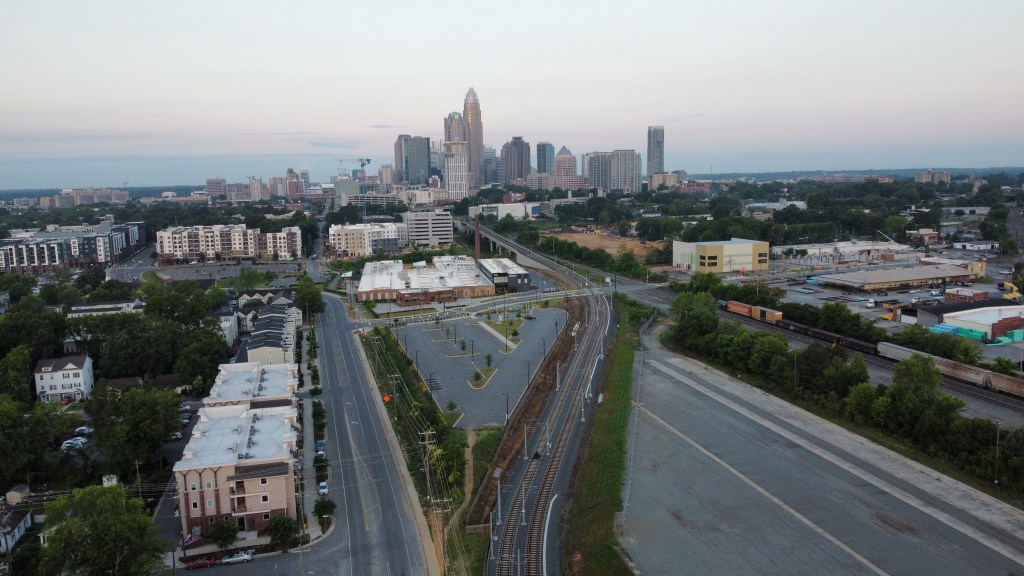
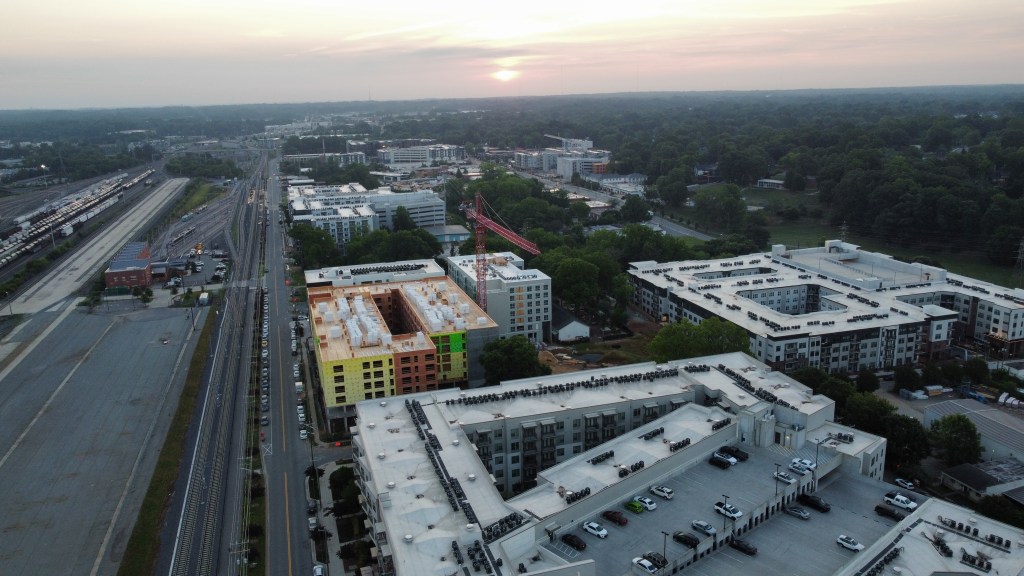
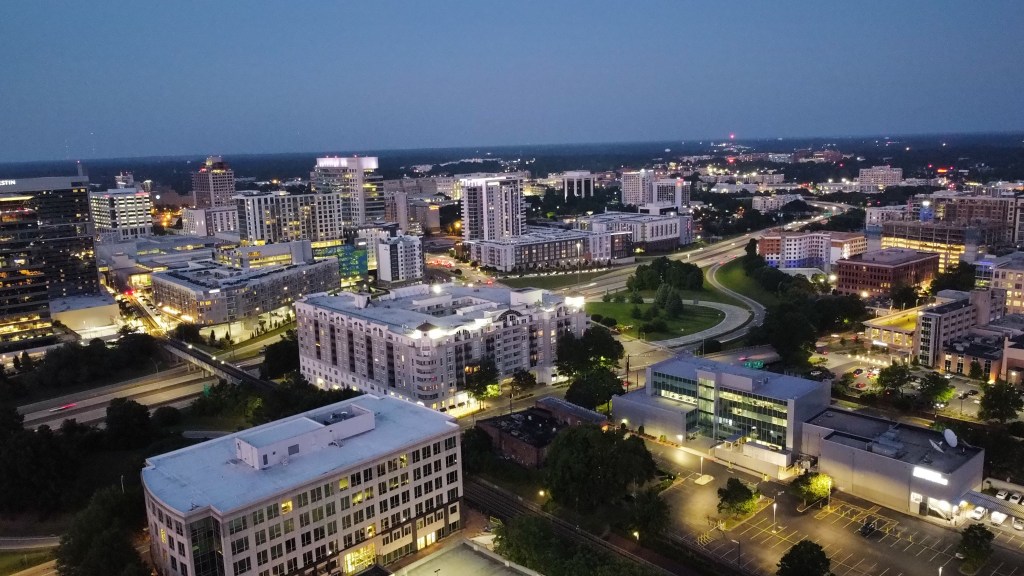
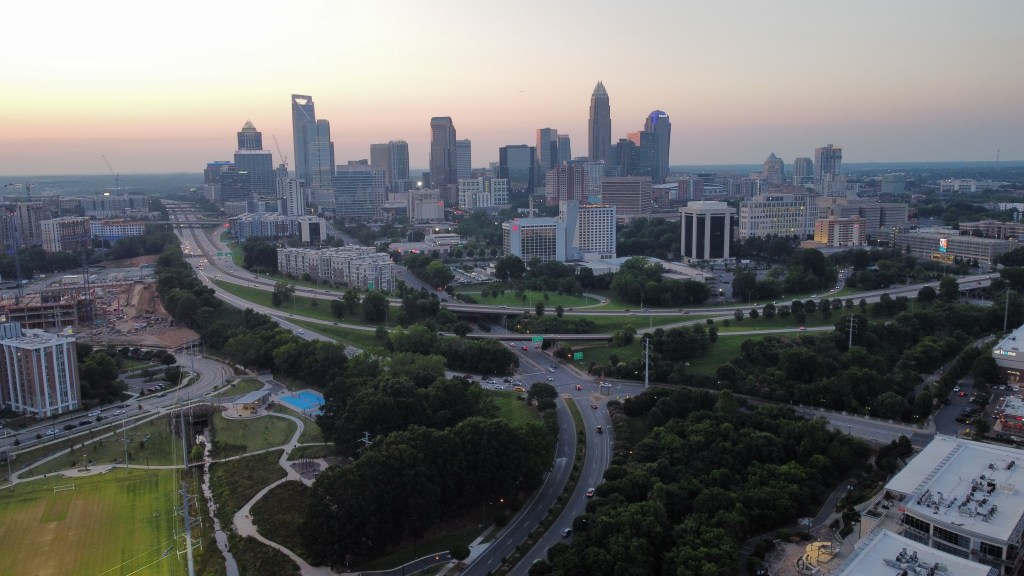
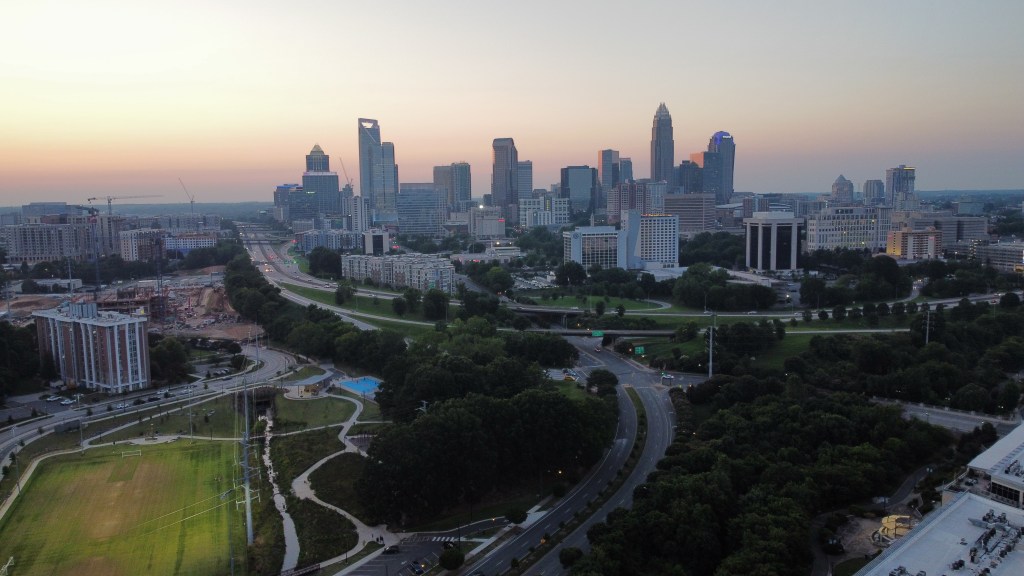
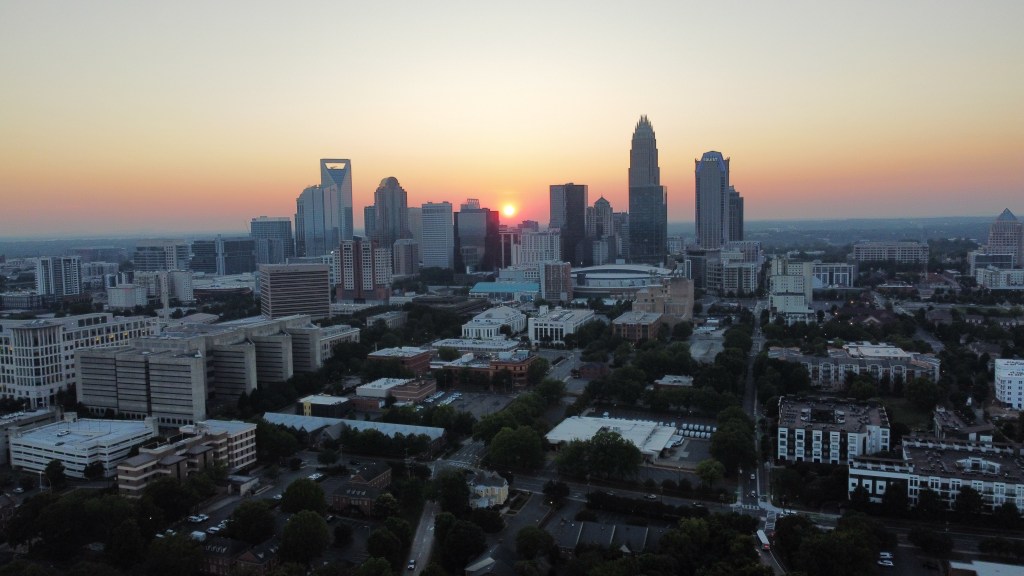
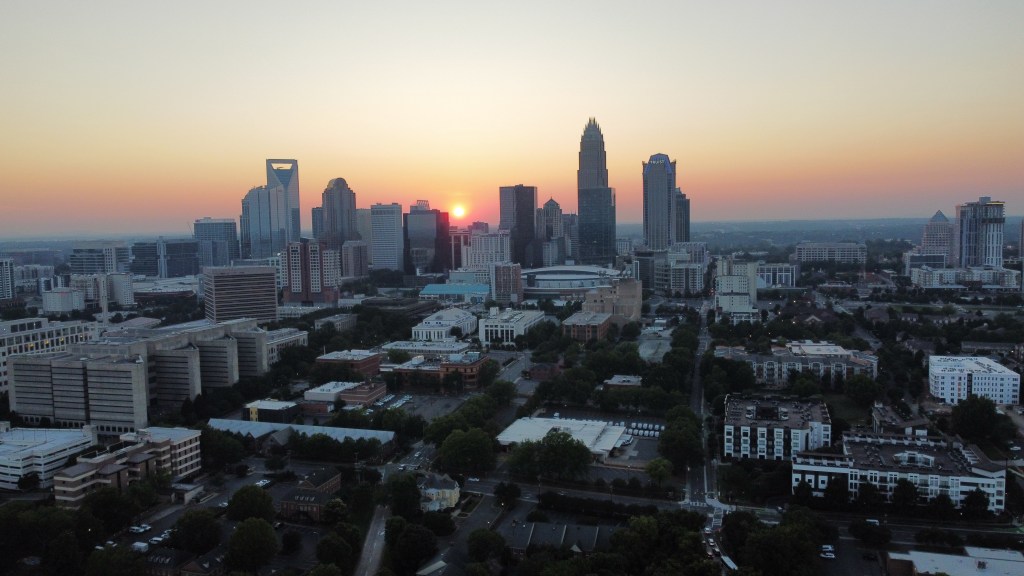
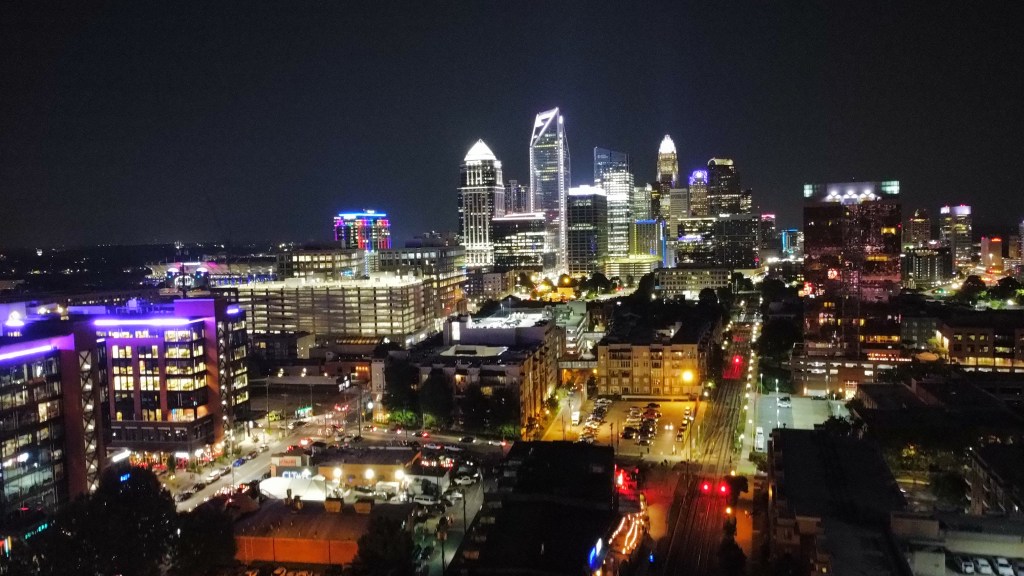
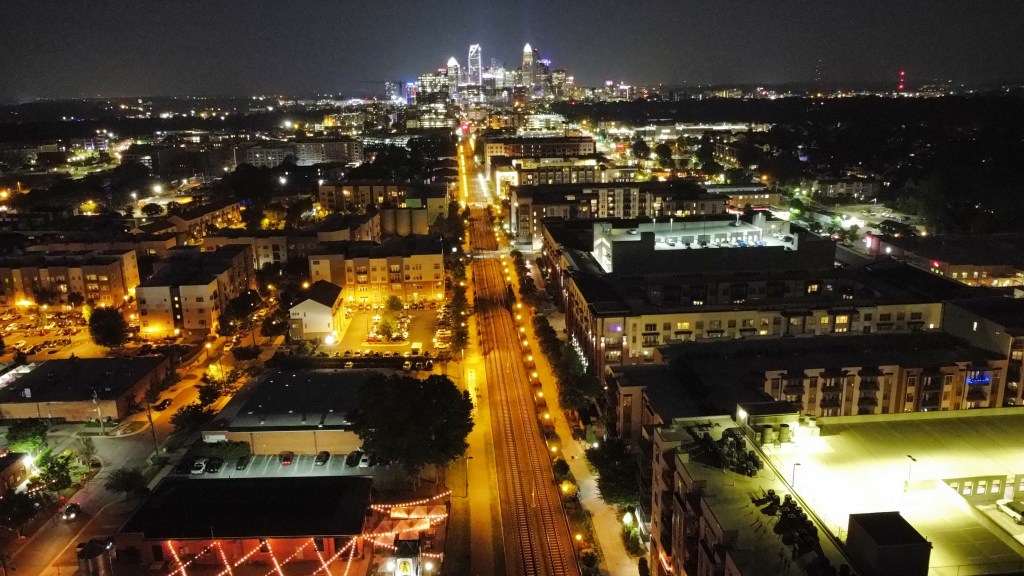
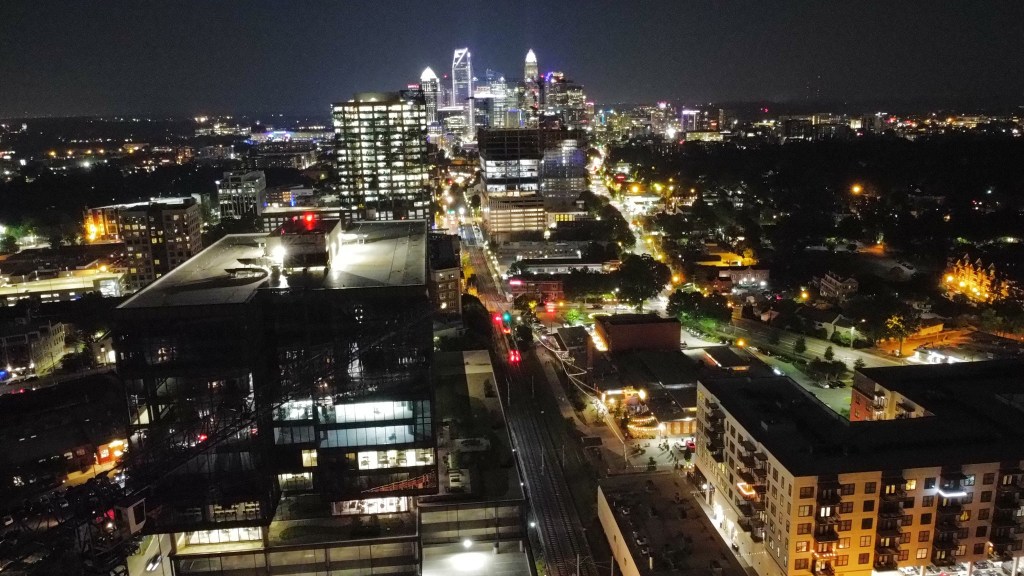
Friday kicked off with an early morning ride to capture some sunrise drone shots.
Some colleagues and I then led clients from NW Arkansas on a tour of South End focused on TOD opportunities.
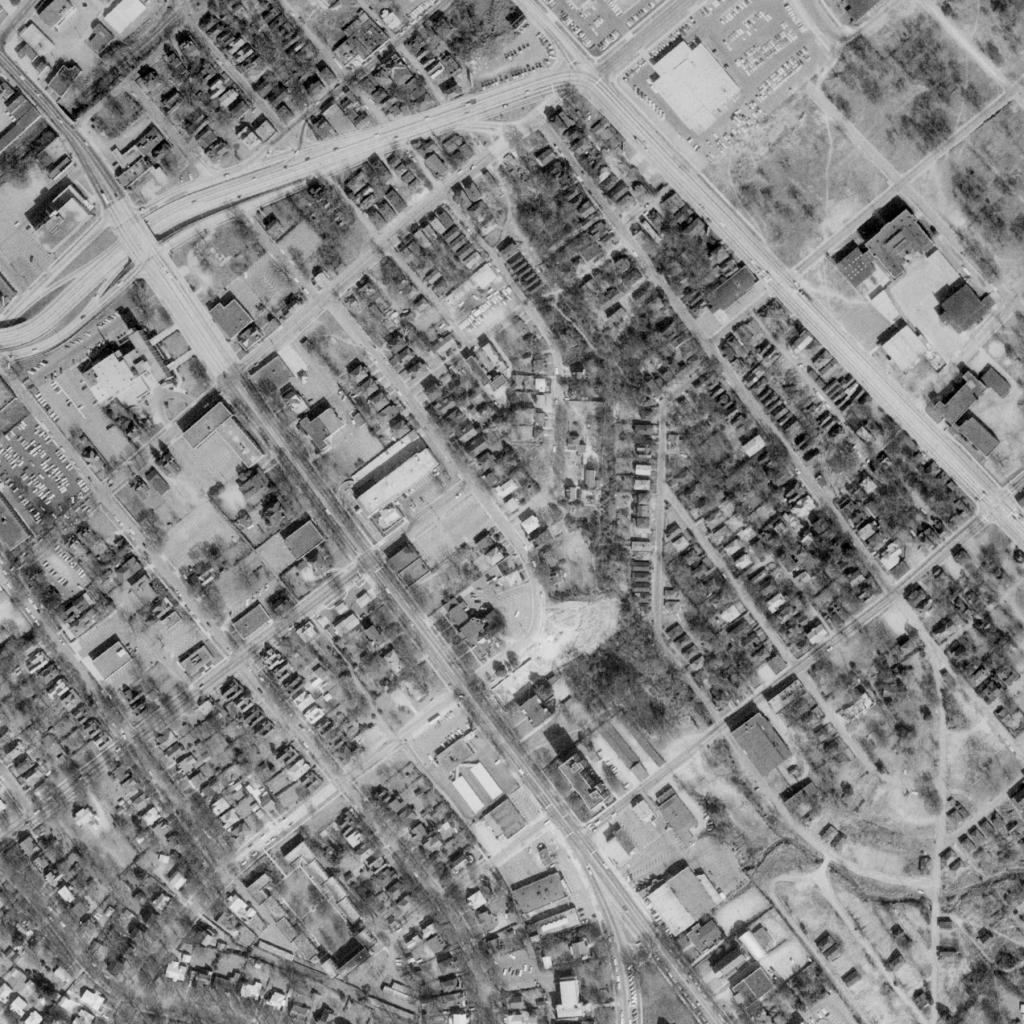
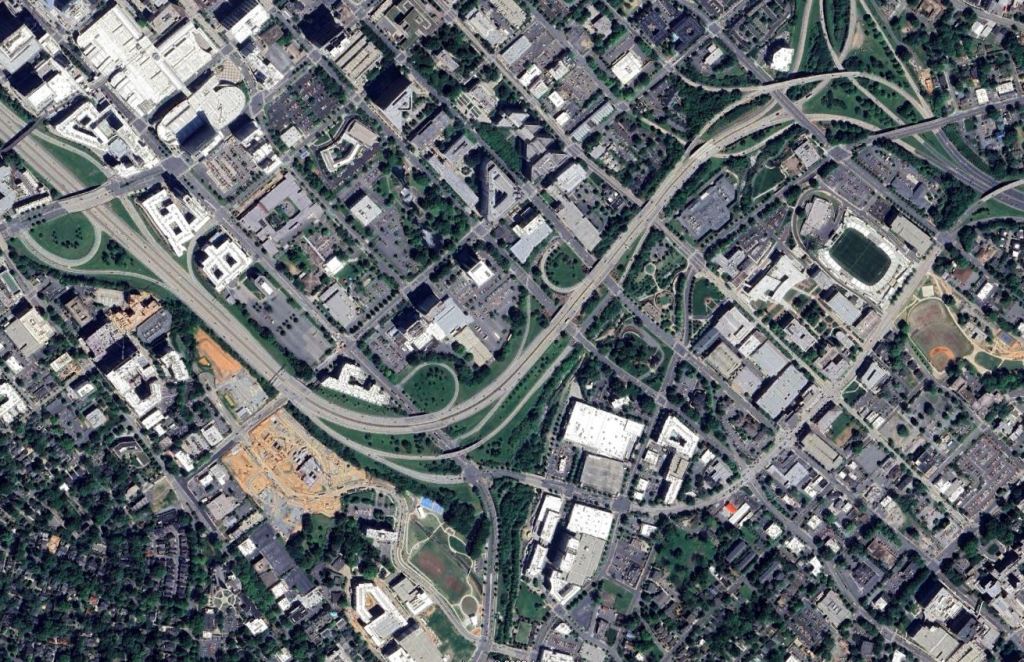
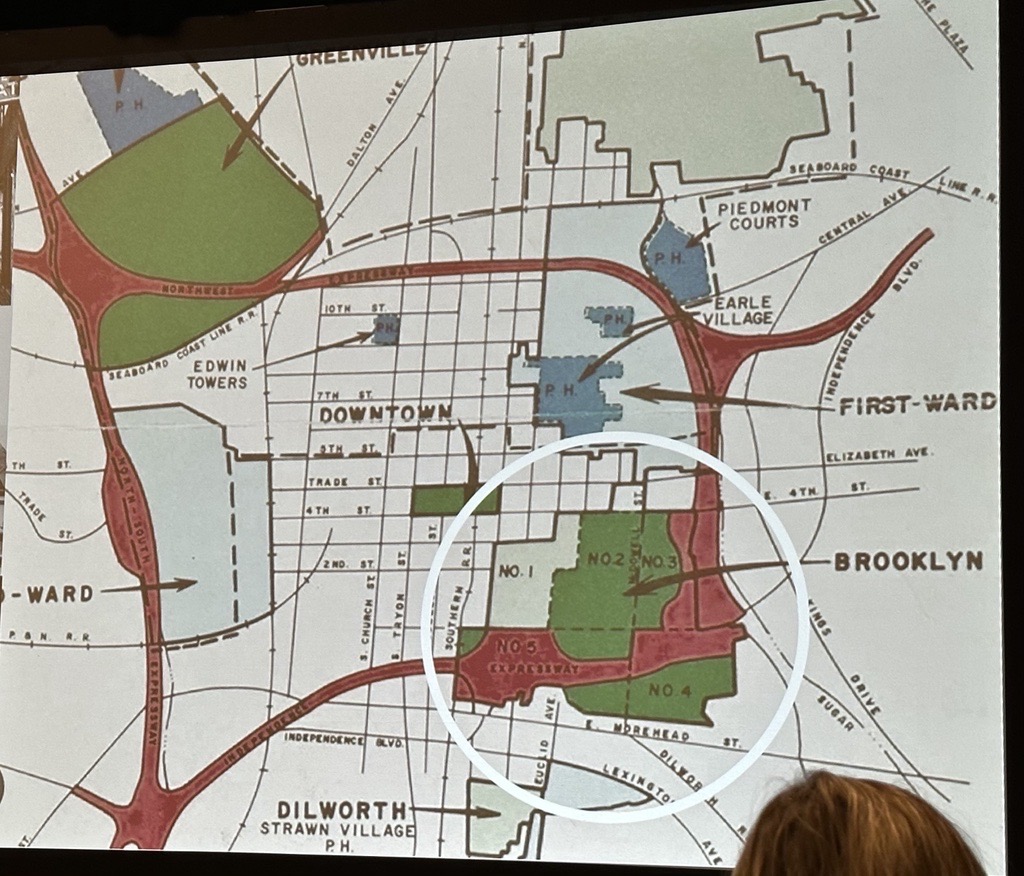
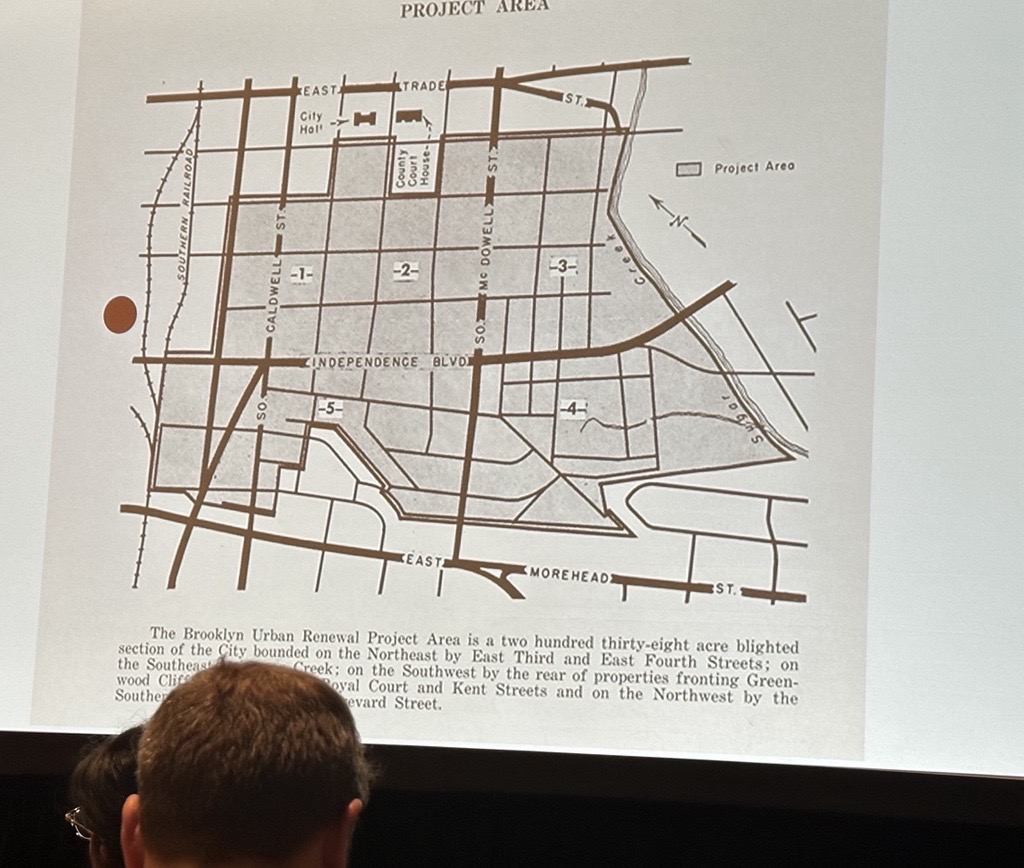
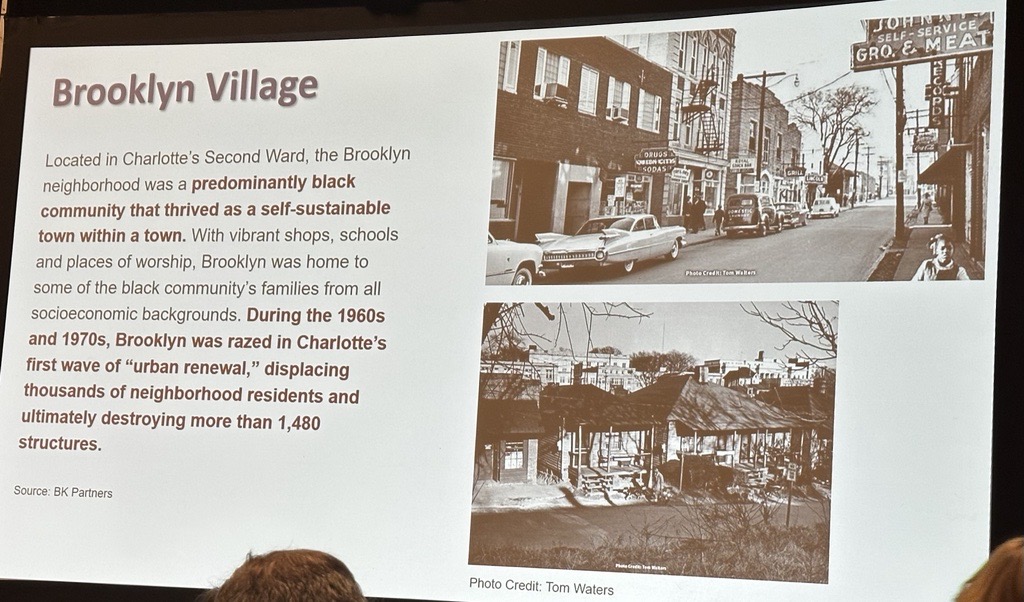
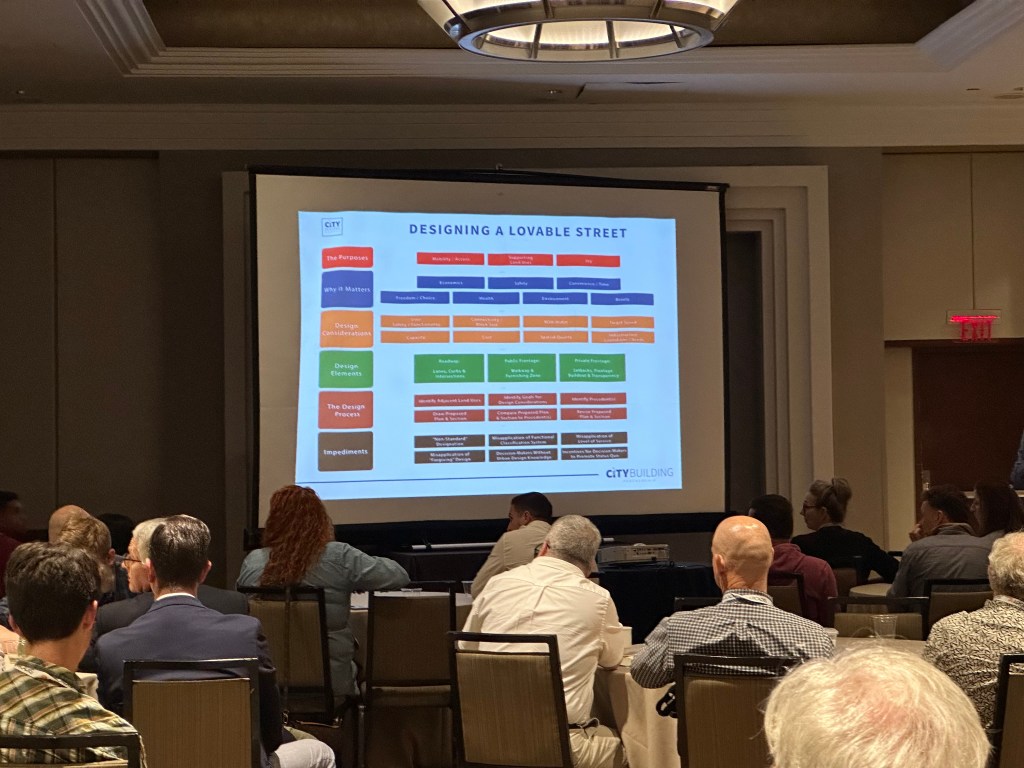
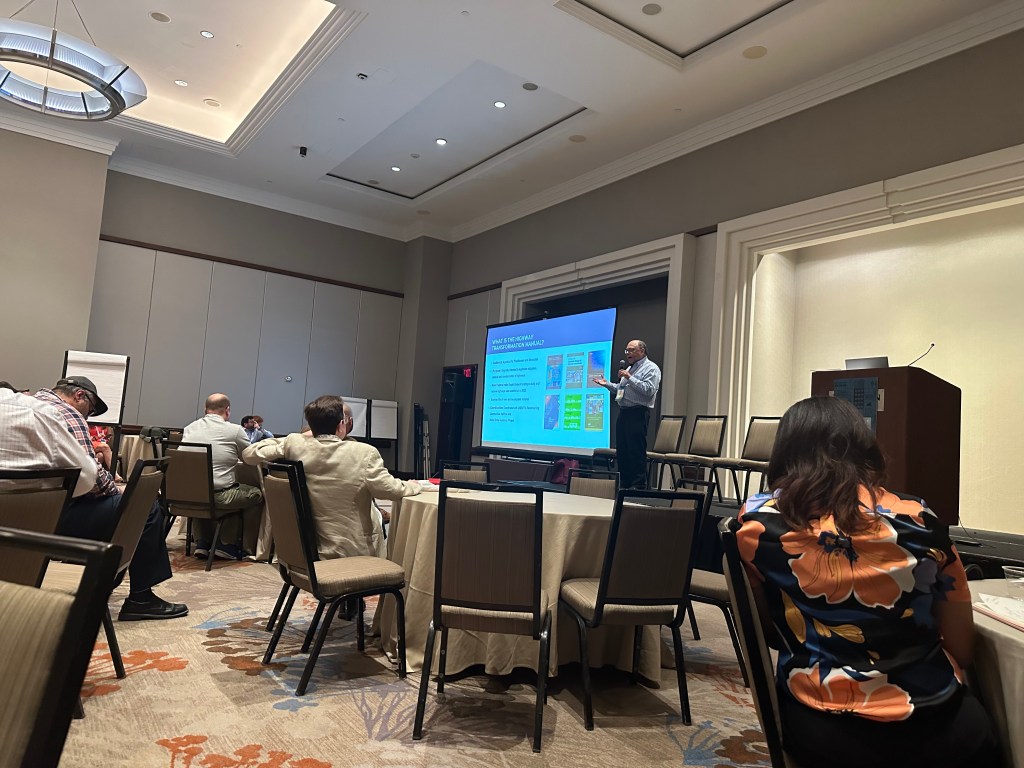
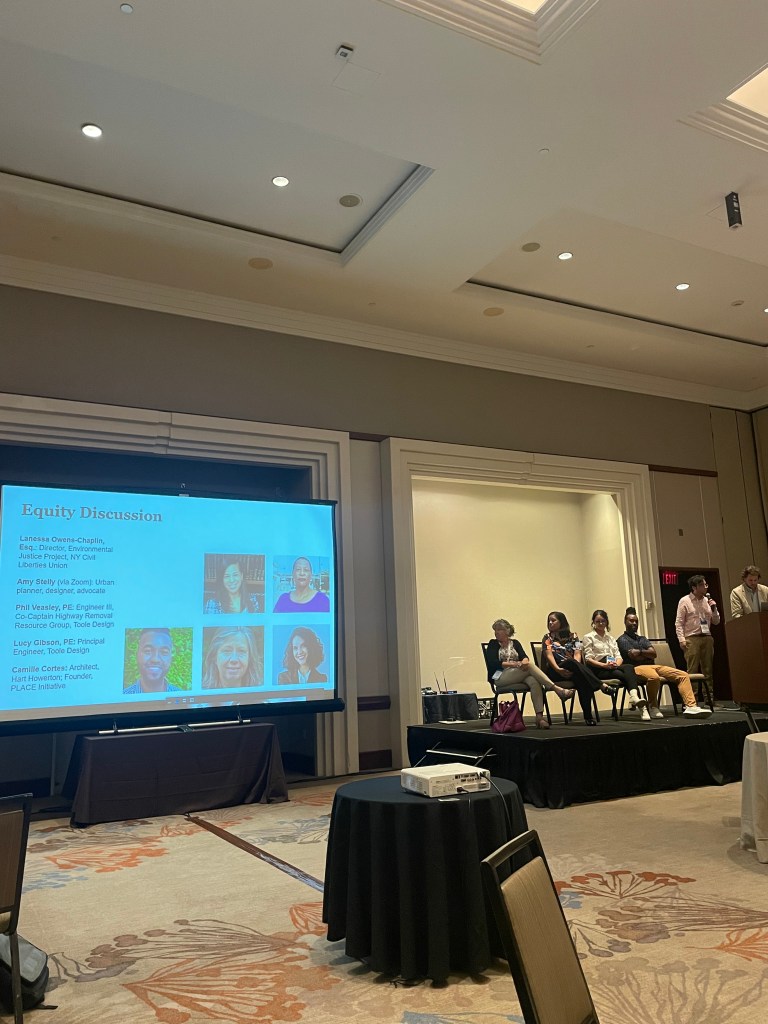
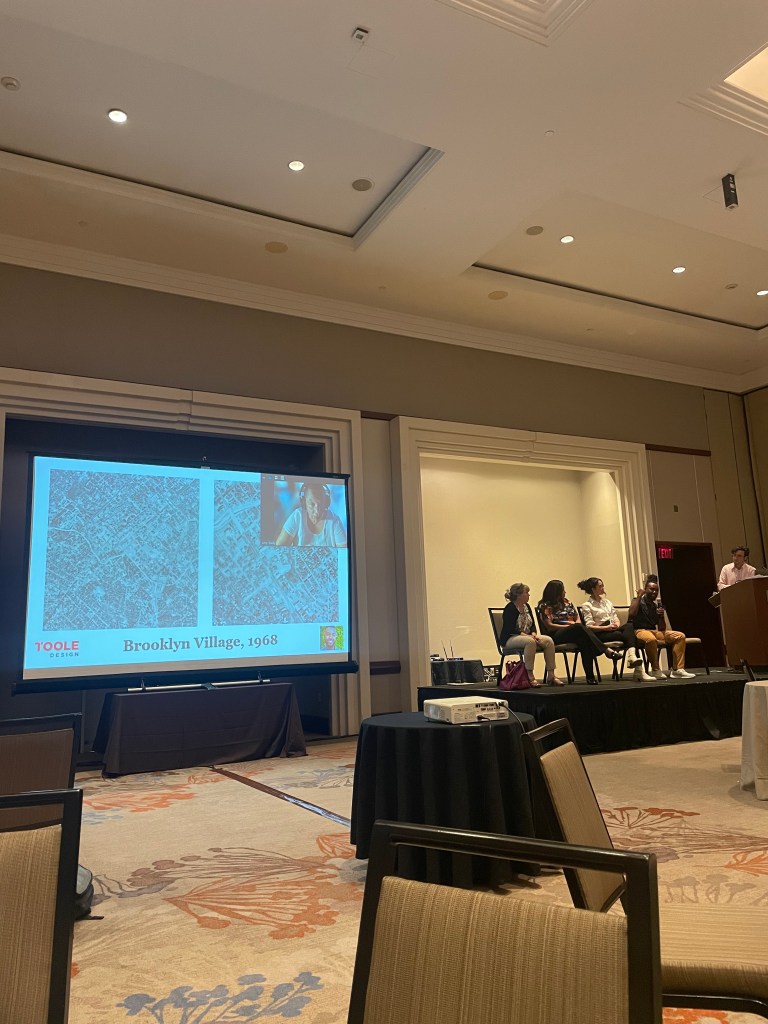
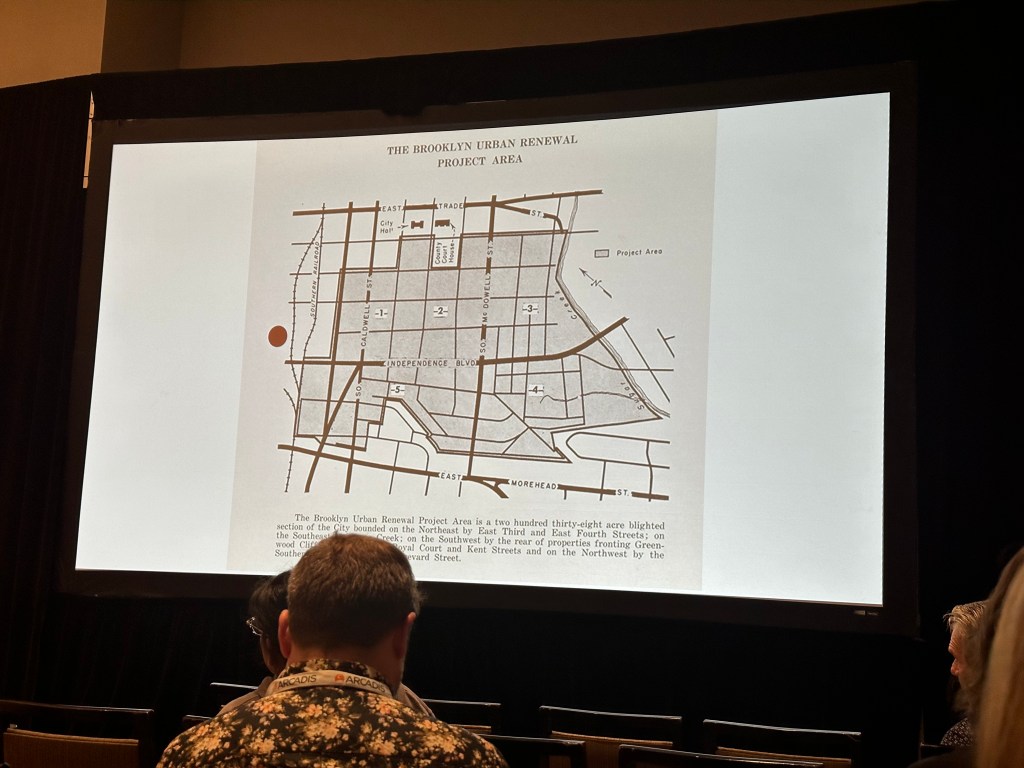
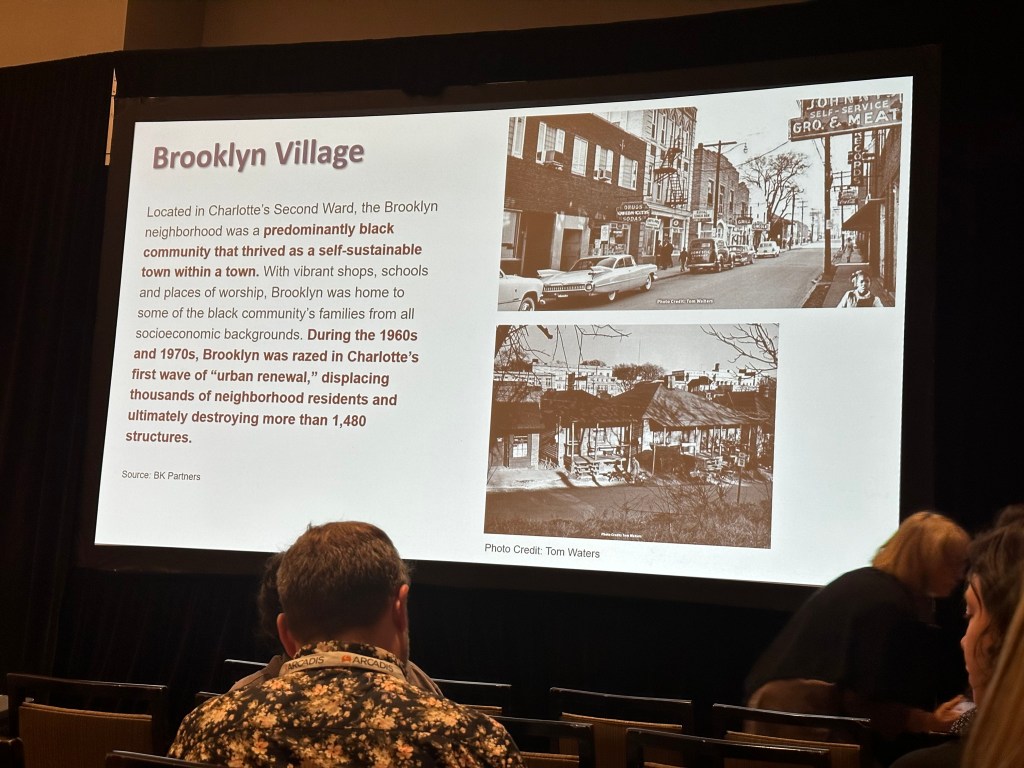
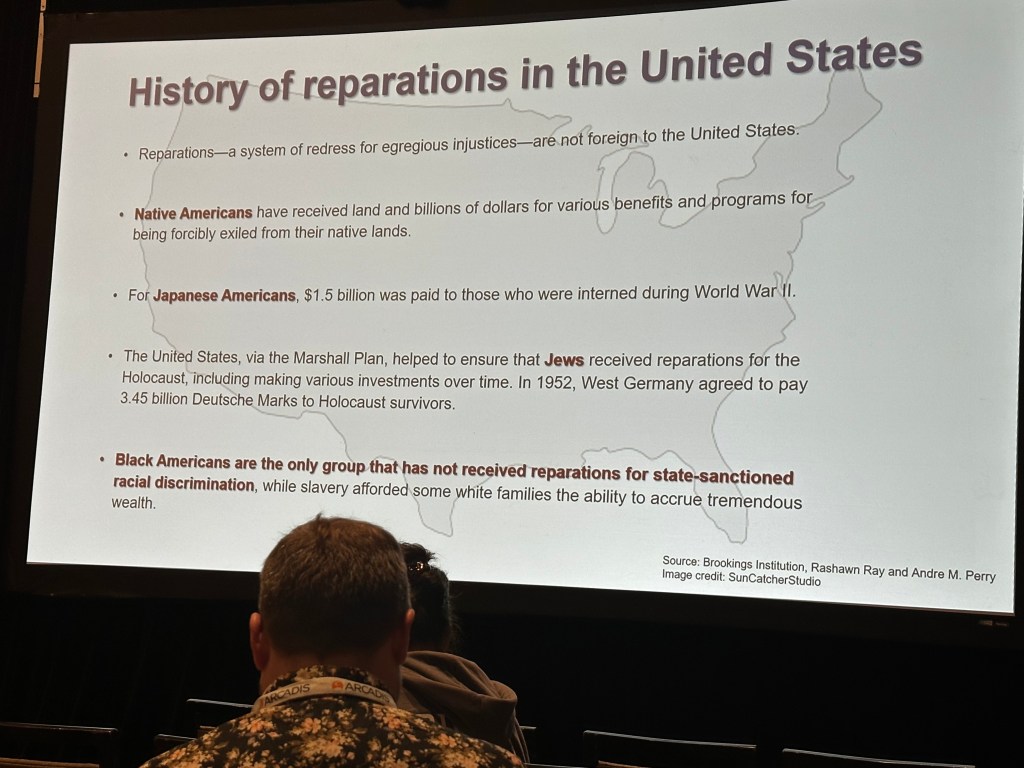
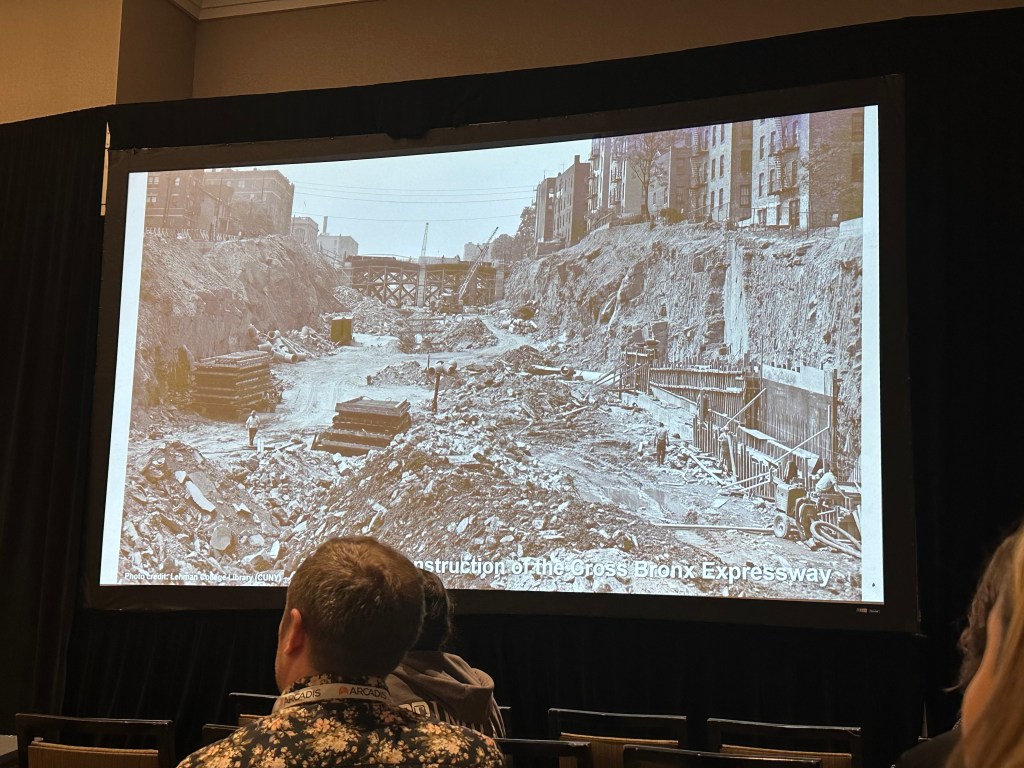
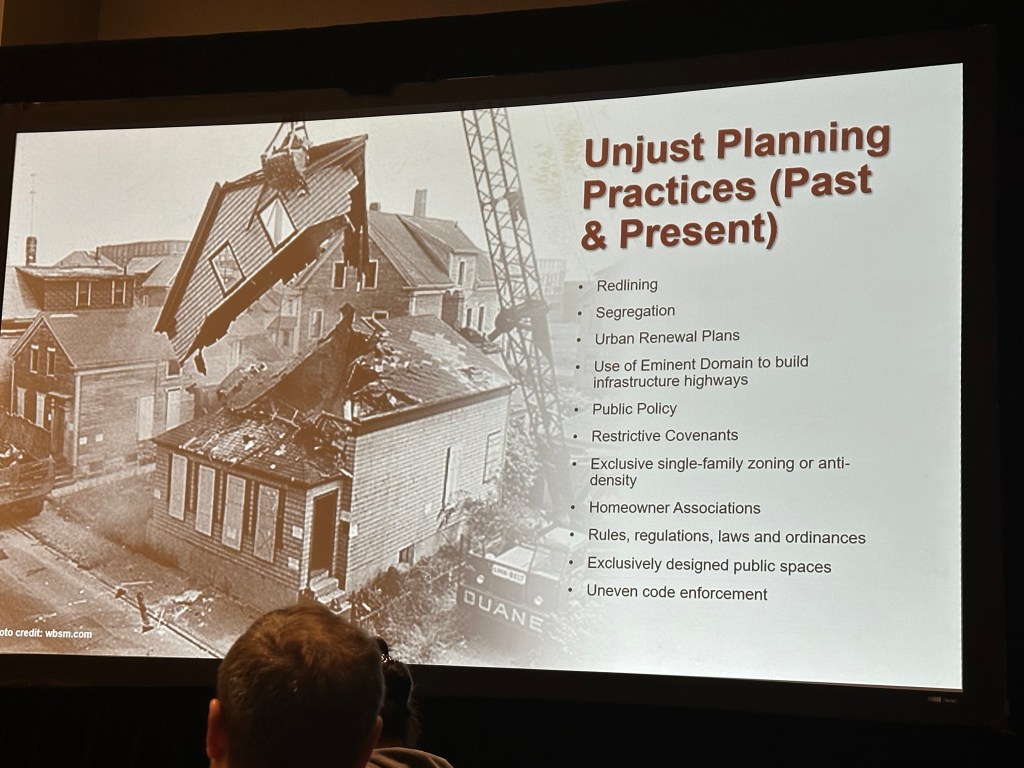
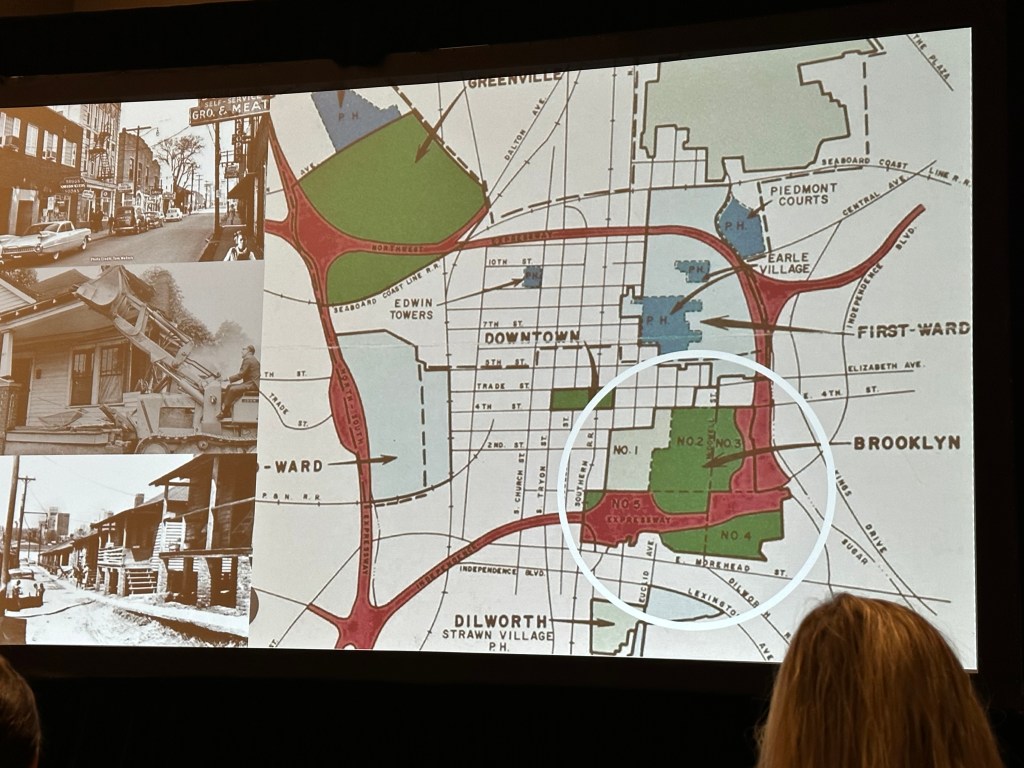
Sessions attended on Friday included urban street design practices, methods in attracting a diverse talent pool, and a highway transformation workshop in which I also had the honor of participating in the equity discussion portion. Removing highways in urban environments is a win and has endless benefits, but we must ensure that those benefits are available to all. Brooklyn Village was a thriving Black neighborhood adjacent to Uptown which was demolished during Urban Renewal efforts and to construct I-277.
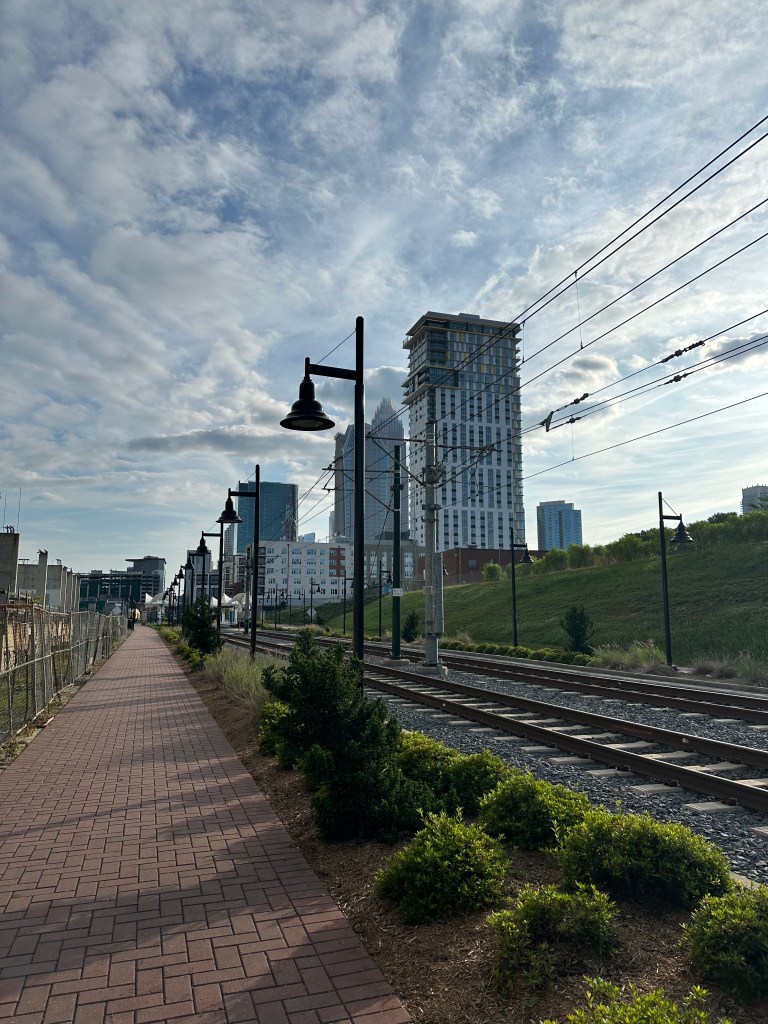
Another great ride and walk was in store for the evening through the great neighborhoods of Plaza Midwood, Uptown, South End, Wesley Heights, and Seversville. Hats off to Charlotte for some of the best on street infrastructure and greenway elements around.
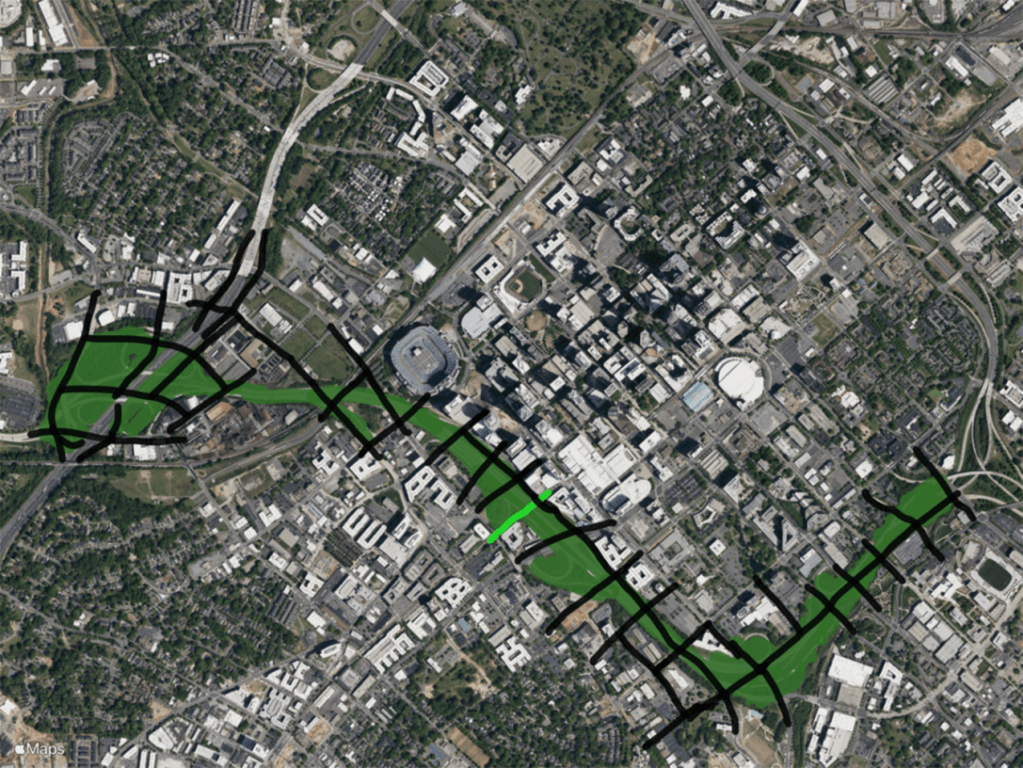
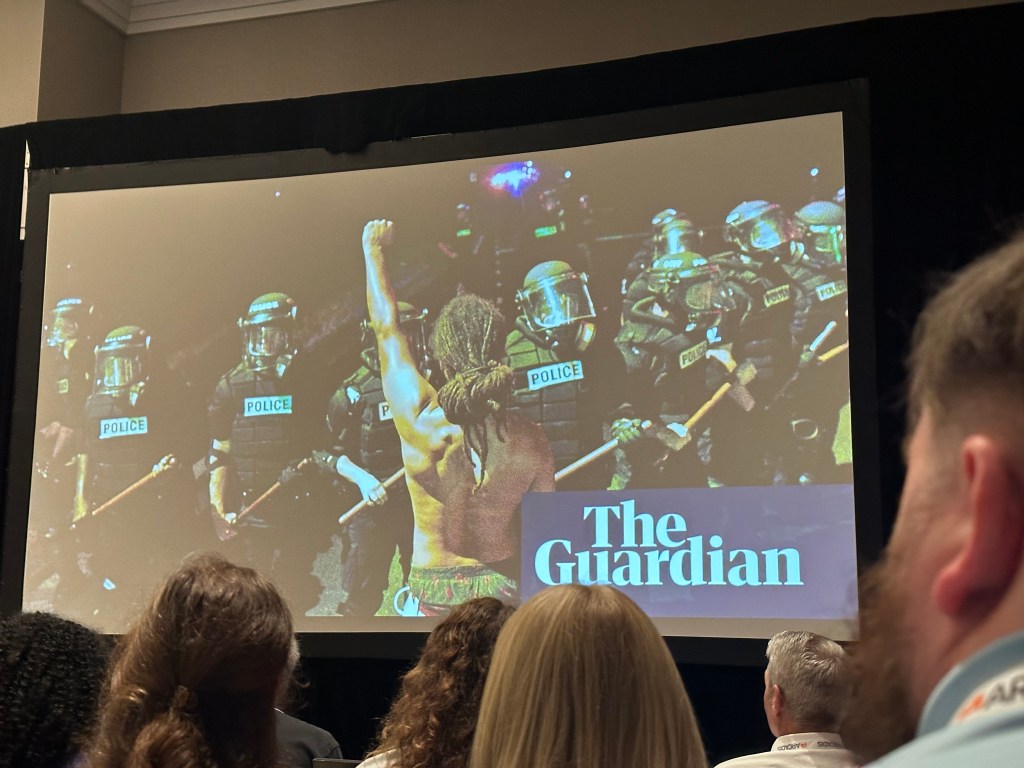
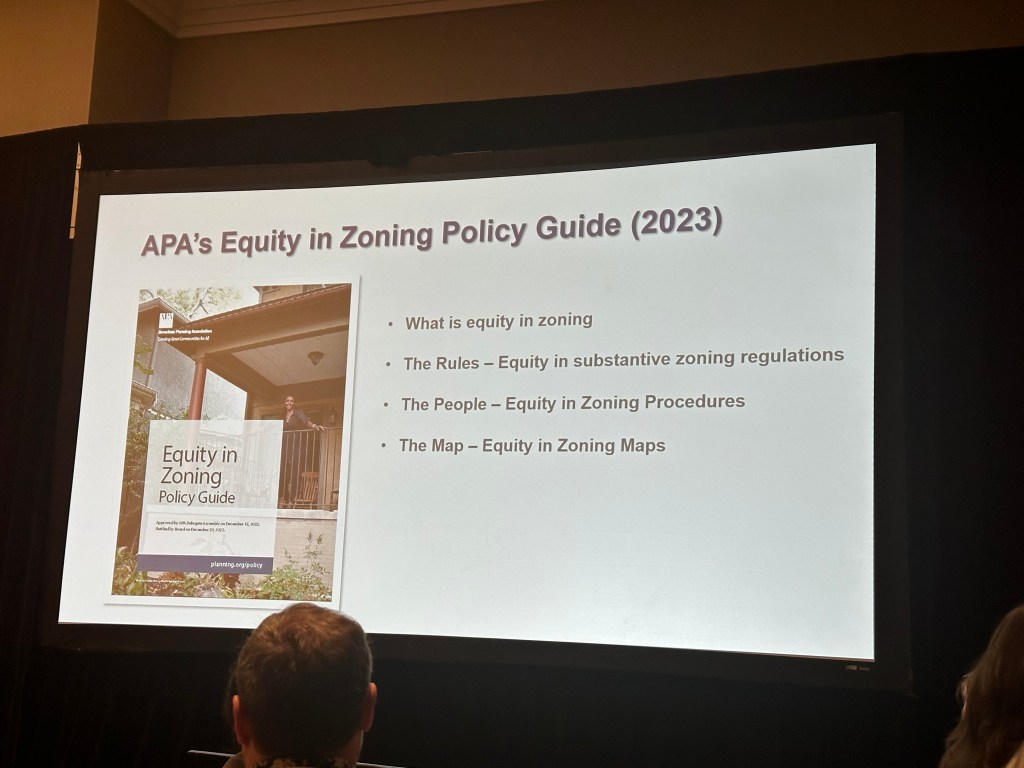
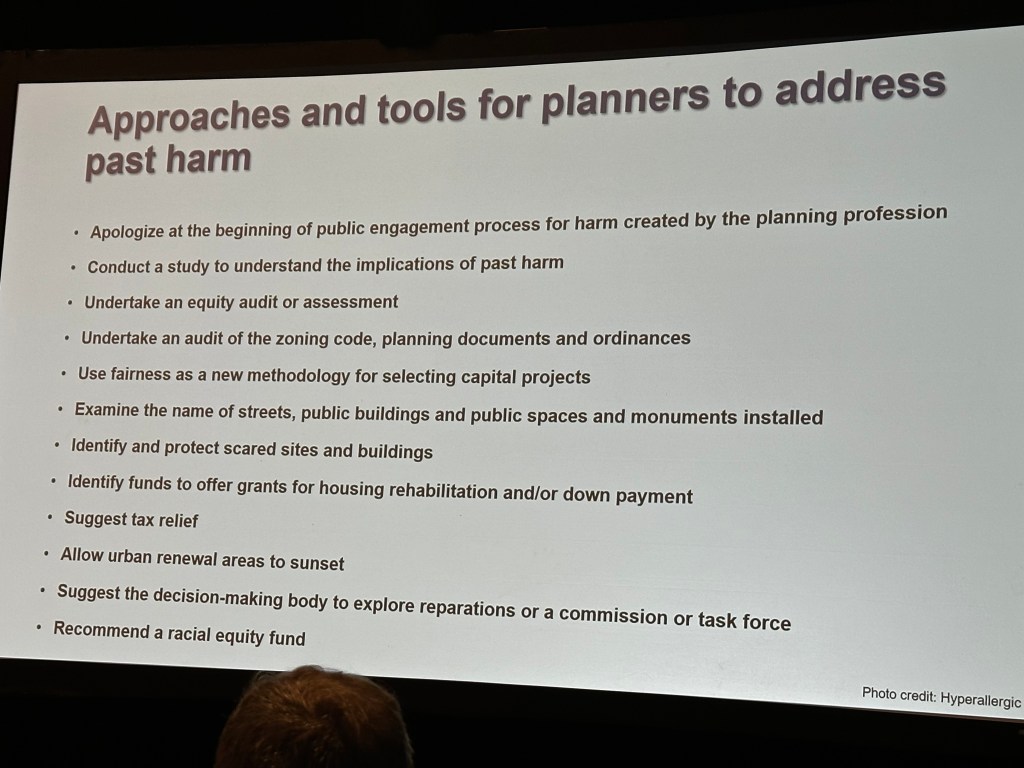
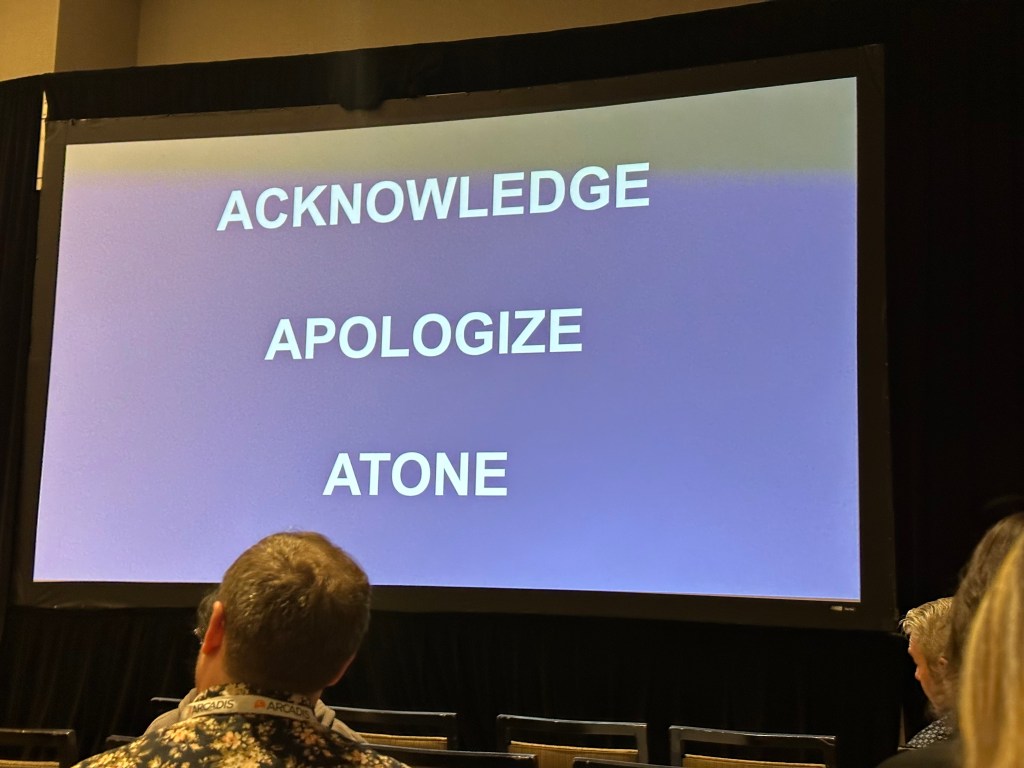
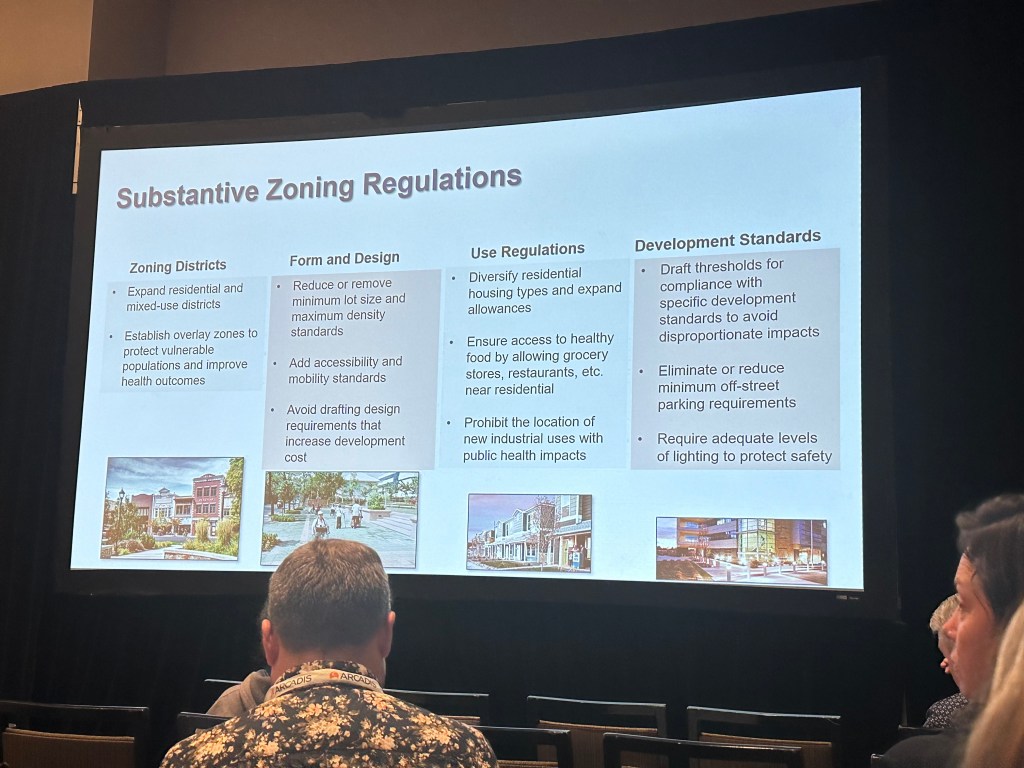
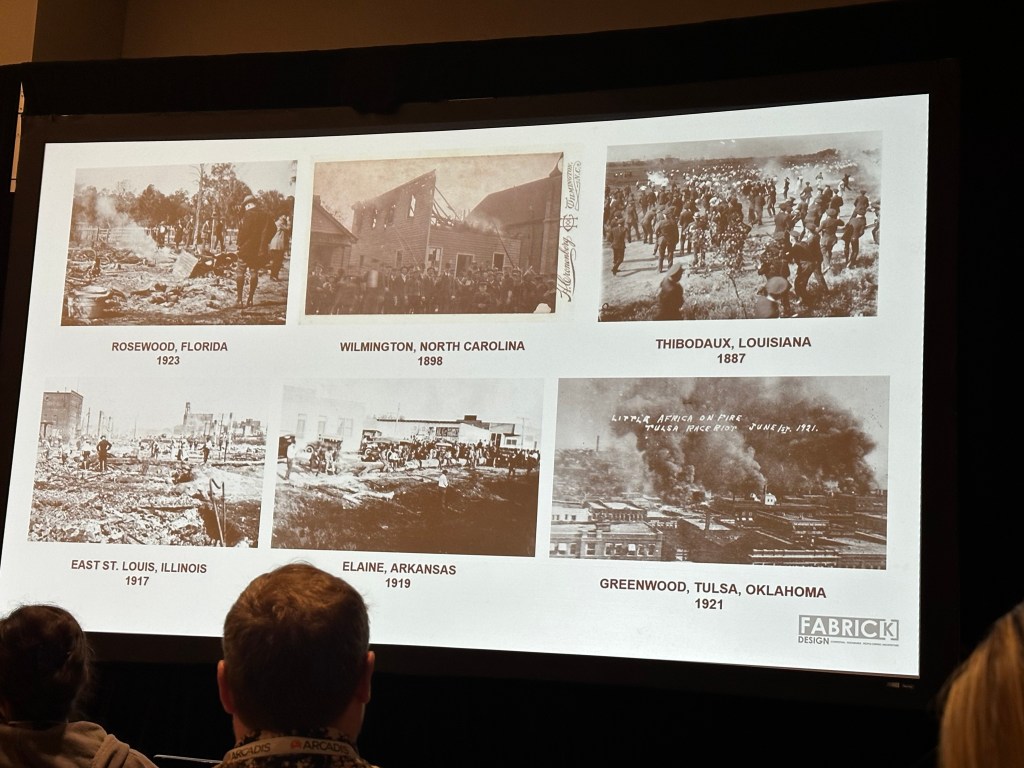
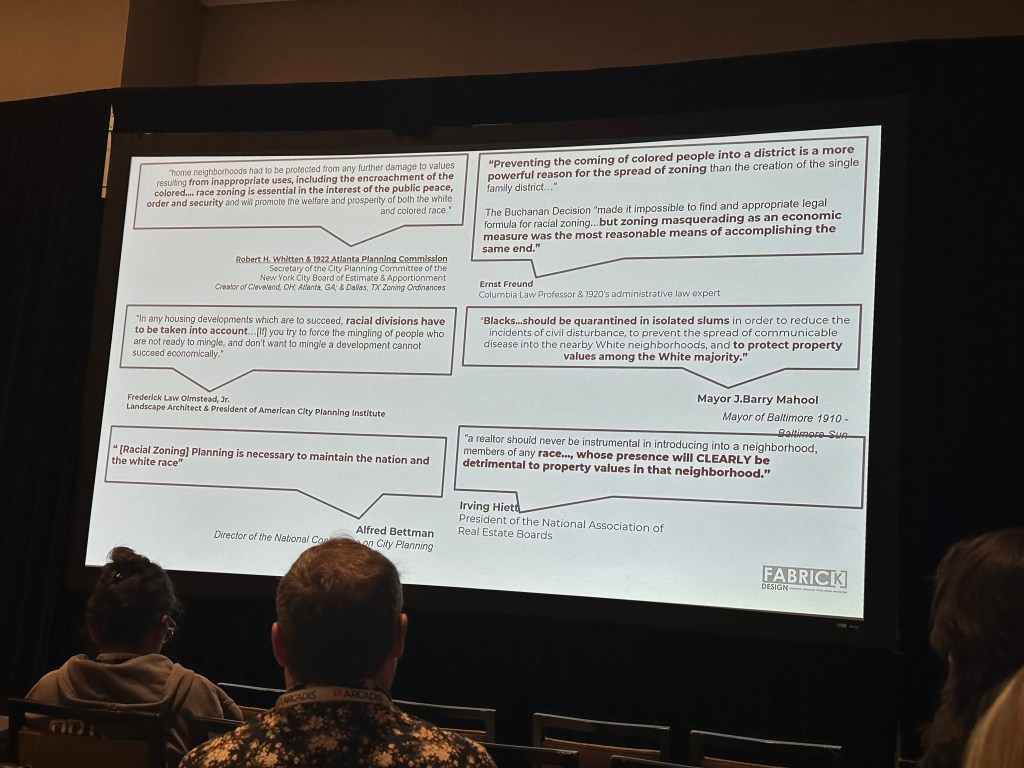
Attendees who struck around Saturday morning were left with powerful presentations from Mitchell Silver and Marques King. Silver dove into more details about the Brooklyn Village neighborhood, where over 3000 residents were displaced as well as other wrongs that we must right within the industry. It was truly inspiring and will honestly shape a lot of my thinking going forward. As mentioned earlier I’ve explored how a I-277 removal can work but it’s time to go beyond that and think about how Brooklyn Village can be properly restored. The highway removal will just be one piece of the greater effort.
Other sessions Saturday included tips on creating better building faces from the street and closing reflections from CNU staff, Terry Shook, and Taiwo Jaiyeoba. It also left me with a great new phrase to replace NIMBY – The Cave People, Citizens Against Virtually Everything.
Being my first Congress, I went in not really knowing what to expect. I came away extremely impressed, inspired, and energized. CNU’s commitment to diversity among their membership and leadership should be noted. The connections I made and things I learned will last a lifetime. I wish I could list everyone who took the time to speak with me or left an impact on me! See you all next year in Cincinnati.
Phil Veasley is a registered Professional Engineer in NC and GA. Opinions and insights are my own and are not representative of my employer or any organization. Any ideas displayed on this site are purely that – just ideas to help improve the future of the built environment and begin discussions.
CNU 31 heads to Charlotte May 31st to June 3rd featuring many of the brightest minds from the Urbanist Community.
I have the honor of participating in two sessions during the event:
Thursday at 4: Engineer’s Forum: Panel discussion on how to overcome barriers in conventional practices for development and transportation investments.
Participants: Lucy Gibson, PE, Paul Crabtree, PE, Tony Sease, PE, Phil Veasley, PE
Friday at 4: Highway Transformation Session Part 4: Equity in Highway Transformation: Panel discussion on how highways in cities can be transformed into equitable corridors.
Participants: Lanessa Owens-Chaplin, Esq, Amy Stelly, Lucy Gibson, PE, Camille Cortes, Taylor Korslin, Hayden Black Walker, Phil Veasley, PE
Outside of the sessions I’m participating in, it will be hard to decide which others I attend since they all sound so great. From housing initiatives, zoning reforms, street design, and more there’s well over 50 sessions.
Outside of the conference itself there’s a city full of exploration opportunity just a quick light rail ride away.
South End
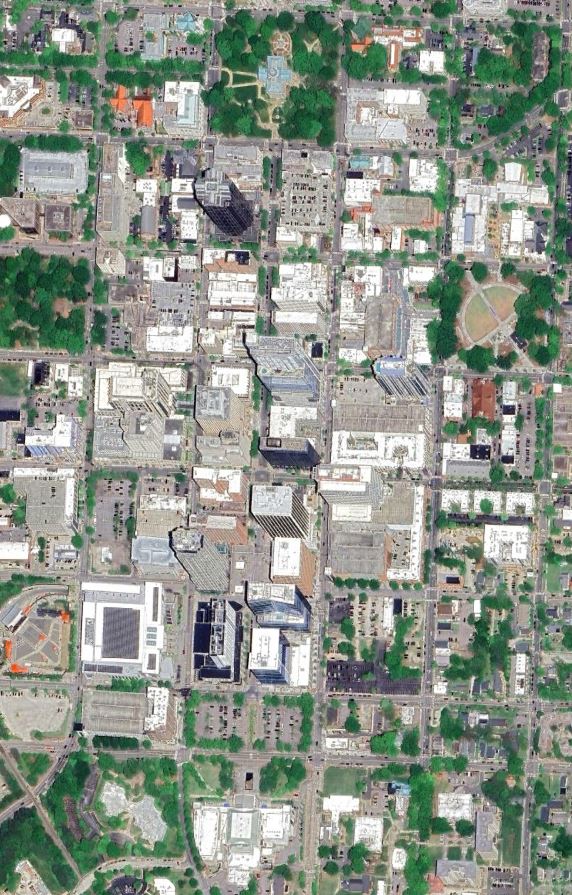
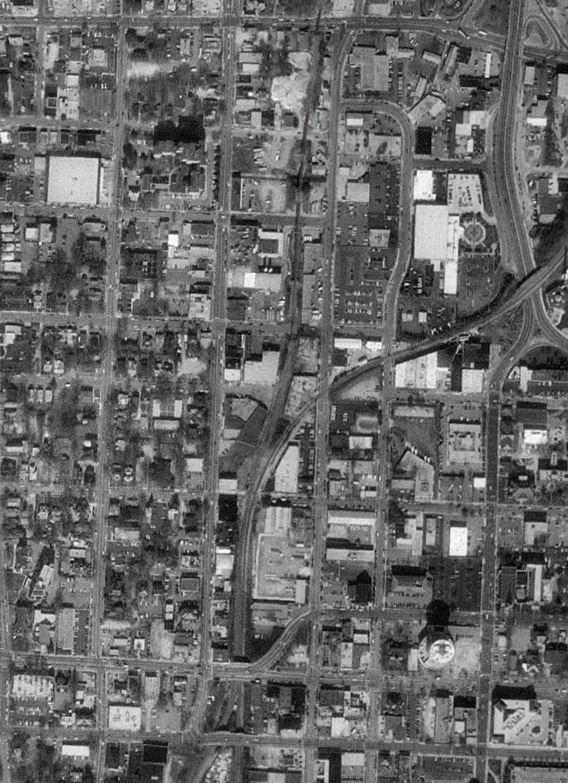
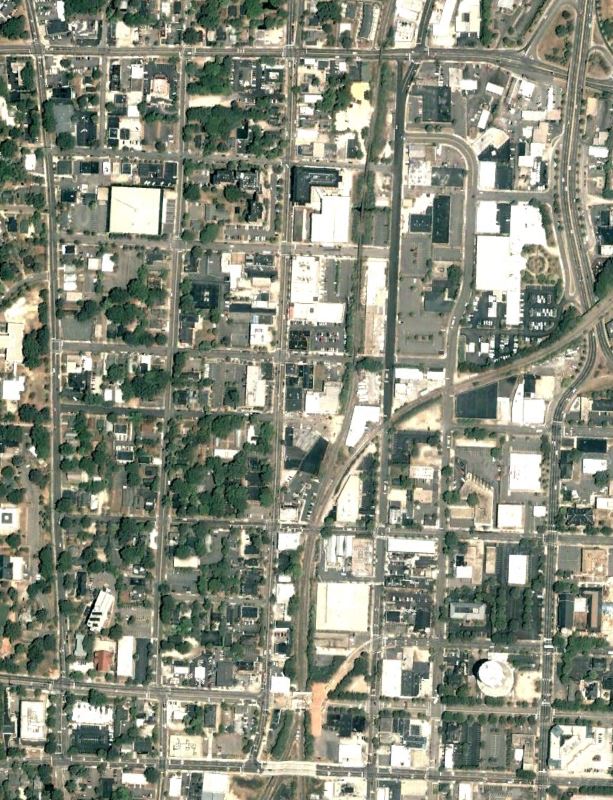
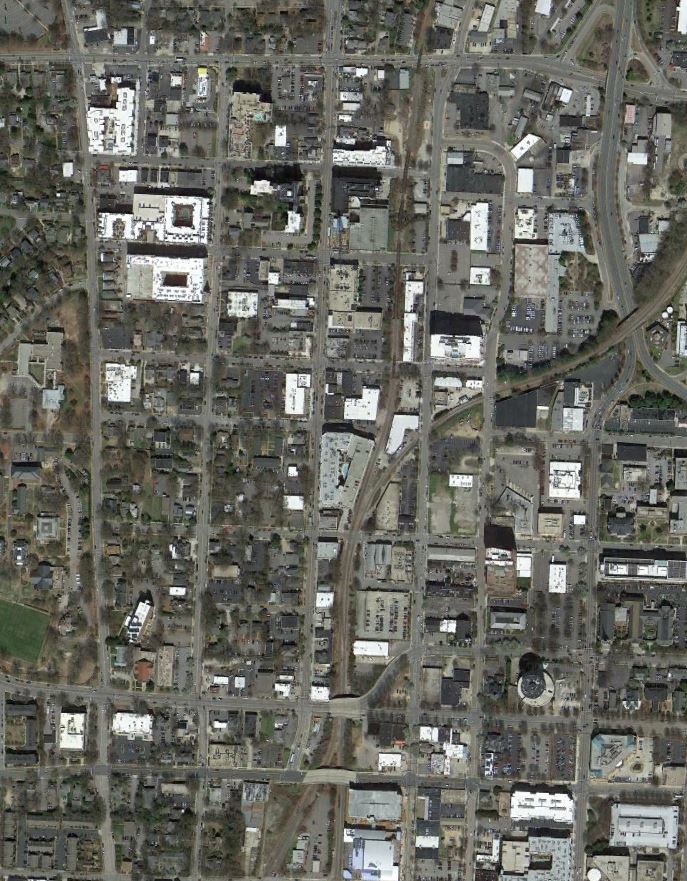
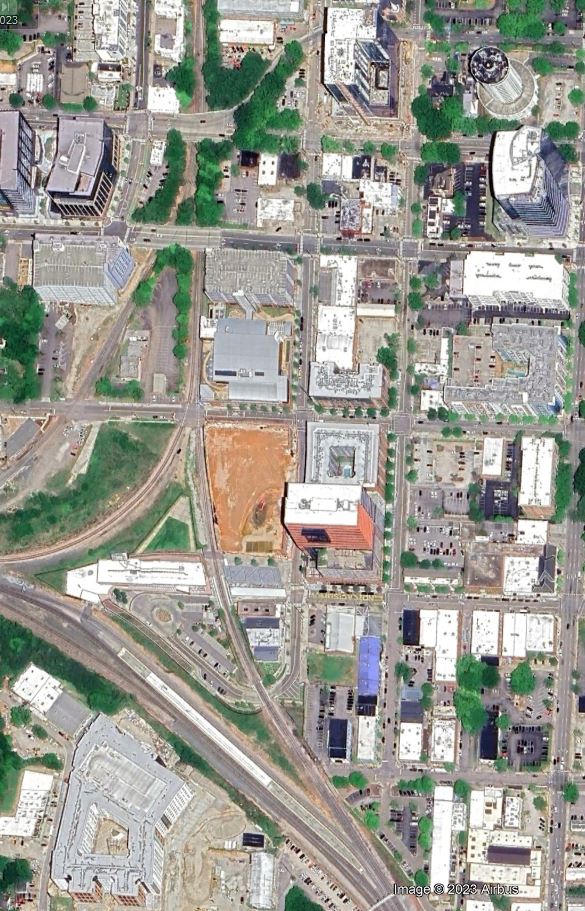
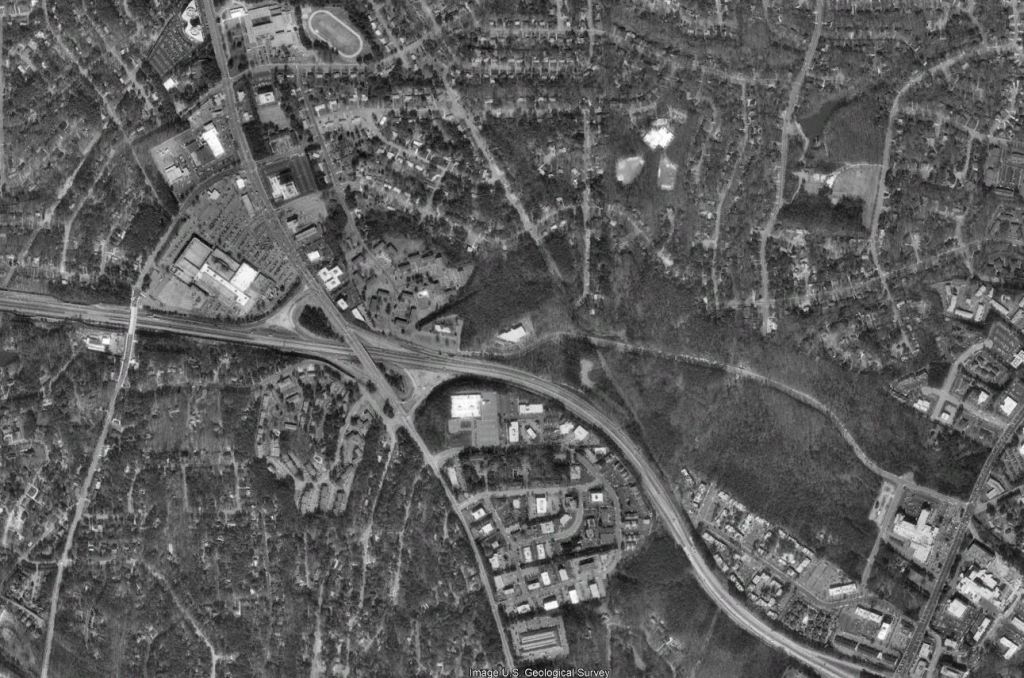
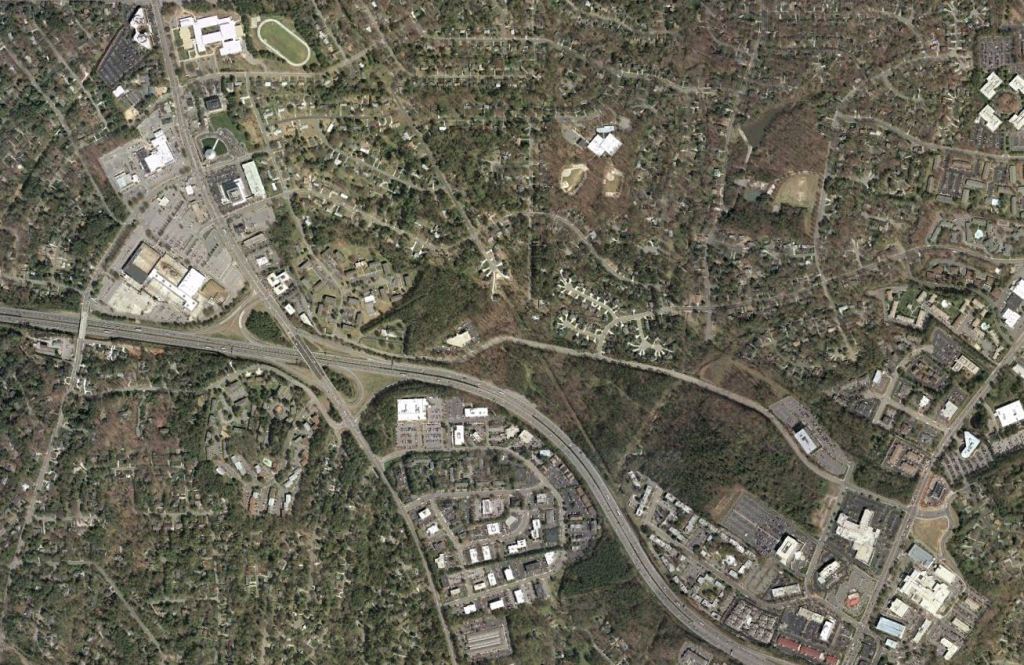
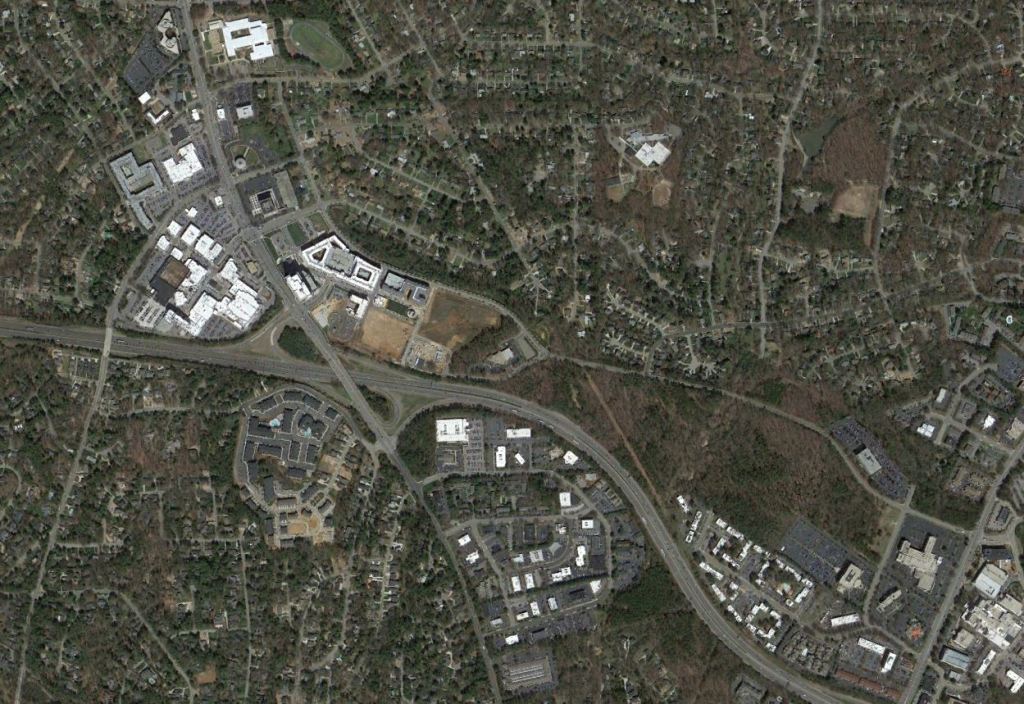
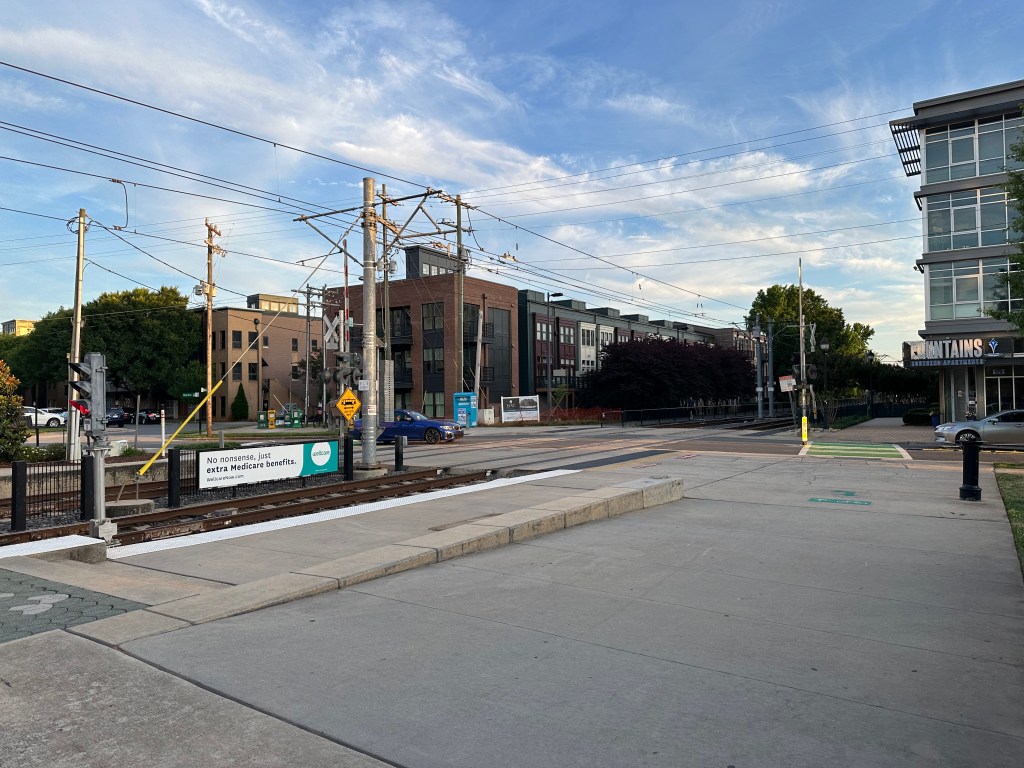
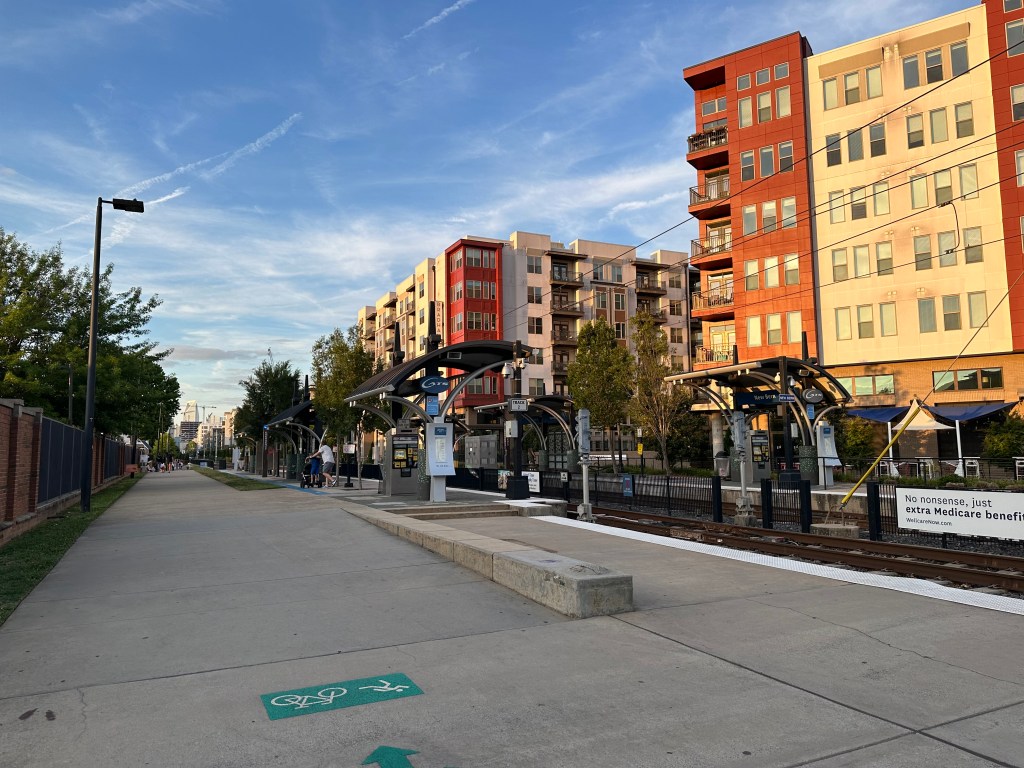
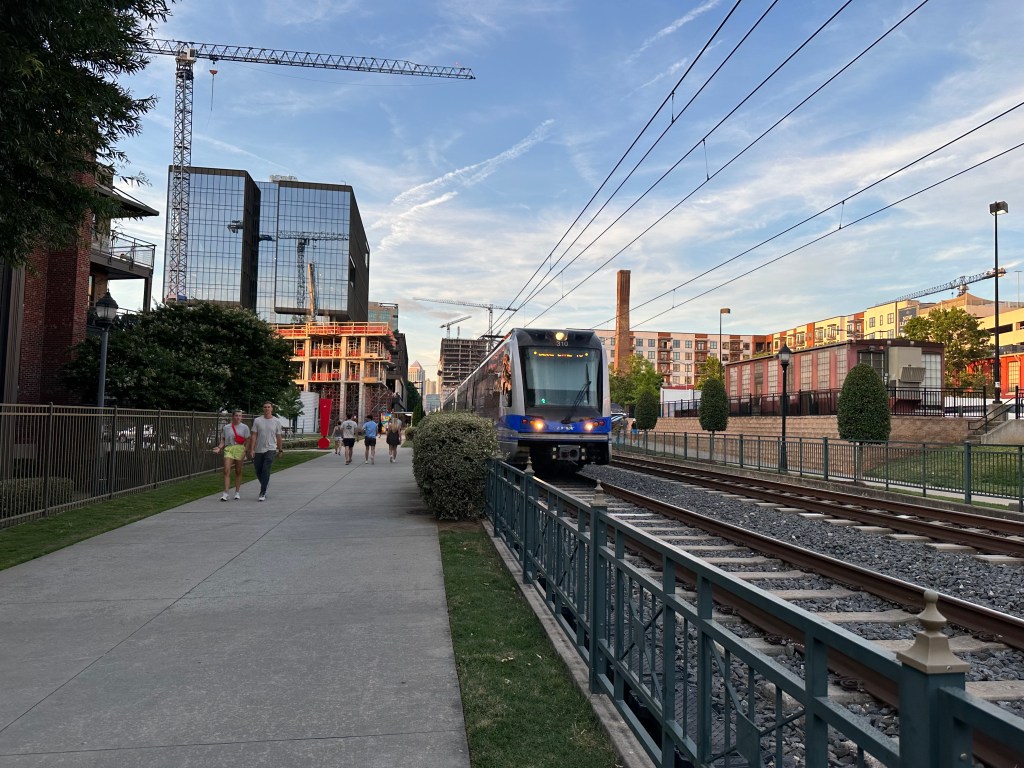
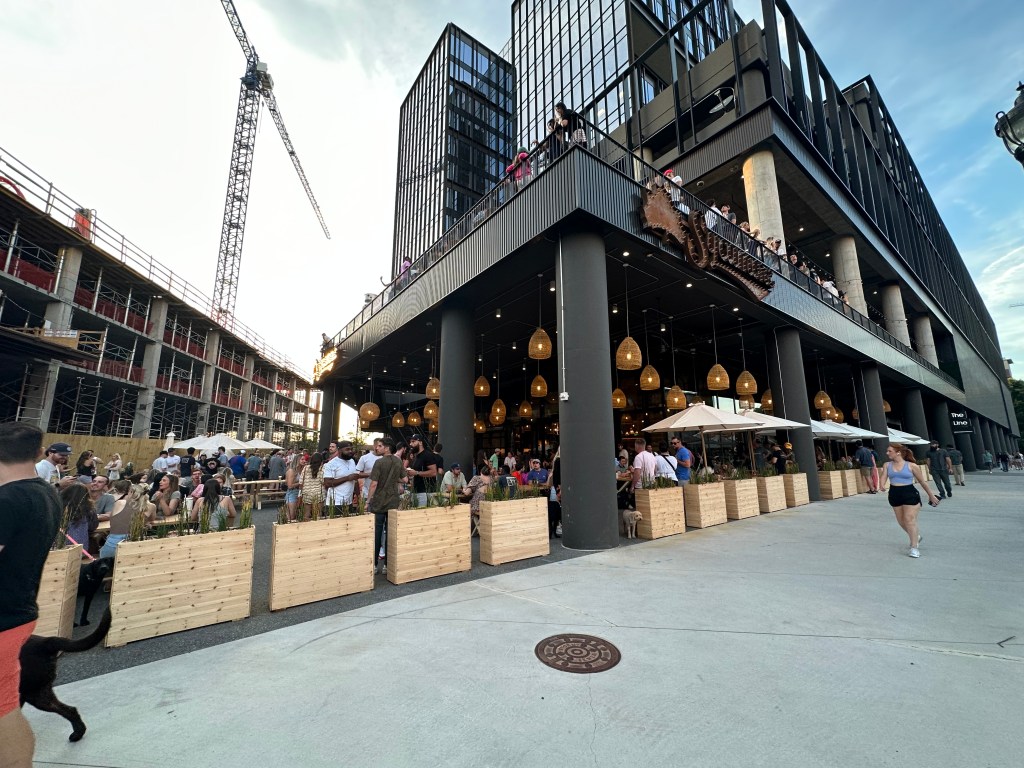
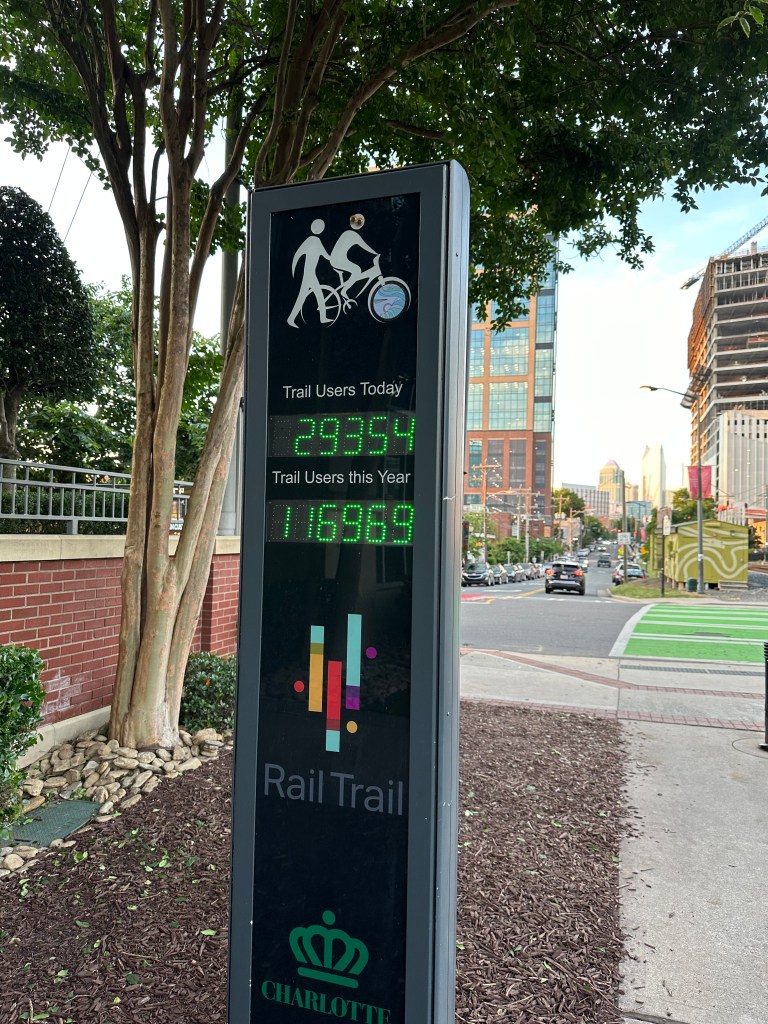
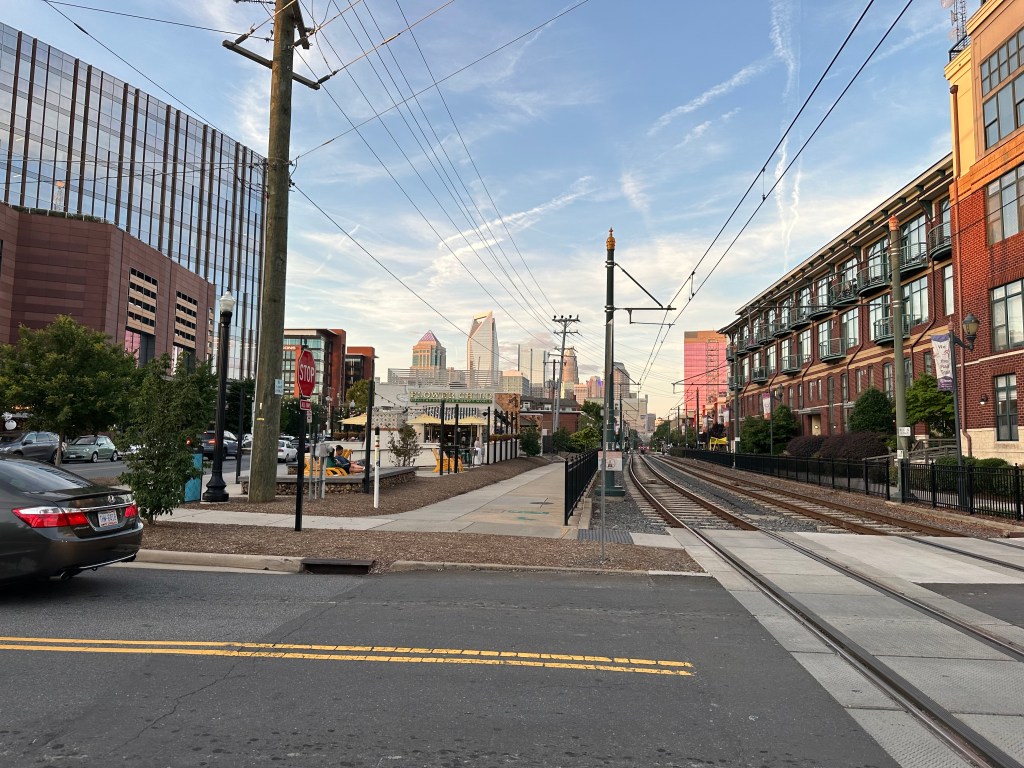
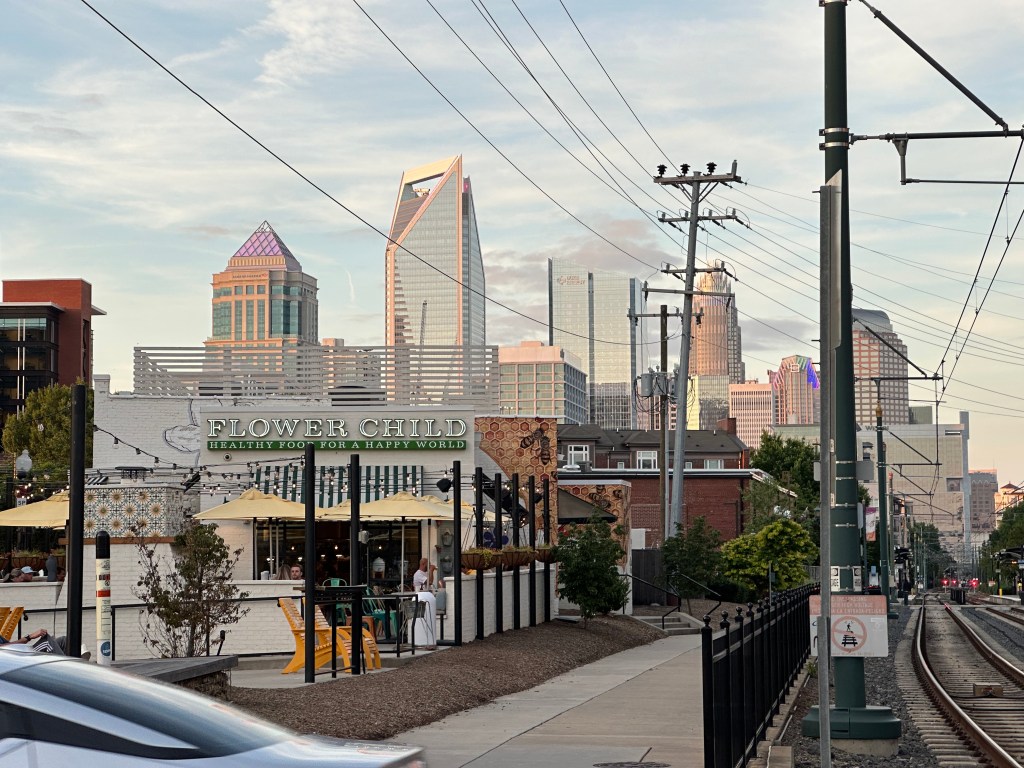
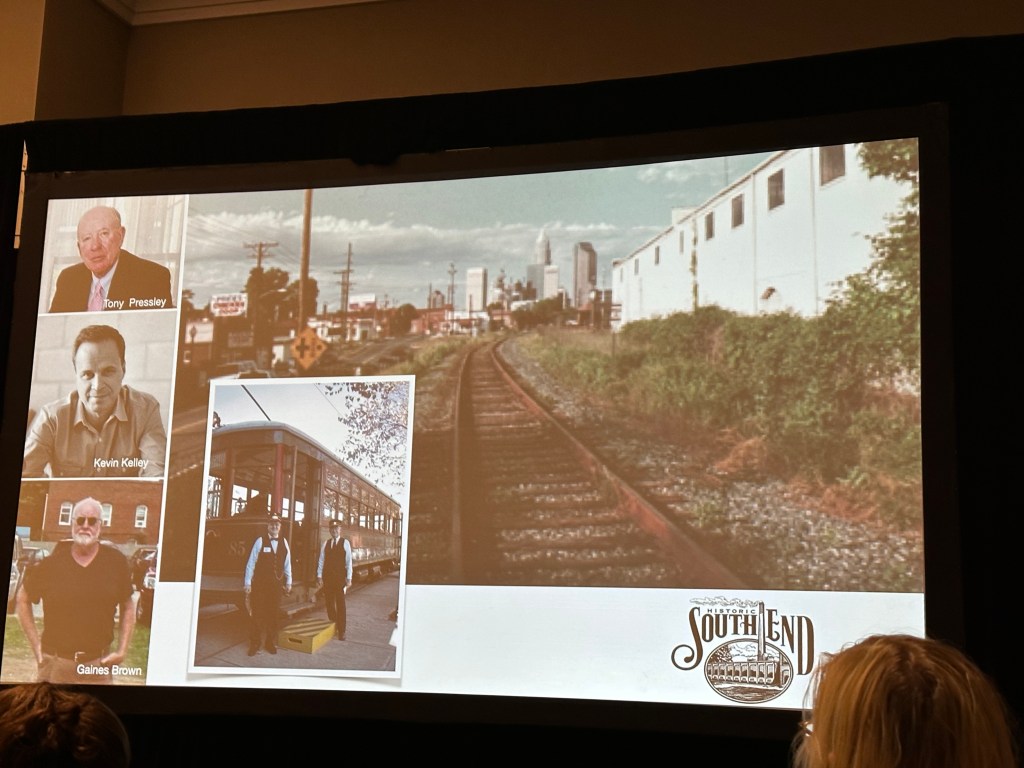
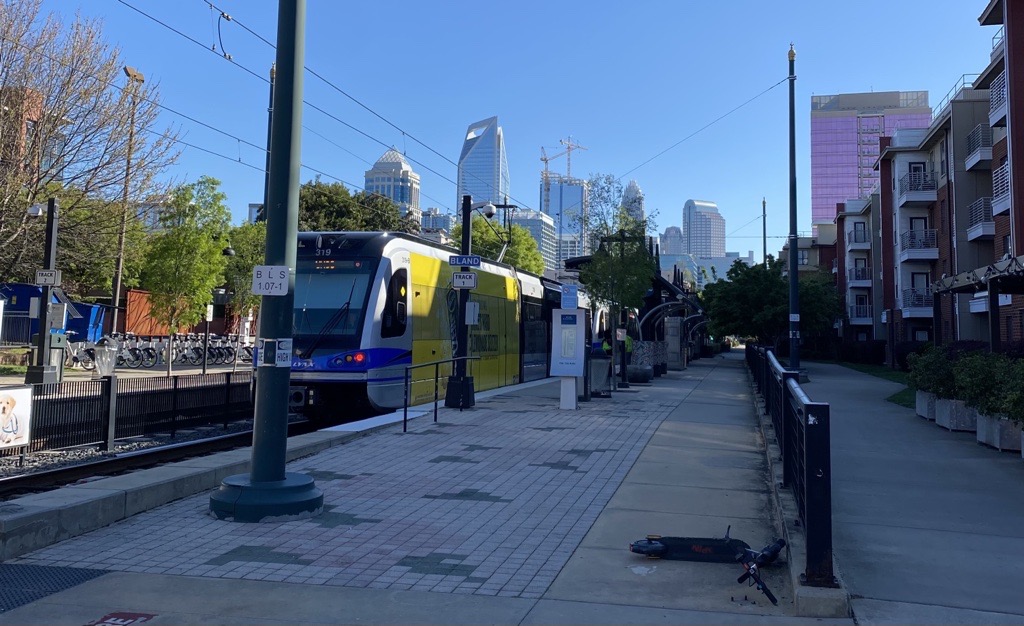
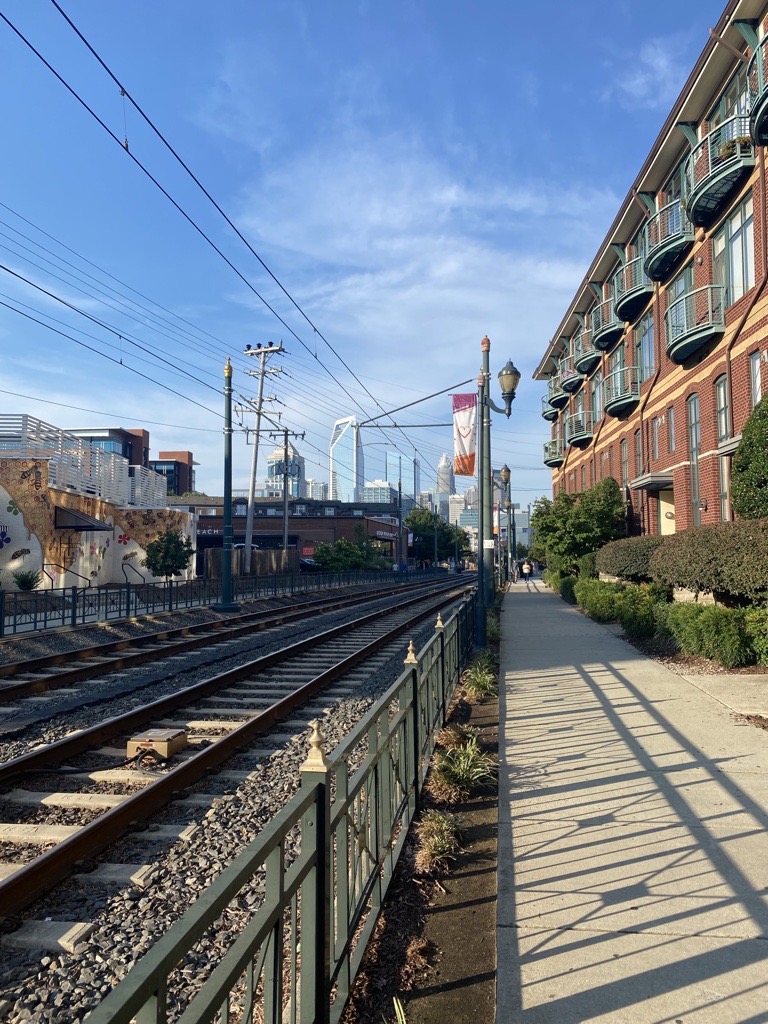
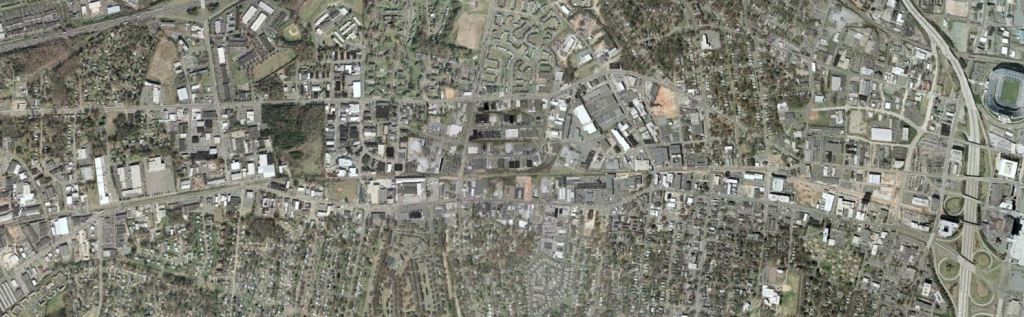
Take the Blue Line (or walk) a few stations South from Uptown to the South End which is buzzing with shops, restaurants, and Transit Orientated Development. In just 15 years, this area has transformed from a light industrial afterthought to one of the best neighborhoods in the Southeast. Much of the new energy here is due to the Rail Trail and Blue Line light rail system. Converted warehouses have been given new life and mid to high-rise towers are being sprinkled in between.
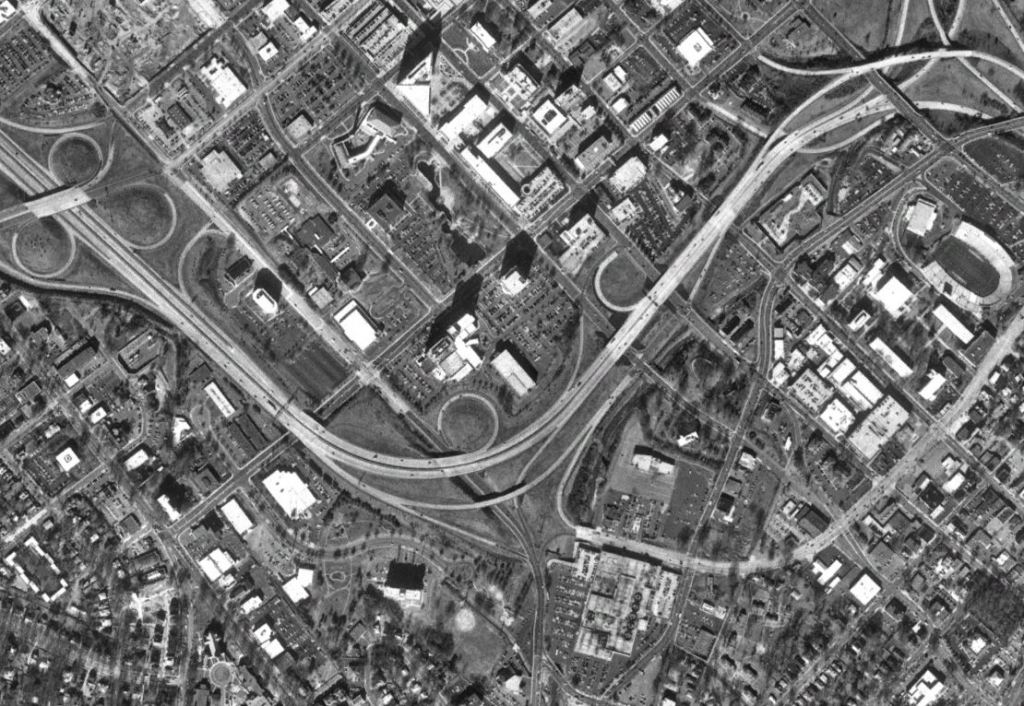
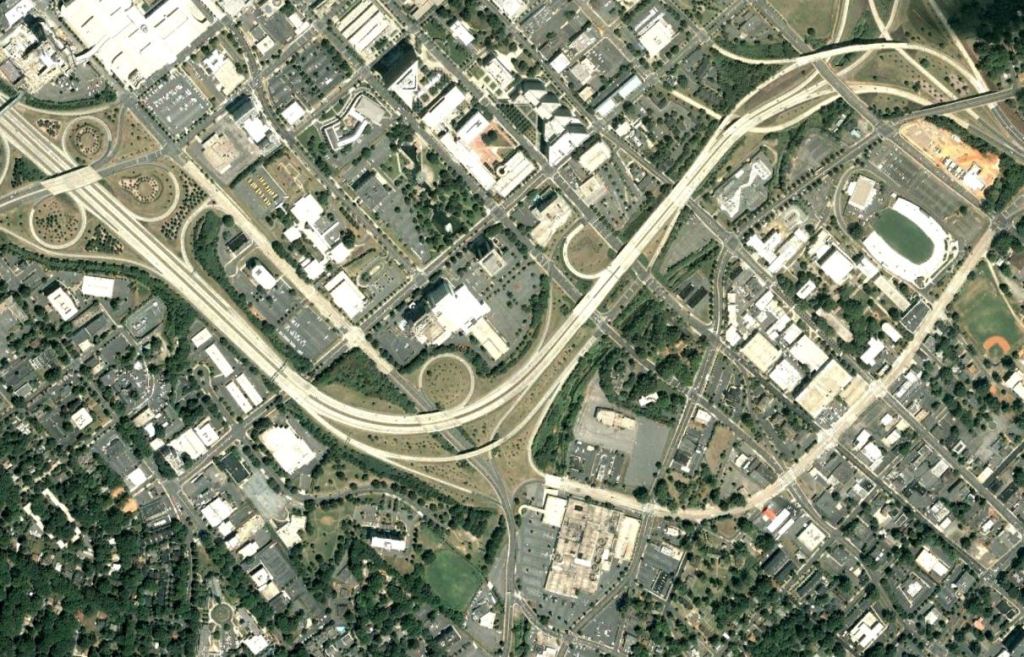
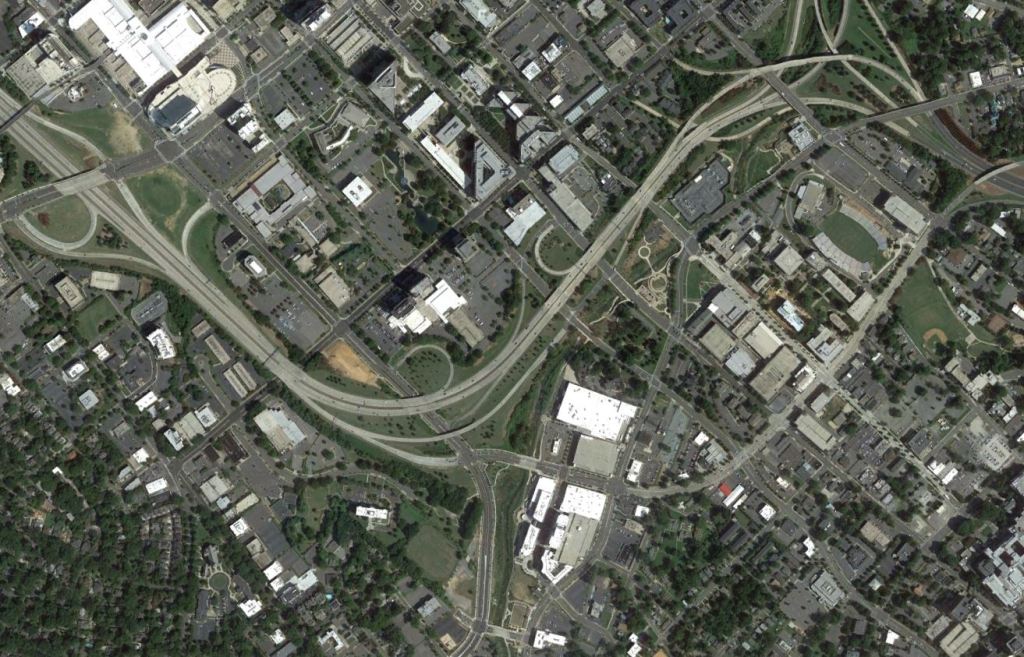
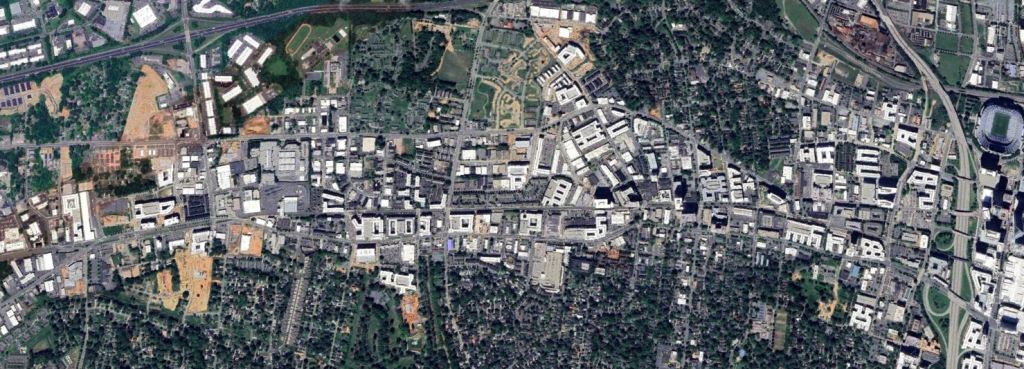
The aerial images below represent the growth from 2002 to 2022 (GoogleEarth).
Noda
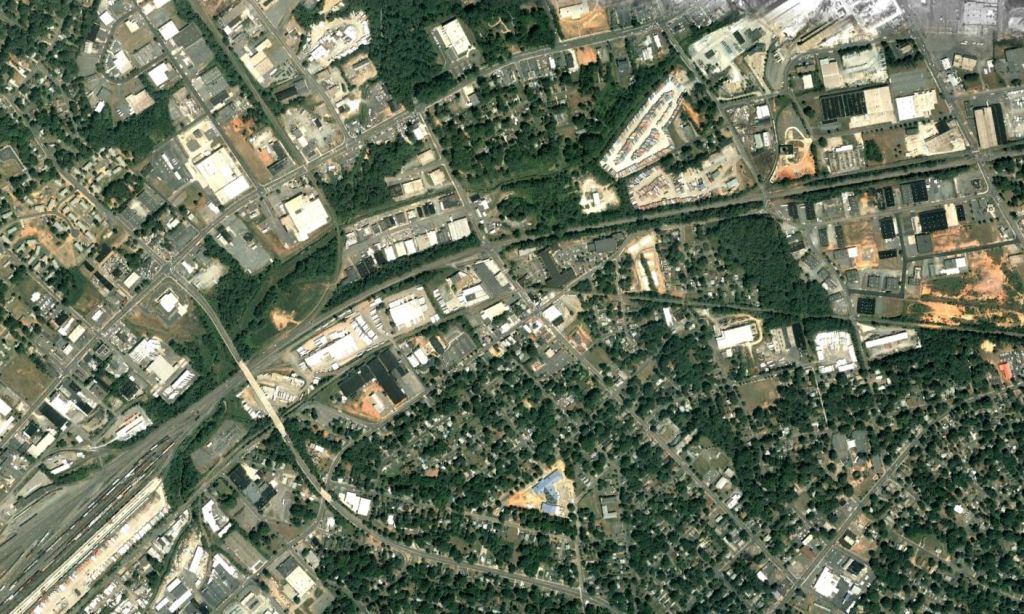
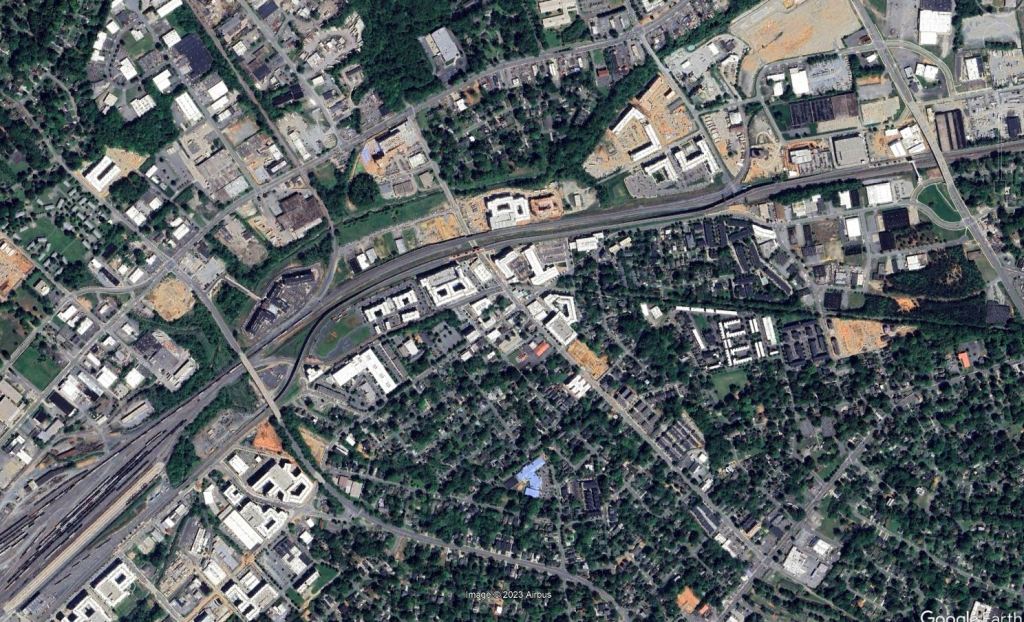
On the opposite end of Uptown sits Noda, a classic urban neighborhood featuring a varied mix of housing, restaurants and small retail. Since the extension of the Blue Line light rail system, the neighborhood has seen an explosive growth along the rail line and infill through the neighborhood.
Plaza Midwood
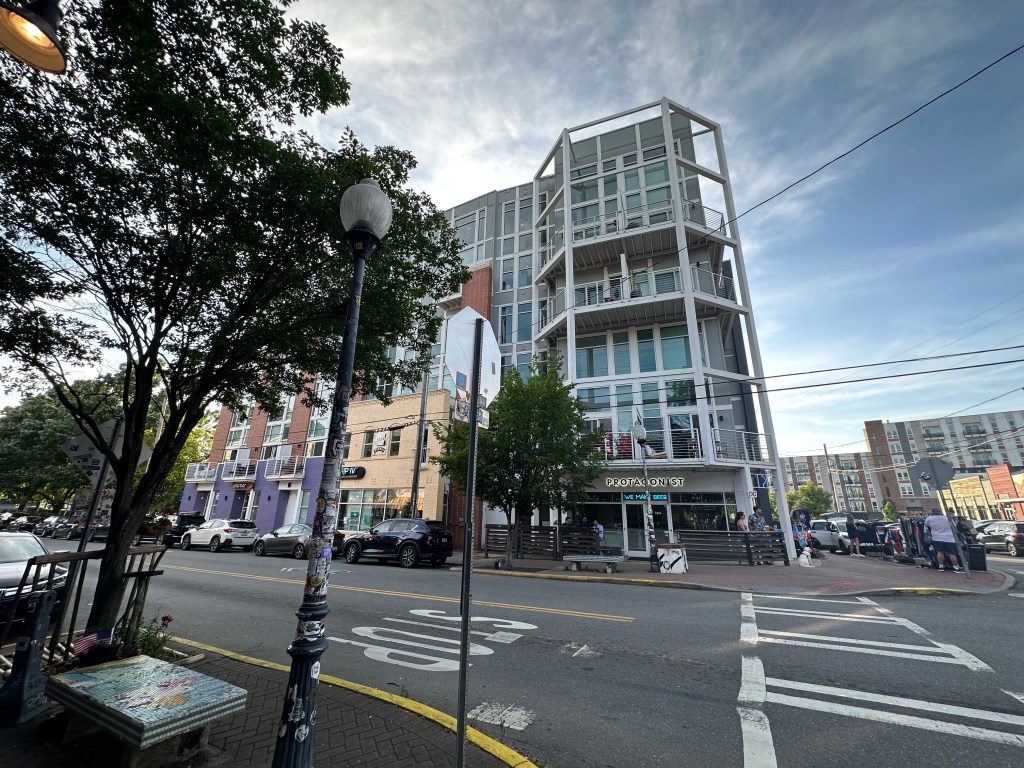
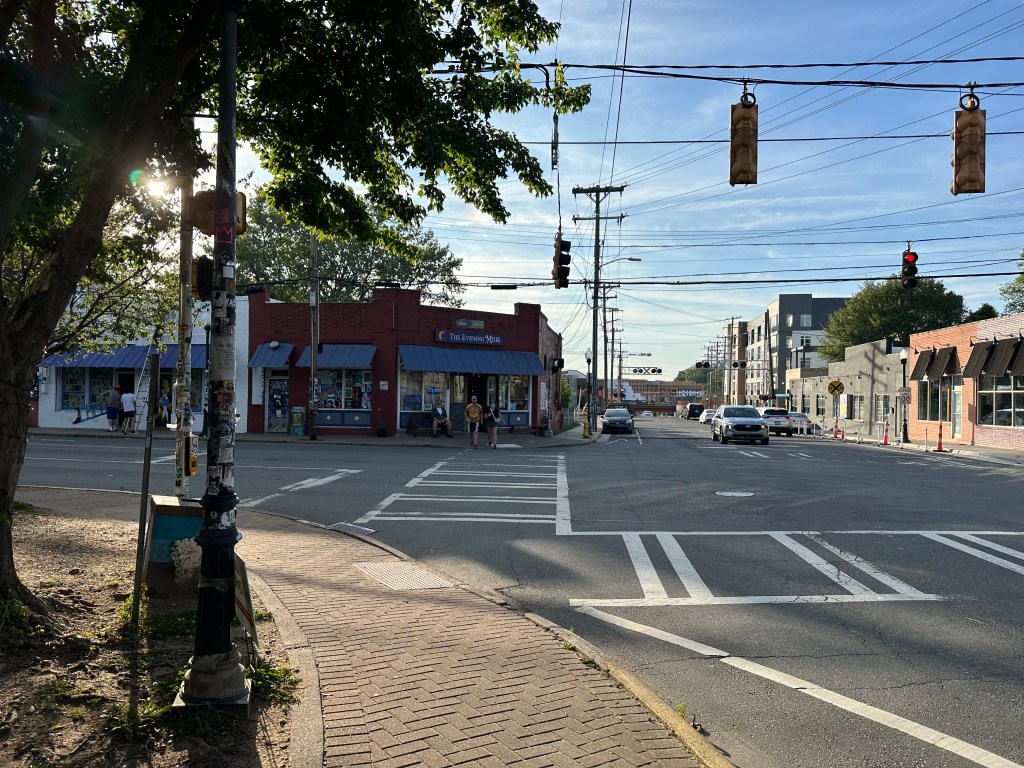
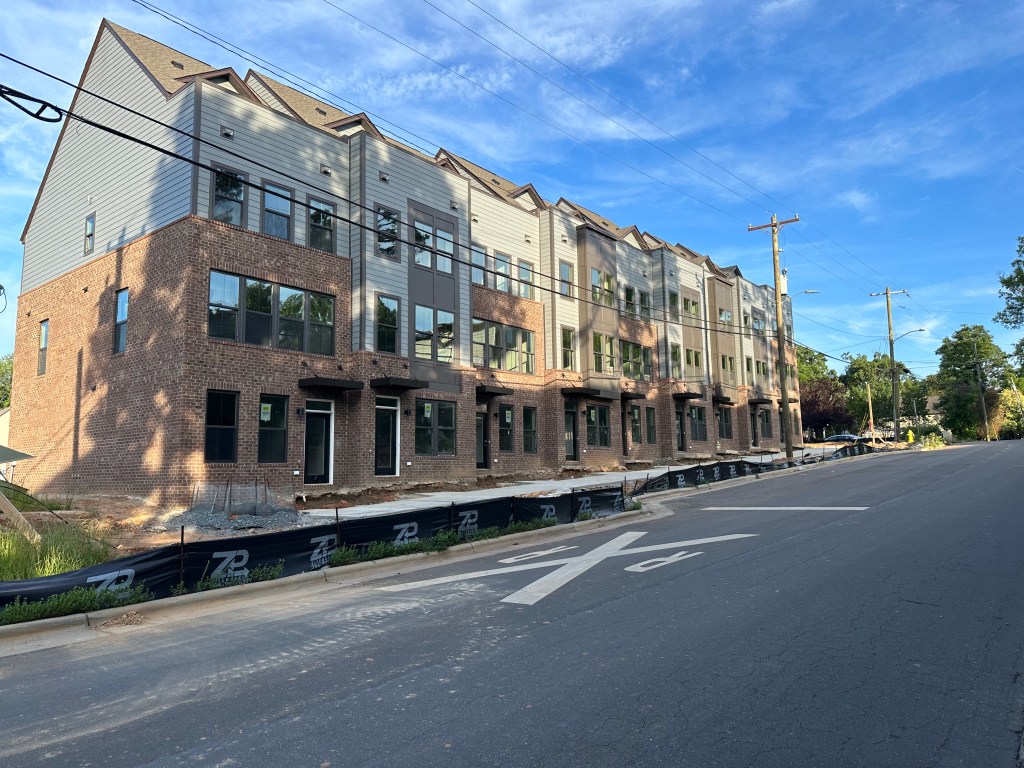
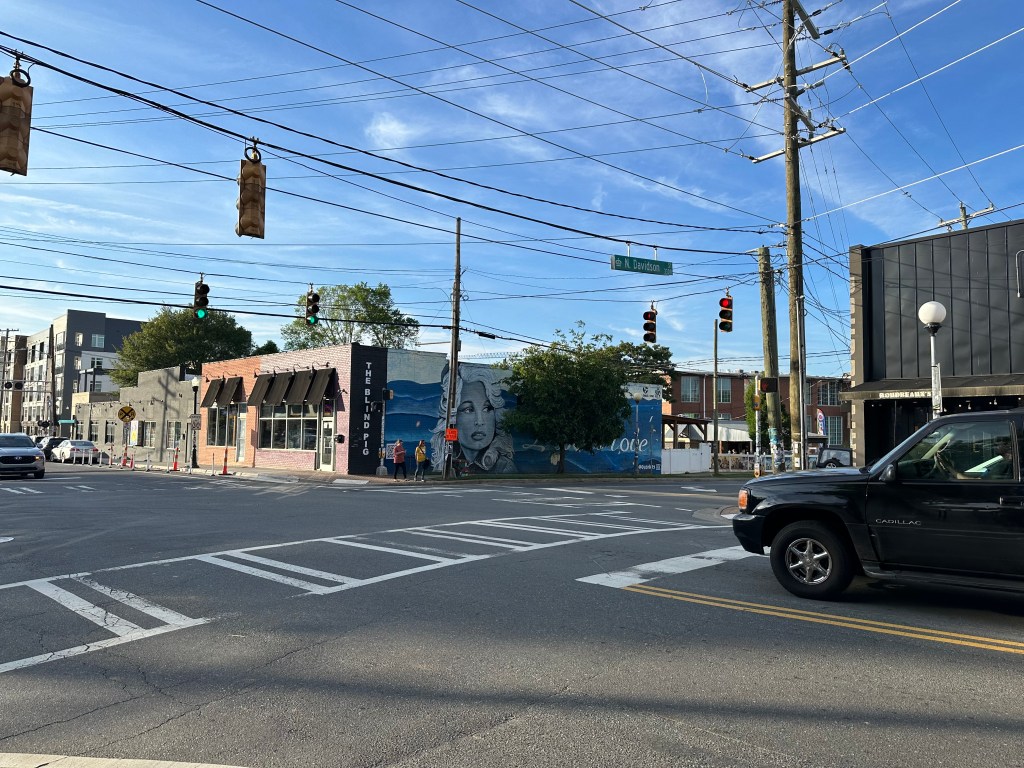
Take the Streetcar East to it’s terminus and walk a few blocks and you’ll find yourself immersed in Plaza Midwood’s mix of small shops and restaurants. The neighborhood is starting to see taller and denser development as well ahead of the streetcar extension.
Uptown
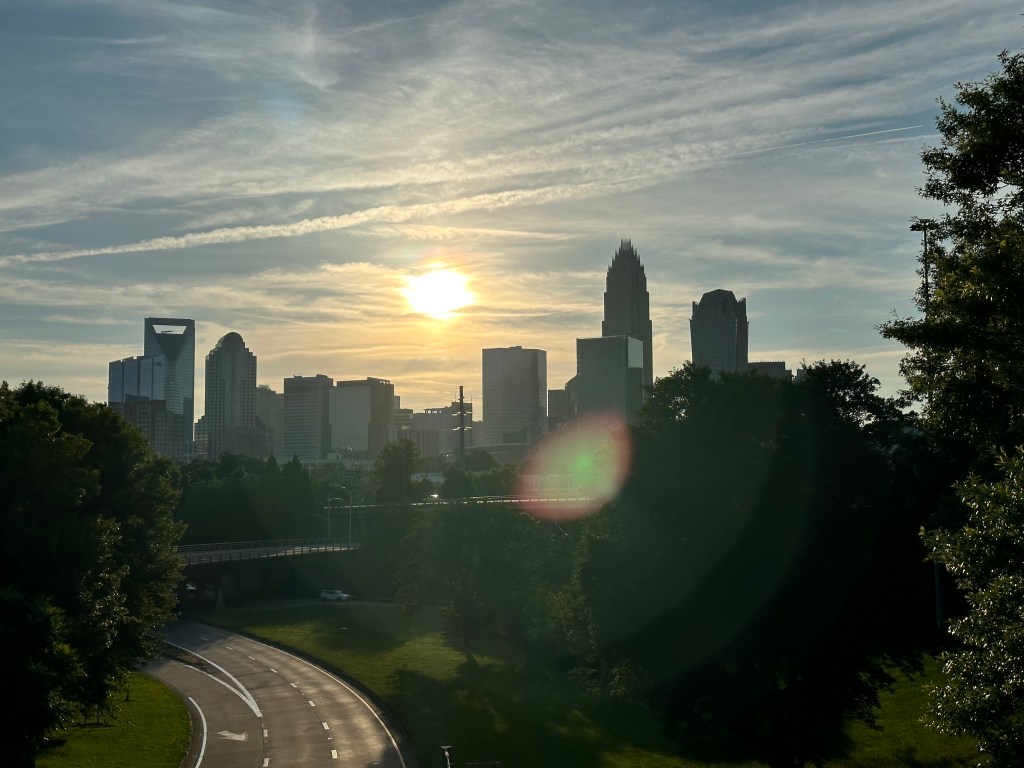
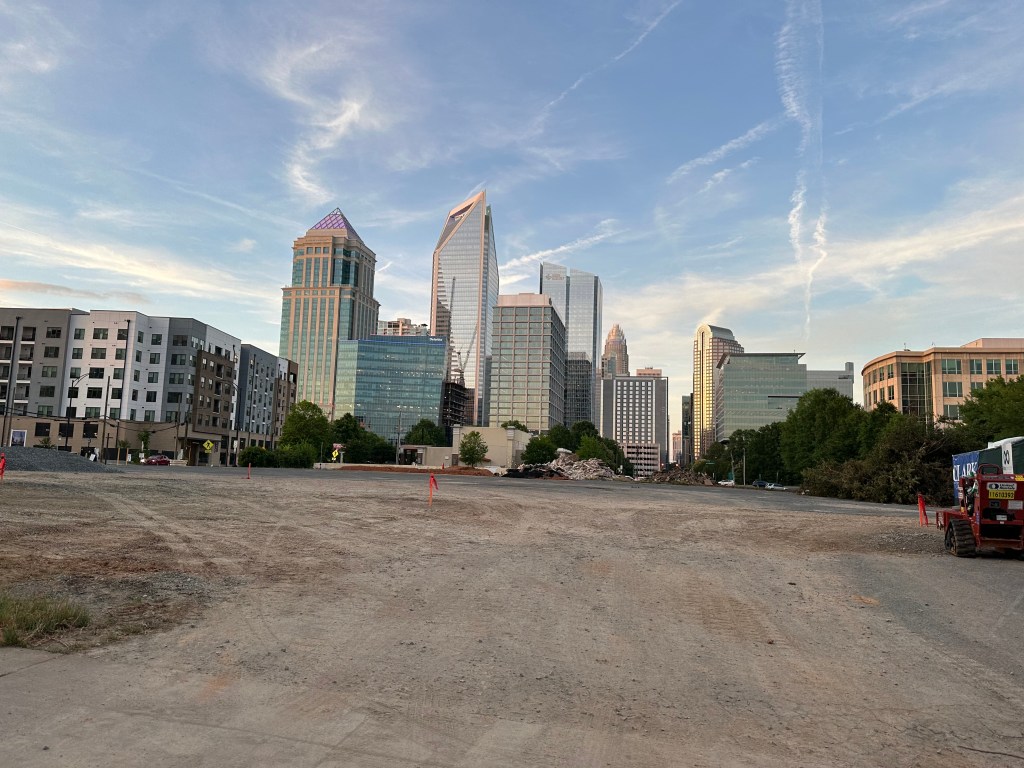
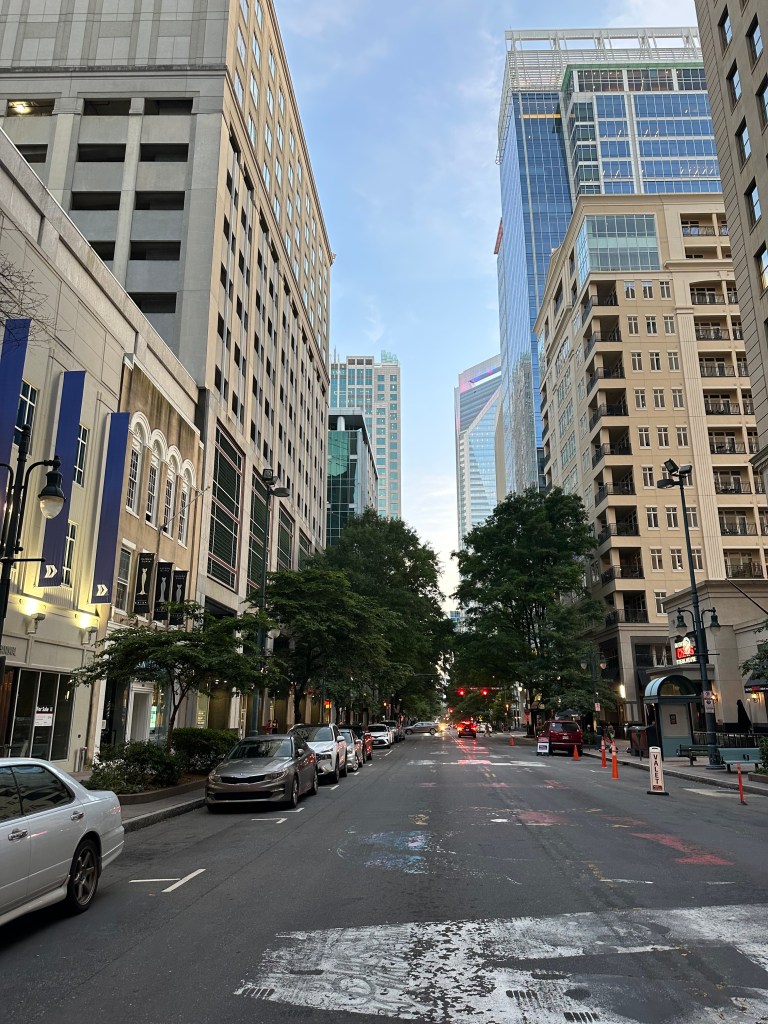
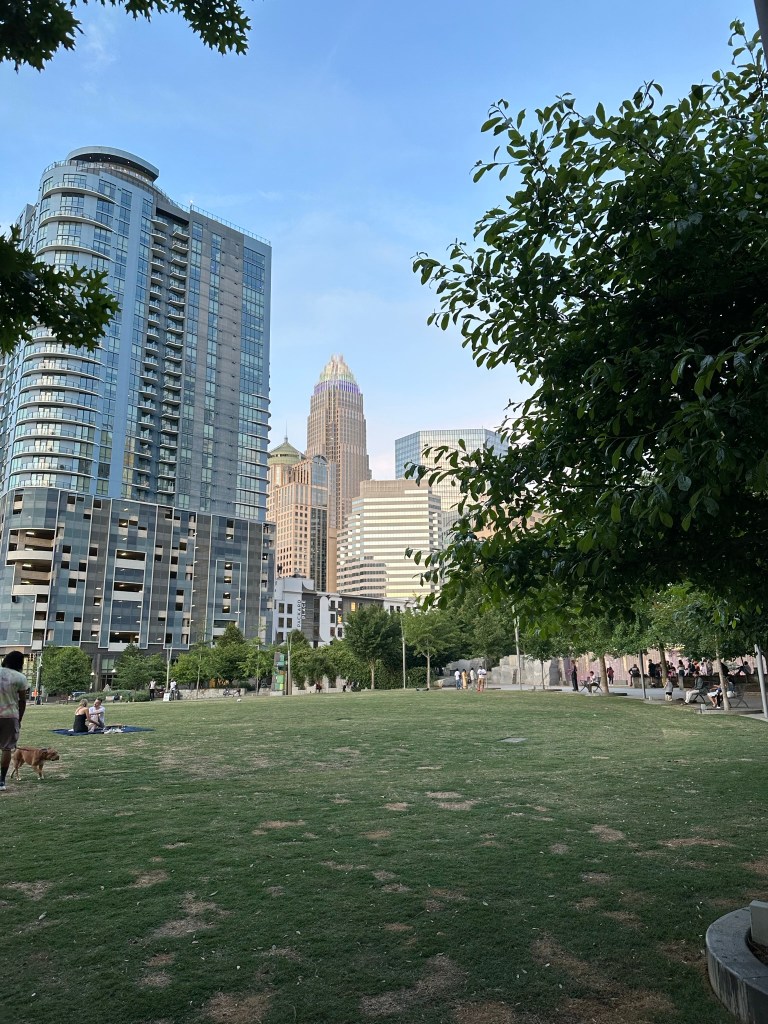
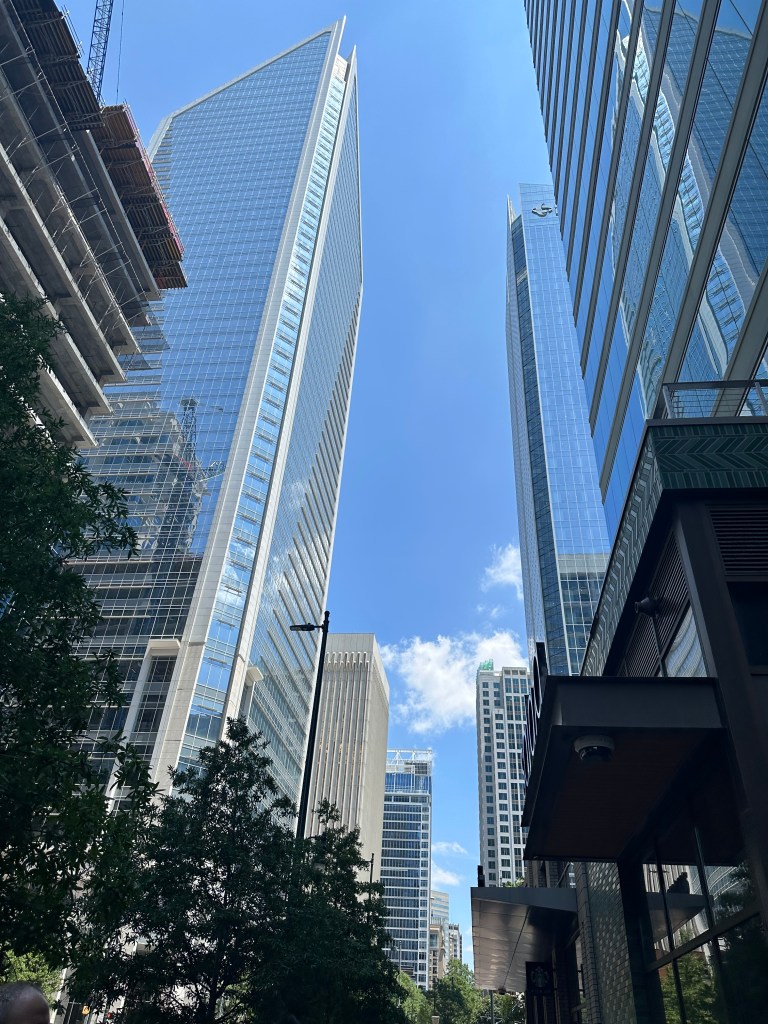
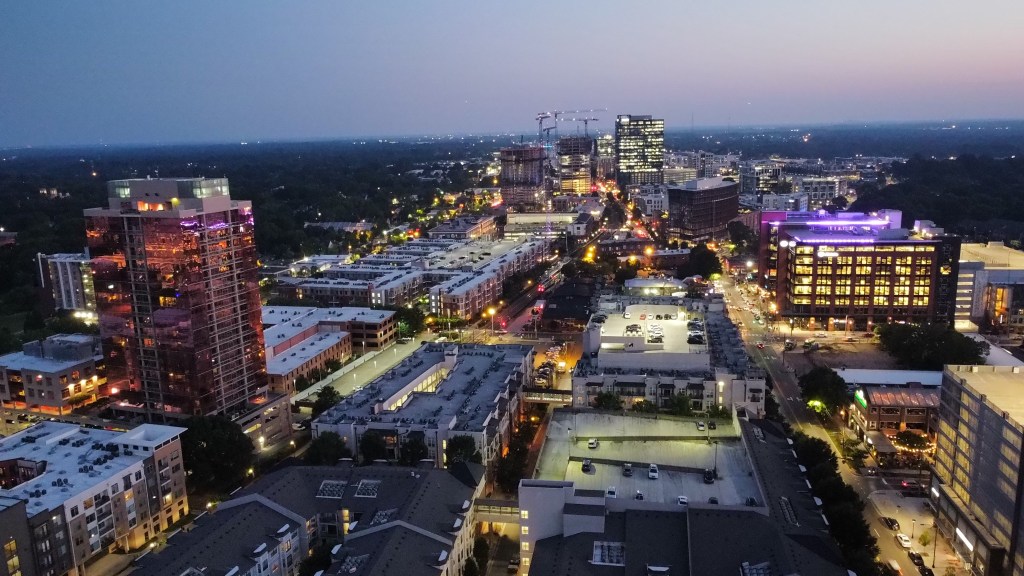
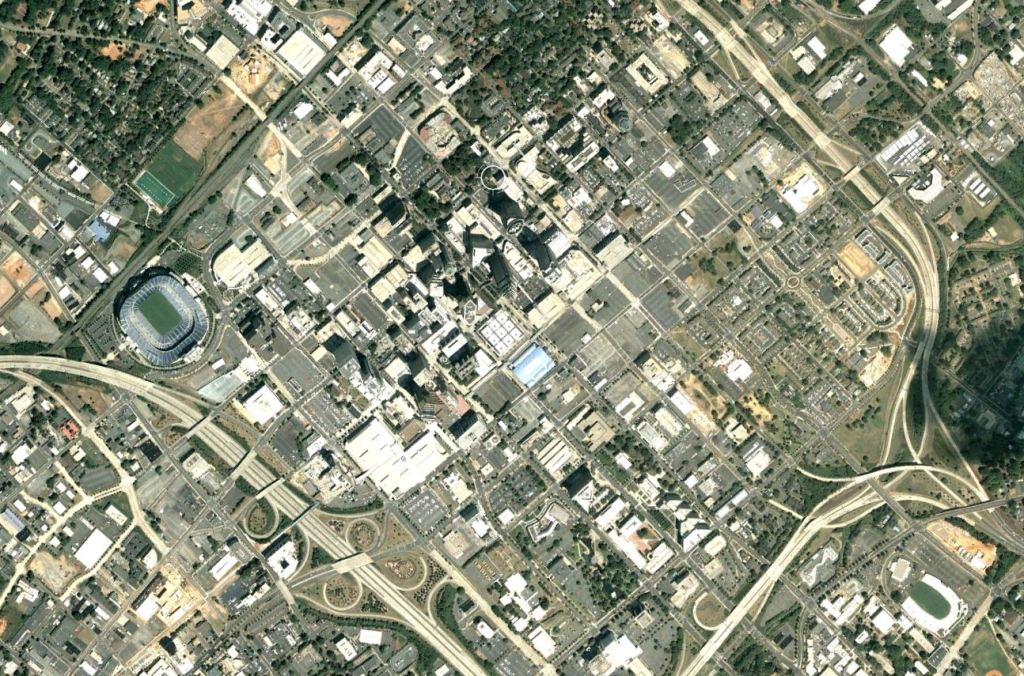
It’s more than just the banking capital of America. Uptown is filled with modern architecture, restaurants, and greenery. In the last 20 years, Charlotte’s Uptown has seen blocks and blocks of parking lots transformed to parks, towers, and housing and shows little signs of slowing down.



































 Phil Veasley