Subscribe to my YouTube Channel
Subscribe to receive email notifications for new articles.
Back in April, I had the amazing opportunity to embark on a week-long infrastructure tour in the Netherlands with the ITE Georgia section. If you missed my initial takeaways, Rotterdam, and Houten review pieces, be sure to check them out!
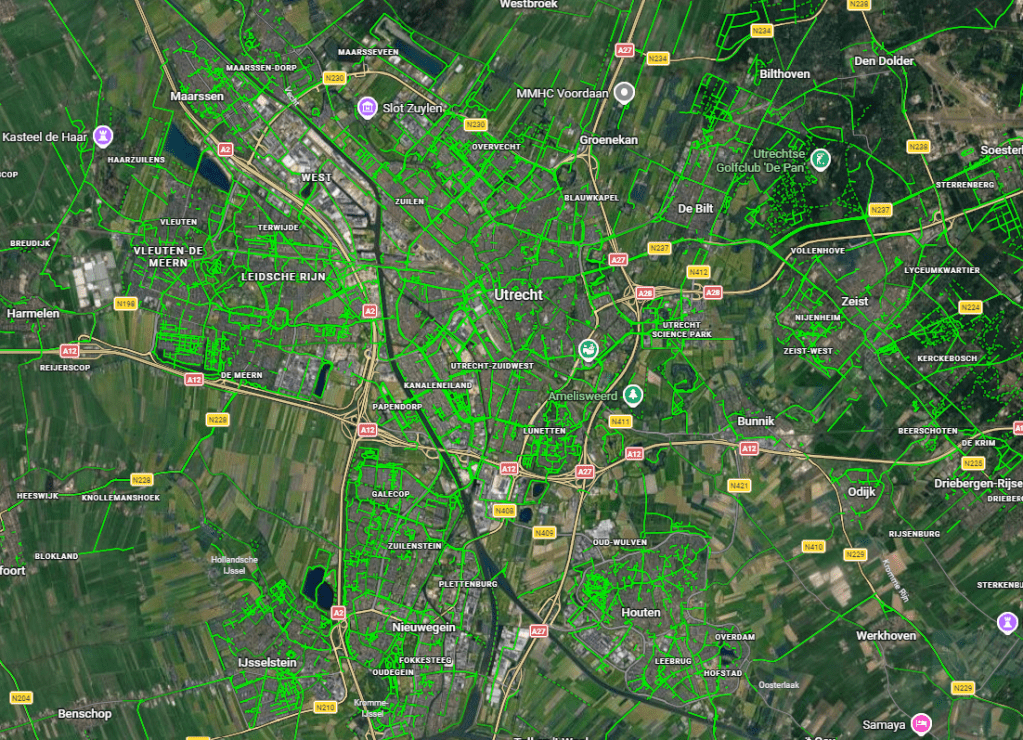
Cycling in Utrecht goes way back to the early 1900’s when cycle paths were built by volunteer residents. Today, it’s one of the most bike-friendly cities in the world. The City is home to 400,000 residents (600,000 metro population) and sits in the central part of the Netherlands.
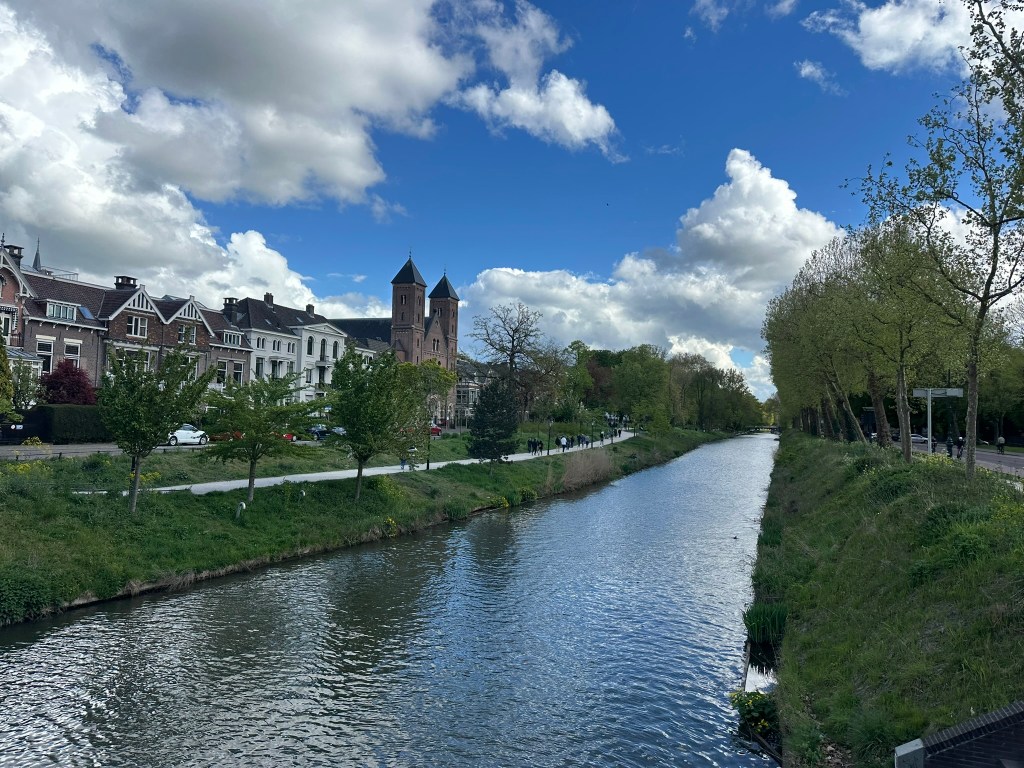
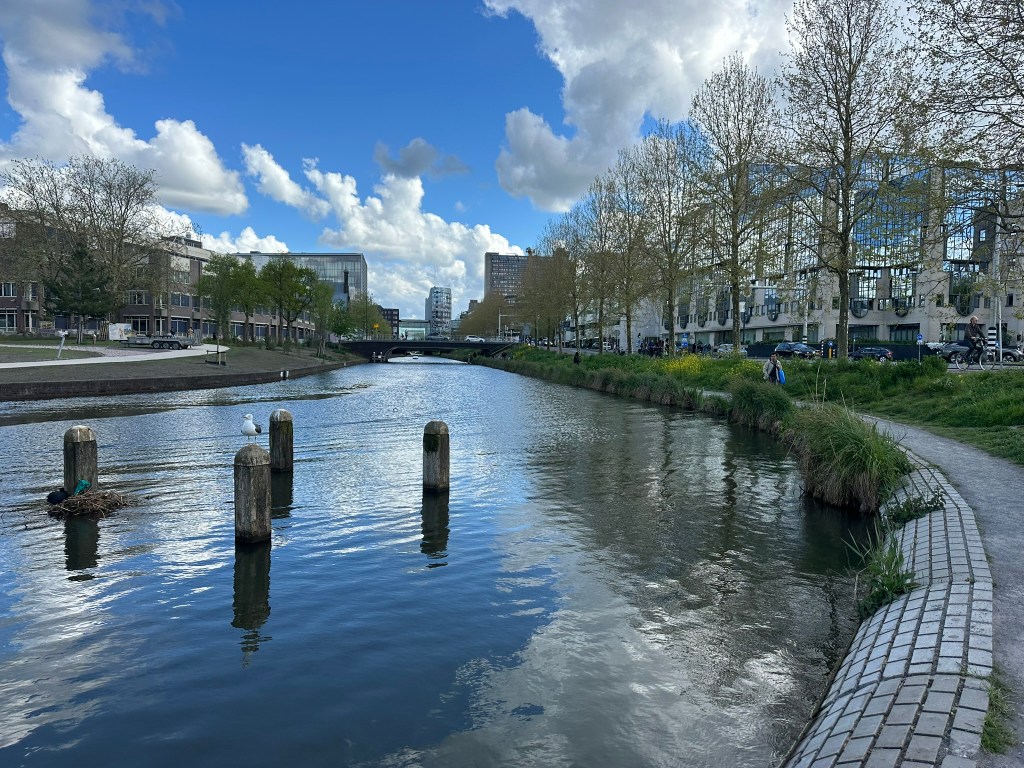
Utrecht wasn’t always the cycling heaven it is today. Like most growing cities, many sacrifices were made for cars during mid 1900’s. Some of those mistakes have since been corrected, including the famous highway-to-canal photo that every urbanist knows.
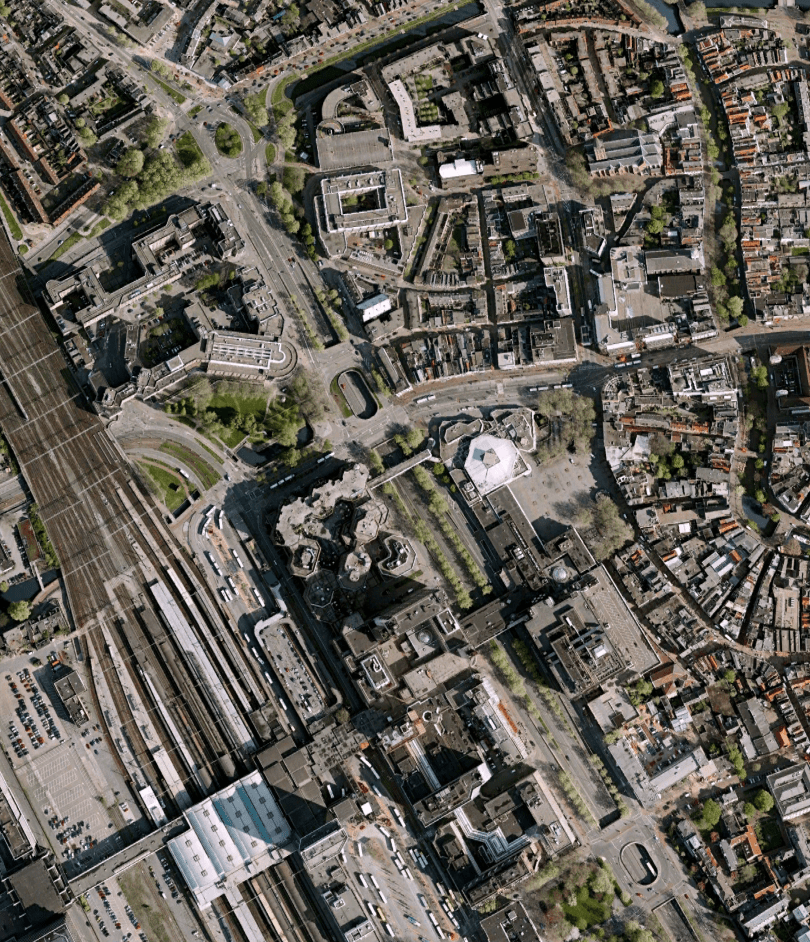
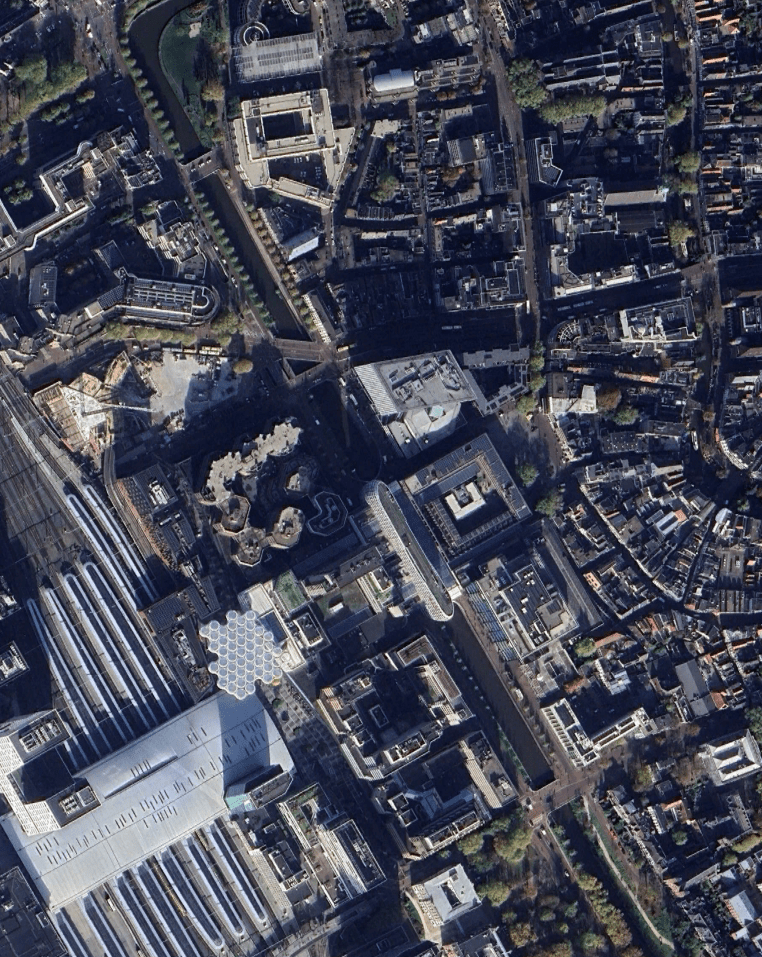
Despite being just the fourth largest Dutch city, Utrecht is home to the largest and busiest train station in the country seeing over 190,000 passengers per day across 21 tracks. It is also the 15th busiest train station in all of Europe.
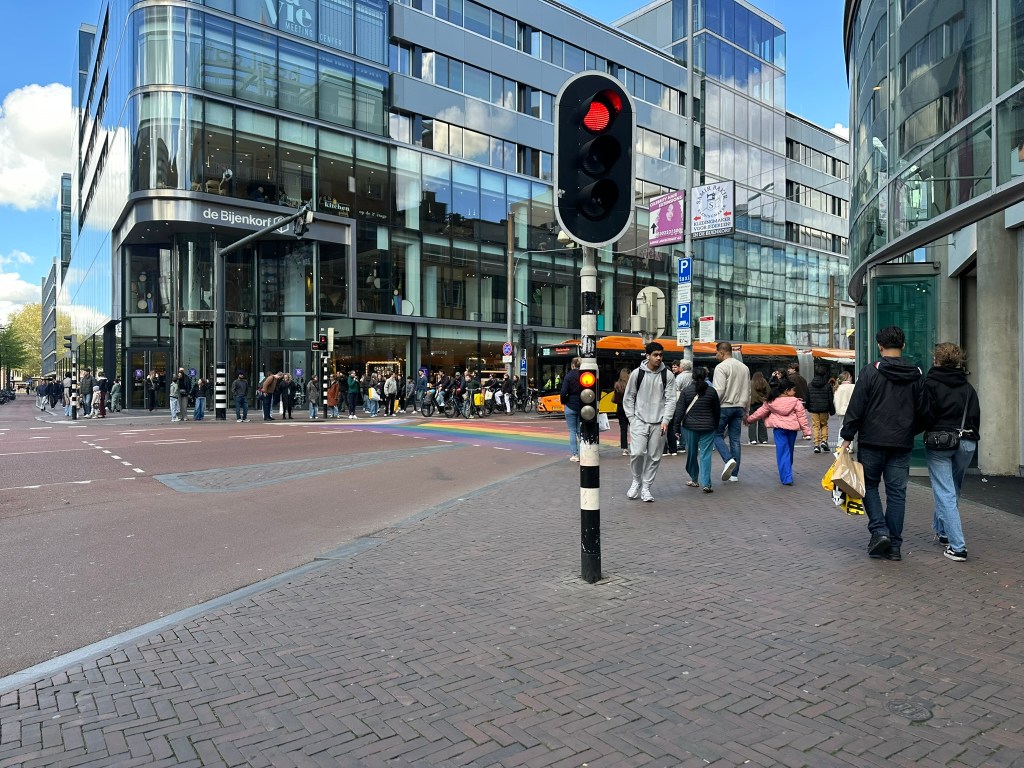
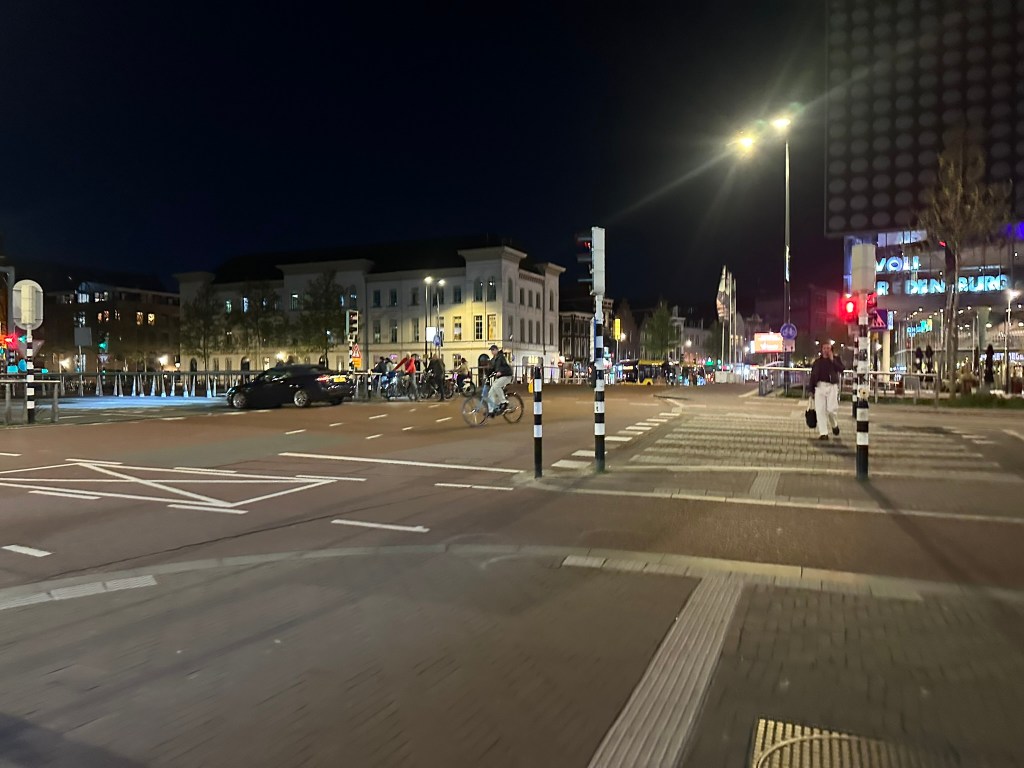
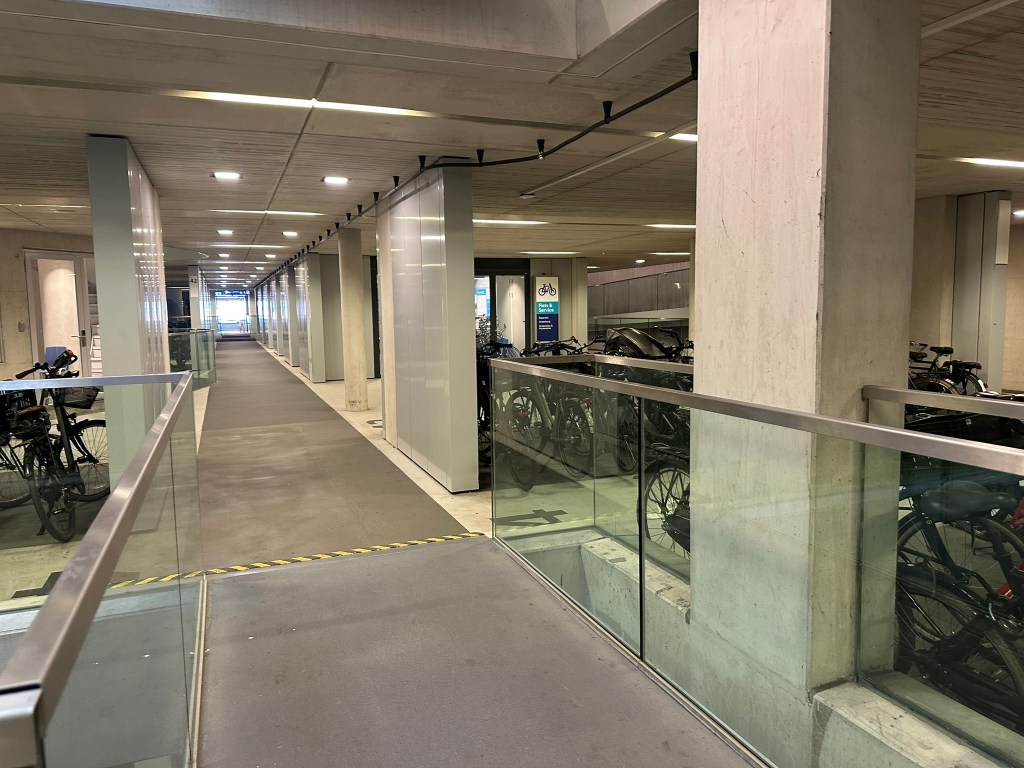
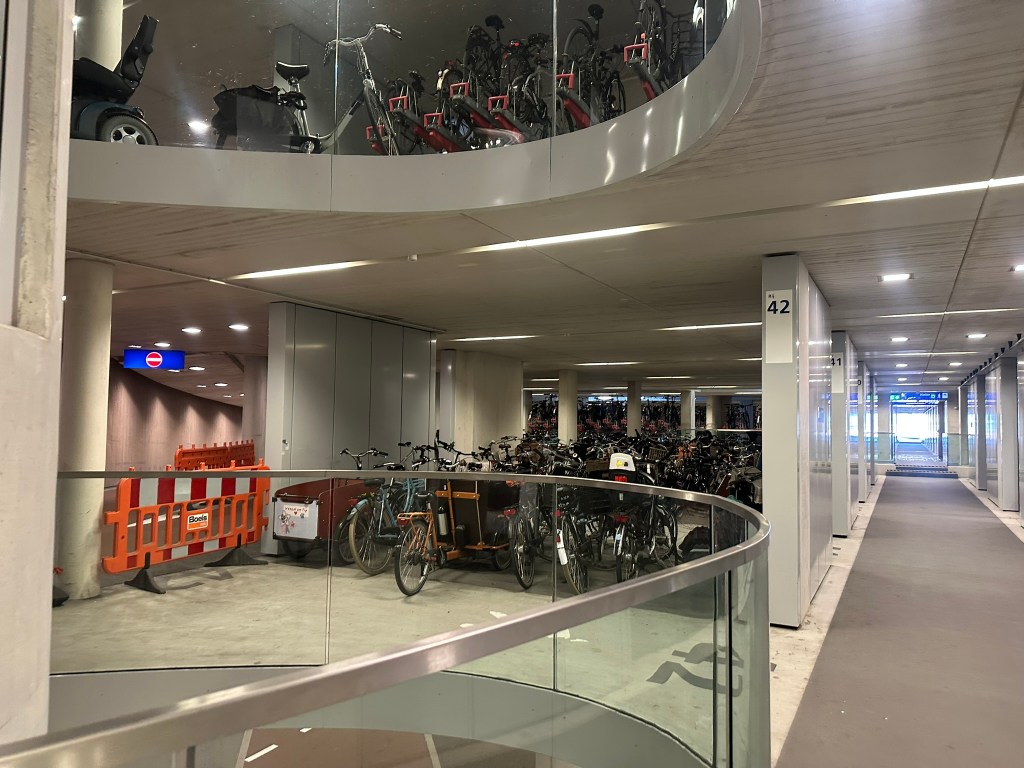
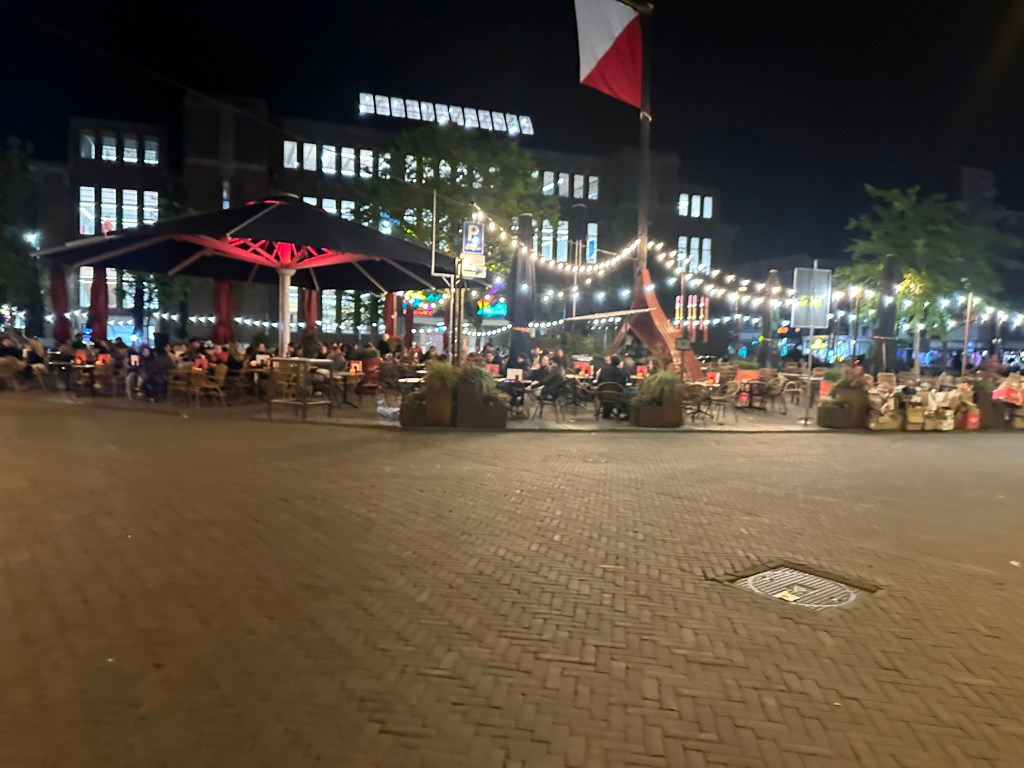
The station and surrounding area received a massive upgrade in the past decade and feels like a true integrated multimodal hub buzzing with people day and night. The station area features regional / national rail, some European connections, 12,000 bike parking spaces, bus hub, light rail / tram connections, a shopping mall, and is tightly woven right into the historic core of the City. It really has the feeling of a city that could be 10 times larger.
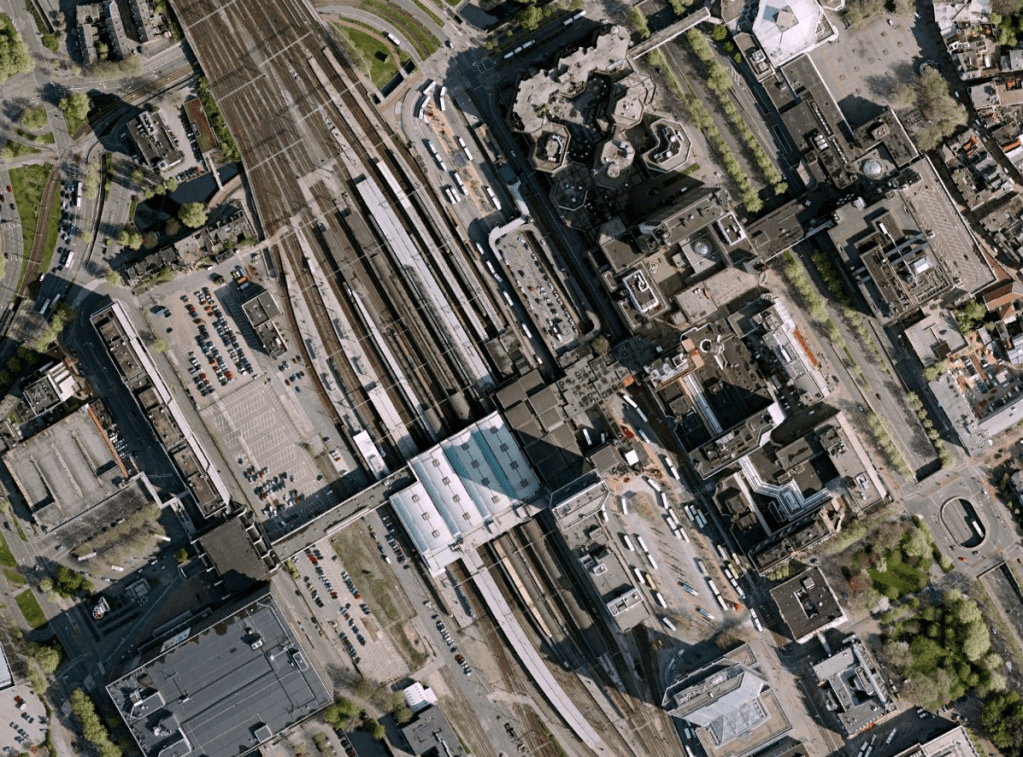
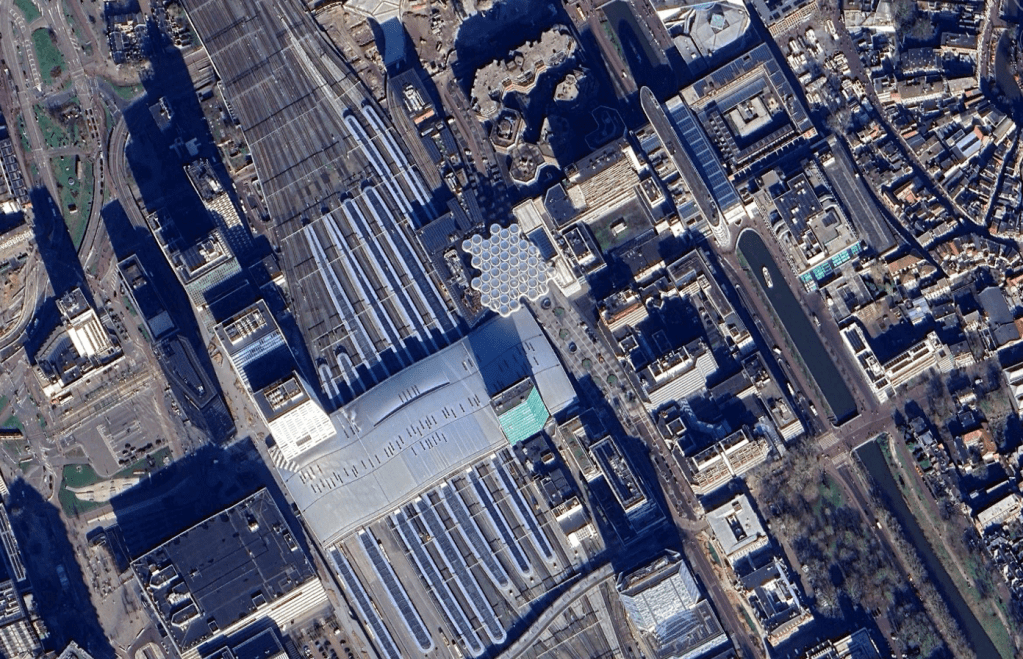
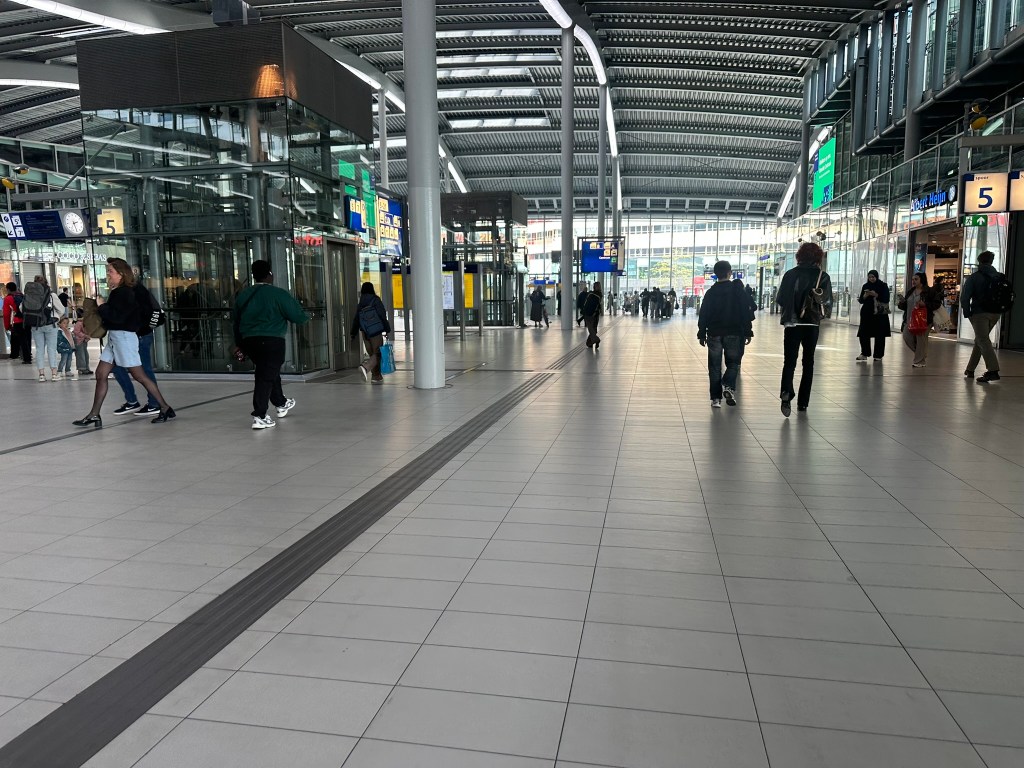
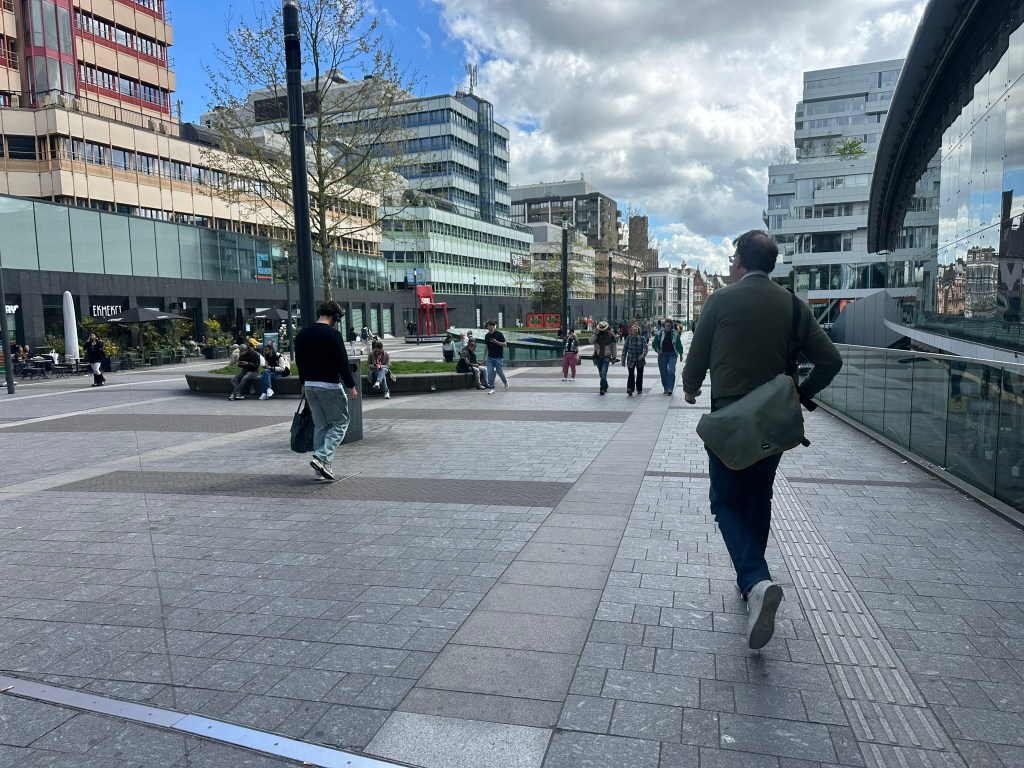
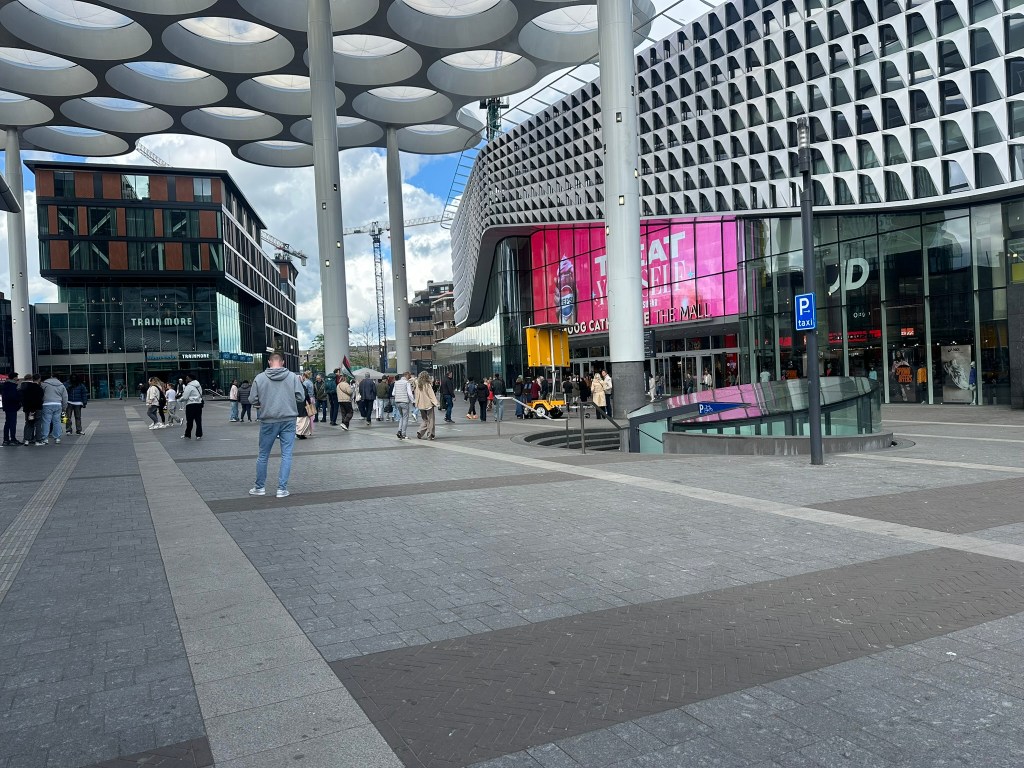
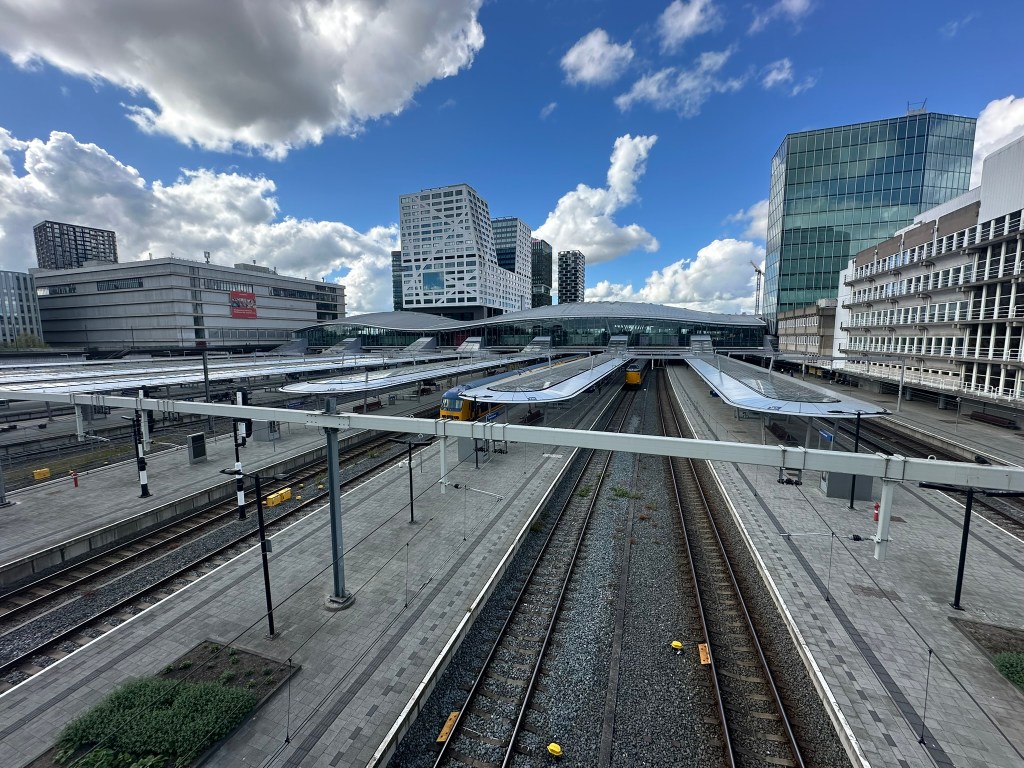
Utrecht has a 2040 vision of being a 10 minute city by focusing on proximity, diversity, and density though focusing growth at new hubs near train stations.
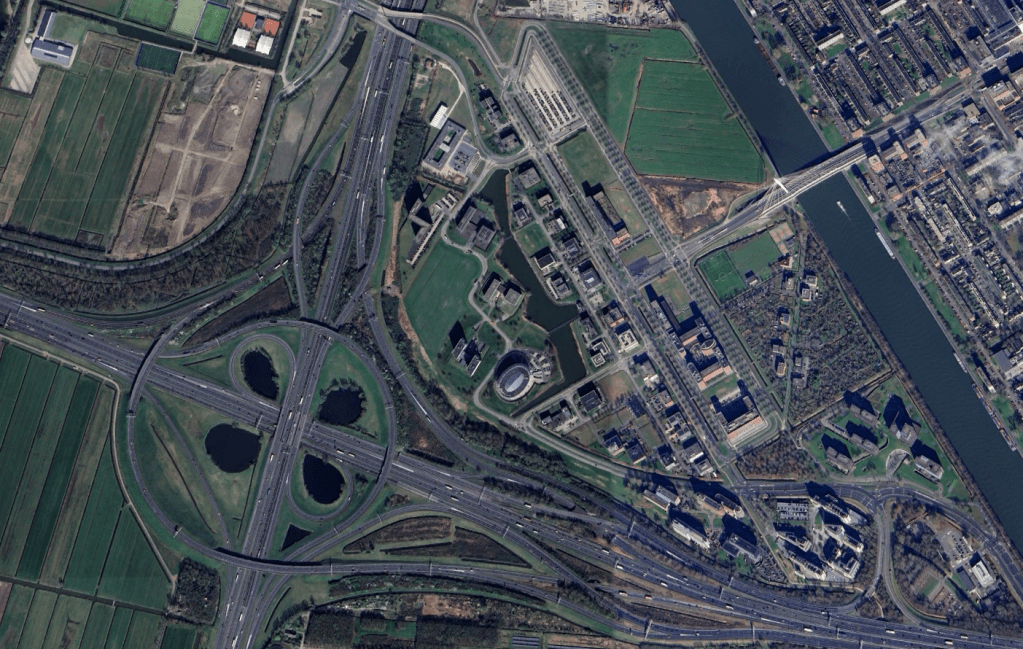
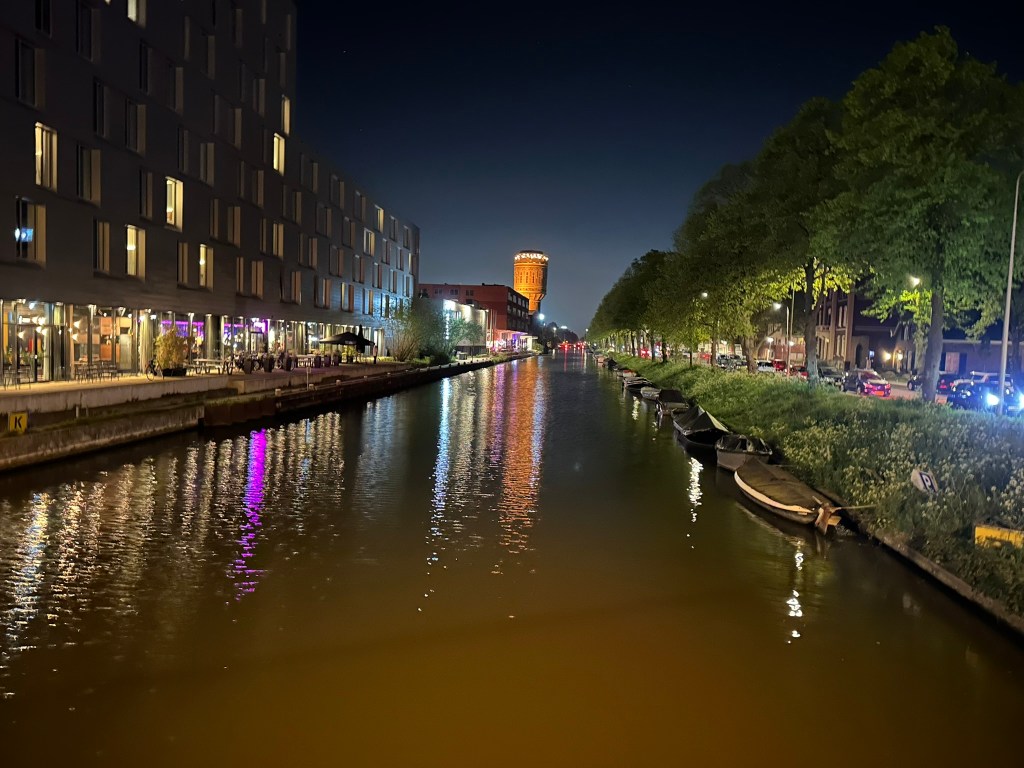
Growth near the Utrecht Leidsche Rijn station in particular really stood out to me. That area has seen a high quality infill development spring up in the past couple of decades which was largely made possible by the burying of the massive A-2 motorway.
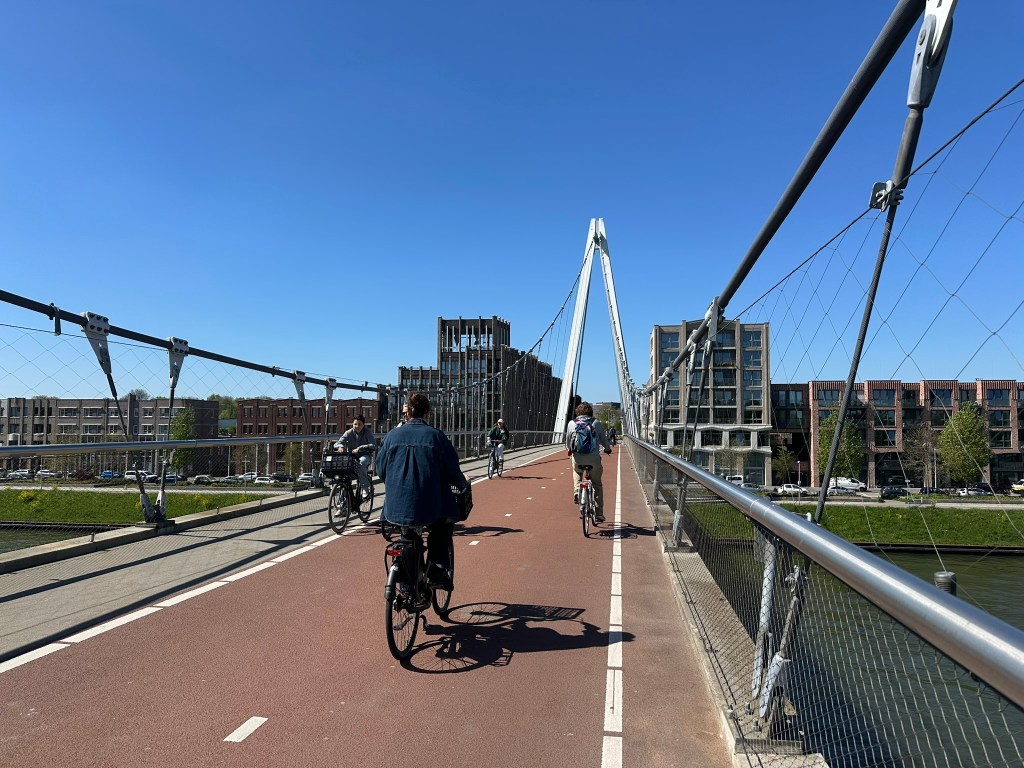
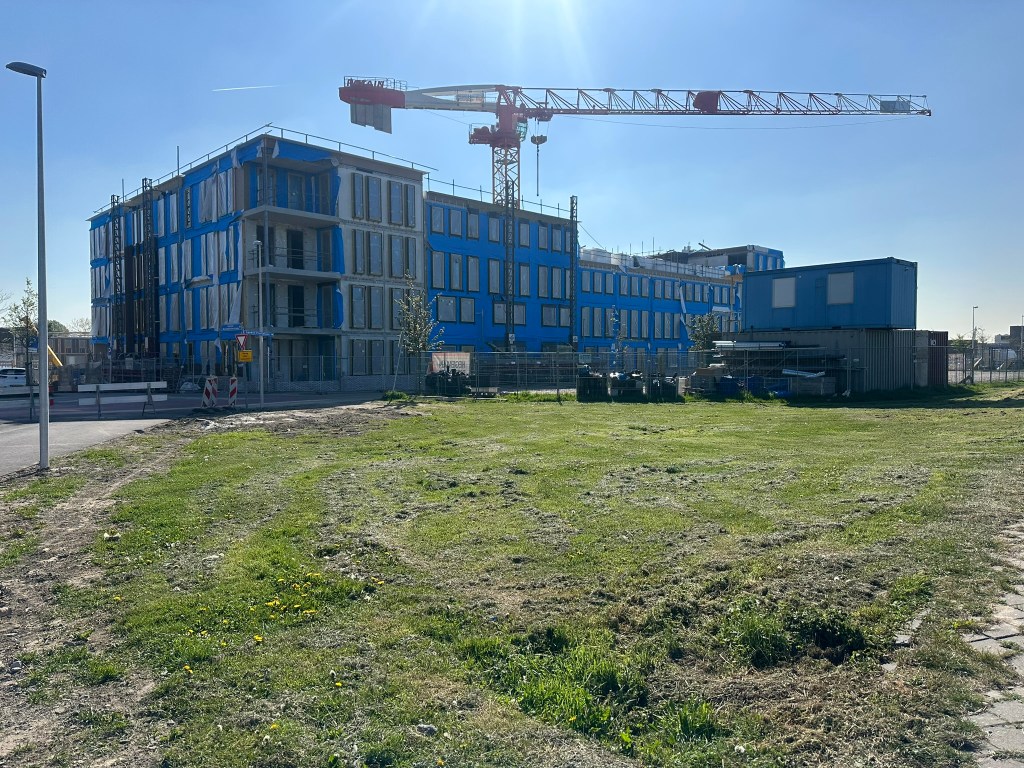
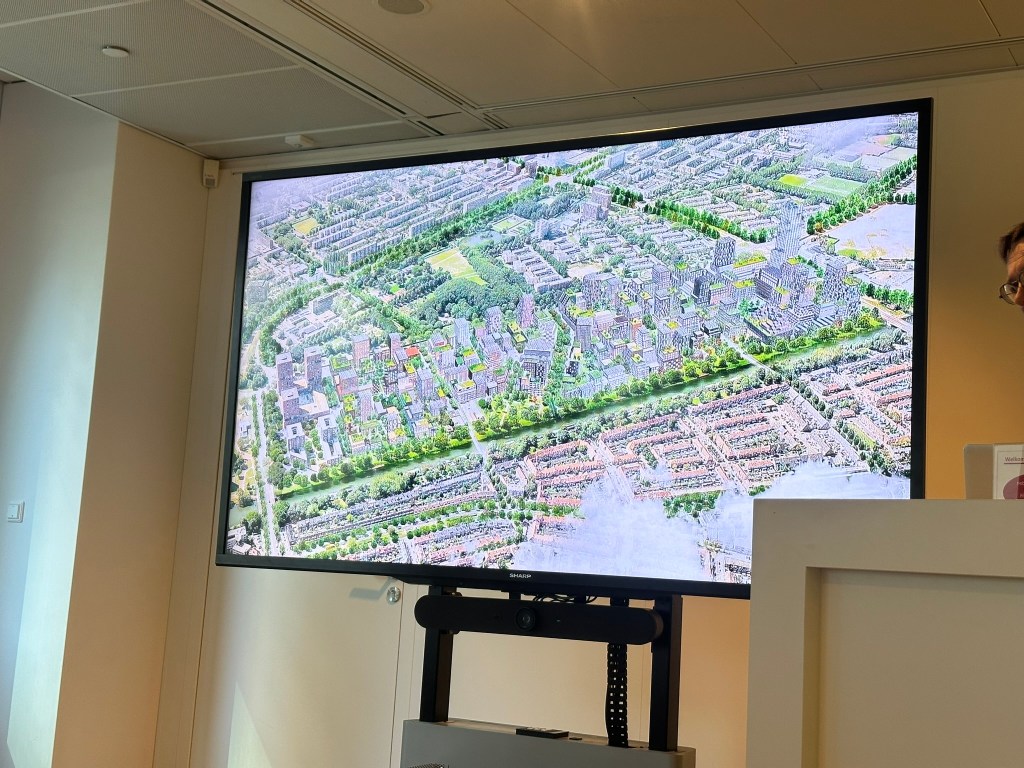
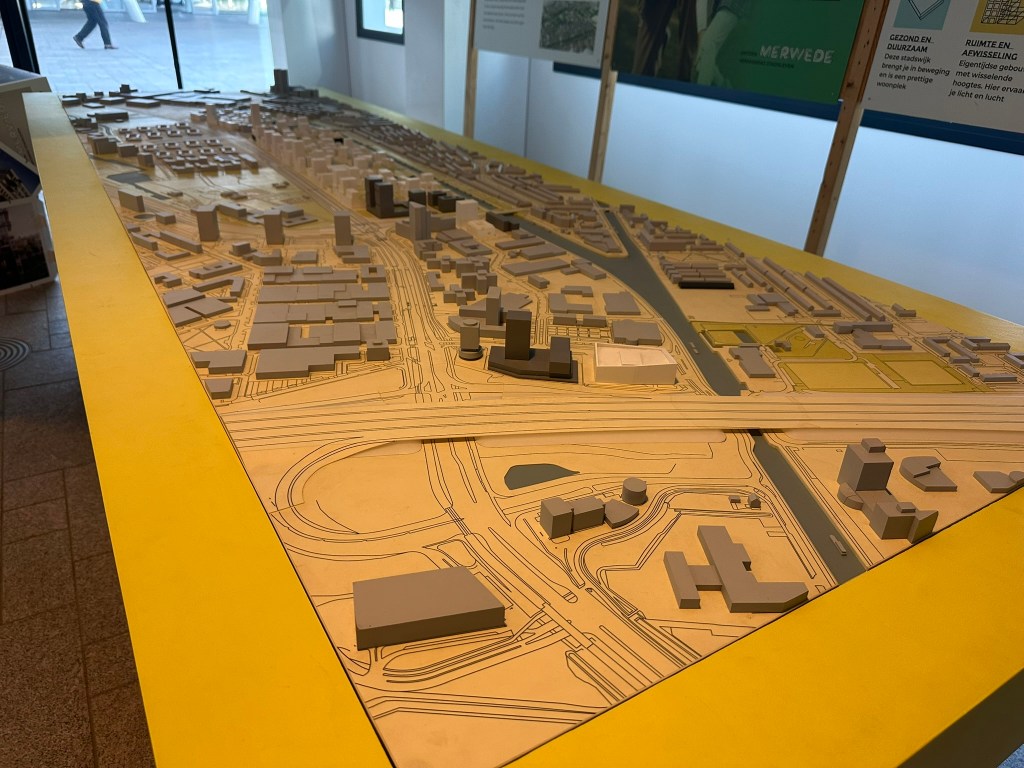
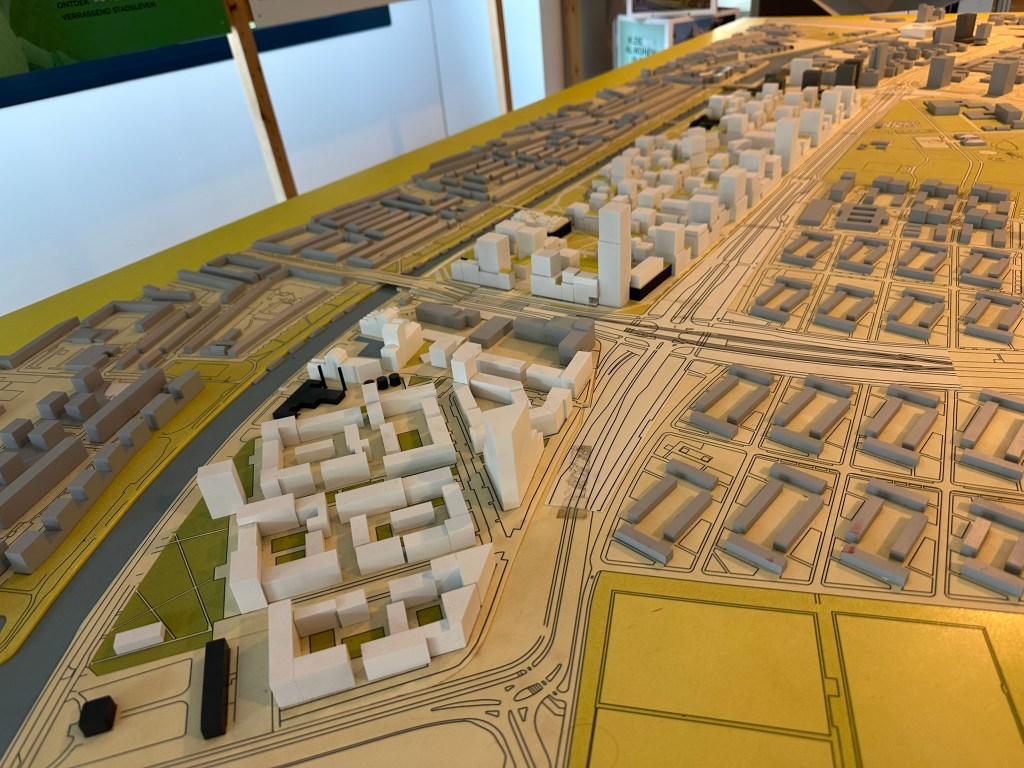
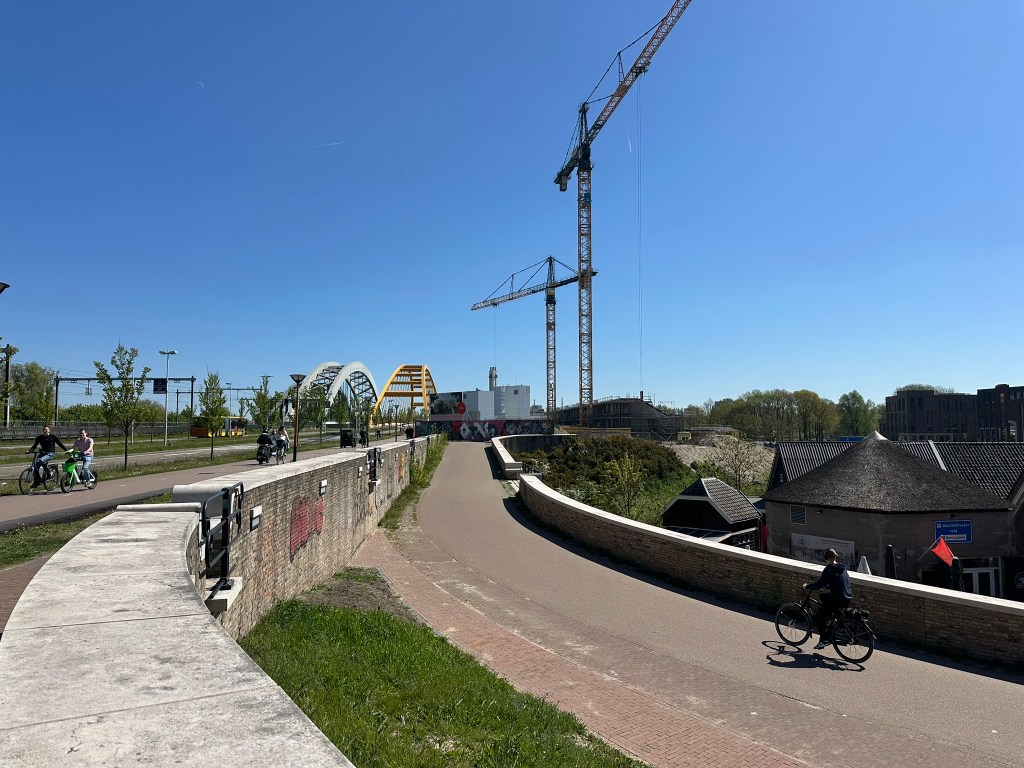
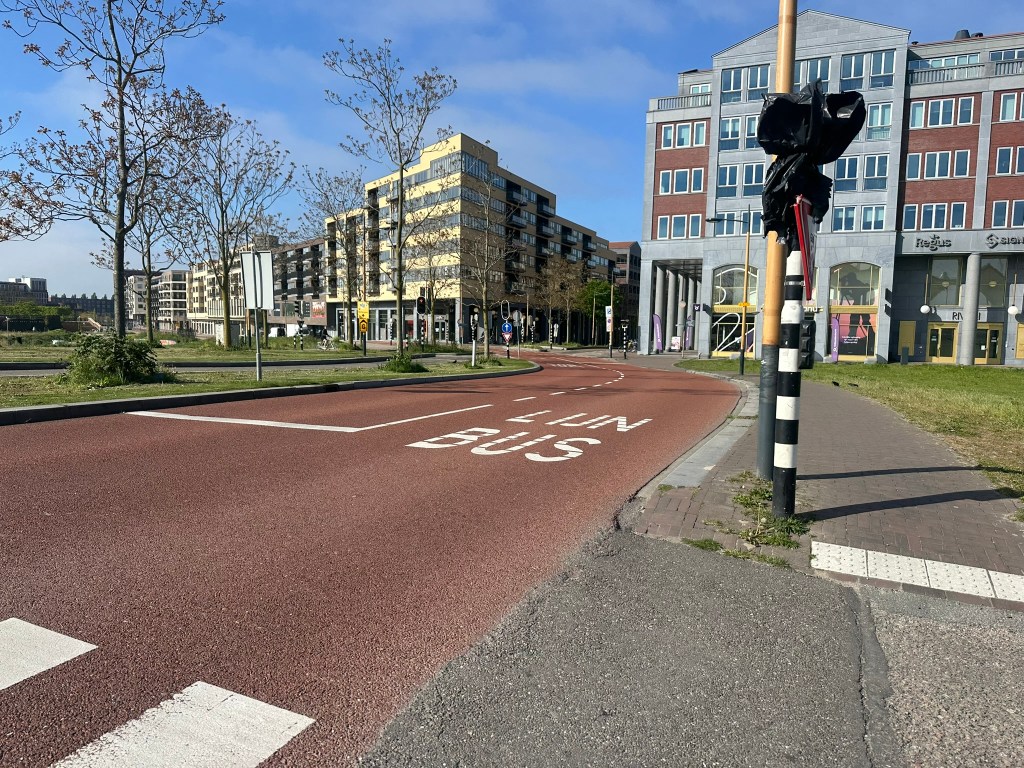
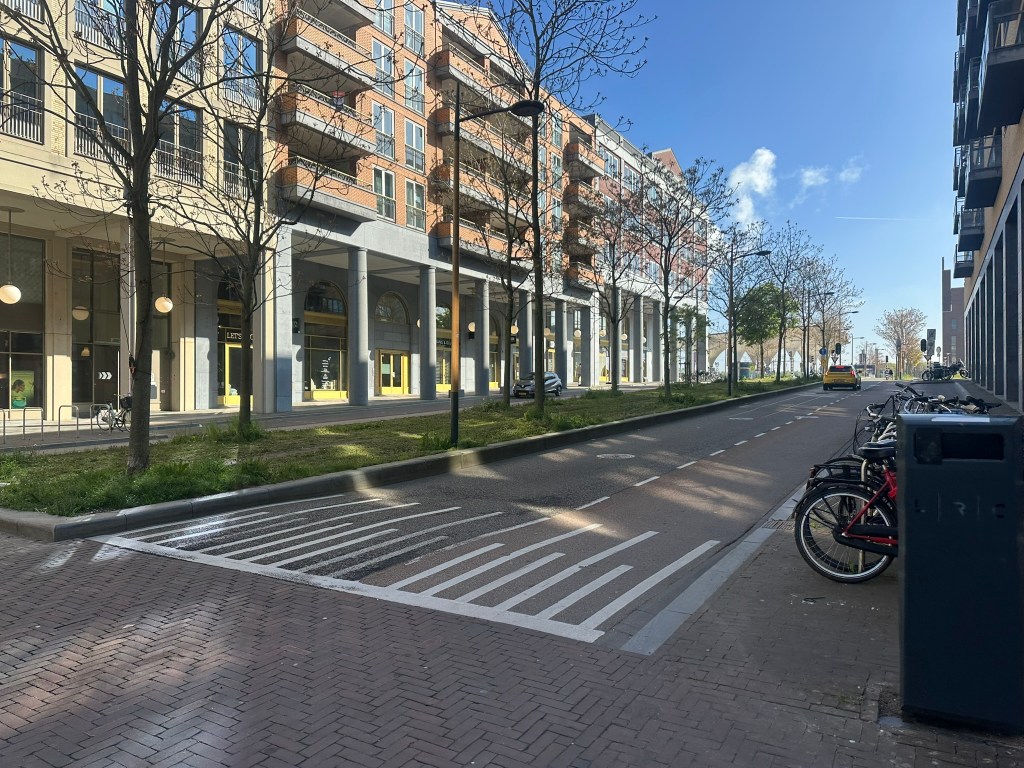
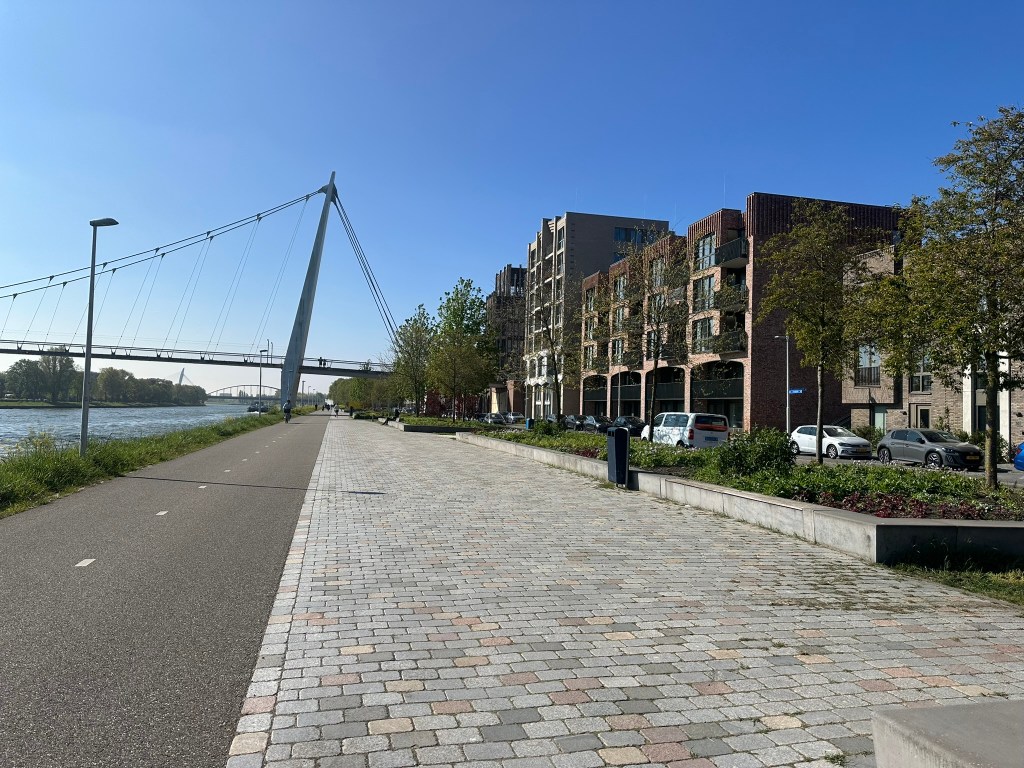
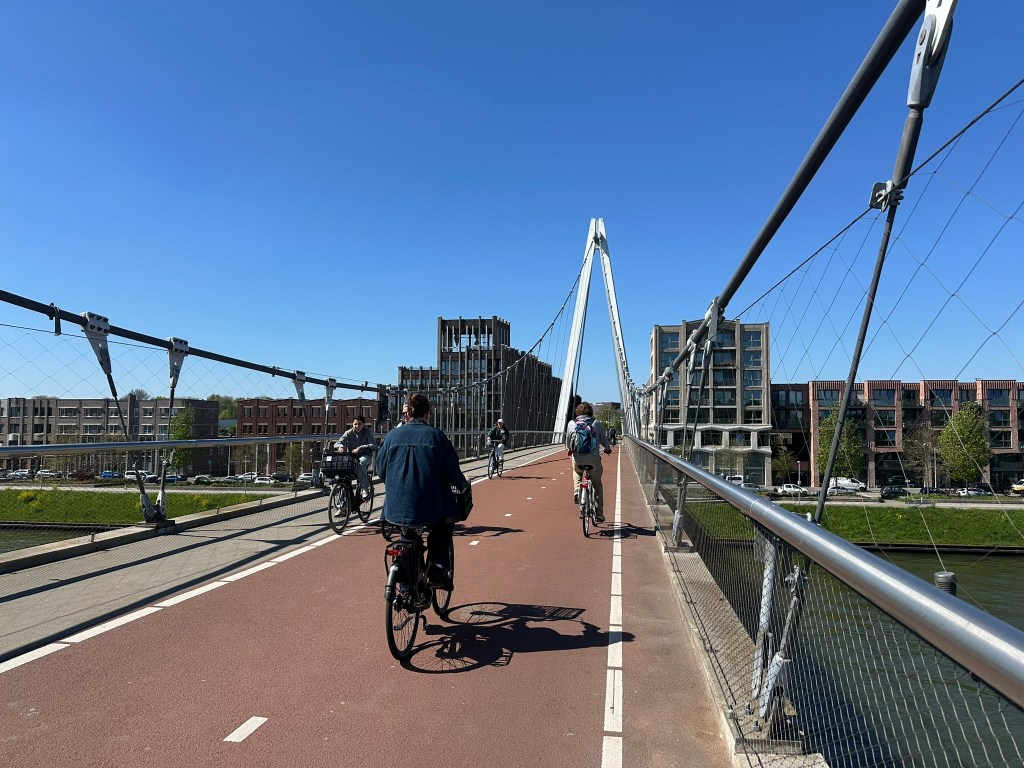
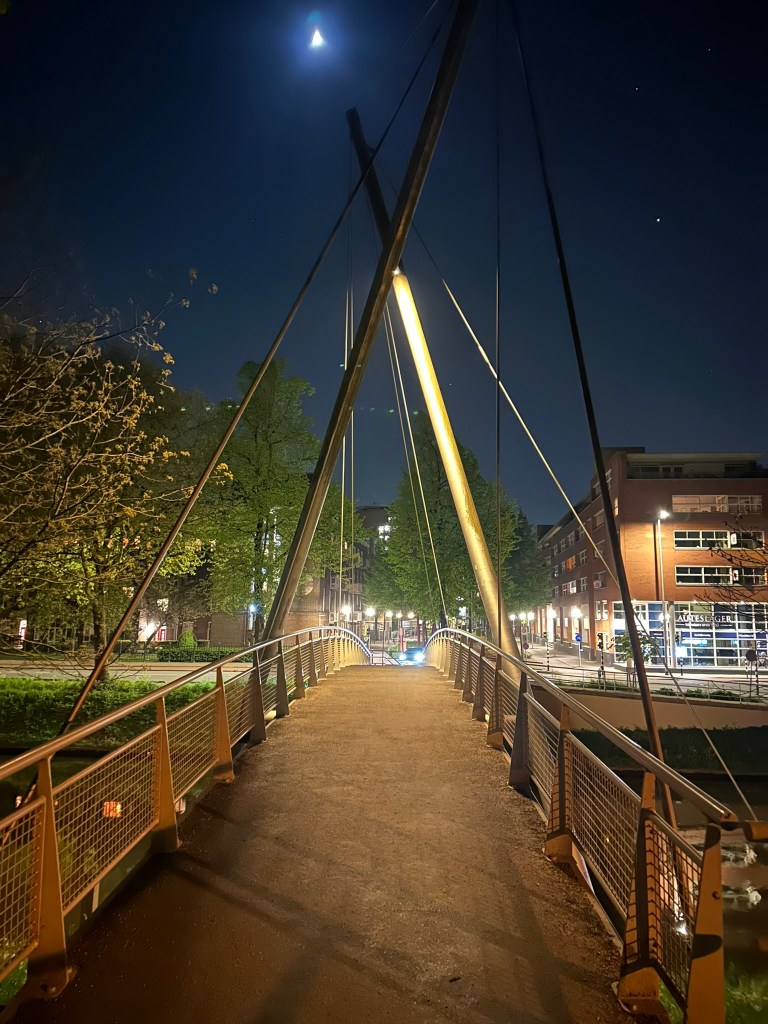
The area sees a mix of dense and varied housing types, commercial centers, greenspace, and a stunning bike / ped bridge over the canal.
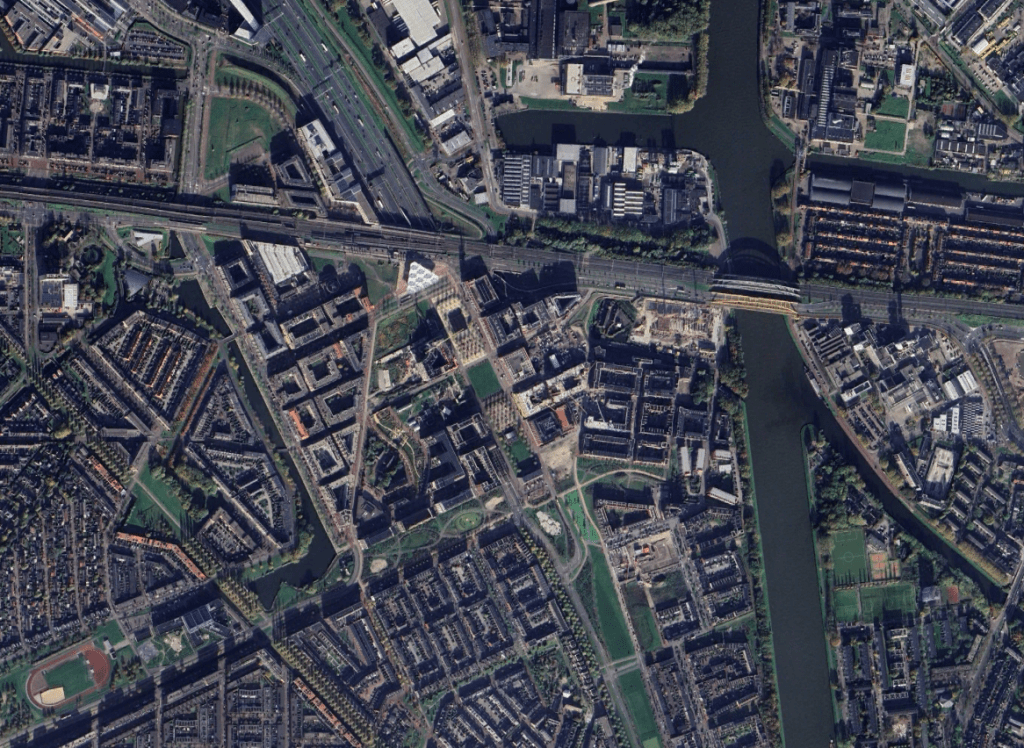
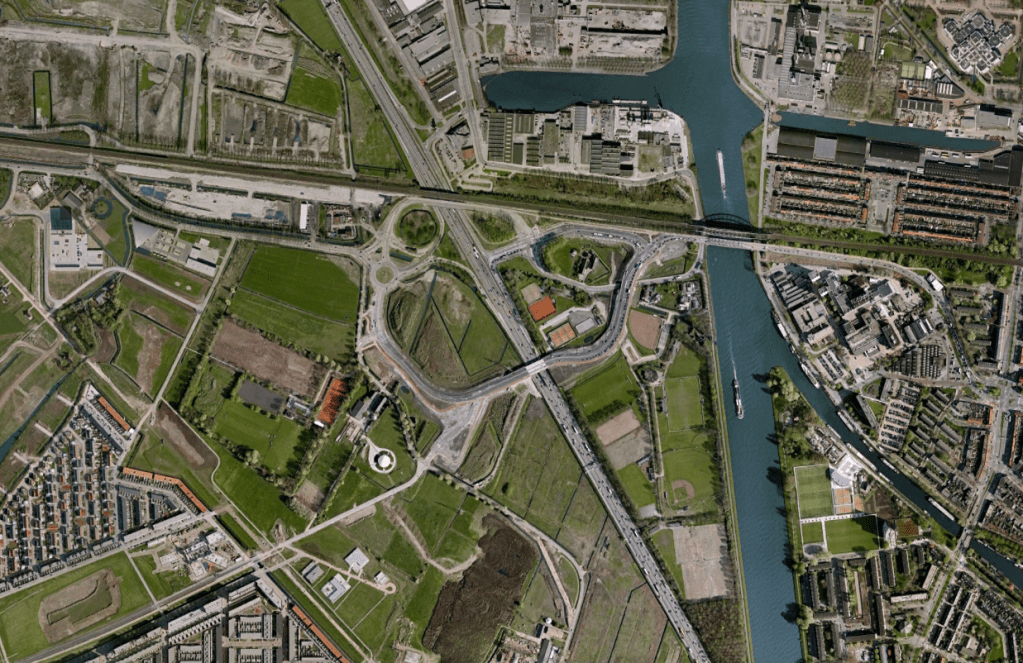
City officials have become committed to enabling a multimodal lifestyle for all through continued investments in infrastructure. Some stats that stood out about:
- 35/45 city council members don’t own cars
- Transportation department is allowed to remove 1% of parking spaces per year
- Tiered A/B/C zoning structure for parking requirements which can be further reduced with shared cars or bikes
- Total city mode split: 40% car, 10% transit, 26% bike, 17% walk
- Nearly 60% of Downtown trips by bike!
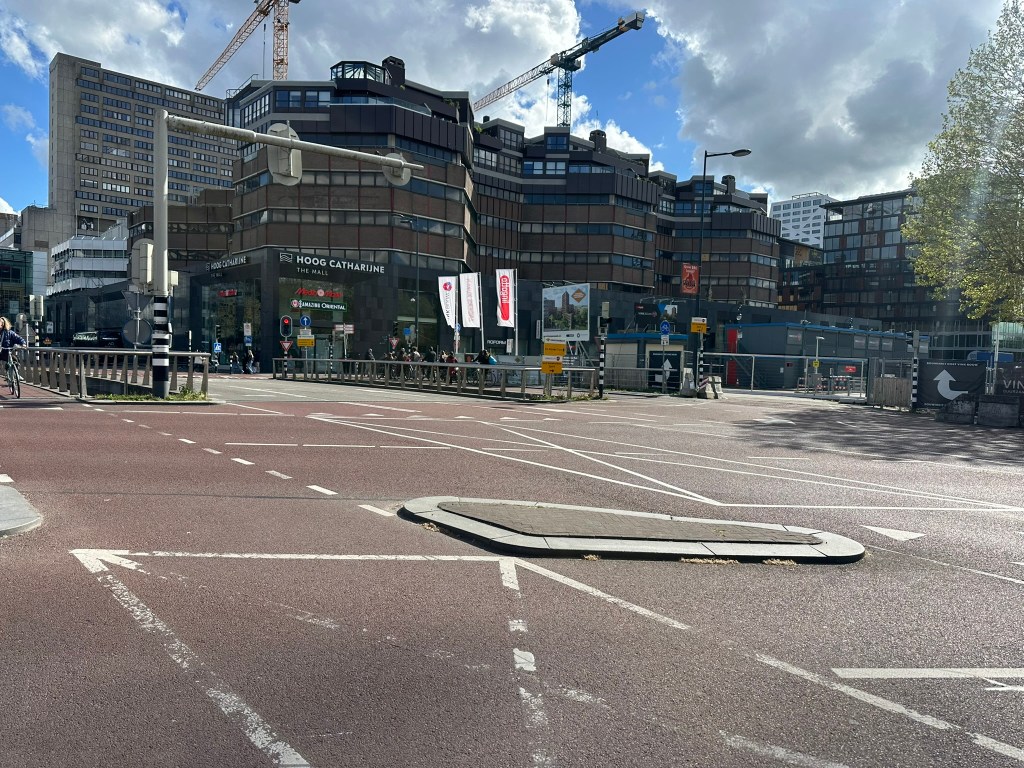
The willingness to continually innovate really sticks out as well. One of the best examples was the transformation of this typical roundabout to a priority square which is a hybrid between a roundabout and R-Cut.
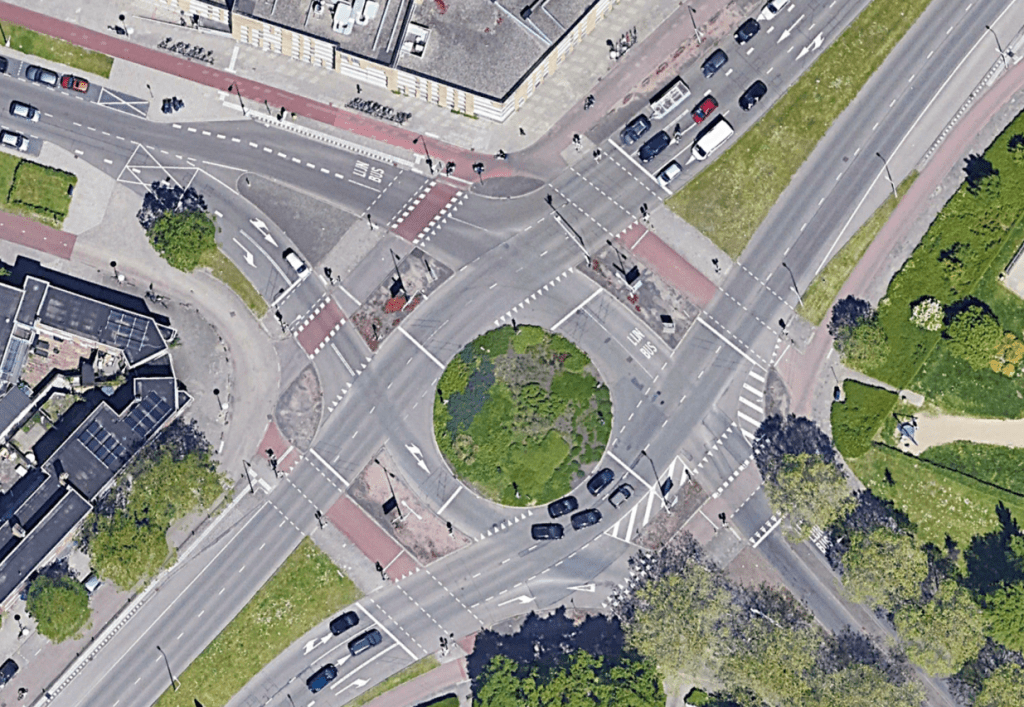
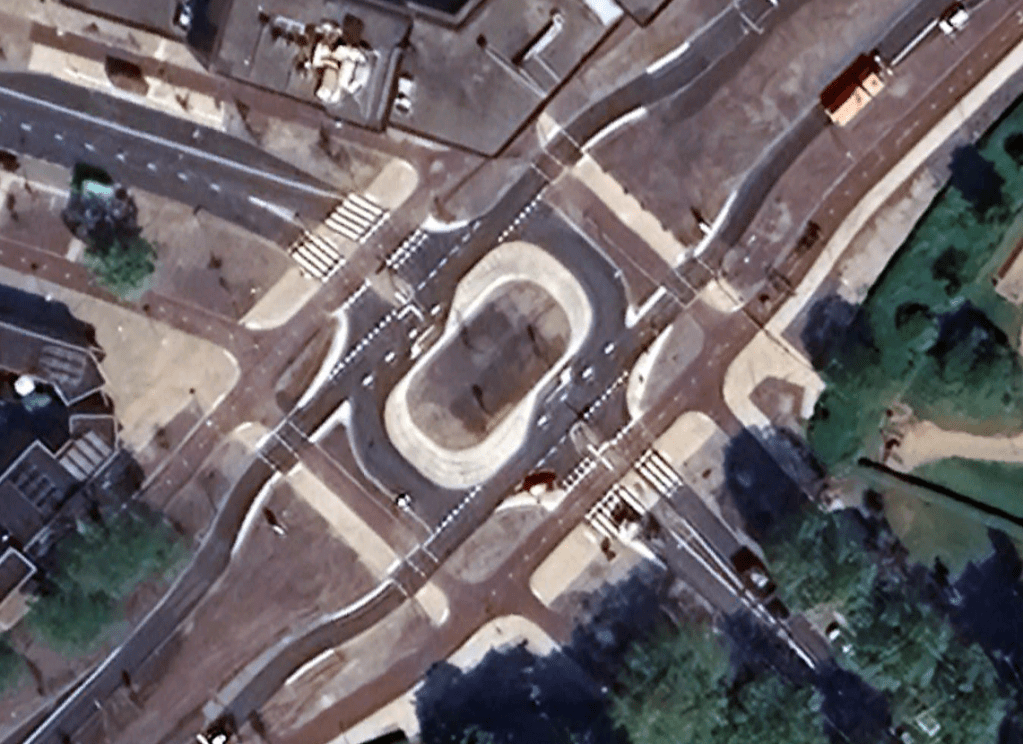
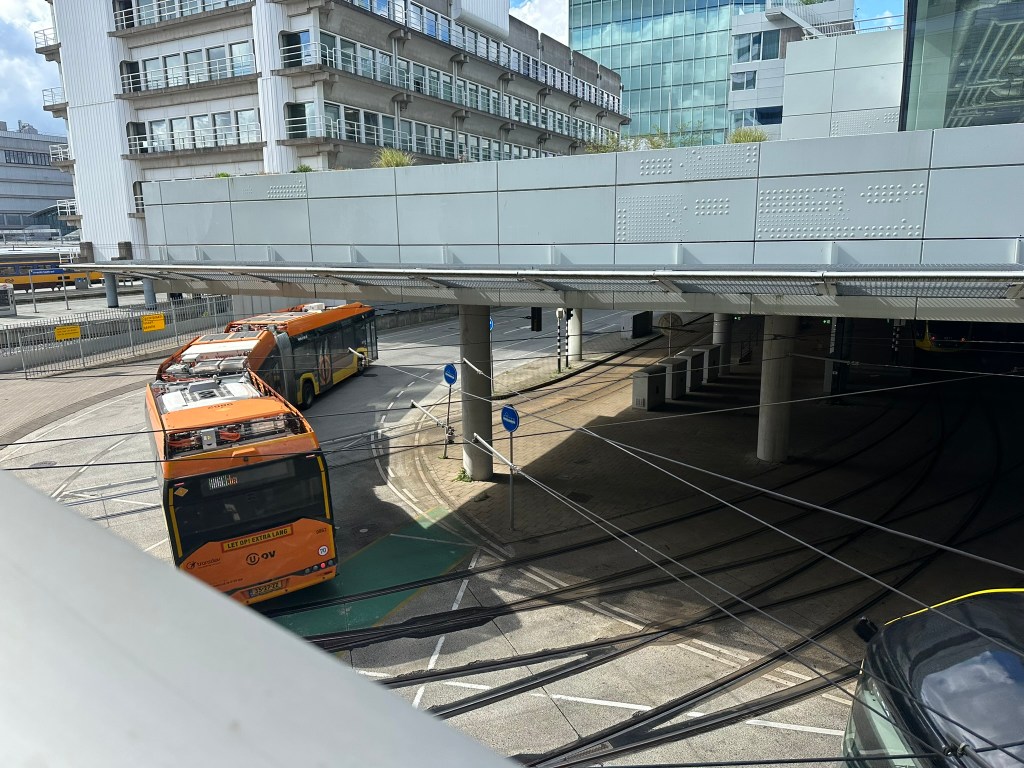
The quality and quality and quantity of infrastructure was truly mind-blowing from bike-ped only bridges over canals, the multi-level bike parking garage, double-articulated busses, bus-only roads, and yes even the quality of the motorway system.
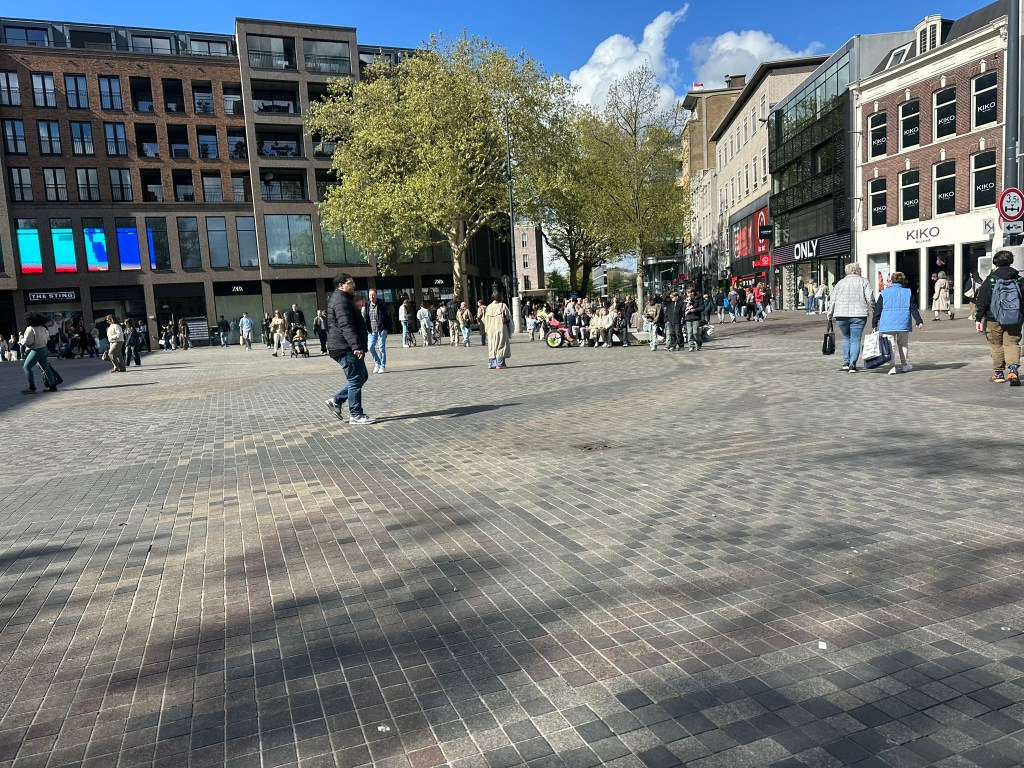
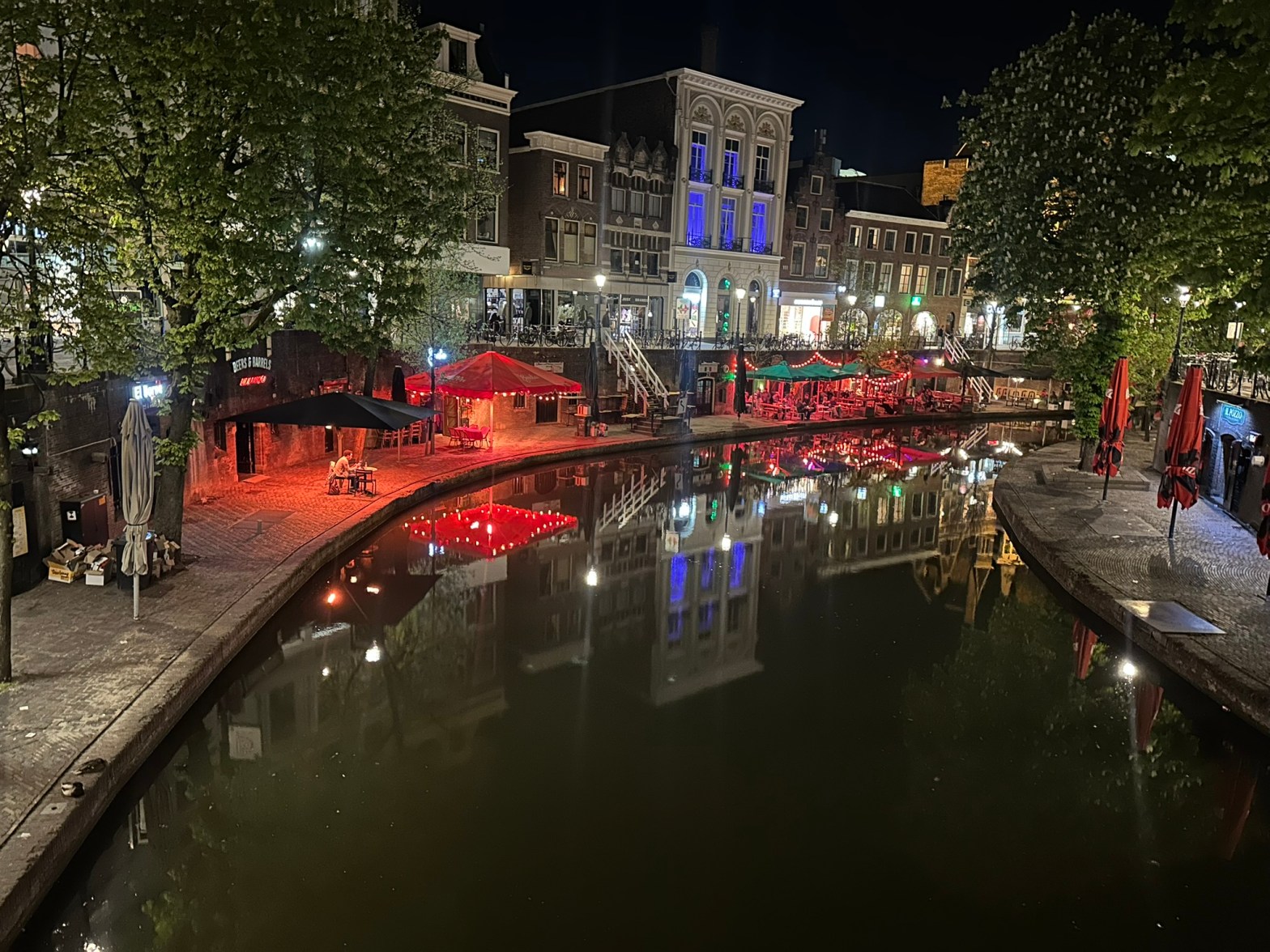
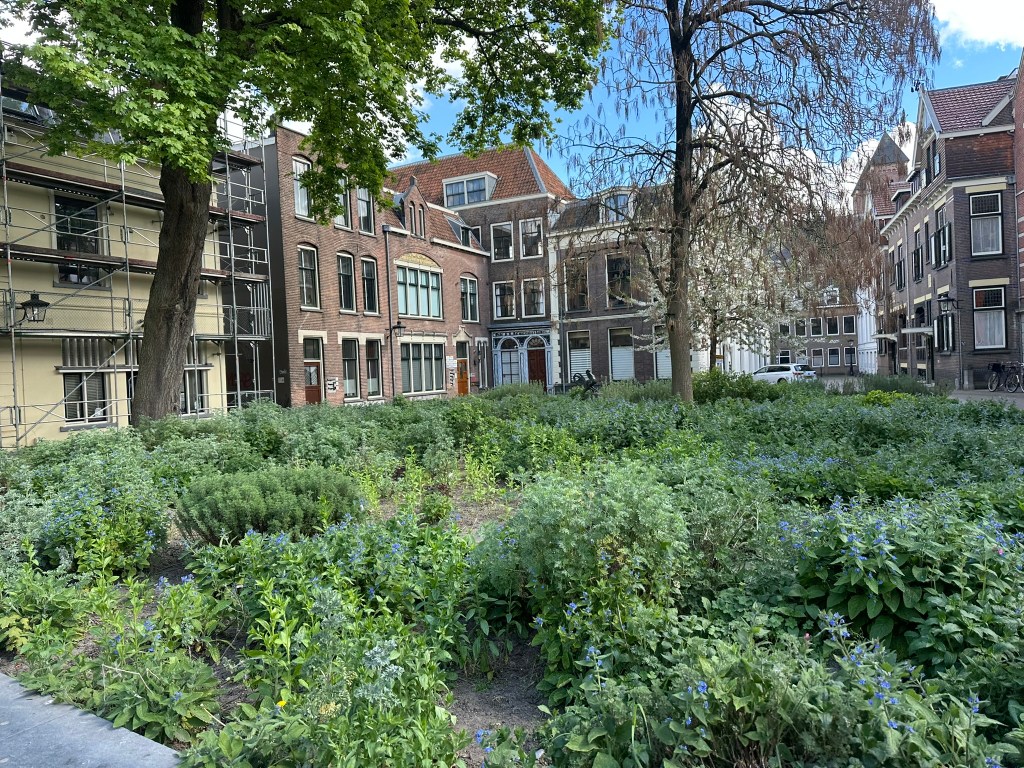
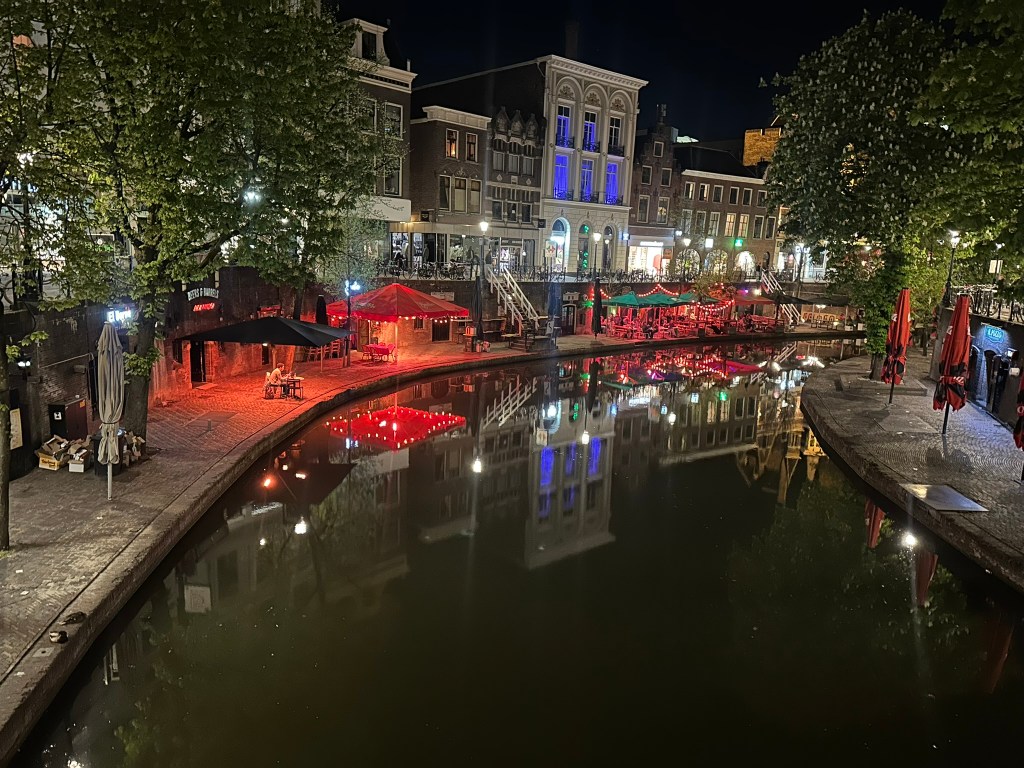
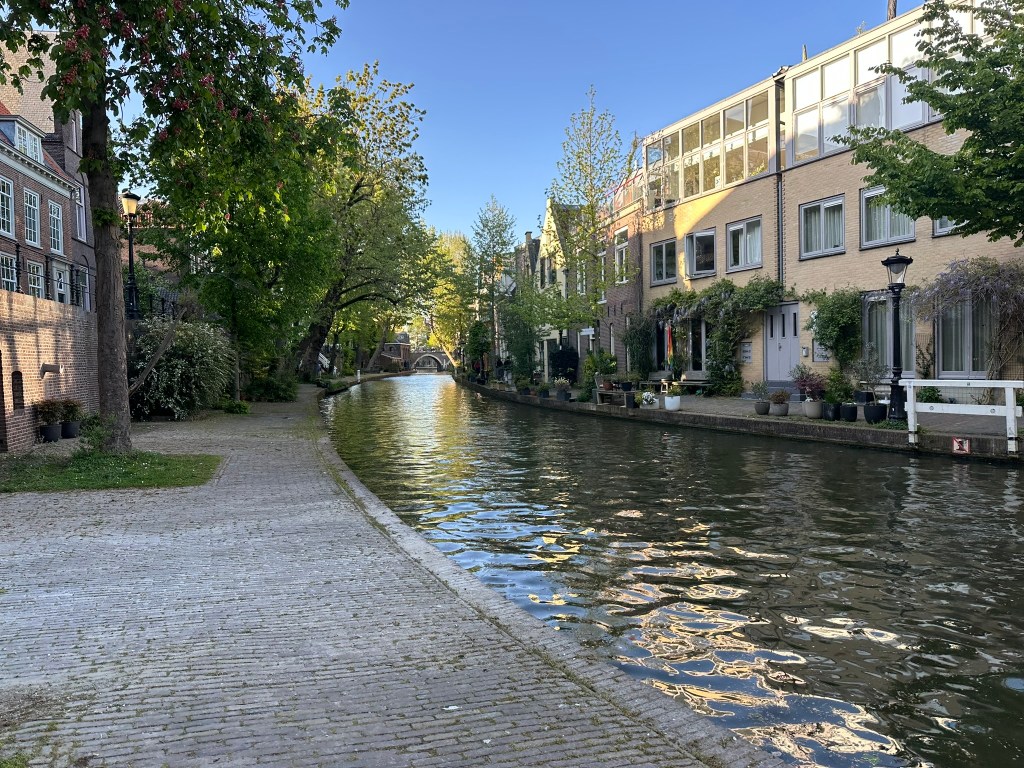
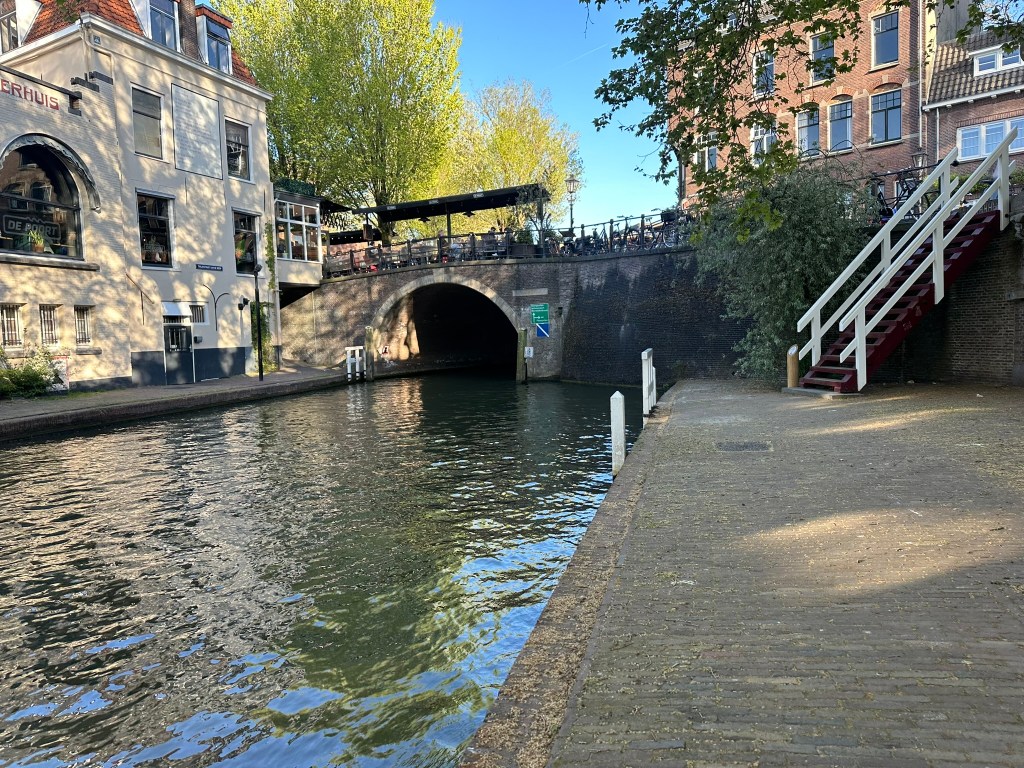
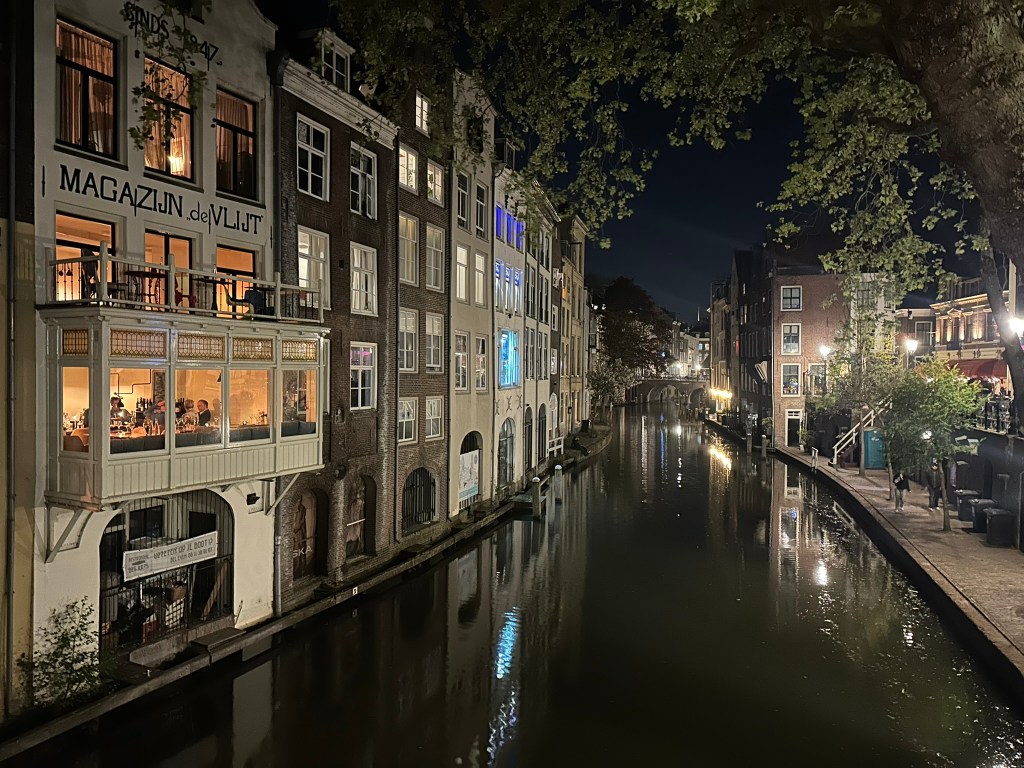
The historic canal lined core of Utrecht dates back 100s of years. Much of that historic core has been retained and has evolved through the years to still be the focal point of activity and commerce.
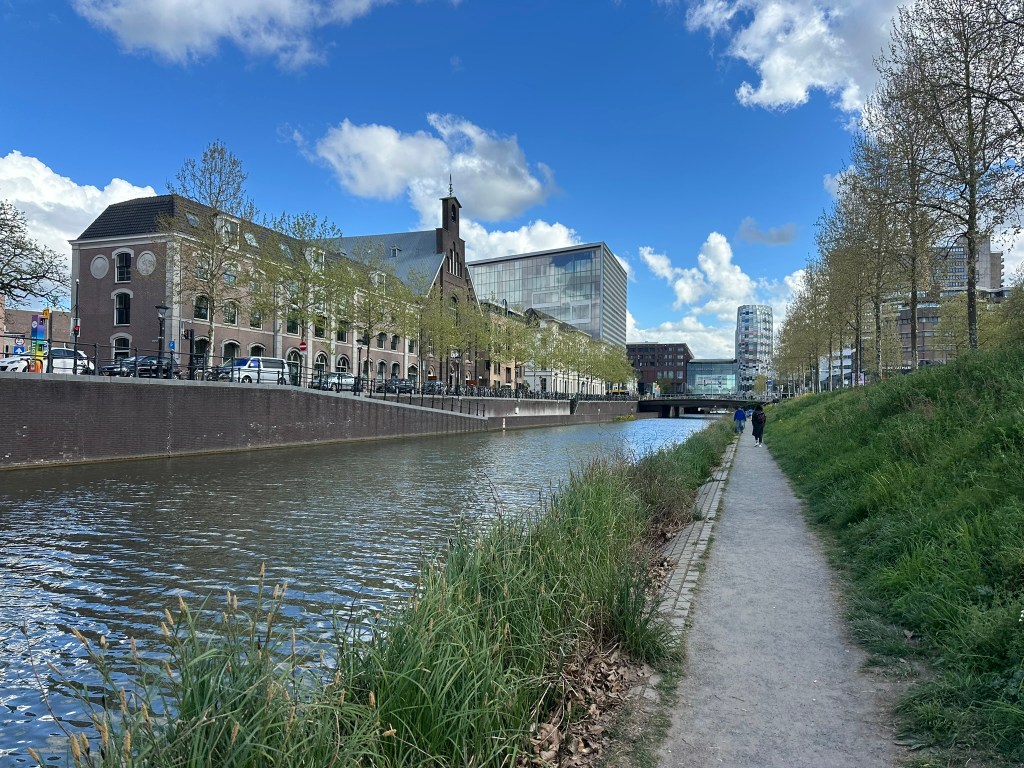
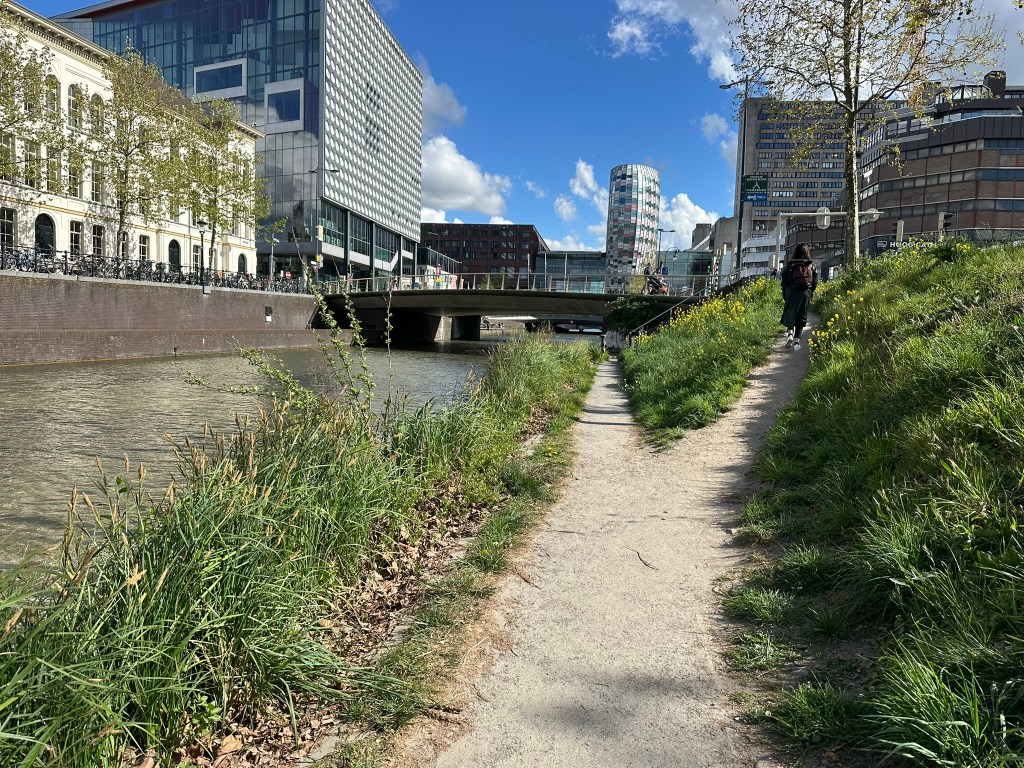
Shops, restaurants and homes line the depressed section of canal giving it an unique feel when compared to Amsterdam.
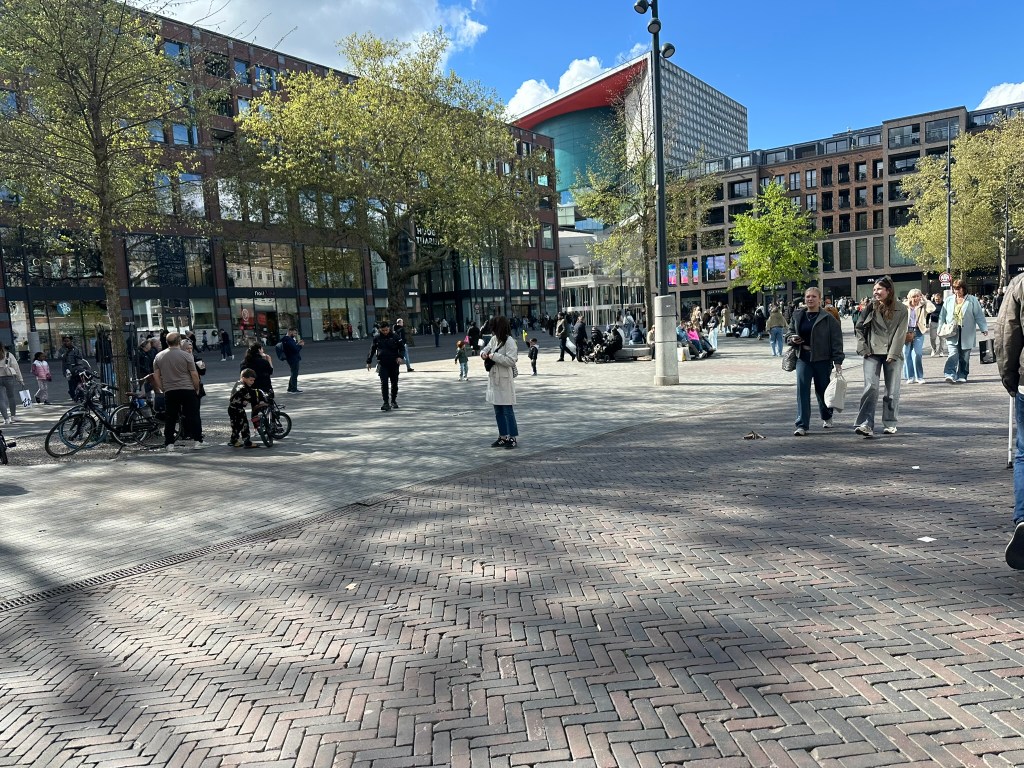
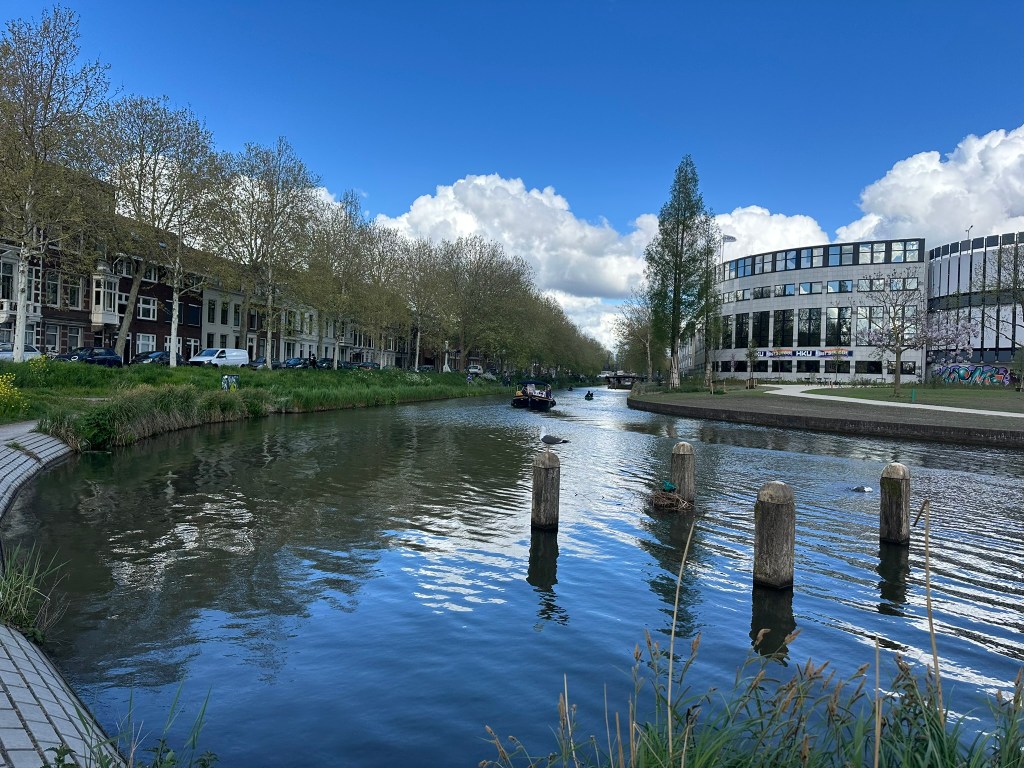
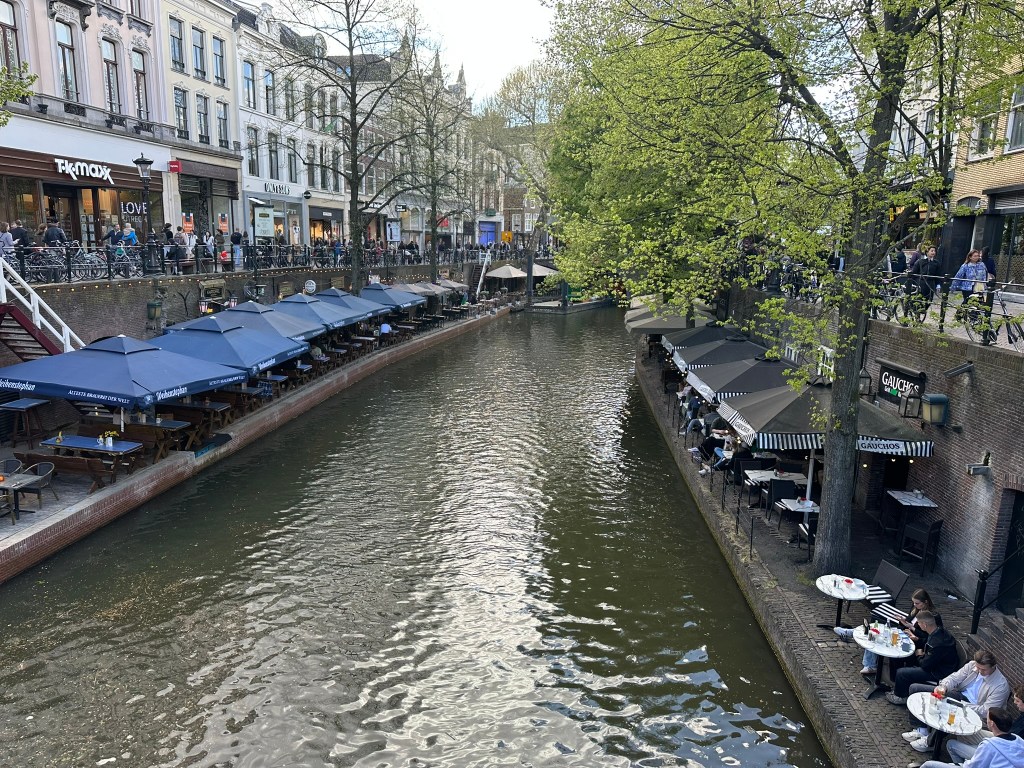
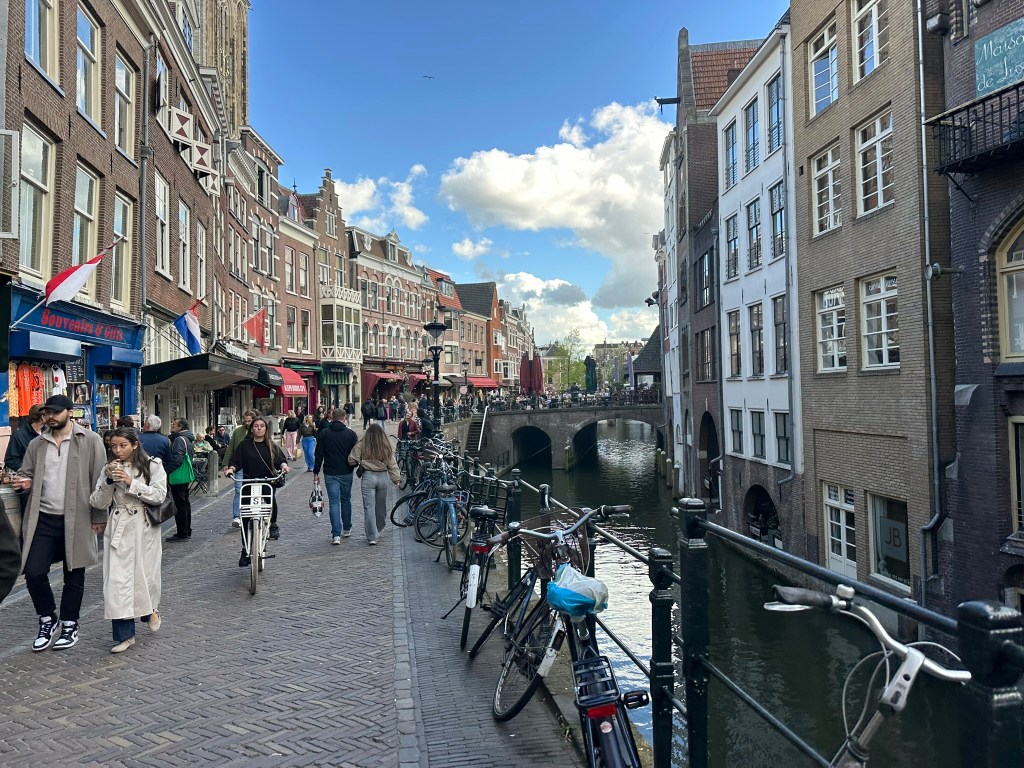
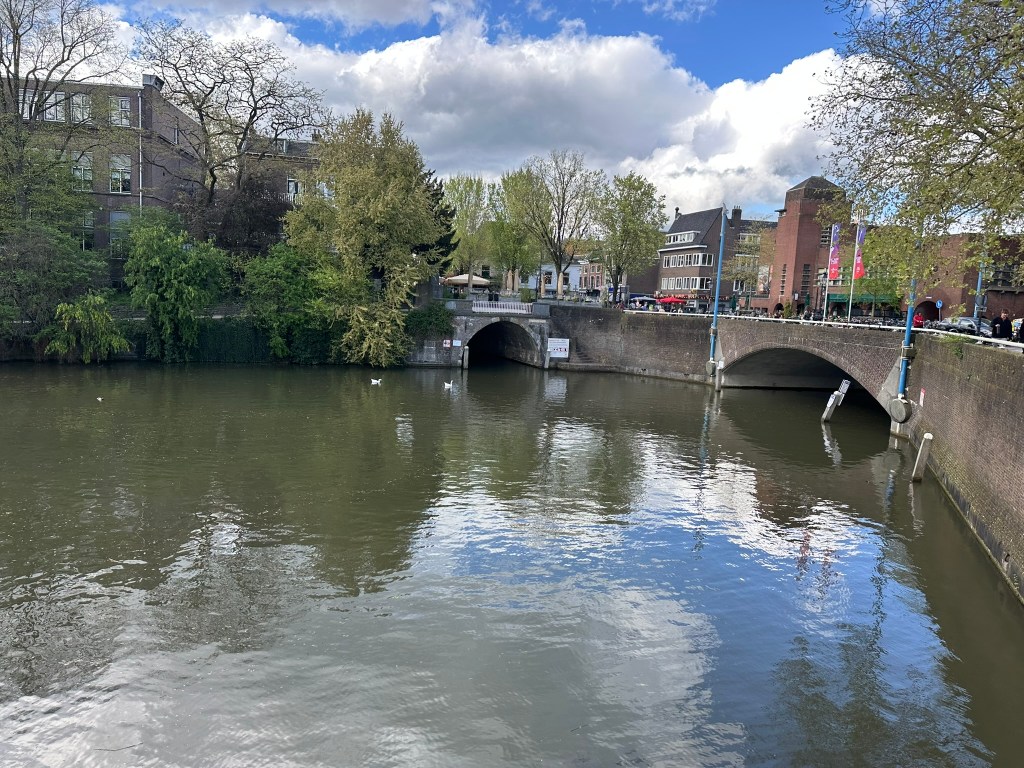
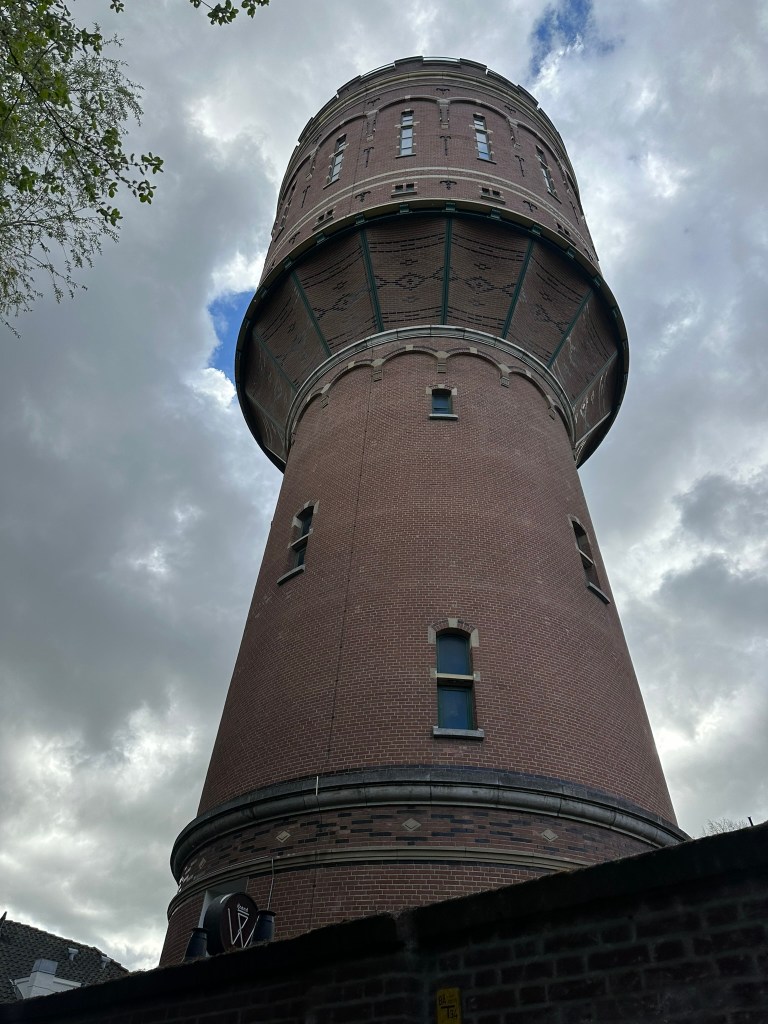
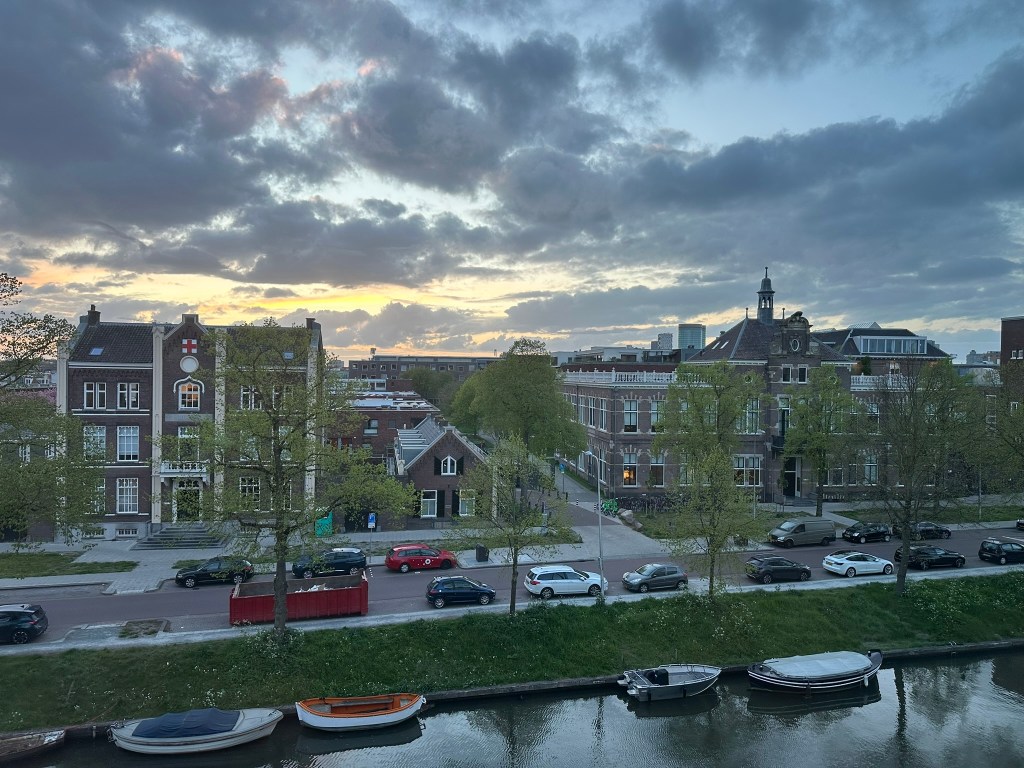
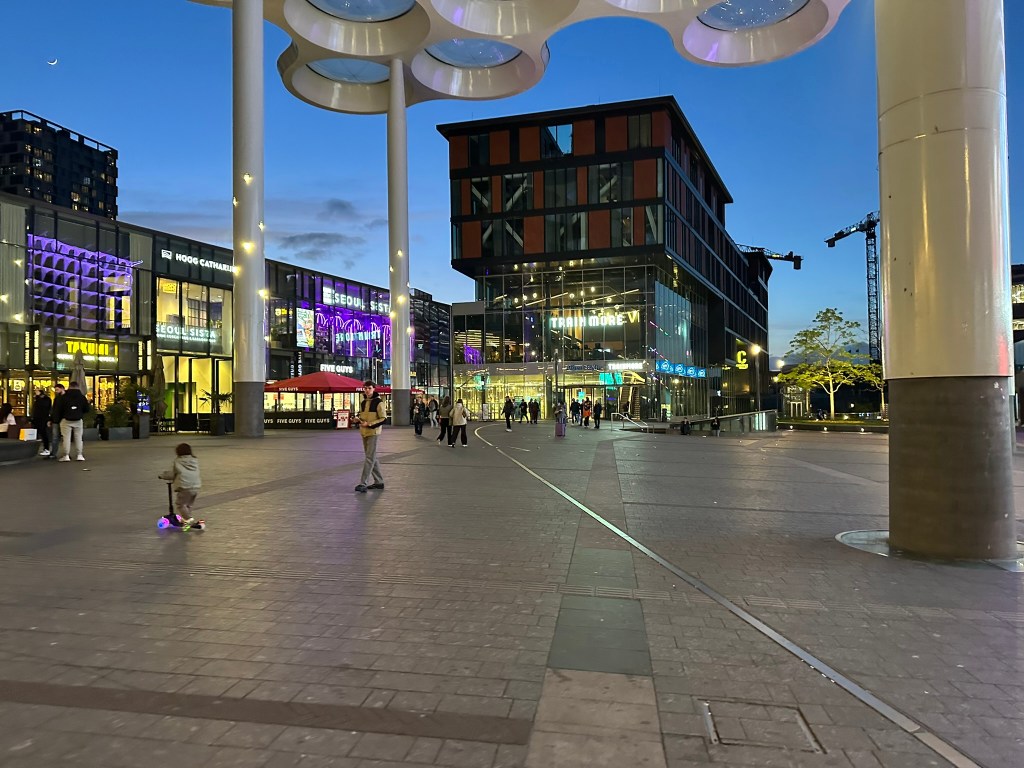
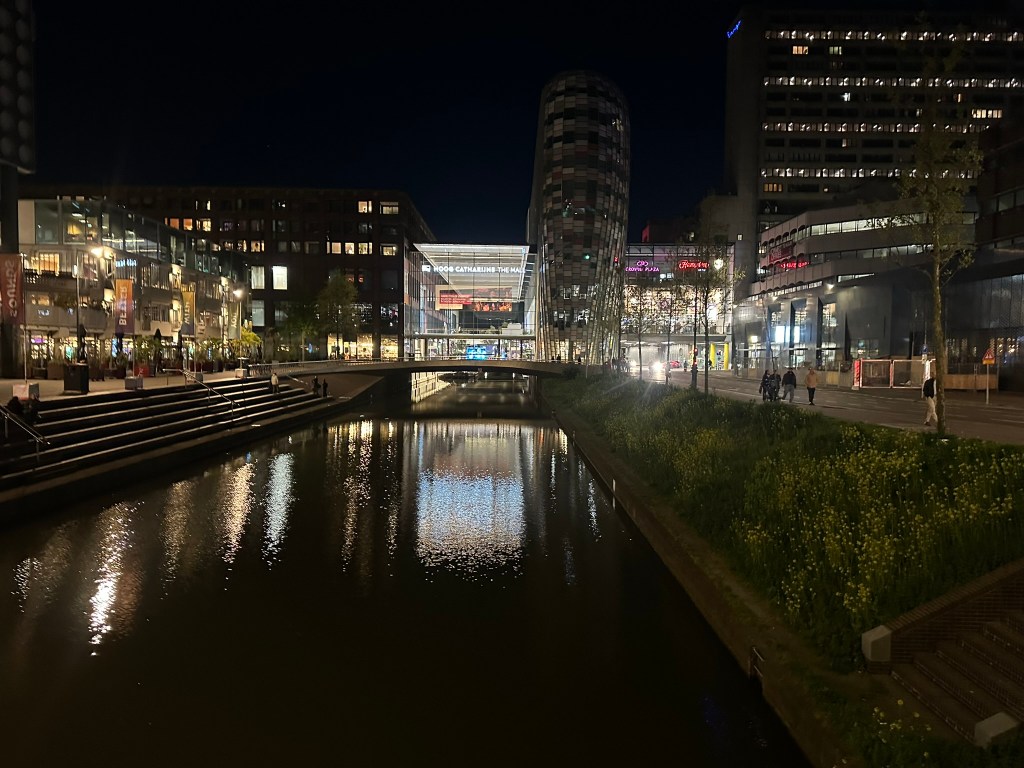
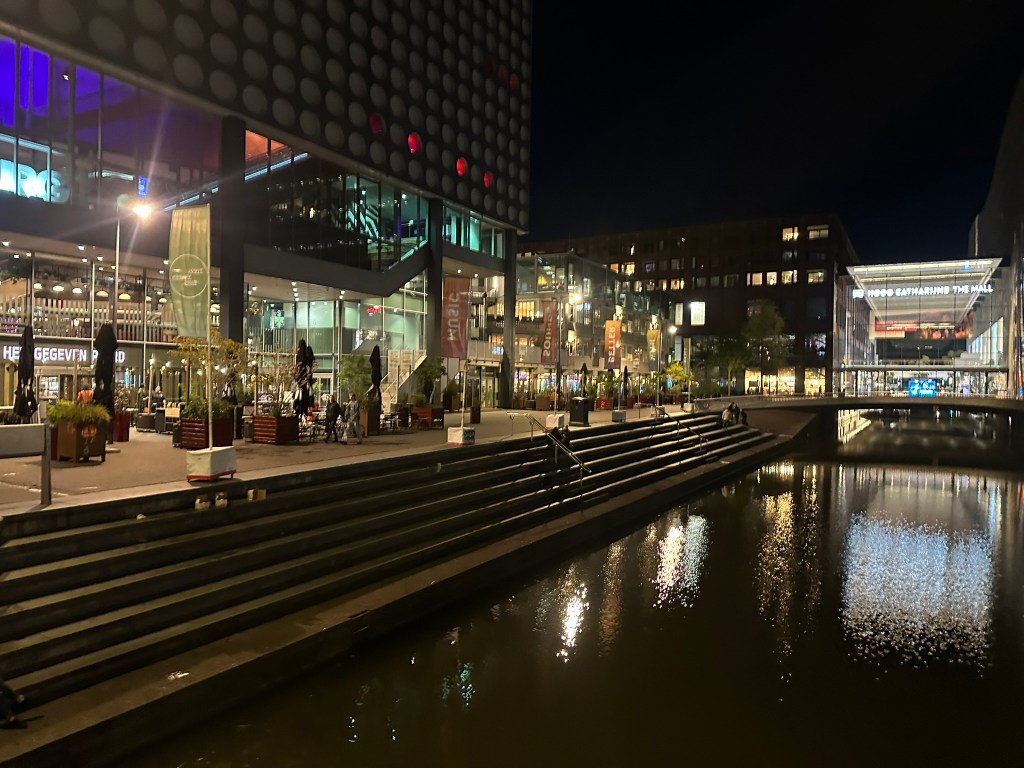
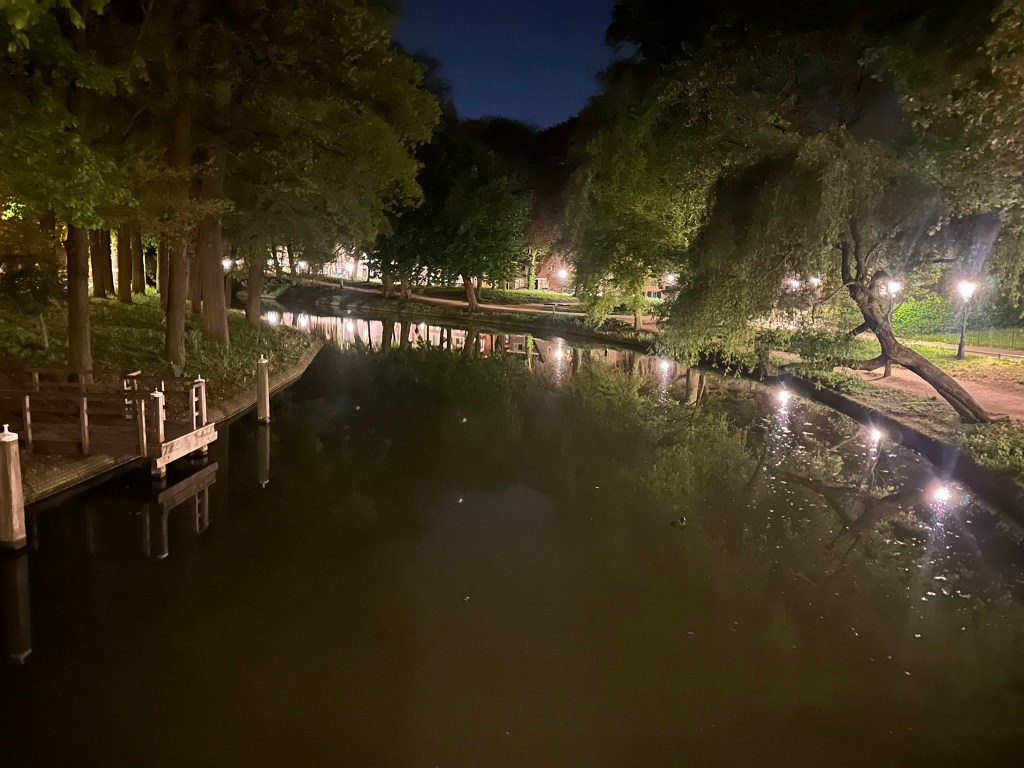
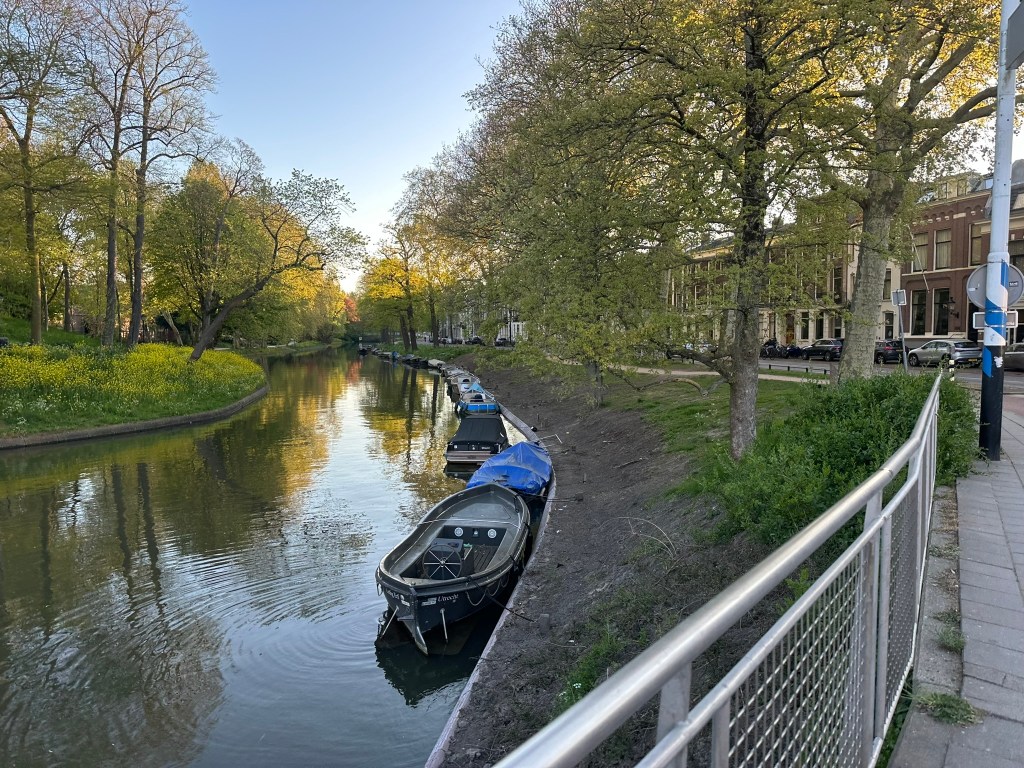
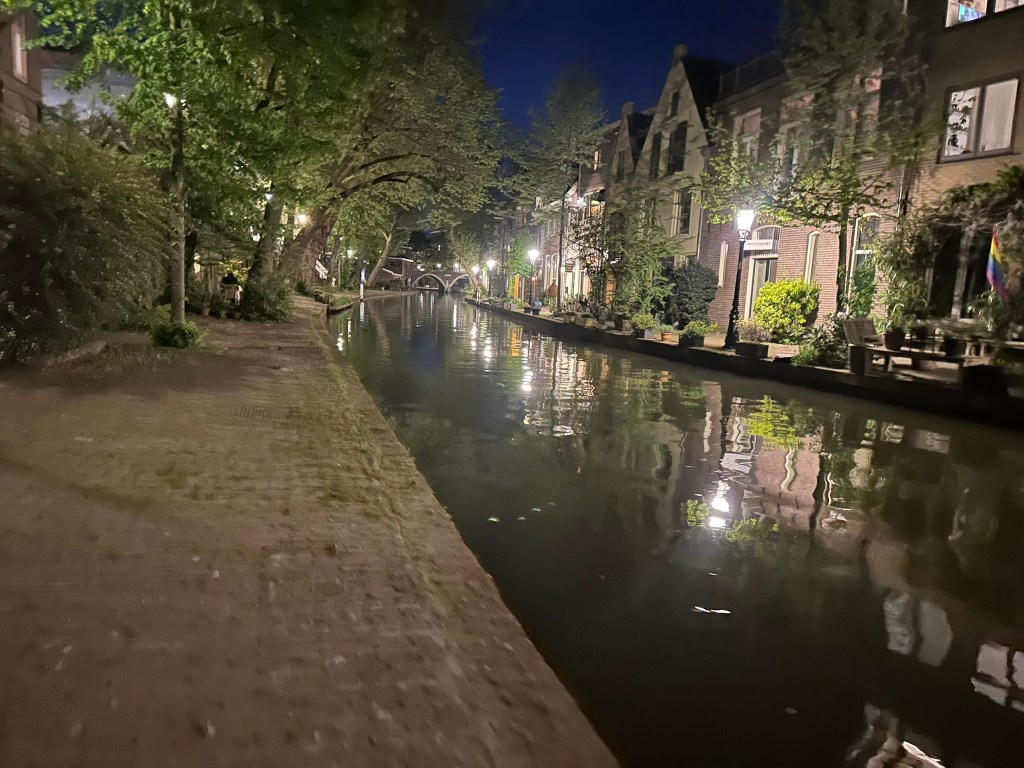
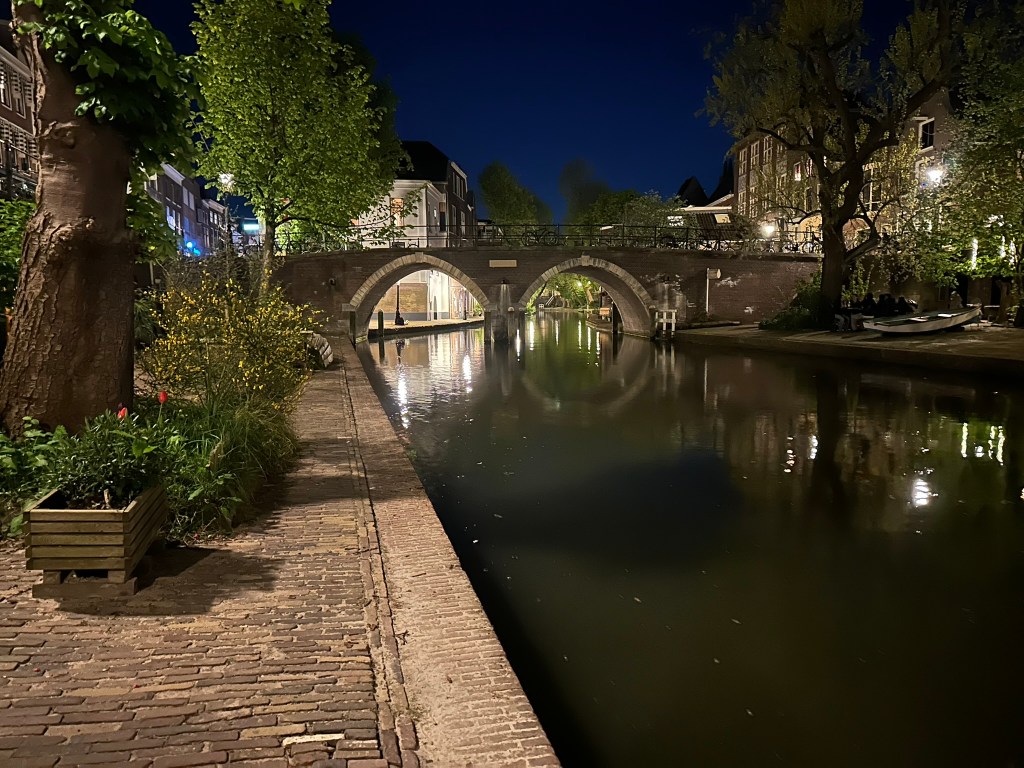
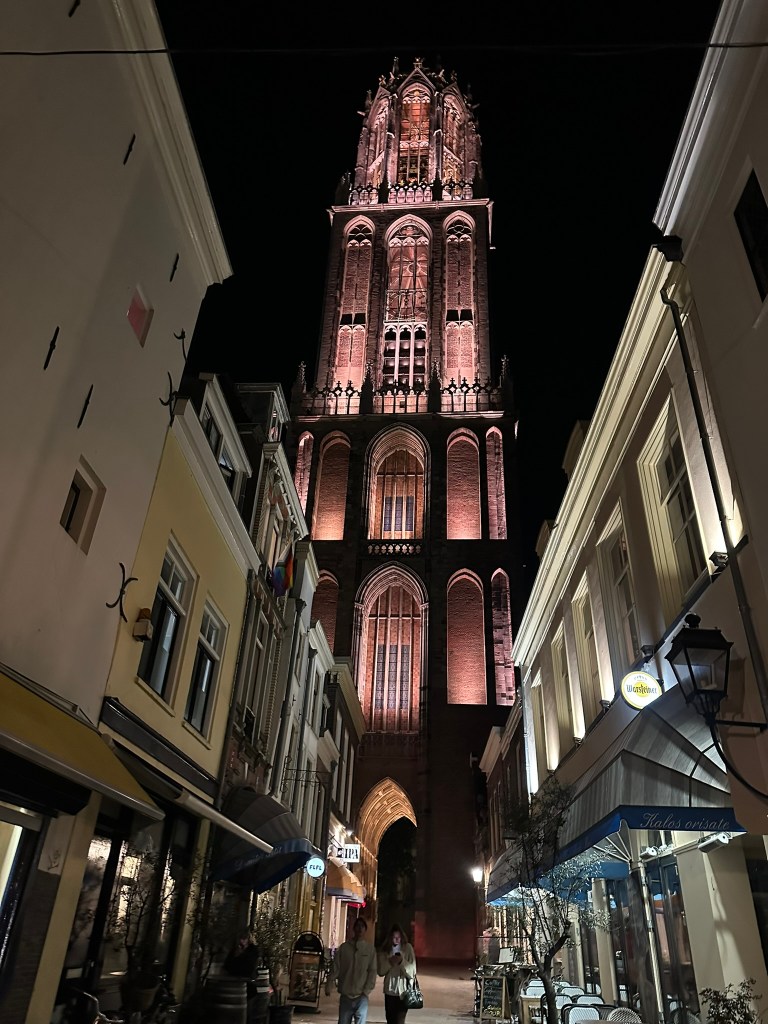
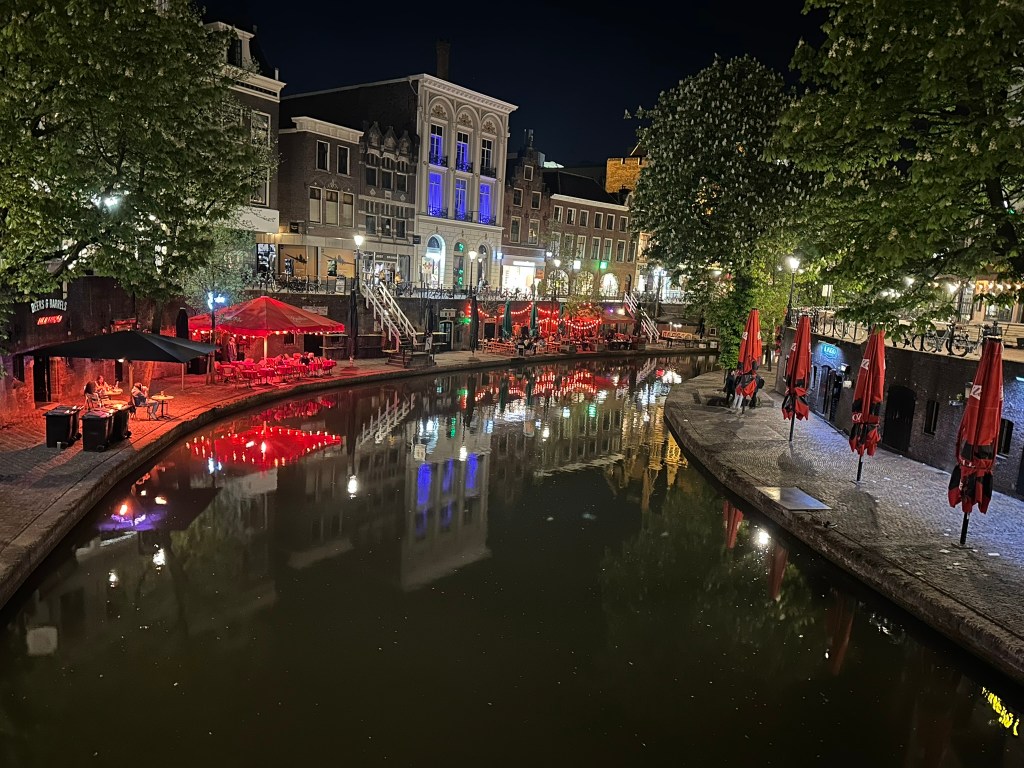
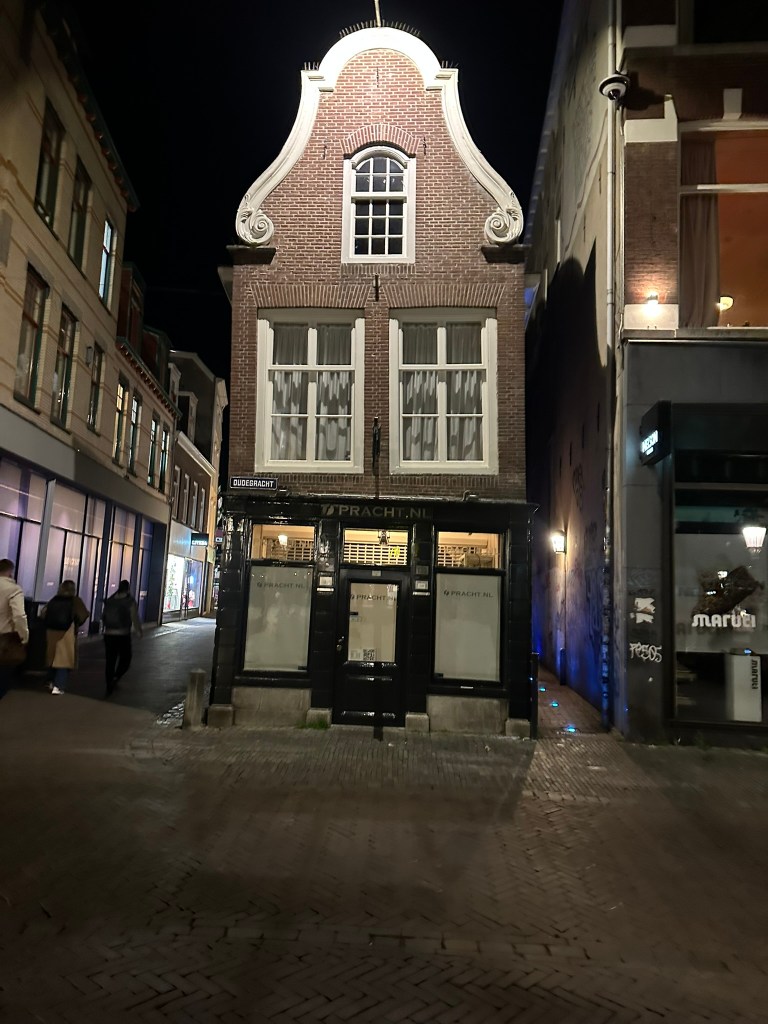
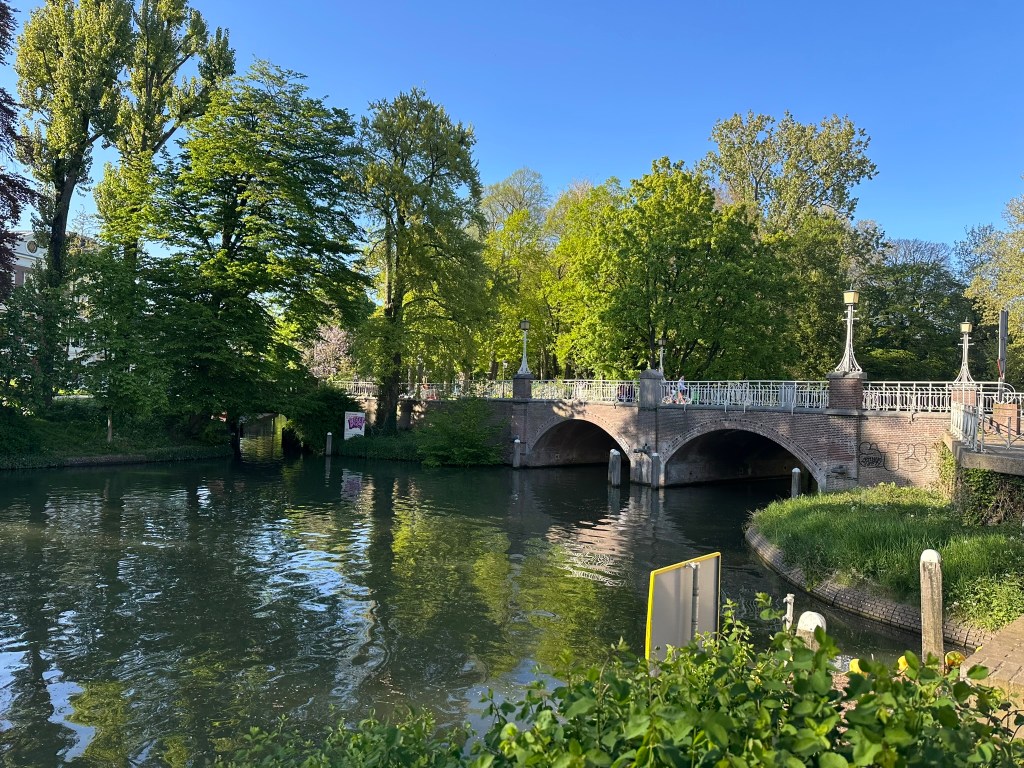
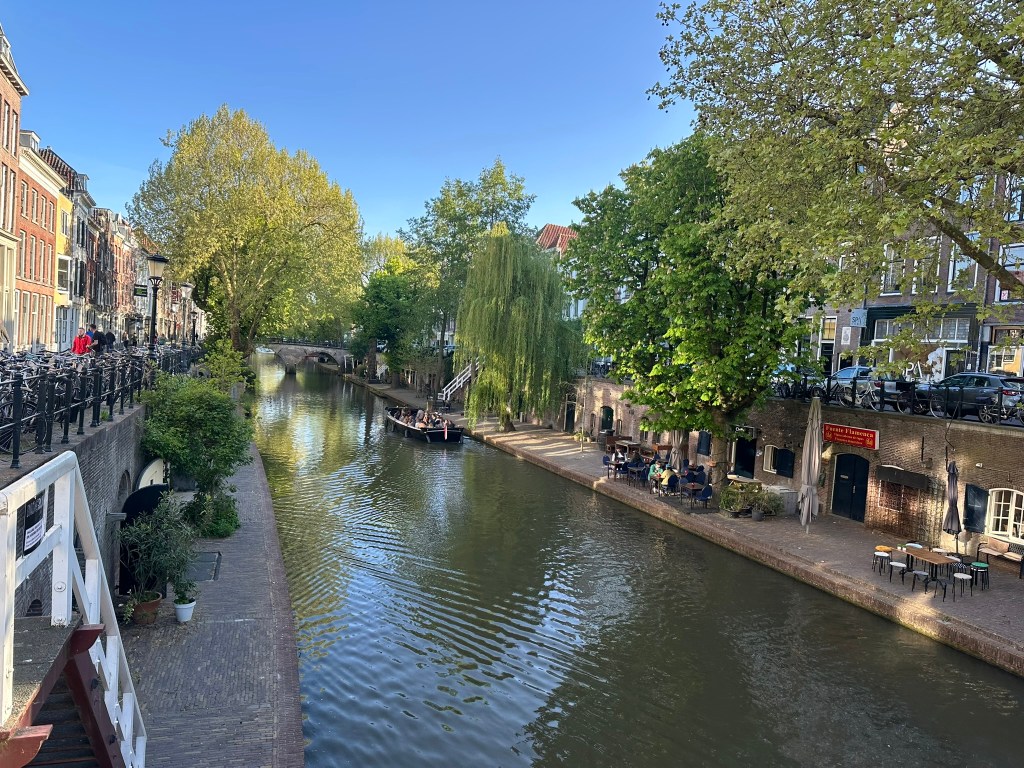
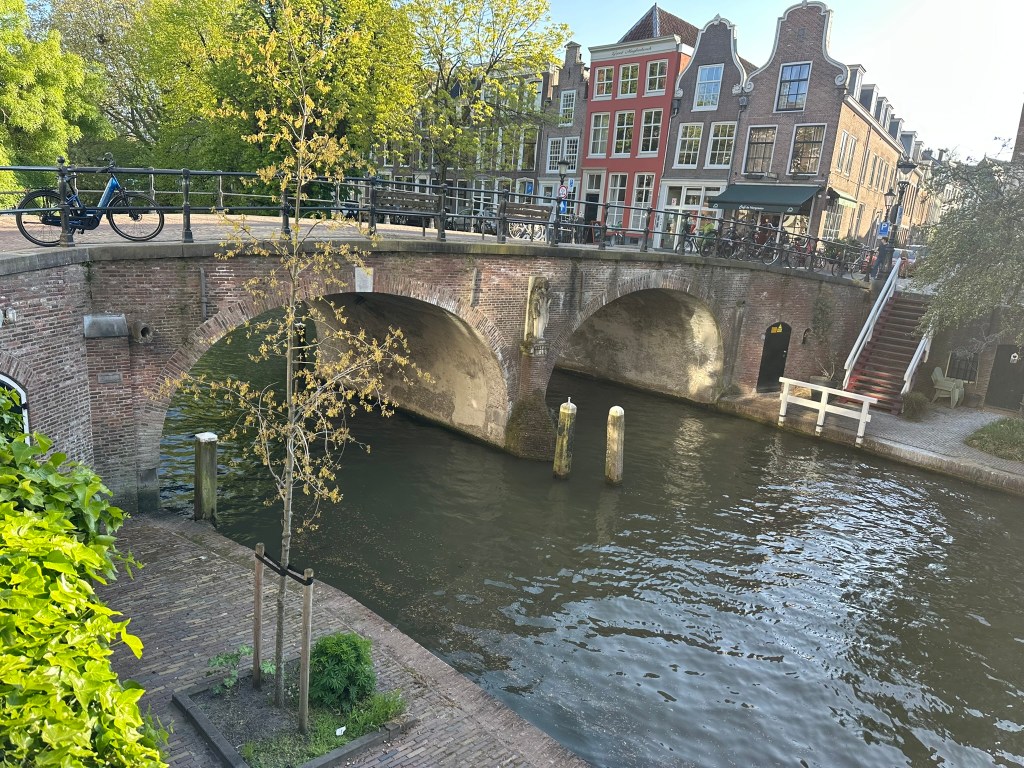
From the unparalleled bike infrastructure, quality infill neighborhoods, tight historic core, to the unmatched multimodal access, everything just comes together in Utrecht. It was truly a perfect cross-section of my view on what urbanism can be, what I work to be, and without a doubt one of the favorite places I’ve ever gotten the chance to spend time in.
Still to come, I’ll be taking a closer look at Amsterdam, as well as rural riding and water infrastructure. Special thanks to the Dutch Cycling Embassy and ITE Georgia Section for hosting and organizing.
All Articles: The Urban Connector
Subscribe to my YouTube Channel
Subscribe to receive email notifications for new articles.
I’ll be reposting my favorite ideas to date plus all new content over on Substack! As always, everything will remain free so hop on over and subscribe!
Phil Veasley, PE, CNU-A, The Urban Connector, is a Professional Engineer with Nelson\Nygaard Consulting Associates focused on creating safer, more vibrant cities through strategic multimodal infrastructure design. With expertise spanning traffic analysis, hand sketching, conceptual design, and full construction documentation, he thrives on transforming roads into great streets where people of all ages and abilities can flourish. Based in Atlanta, Phil is a passionate advocate for walkable, dense, and equitable neighborhoods. Outside of work, his passion is exploring urban life through sketching infill ideas and navigating cities primarily by bike or foot. His on-the-ground perspective informs his professional work, helping him design transportation systems that are not only functional but also people-centered and inspiring. Phil brings both technical depth and a city lover’s enthusiasm to every project, drawing on the belief that infrastructure and urban form must go hand in hand to support vibrant, inclusive communities where everyone has access to opportunity and quality of life.
Please check out the menus above for all of my ideas and also check out my YouTube, Instagram, Website, Substack, and Twitter accounts.
Opinions and insights are my own and are not representative of my employer or any organization.


2 thoughts on “Netherlands Tour Review – Utrecht”