Subscribe to my YouTube Channel
Subscribe to receive email notifications for new articles.
Back in April, I had the amazing opportunity to embark on a week-long infrastructure tour in the Netherlands with the ITE Georgia section. If you missed my initial takeaways piece, be sure to check it out!
In the coming weeks I’ll be taking a closer look at each stop in our journey, starting with the car-lite village of Houten.
Like nearly every other country, Netherlands was a bit of a car-sewer back in the 1970’s. But after numerous instances of kids dying in roadways along with the oil crisis, enough was enough.
The decades that have followed have transformed the once car-dominated landscape into a multimodal hub.
The Dutch aim to have a network that is:
- Cohesive
- Direct
- Safe from cars & socially safe
- Comfortable
- Attractive
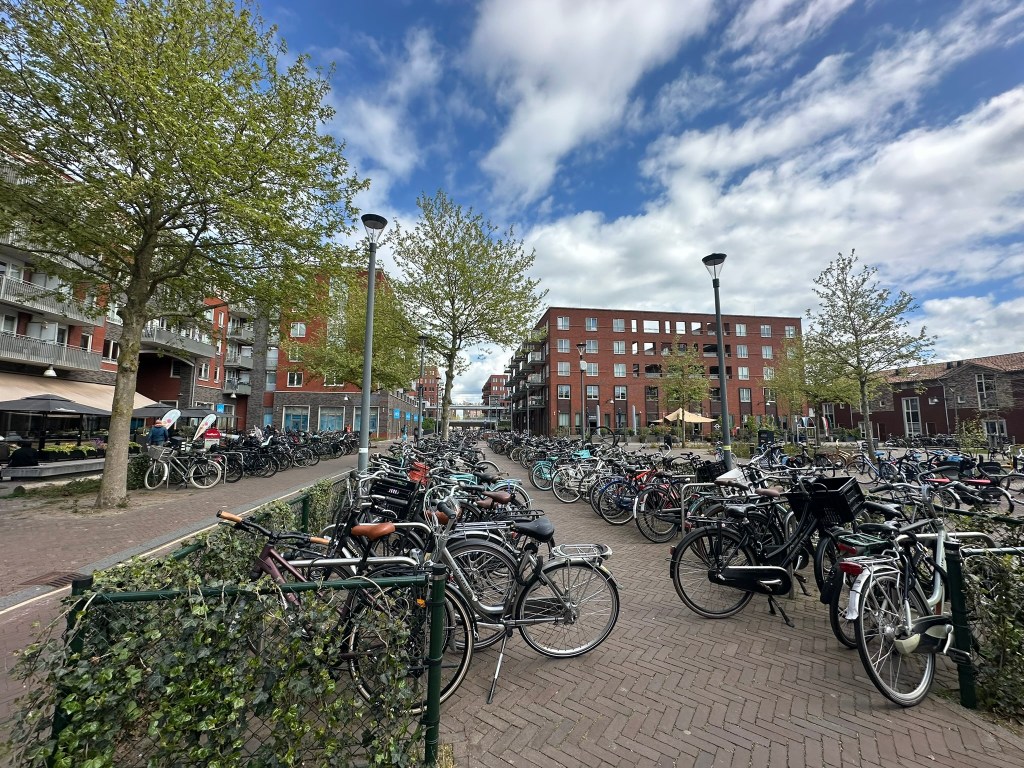
With 44% of all trips being under 2.5km, the bike just makes sense for most daily activities. When it comes to users of the road, the Dutch prioritize based on vulnerability with pedestrians first, followed by bikes, transit and then cars.
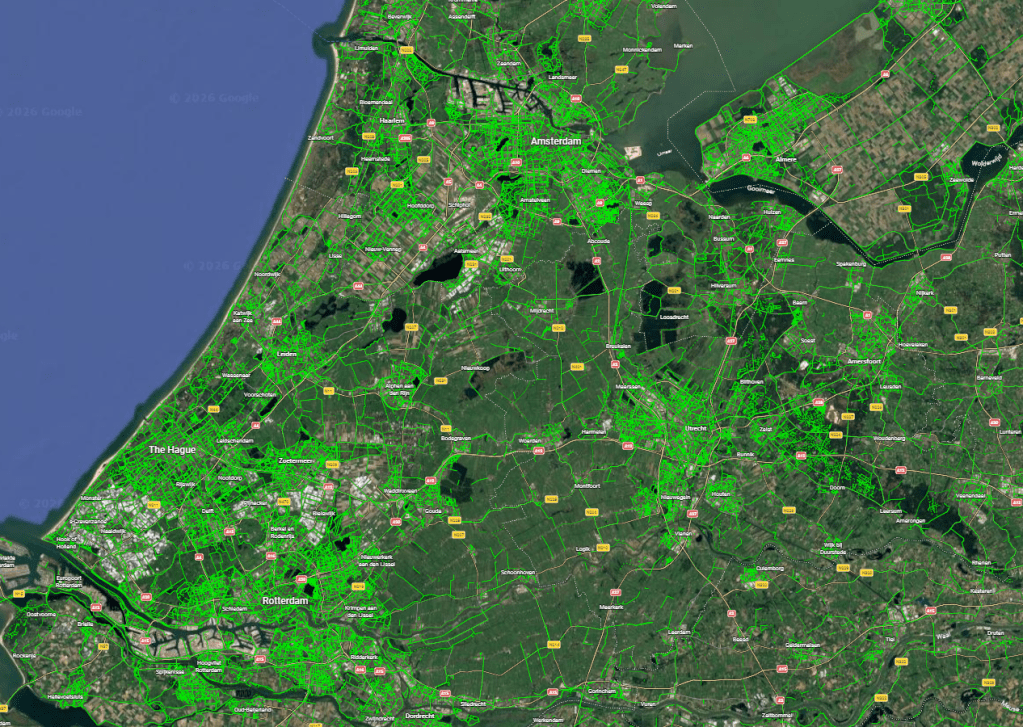
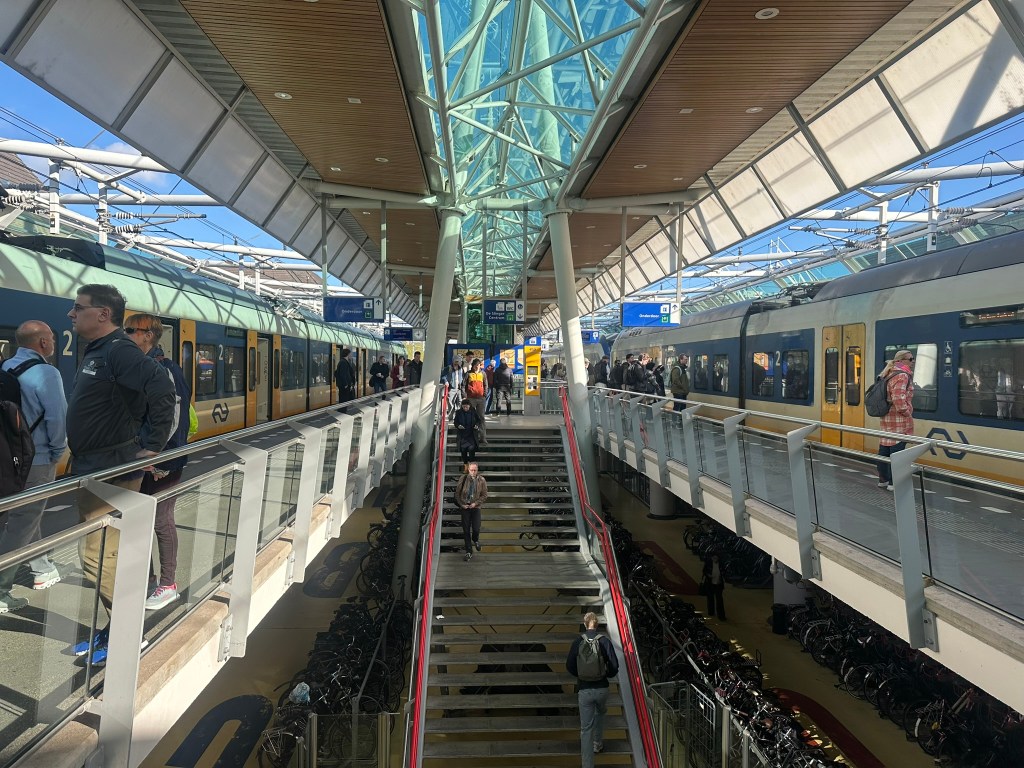
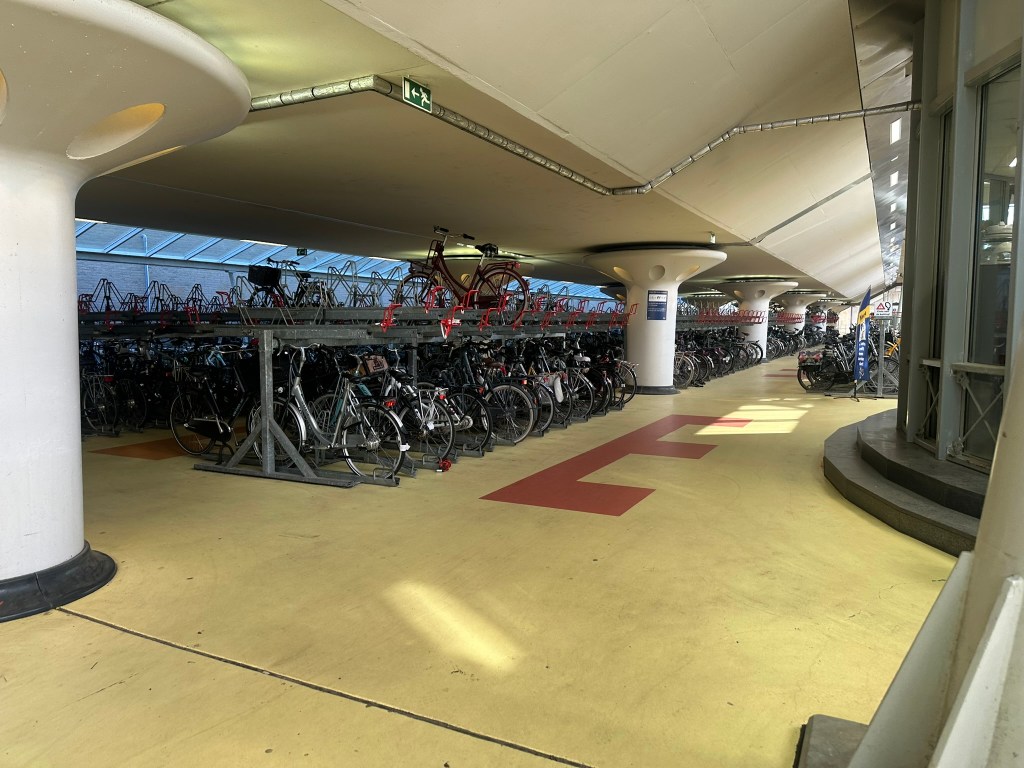
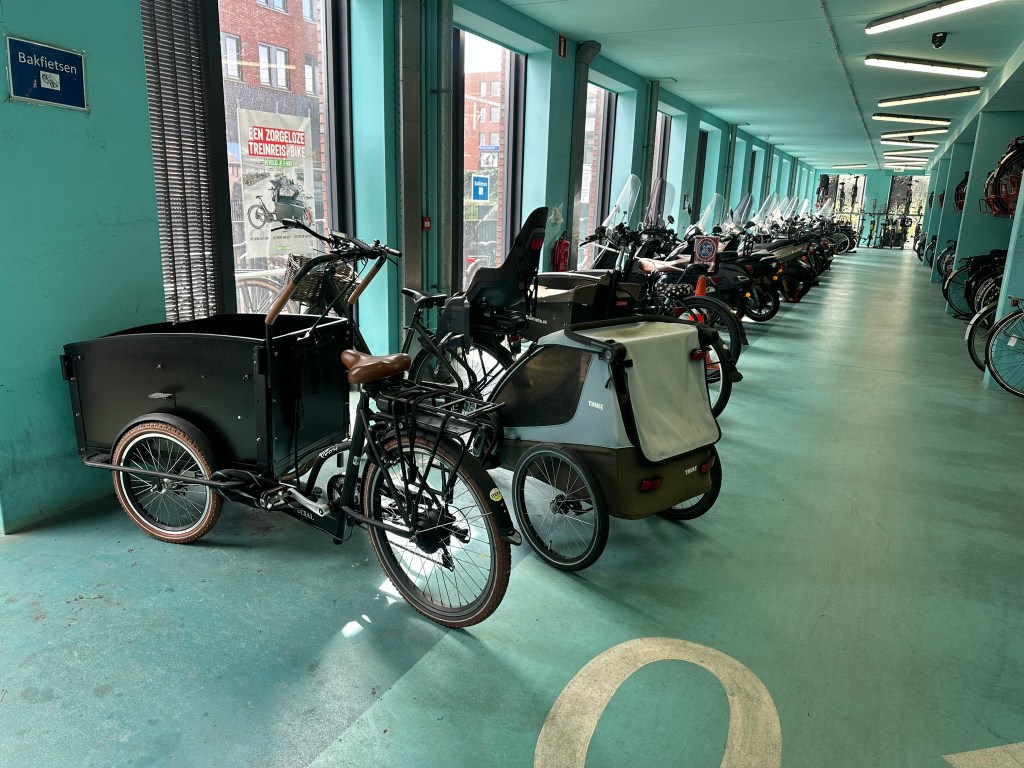
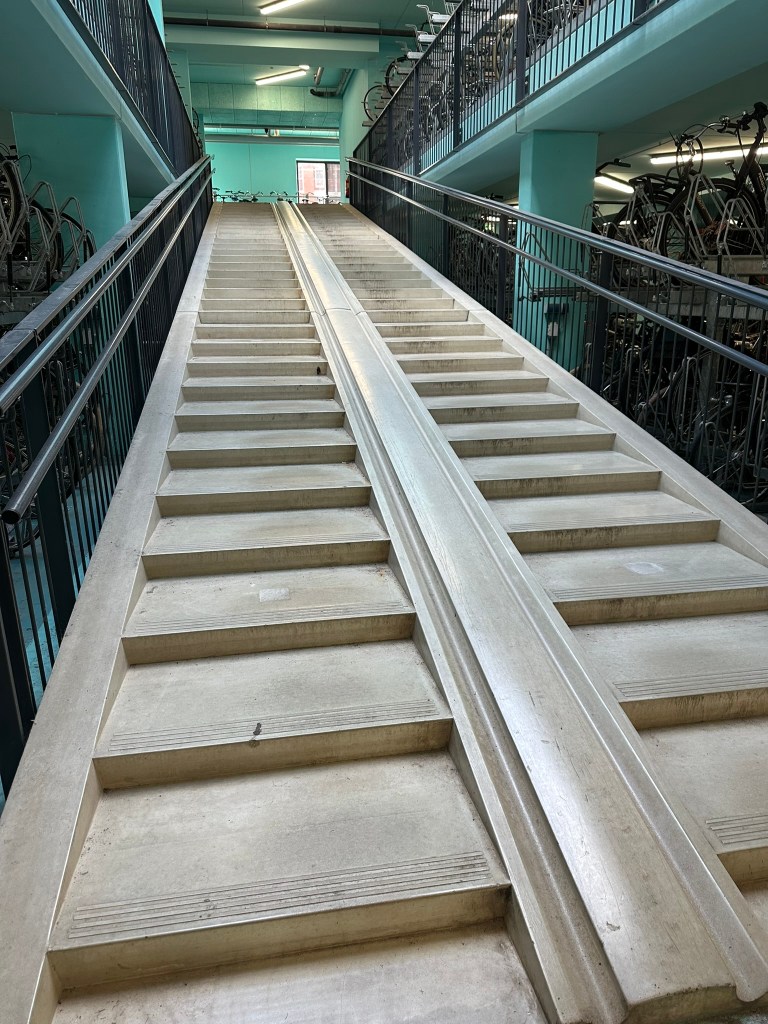
This has been done not only by building an expansive network, but also integrating (not competing with: looking at you, anti-rail folks) bikes into the public transport system to complement each other.
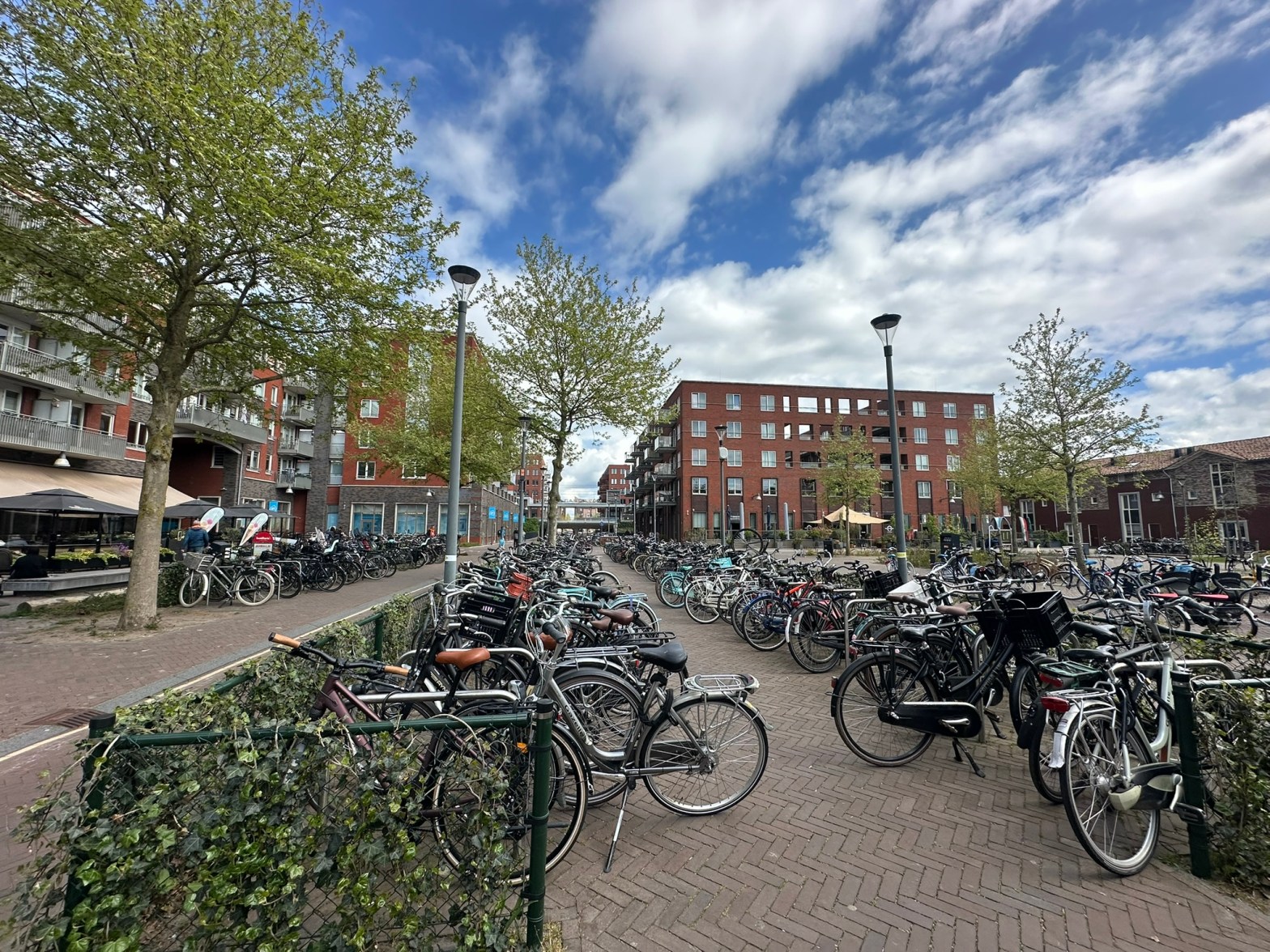
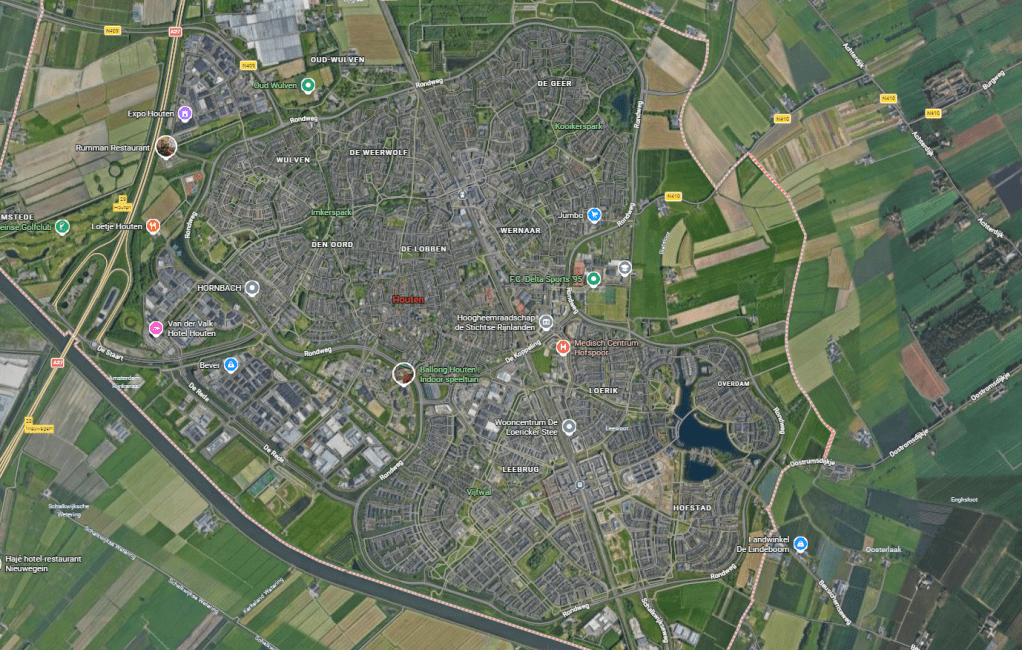
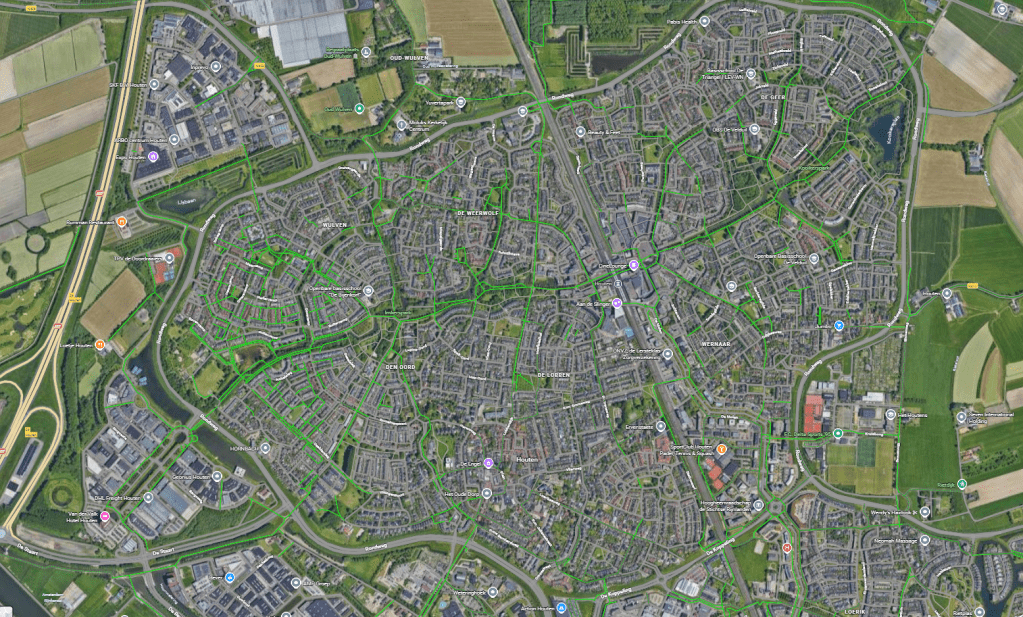
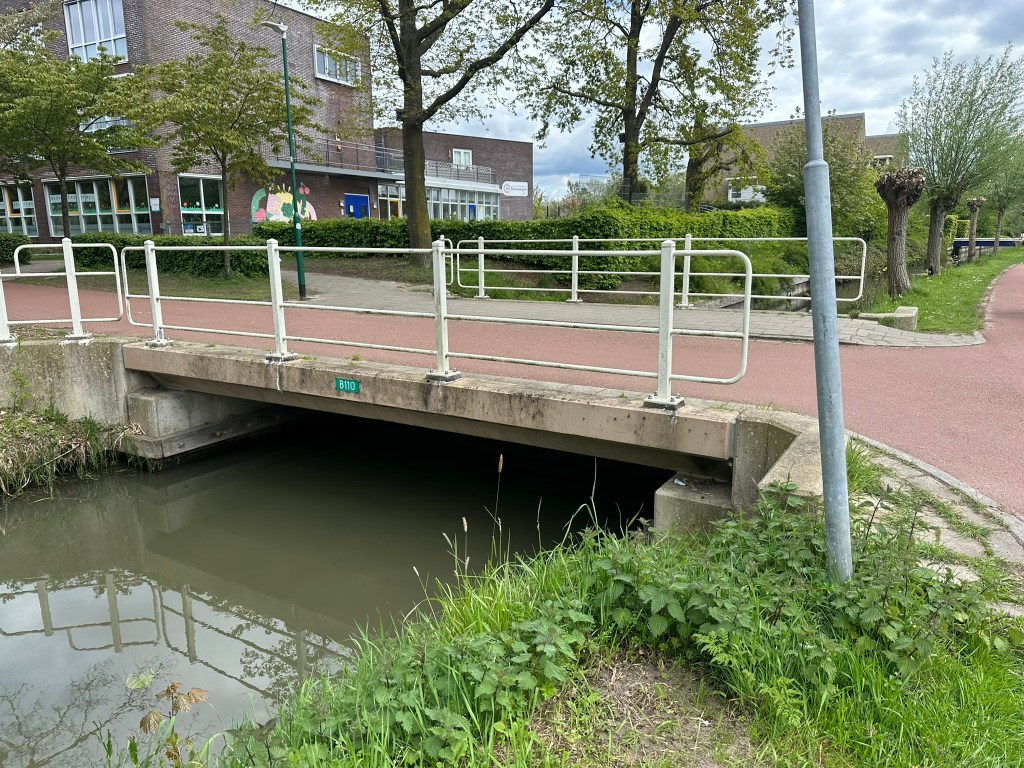
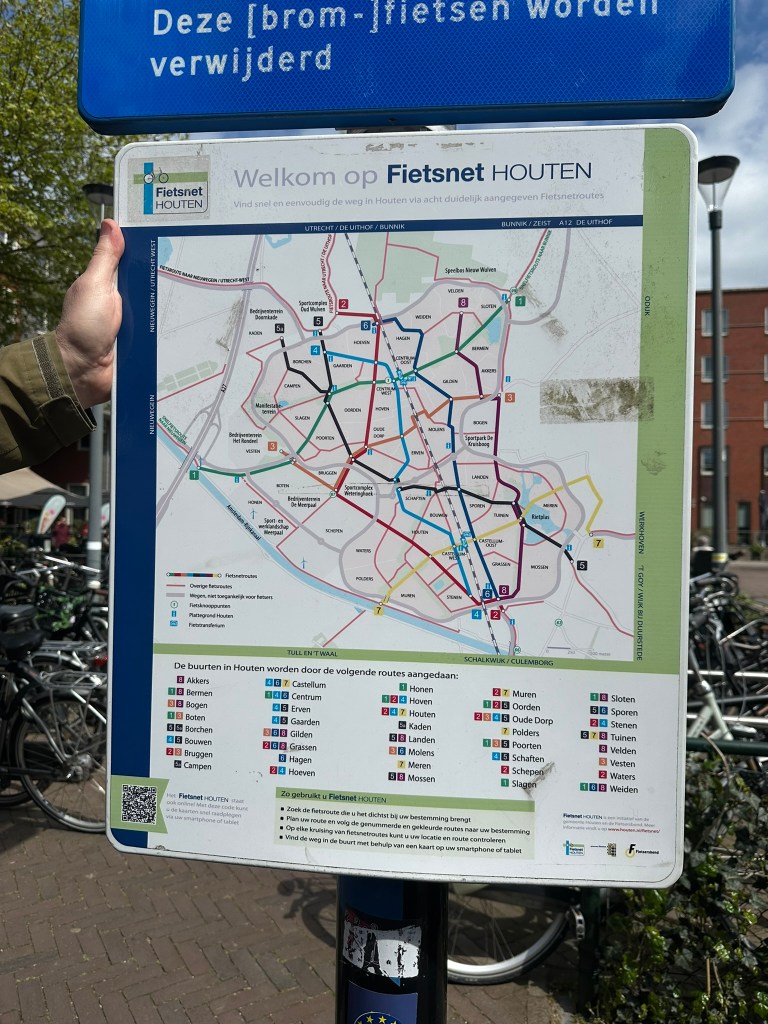
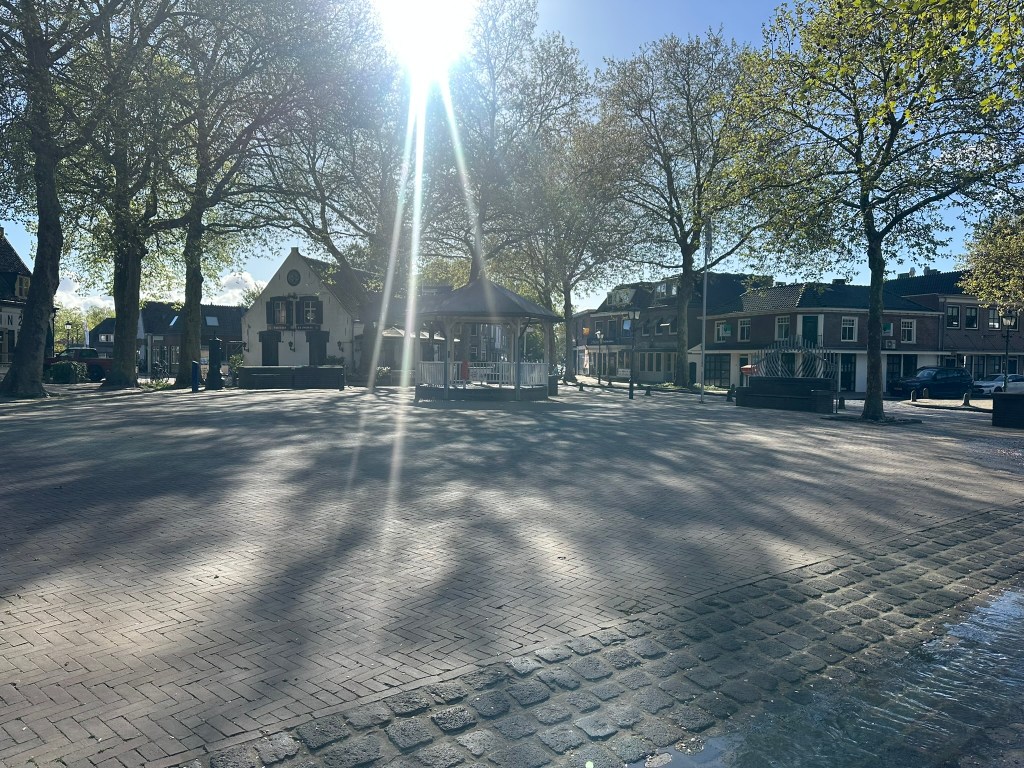
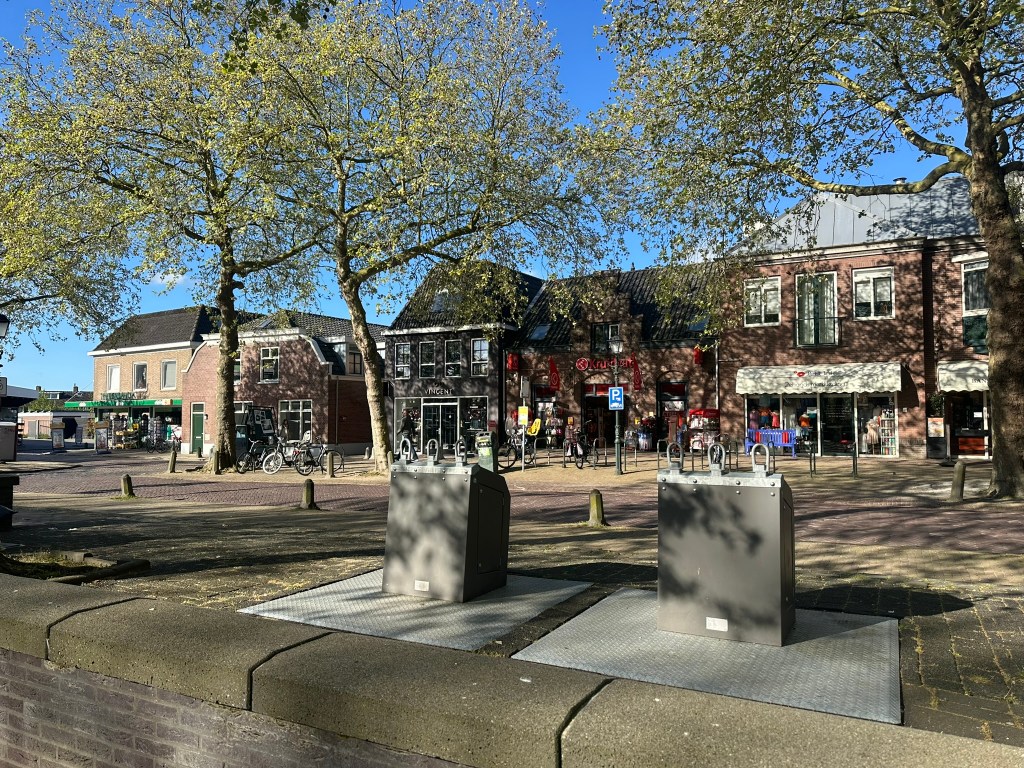
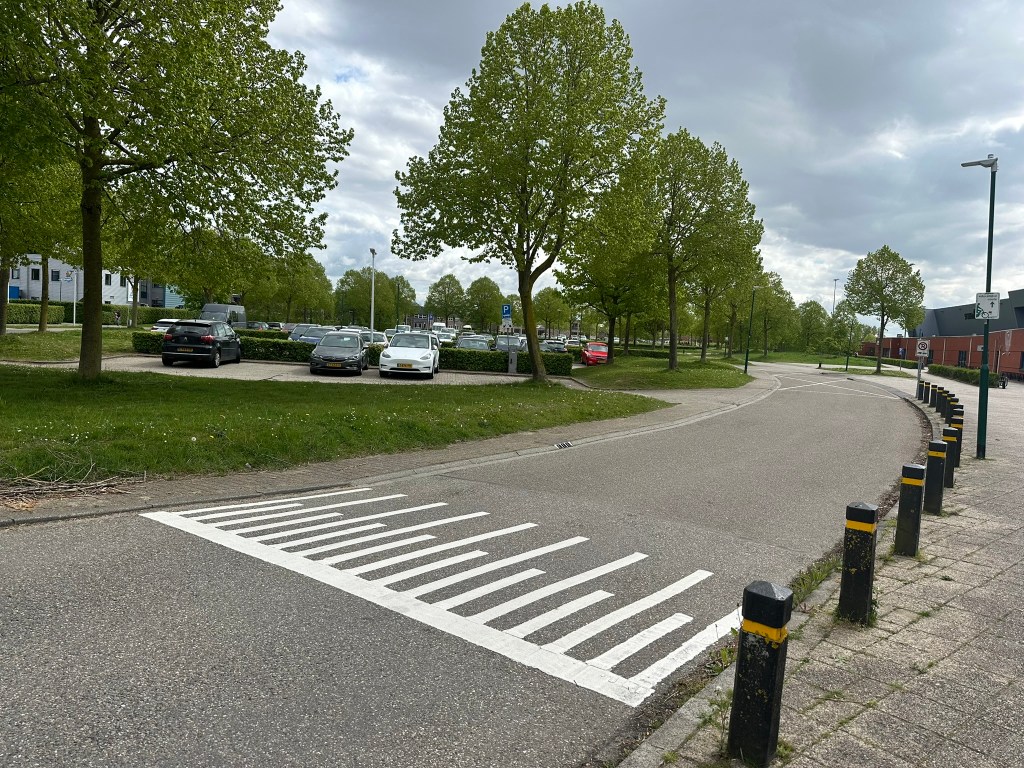
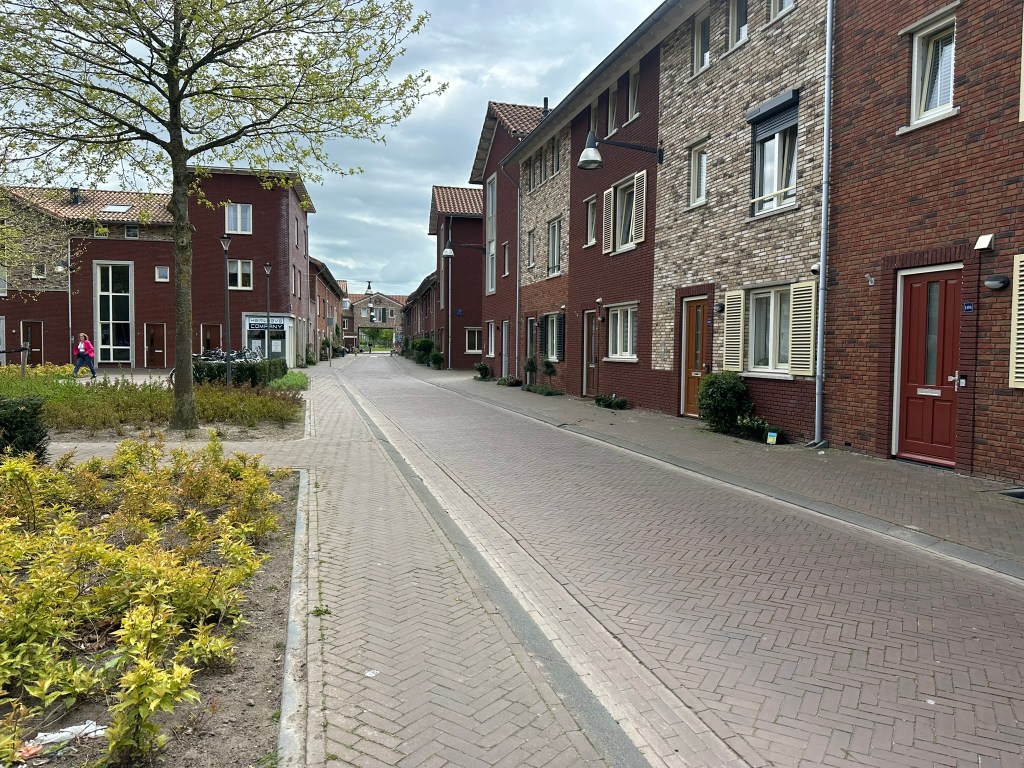
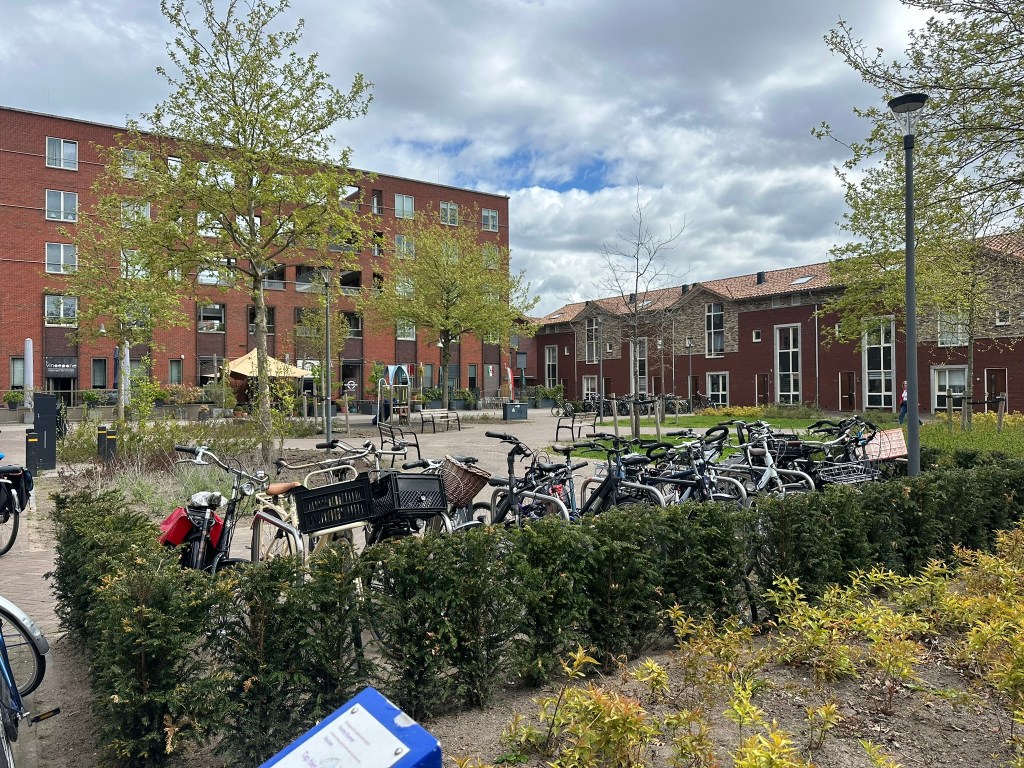
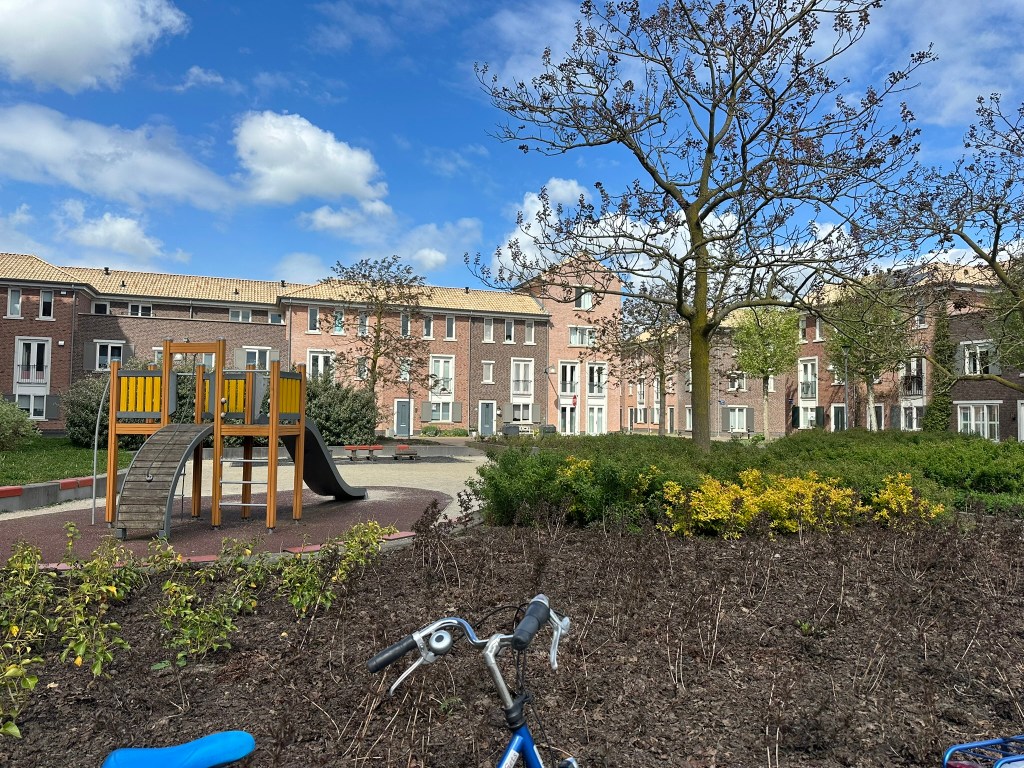
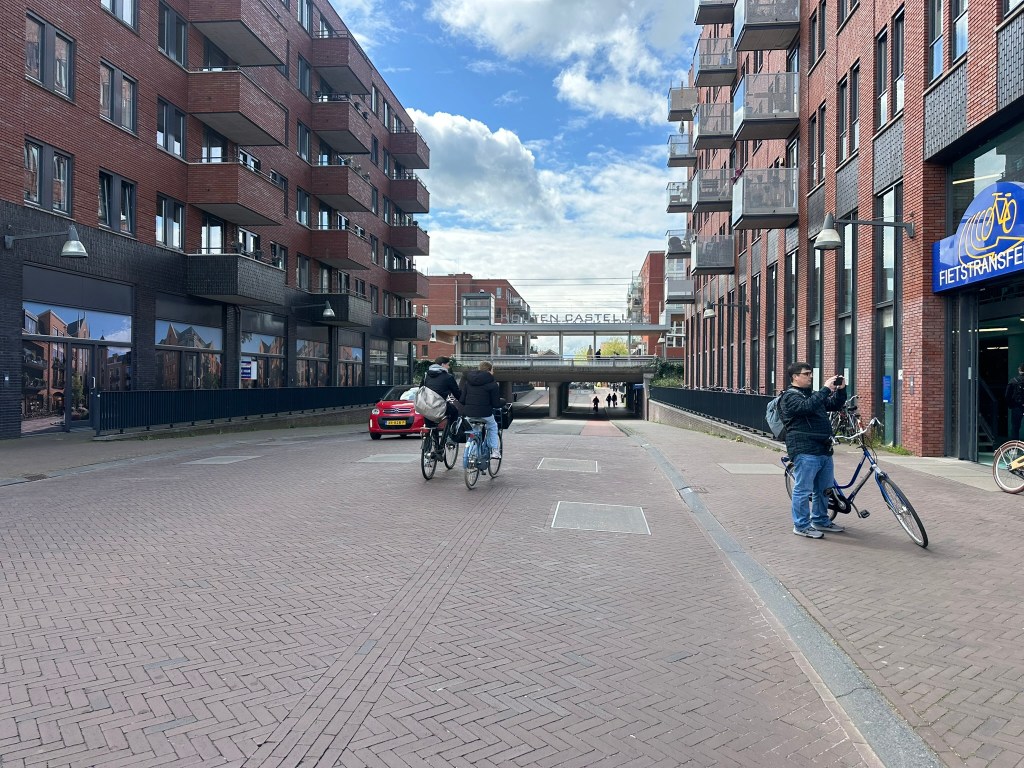
Houten in particular was built with a car-lite multimodal focus centered along two NS Railway stations. The village sits just outside of Utretch and would be considered a bedroom community / suburb in US terms. The Northern half was built from the 1970’s around an exterior ring road which vehicular traffic filters out to in order to get in and out. The interior network is based on a comprehensive network of bike and pedestrian pathways along with ample parks and mixed-use nodes.
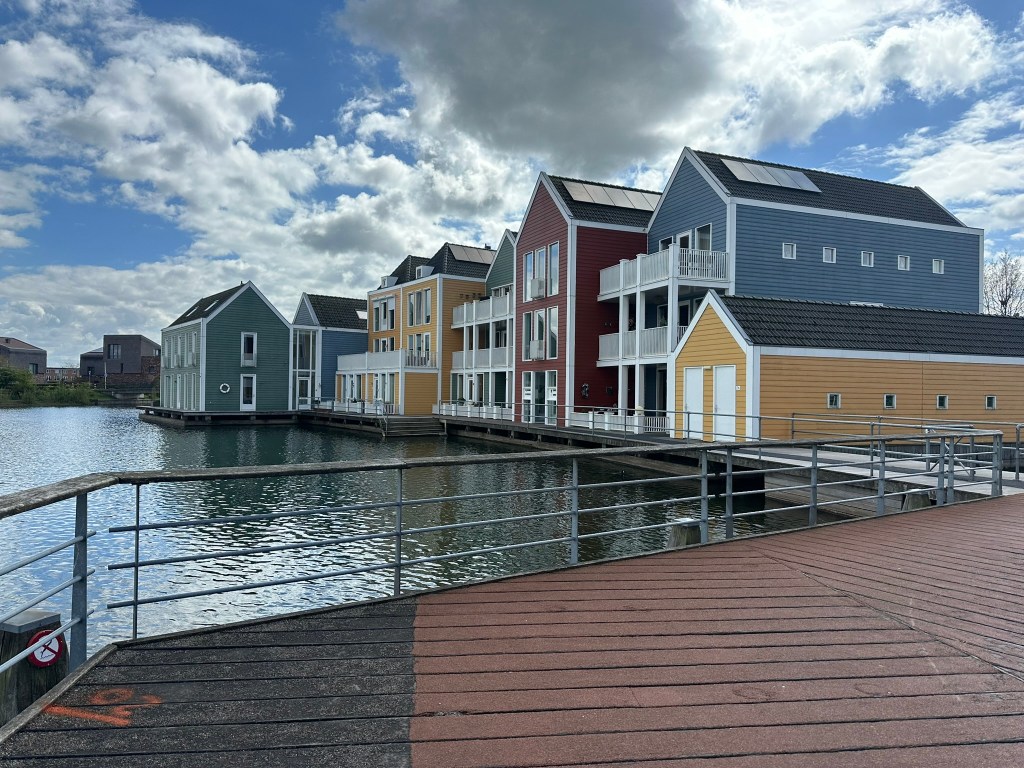
The Southern half started construction a couple decades ago and is nearing completion.
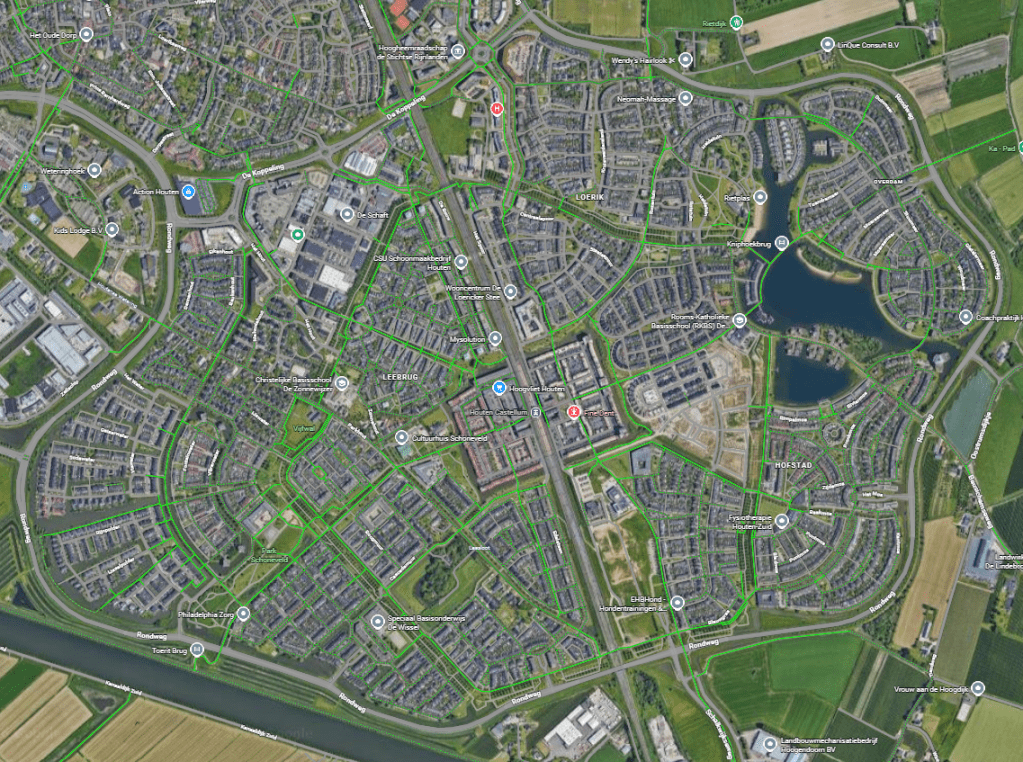
Together the two segments are home to around 50,000 residents and shows that suburbs can achieve the balance of containing a mix of housing types, ample greenspace, walkability, transit access all while still allowing car access.
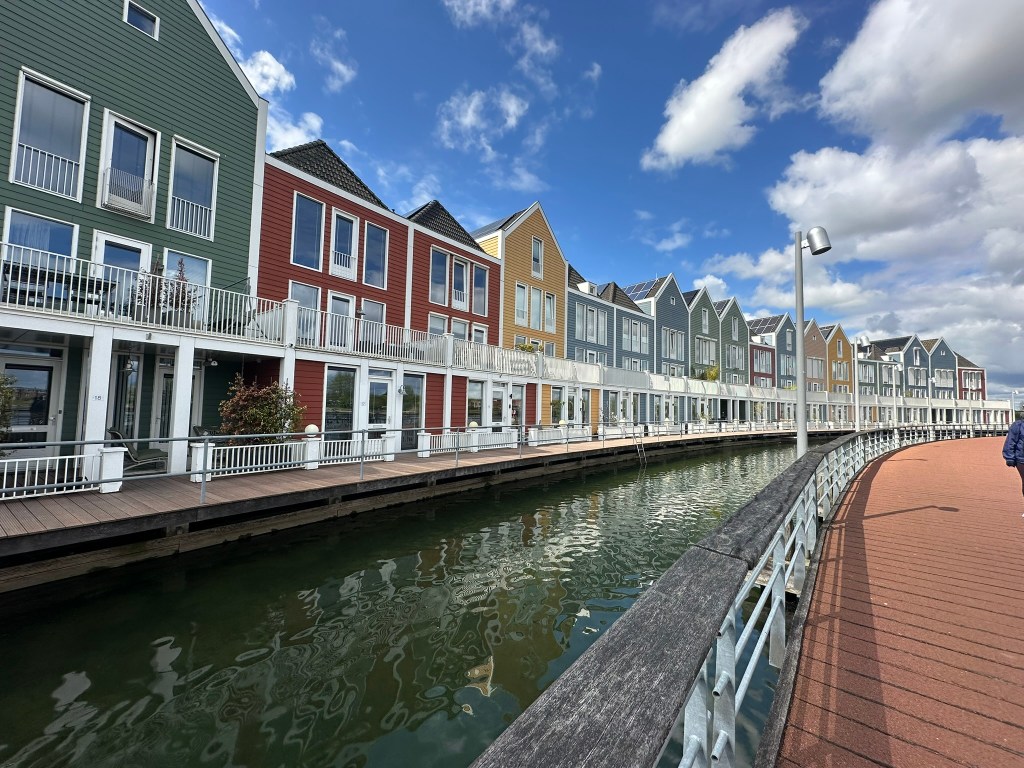
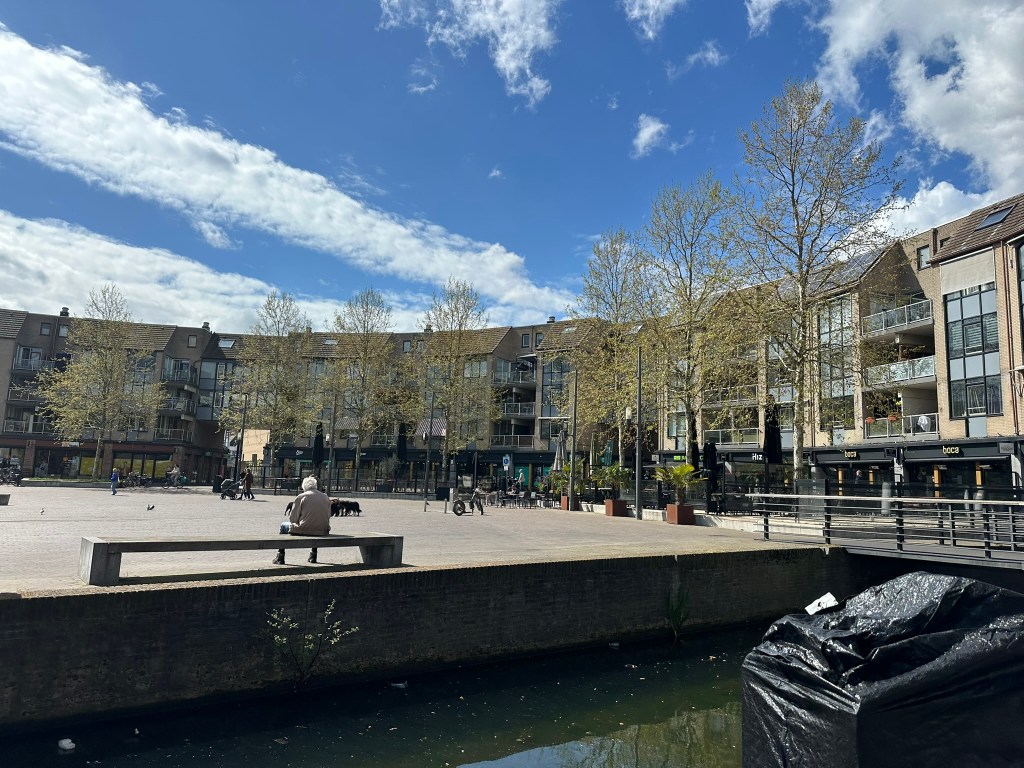
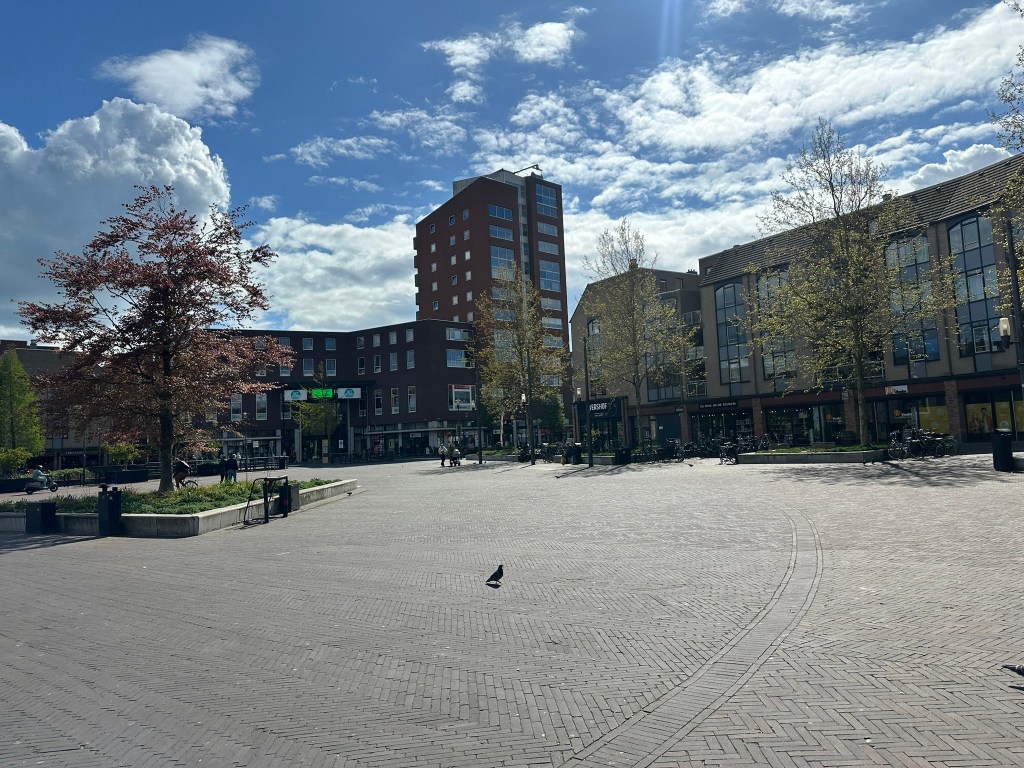
In the coming weeks, I’ll be taking a closer look back at the other days of the tour. Special thanks to the Dutch Cycling Embassy and ITE Georgia Section for hosting and organizing.
All Articles: The Urban Connector
Subscribe to my YouTube Channel
Subscribe to receive email notifications for new articles.
I’ll be reposting my favorite ideas to date plus all new content over on Substack! As always, everything will remain free so hop on over and subscribe!
Phil Veasley, PE, CNU-A, The Urban Connector, is a Professional Engineer with Nelson\Nygaard Consulting Associates focused on creating safer, more vibrant cities through strategic multimodal infrastructure design. With expertise spanning traffic analysis, hand sketching, conceptual design, and full construction documentation, he thrives on transforming roads into great streets where people of all ages and abilities can flourish. Based in Atlanta, Phil is a passionate advocate for walkable, dense, and equitable neighborhoods. Outside of work, his passion is exploring urban life through sketching infill ideas and navigating cities primarily by bike or foot. His on-the-ground perspective informs his professional work, helping him design transportation systems that are not only functional but also people-centered and inspiring. Phil brings both technical depth and a city lover’s enthusiasm to every project, drawing on the belief that infrastructure and urban form must go hand in hand to support vibrant, inclusive communities where everyone has access to opportunity and quality of life.
Please check out the menus above for all of my ideas and also check out my YouTube, Instagram, Website, Substack, and Twitter accounts.
Opinions and insights are my own and are not representative of my employer or any organization.


2 thoughts on “Netherlands Tour Review – Houten”