Subscribe to my YouTube Channel
Subscribe to receive email notifications for new articles
As the Triangle continues to grow, the arc of fringe cities surrounding the region will start to evolve. Wilson’s location at the crossroads of I-95, I-587, and I-795 gives it advanced convenience.
Continuing our Triangle Fringe City series with a look at the future of Wilson. Be sure to check out the introduction, Henderson, and Rocky Mount features if you missed them.

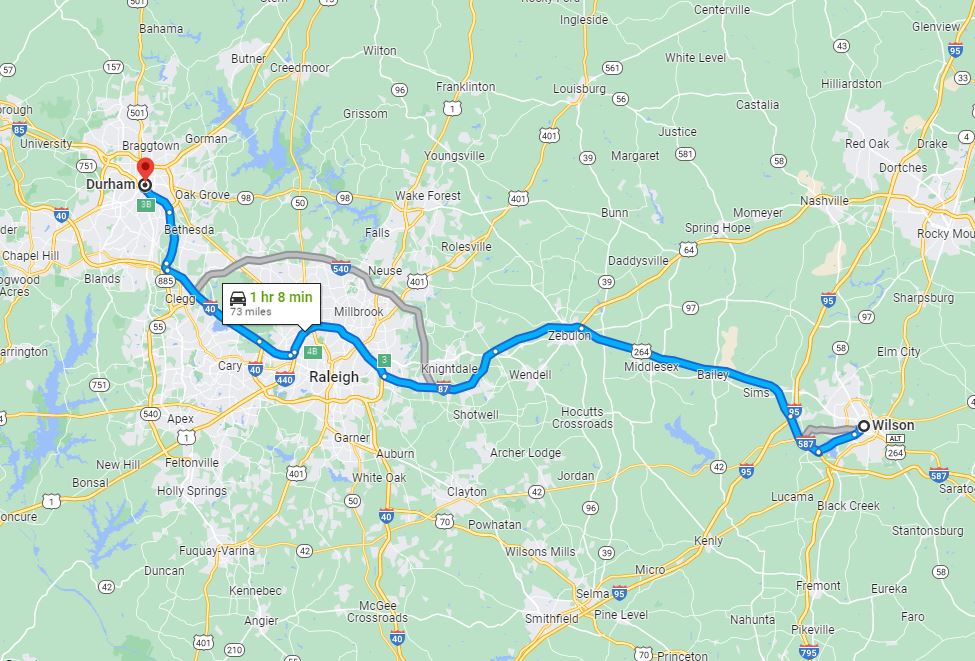
Wilson is a city of roughly 48,000 roughly 50 miles East of Raleigh and 75 miles East of Durham located at the interchange of I-95 and I-587 / I-795. The city owes it’s history to the development of the railroad industry in the 1800’s.

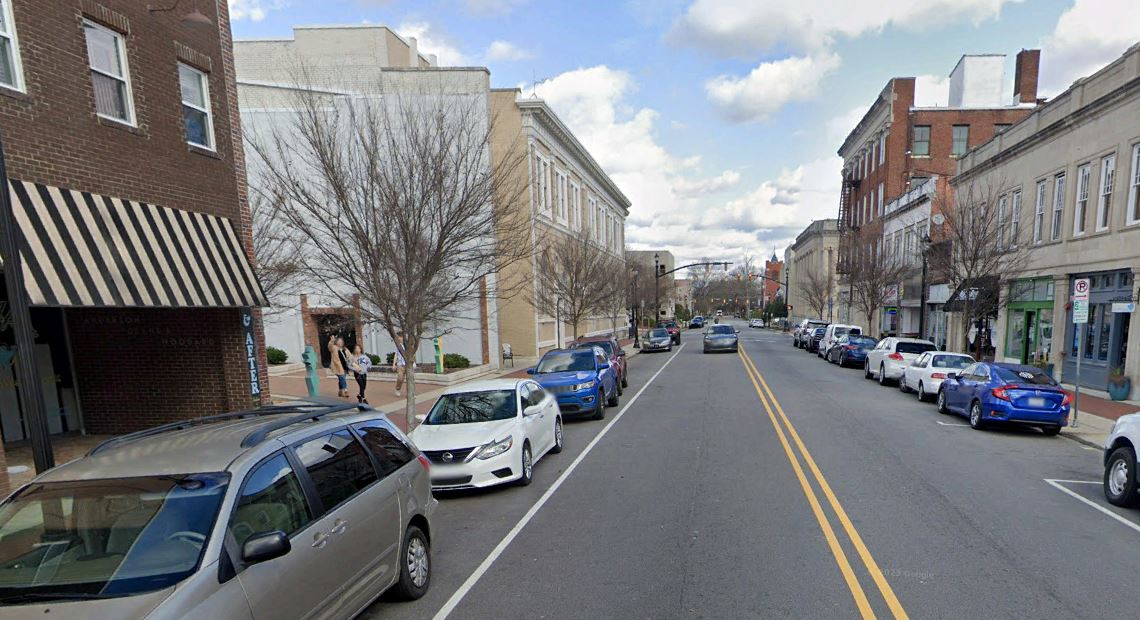
The Downtown features several blocks of early 20th century brick buildings lined with shops, restaurants, and services. There is also a unique downtown park featuring wind powered sculptures. As the years have progressed however, most activity has transferred from the historic downtown outward to strip centers. This has left downtown feeling rather empty and underutilized.

Within the walkshed of Downtown you’ll find dozens of three bedroom properties for under $300,000, even some new construction.

Looking toward the future
While Wilson is around a hour from Raleigh, it’s already starting to see some housing pressure as more and more families are pushed out from affording the Triangle. Despite being further than most Triangle sprawl based subdivisions, we’ll face a better future producing dense infill in the fringe cities.
Wilson’s mix of historic factories, underused parcels, and a grid system to support mixed-use growth within the walkshed of Downtown. There are dozens of acres of possibility for infill development providing residents the opportunity for a car-lite lifestyle.

Wilson’s location also falls on an Amtrak line and interstate crossroads corridor providing easier access to Raleigh, the coast, DC, and the entire Eastern seaboard.
Stay tuned next time as we explore the future of Goldsboro.
Cover photo via GoogleEarth
Phil Veasley is a registered Professional Engineer in NC and GA. Opinions and insights are my own and are not representative of my employer or any organization. Any ideas displayed on this site are purely that – just ideas to help improve the future of the built environment and begin discussions.
Subscribe to my YouTube Channel
Subscribe to receive email notifications for new articles
 Phil Veasley
7 thoughts on “Analyzing the Future of the Triangle Fringe Cities | Wilson”